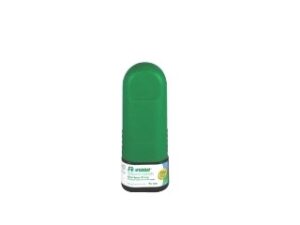
Flonase Nasal Spray (Fluticasone) — Patient Information (Australia)
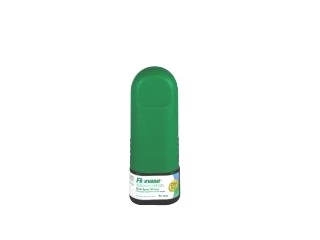
Flonase Nasal Spray contains fluticasone propionate, a corticosteroid medicine used in the nose. It helps reduce inflammation inside the nasal passages, relieving symptoms such as sneezing, blocked nose, and a runny or itchy nose caused by allergies.
This guide is written to be patient-friendly and focuses on how Flonase works, how to use it correctly, typical dosing, and important safety information. Always follow the directions on the product label or as advised by your healthcare professional.
1) Basic Product Information
- Medicine: Flonase Nasal Spray
- Active ingredient: Fluticasone propionate
- Medicinal type: Intranasal corticosteroid (steroid nasal spray)
- What it’s used for: Allergy-related nasal inflammation; sometimes used for non-infectious nasal symptoms as advised
- Common forms: Nasal spray bottle with metered doses
In Australia: Flonase products may be available as over-the-counter or under pharmacy supervision depending on the exact product strength and pack. Availability can vary by retailer and dispensing rules.
2) How Flonase Works (Mechanism of Action)
Flonase (fluticasone) is an intranasal corticosteroid. Corticosteroids reduce inflammation by affecting multiple immune pathways in the nasal lining.
After you spray fluticasone into the nose, it helps:
- Decrease inflammation and swelling in the nasal passages
- Reduce release of inflammatory substances linked to allergic reactions
- Relieve symptoms such as nasal congestion, sneezing, and runny nose
Important: Steroid nasal sprays work best when used regularly during the period you’re exposed to triggers (e.g., pollen) rather than only when symptoms peak.
3) Pharmacokinetics (How the Body Handles It)
“Pharmacokinetics” describes what happens to the medicine in the body. With nasal sprays, most of the medicine acts locally in the nose.
- Local effect: Fluticasone primarily works in the nasal mucosa (lining).
- Absorption: Only a small amount is typically absorbed into the bloodstream.
- Metabolism: Any absorbed fluticasone is metabolised mainly in the liver.
- Elimination: Metabolites are eliminated mainly via the bile/faeces and to a smaller extent via the kidneys.
Because systemic absorption is generally low at recommended doses, Flonase is designed to minimise whole-body steroid effects while controlling nasal inflammation.
4) Typical Uses and Indications
Flonase is commonly used to treat nasal symptoms of allergic rhinitis—including seasonal allergies and perennial (year-round) allergies.
Depending on local product listing and clinical assessment, intranasal fluticasone may also be used for other non-infectious nasal conditions where reducing inflammation is beneficial.
Typical symptoms it may help:
- Blocked or congested nose
- Sneezing
- Runny nose
- Itchy nose
- Post-nasal drip sensation
Allergic rhinitis types (common in Australia):
- Seasonal: e.g., pollen-related symptoms during certain months
- Perennial: symptoms year-round (e.g., dust mite)
5) Timing: When You Should Expect Results
Unlike fast-acting decongestant sprays, intranasal steroid sprays typically take time to work.
- First improvement: Some relief may be noticed within 12–24 hours.
- Best effect: Full symptom control often takes several days of consistent use (commonly around 3–7 days).
- Seasonal allergies: Consider starting before the allergy season peaks if you know your trigger schedule.
Practical tip: If symptoms are severe on day one, some people temporarily use other supportive measures (e.g., saline irrigation). However, always follow the directions of any combination therapy you choose.
6) Dosing (Adults and Children)
Follow your product label. Dosing can differ by strength and age group. The information below is a general guide commonly used for fluticasone nasal spray regimens.
| Age group | Typical starting regimen | Maintenance / adjustments |
|---|---|---|
| Adults (and adolescents, depending on pack) | Usually one to two sprays per nostril once daily | May be adjusted to the lowest effective dose based on symptom control |
| Children (depending on pack and age) | Often lower dose once daily | Use only the age-appropriate product strength and follow label instructions closely |
If symptoms persist: Do not increase beyond the label dose. If you are not improving after the expected time (often about a week), seek advice from a pharmacist or healthcare professional.
Missed dose: Take it when you remember unless it’s close to the next dose. Do not use double doses.
7) How to Use Flonase Nasal Spray (Step-by-Step)
Correct technique makes a big difference. The aim is to deliver the spray onto the nasal lining—not to the back of the throat.
- Gently blow your nose to clear mucus (if needed).
- Shake the bottle (if your specific product instructs it).
- Prime the pump if it’s the first use or if you haven’t used it for a while (follow the instructions on your pack).
- Choose the correct nozzle position: Insert the nozzle into one nostril and aim slightly outward (toward the ear), not toward the centre septum.
- Breathing: Start to breathe in gently.
- Spray: Press the pump once (or the number of sprays prescribed) while breathing in gently.
- Repeat for the other nostril if needed.
- After spraying: Try not to sniff hard right after. Lightly inhale and keep the head upright.
- Wipe the nozzle with a clean tissue and replace the cap.
Cleaning tip: Keep the nozzle clean and check the label for cleaning instructions to prevent blockages.
8) Food Interactions
Food interactions are unlikely with intranasal fluticasone because the medicine is delivered to the nose and used in low systemic amounts. Most people can take Flonase regardless of meals.
Even so, if you experience throat irritation or notice that the spray frequently drips backward, technique adjustments (as above) may help. If it continues, speak with a pharmacist.
9) Alcohol Interactions
Alcohol interactions are not commonly expected for fluticasone nasal spray at recommended doses.
However, alcohol may worsen allergy-related issues for some people (e.g., dehydration, sensitivity, or sleep effects). If you notice a personal pattern of increased symptoms after drinking, consider reducing alcohol intake during high-allergy periods.
10) Medicine Interactions (Drug Interactions)
Fluticasone is metabolised by liver enzymes (notably CYP3A4). Medicines that strongly affect CYP3A4 may increase fluticasone levels.
Key interaction types to be aware of:
- Strong CYP3A4 inhibitors: Examples may include some antiviral and antifungal medicines. These can potentially raise fluticasone exposure.
- Other corticosteroids or steroid medicines: Using additional steroid products may increase overall steroid exposure.
- Other nasal sprays: Some combinations may be used, but timing and technique matter.
What to do: Tell your pharmacist or healthcare professional about all medicines you use, including: prescription medicines, over-the-counter products, herbal supplements, and eye/skin/nasal steroids.
Combination with saline: Saline nasal rinses can be used to help clear mucus. If you use saline, consider using it before Flonase (so the spray isn’t blocked by congestion).
11) Safety Profile and Side Effects
Like all medicines, Flonase can cause side effects. Many are mild and improve with correct technique or continued use.
Common local side effects
- Nose dryness or irritation
- Sneezing
- Unpleasant taste or smell
- Headache (sometimes)
- Nosebleeds (epistaxis), especially with improper technique or frequent use
Less common but important risks
- Persistent nose/throat irritation or ulcers
- Worsening of nasal infections if you have an untreated infection
- Systemic steroid effects are uncommon at recommended doses but may occur with high doses or long-term use, especially if used alongside other steroid medicines
Seek medical advice urgently if you notice
- Severe or recurrent nosebleeds
- Signs of a serious allergic reaction (e.g., swelling of face/lips, difficulty breathing, widespread rash)
- Symptoms of infection that do not improve (e.g., fever, worsening facial pain, purulent discharge)
Who should be extra careful
- People with recent nasal surgery or significant nasal injury
- People with nasal ulcers or frequent nosebleeds
- People using other steroid medicines (nasal, inhaled, tablets, creams)
- Children: dosing and technique should be age-appropriate
- Those with glaucoma or cataracts history: long-term steroid exposure may require monitoring
12) Practical Use Tips (To Improve Effectiveness and Reduce Side Effects)
- Use daily during the allergy period: Steroid sprays work best with consistent use.
- Aim away from the centre septum: This can reduce nose irritation and nosebleeds.
- Don’t sniff hard: Inhaling too forcefully may drive the medicine into the throat.
- Check expiration and storage: Keep as directed and avoid extreme heat.
- Address dry air: A humidifier or saline may help if your nose feels dry.
- Pause and get advice if you’re not tolerating it: If you have ongoing bleeding or severe irritation, seek pharmacy guidance.
When symptoms improve: Some people can reduce to the lowest effective frequency/number of sprays, but only if this aligns with the product label or clinician advice.
13) Alternative Options
If Flonase isn’t suitable or you need additional relief, there are other options commonly used for allergic rhinitis:
Non-medicine approaches
- Allergen avoidance: reduce pollen exposure where possible (close windows, shower after outdoor activities)
- Dust mite measures: mattress covers, regular hot washing of bedding
- Saline rinses: may help clear mucus and improve nasal comfort
Other medicine options (commonly available in Australia)
- Antihistamine tablets: may reduce sneezing/itching
- Antihistamine nasal sprays: sometimes provide faster symptom relief for certain people
- Decongestants (short-term only): may open the nose quickly but are generally not recommended for long continuous use
- Other intranasal corticosteroids: similar medicines may be used if fluticasone isn’t ideal
- Combination therapy: sometimes recommended by a pharmacist or healthcare professional based on symptoms
Choosing the best option: The right approach depends on your dominant symptoms (congestion vs sneezing/itching), season length, and how quickly you need relief.
14) Delivery and Availability in Australia
Flonase Nasal Spray may be stocked by a range of Australian pharmacies and online retailers. Availability can vary by:
- Pack size
- Strength and age-appropriate formulations
- Current pharmacy supply and regulatory requirements
When ordering online, ensure you select the correct product form and strength. If you are unsure, you can contact the retailer’s pharmacy team for help choosing the right option.
Cold chain: Intranasal fluticasone typically does not require refrigeration, but always store according to the label (avoid excessive heat and direct sunlight).
15) Market & Legal Context (Australia)
In Australia, medicines are regulated under national frameworks. The status of fluticasone nasal sprays can vary depending on product strength, age indication, and brand formulation. Many intranasal corticosteroids are commonly accessible through pharmacy channels.
Important patient responsibilities:
- Use the product strictly as directed on the label
- Check with a pharmacist if you’re pregnant, breastfeeding, have chronic conditions, or use other steroid medicines
- Seek advice if symptoms suggest infection rather than allergy
16) Recent Guidance and Practical Considerations
Allergic rhinitis management commonly emphasises:
- Intranasal corticosteroids as first-line for many people with significant nasal congestion and persistent symptoms
- Correct technique to improve local delivery and reduce side effects like nosebleeds
- Regular use during allergen exposure for best effect
- Combination strategies when symptoms are not fully controlled (e.g., adding an antihistamine when appropriate)
If your symptoms are not controlled, a pharmacist may suggest reviewing trigger control measures, technique, adherence, and possible add-on therapy.
17) FAQ — Frequently Asked Questions
How fast does Flonase (fluticasone) work?
Some people notice improvement within 12–24 hours. For the best results, use daily for several days (commonly 3–7 days).
Can I use Flonase if I have a cold?
Flonase is designed to reduce allergic inflammation. If your symptoms are clearly from a viral cold, relief may be limited. If you have significant congestion or symptoms persist, ask a pharmacist for advice to differentiate allergy from infection.
Will Flonase make me sleepy?
Flonase nasal spray is not typically associated with drowsiness. If you feel unusual tiredness, check other medicines you may be taking (particularly antihistamines, which can cause sedation).
Why do I have nosebleeds?
Nosebleeds can occur, especially if the spray is aimed toward the centre septum, if the nose is very dry, or if the technique is forceful (e.g., sniffing hard). Aim slightly outward, use gently, and consider saline to improve nasal moisture. Seek advice if bleeding is frequent or severe.
Can I use Flonase long-term?
Many people use intranasal corticosteroids throughout the allergy season. Long-term use beyond seasonal periods should be reviewed with a pharmacist or healthcare professional—especially if you also use other steroid medicines.
Is it safe to use with other allergy medicines?
Sometimes it is used alongside other allergy treatments (e.g., antihistamines). Because interaction risk varies by medicine, it’s safest to confirm with a pharmacist, particularly if you are using other steroid products or medications that may affect liver metabolism.
Do I need to stop Flonase if I feel better?
It depends on your trigger. For ongoing allergen exposure, continuing daily is often necessary for consistent control. You may be able to reduce to the lowest effective dose, but follow product instructions or seek guidance.
How do I store Flonase?
Store according to the label (typically at room temperature, away from heat and direct sunlight). Keep the cap on and follow cleaning and priming instructions.
What if the spray nozzle gets blocked?
Use the cleaning instructions from the pack. Avoid pushing objects into the nozzle. If it remains blocked, consult a pharmacist.
18) Summary
Flonase Nasal Spray (fluticasone) is a steroid nasal spray used to relieve symptoms of allergic rhinitis by reducing inflammation in the nasal passages. It’s designed for local action, with low systemic absorption when used correctly. For best results, use it consistently, apply the correct technique, and allow several days for the full effect.
If you’re unsure about dosing, have frequent nosebleeds, have symptoms that might indicate infection, or are taking other medicines (especially other steroids), consult your pharmacist for personalised advice.