Astelin (Azelastine) – Patient-Friendly Guide
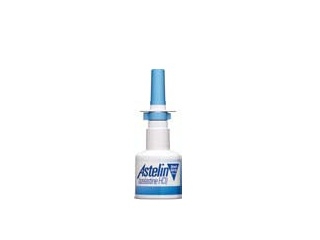
Astelin contains azelastine, an antihistamine medicine used primarily for the relief of allergy-related nasal symptoms. In Australia, azelastine nasal preparations are used for conditions such as allergic rhinitis and non-allergic rhinitis. This page explains how it works, typical uses, how to take it, safety considerations, and practical tips—written for everyday understanding.
Quick facts
- Active ingredient: Azelastine (antihistamine)
- Common form: Nasal spray (typically intranasal)
- Primary uses: Relief of nasal allergy symptoms (sneezing, runny nose, itching) and nasal discomfort
- How it works: Blocks histamine receptors and helps reduce inflammation
- Onset: Often begins to relieve symptoms within a short time
Basic product information
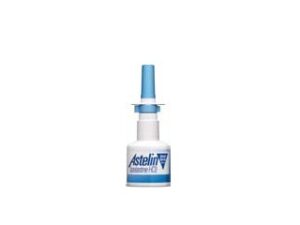
Astelin is a brand name for azelastine, most often used as a nasal spray for rhinitis symptoms. Your exact product strength and dosing schedule can vary by formulation, and it’s important to follow the instructions provided with your specific Australian product.
Because product availability and labelling can differ, always check:
- The strength on the label (e.g., mg per actuation for the spray)
- The recommended dose for your age group
- The expiry date and storage instructions
How Astelin works (mechanism of action)
Azelastine is an antihistamine that works mainly by blocking H1 receptors in the nasal tissues. Histamine is a key chemical released during allergic reactions and contributes to:
- Sneezing
- Runny nose (rhinorrhoea)
- Itching in the nose
- Swelling and congestion associated with rhinitis
In addition to histamine blockade, azelastine has anti-inflammatory effects that help calm the nasal lining and reduce symptom intensity. This dual effect makes it useful for both seasonal and ongoing (perennial) rhinitis symptoms.
Pharmacokinetics (what the body does to the medicine)
Pharmacokinetics describes how a medicine is absorbed, distributed, metabolised, and eliminated. For intranasal azelastine, exposure tends to be relatively low compared with oral dosing, and the medicine is designed to act locally in the nose while some systemic absorption may occur.
Absorption
After intranasal administration, azelastine can be absorbed through the nasal mucosa. The degree of absorption varies between individuals and depends on technique (correct spray positioning) and the specific formulation.
Distribution
Once absorbed, azelastine can be distributed throughout the body. Most patients will not experience systemic effects when using it as directed.
Metabolism
Azelastine is metabolised in the body, primarily in the liver. Metabolic pathways help convert the drug into less active forms.
Elimination
The medicine and its metabolites are eliminated from the body mainly through urine (and to a lesser extent other routes), with a pharmacokinetic profile that supports twice-daily or similar regimens depending on product instructions.
Typical use and indications
Astelin (azelastine) is used to relieve symptoms of rhinitis, particularly those related to allergies. It may be recommended for:
- Allergic rhinitis (hay fever), including seasonal symptoms such as sneezing, itching, and runny nose
- Non-allergic rhinitis (sometimes used when symptoms are not clearly due to allergy, as advised by a healthcare professional)
- Symptom control for individuals who need targeted nasal relief
What symptoms it helps
Many people use azelastine to target the “upper nasal” symptoms. Common benefits include:
- Less frequent sneezing
- Reduced runny nose
- Relief of nasal itching
- Improvement in overall nasal discomfort
- Sometimes, reduced nasal drainage that can affect throat irritation
When to take Astelin (timing)
Many nasal azelastine regimens are designed for twice-daily use (morning and evening), but follow your product’s labelling and instructions. The medicine can begin working quickly for some people.
Practical timing tips:
- Try using it at the same times each day (e.g., morning and night).
- If symptoms are worse at specific times (such as morning outdoors or night), you may find timing those doses helps.
- For best results, use before peak exposure when possible (e.g., before going out during high pollen times).
- Allow a few days to judge the overall benefit, especially for persistent symptoms.
How to use Astelin nasal spray (step-by-step)
Correct technique helps ensure the spray reaches the nasal lining where it can work. Always follow your product instructions. If you are unsure, ask a pharmacist or healthcare professional for a demonstration.
- Prepare: Gently blow your nose to clear mucus (if needed).
- Shake: If your product instructions say to shake, do so.
- Prime (if required): Many sprays require priming before first use or after a long break—use the number of test sprays specified in the leaflet.
- Position the nozzle: Aim the nozzle slightly outwards (toward the ear on the same side) rather than straight up the middle.
- Spray while breathing gently: Activate the spray as you take a gentle breath in through your nose. Avoid strong sniffing right after.
- Repeat for the other nostril: Use the number of sprays prescribed for each nostril.
- After use: Wipe the nozzle with a clean tissue and replace the cap.
- Clean regularly: Follow the leaflet for cleaning the nozzle and avoid contamination.
Dosing (general guidance)
Dosing depends on the specific formulation, the strength of the spray, and your age group. The following is general information to help you understand typical regimens; always follow the exact directions on your product label or documentation.
| Who | Typical regimen (nasal spray) | Notes |
|---|---|---|
| Adults | Often 1–2 sprays per nostril twice daily (as directed) | Some people start with the lowest effective dose, then adjust if needed based on symptom control and guidance. |
| Older adolescents (if applicable to product) | Often similar to adults or a lower dose (as directed) | Check age-specific labelling for your product strength. |
| Children | Age-dependent dose (as directed on the leaflet) | Use only if the product is approved for that age group and dosing is clearly defined. |
If symptoms are not improving after a suitable trial period, or if they worsen, speak with a pharmacist or doctor for tailored advice. Do not increase dose beyond the labelled instructions.
Food interactions
Because azelastine is administered intranasally, food is not expected to have a direct interaction in the way it can with oral medicines. In general:
- You can usually take it regardless of meals.
- If you experience an unusual taste or mild dizziness, try dosing at a time that suits you (for example, after meals or at home initially).
Alcohol interactions
Azelastine may cause side effects such as fatigue or sleepiness in some people, and some people notice a mild sense of dizziness. Alcohol can worsen these effects.
- Limit alcohol while you are adjusting to the medicine.
- Be cautious with activities requiring alertness (e.g., driving) until you know how you respond.
Medicine interactions
Many medicines can interact by affecting sedation, metabolism, or side-effect profiles. While intranasal azelastine has a relatively low systemic load, interactions are still possible. Tell your pharmacist about all medicines you take, including:
- Other antihistamines (oral or nasal)
- Cold and flu remedies (some contain antihistamines)
- Sedating medications (for example, some sleep medications, some anxiety medicines, or opioid pain relief)
- Medicines that may cause dizziness or drowsiness
If you take multiple allergy medicines, ask for guidance on whether you should combine them and how to avoid “double dosing” antihistamines.
Safety profile (what to watch for)
Common side effects
Most people tolerate azelastine nasal spray well. Common side effects may include:
- Mild irritation in the nose
- Unpleasant taste (sometimes described as bitter or metallic)
- Nosebleeds or dryness (occasionally)
- Headache
- Nausea in some people (often linked to taste or spray technique)
- Sleepiness or fatigue (less common, but possible)
Serious side effects (seek urgent advice)
Get urgent medical help if you experience signs of a severe allergic reaction, such as:
- Swelling of the face, lips, tongue, or throat
- Difficulty breathing or wheezing
- Severe rash or hives
- Fainting or severe dizziness
Who should take extra care
- People with a history of nasal irritation or frequent nosebleeds
- Those who are prone to sedation from antihistamines or other medicines
- People using multiple allergy products to ensure safe combined use
- Pregnancy and breastfeeding: Discuss with a healthcare professional for individual risk/benefit advice
Practical use tips for best results
Reduce the “bitter taste”
- Aim the nozzle slightly outward (not straight up the middle).
- Use gentle breathing while spraying—avoid a strong sniff right after.
- Wipe the nozzle and keep it clean.
Prevent irritation
- Use saline nasal rinses or sprays if recommended for dryness (avoid overdoing it).
- Blow your nose gently before use (unless your leaflet advises otherwise).
- Avoid spraying during heavy congestion if you cannot breathe; consider clearing first.
Adherence matters
For persistent symptoms, consistent use is often needed for reliable control. If you only use it “when you feel bad,” you may notice a less steady benefit.
When to reassess
- If symptoms continue despite correct use, a pharmacist or doctor can review whether you need a different approach.
- If you suspect sinus infection, fever, severe facial pain, or one-sided symptoms, seek medical assessment promptly.
Alternative options (other treatments for rhinitis)
Depending on the cause and severity of your rhinitis, alternatives may include:
- Intranasal corticosteroids (often first-line for moderate-to-severe allergic rhinitis in many guidelines)
- Oral non-sedating antihistamines (e.g., for sneezing and itching)
- Other antihistamine nasal sprays (similar category; different active ingredients)
- Saline irrigation (helps clear allergens and mucus)
- Allergen avoidance measures (where feasible)
- For chronic or severe symptoms: specialist options may be considered
Your best option depends on whether symptoms are seasonal or year-round, the specific symptom pattern (runny nose vs congestion vs itching), and how sensitive you are to drowsiness from medicines.
Astelin alongside other allergy medicines
Some people use a nasal spray plus an oral antihistamine. While this can be helpful in certain cases, it also increases the chance of side effects. Ask a pharmacist about:
- Whether you’re effectively taking two antihistamines
- How to stagger dosing safely
- Which medicine is more appropriate as your “main” controller
Market and legal context in Australia
In Australia, availability of allergy medicines varies depending on formulation and strength. Some products may be supplied under pharmacy-only access arrangements, while others may be available without a prescription depending on the active ingredient and concentration. For the most accurate information for Astelin (azelastine), check the product page you’re viewing and the current listing details.
Pharmacy and regulatory requirements may also change over time. Always follow the packaging and advice given by a pharmacist at the point of supply.
Recent guidance and updates (general)
Clinical practice for rhinitis commonly emphasizes:
- Matching treatment intensity to symptom severity
- Correct inhaler/spray technique
- Consideration of intranasal corticosteroids for persistent or moderate-to-severe symptoms
- Reviewing ongoing use if symptoms are not controlled
For azelastine specifically, many healthcare professionals view antihistamine nasal sprays as valuable for rapid symptom relief, and they may be used alone or as part of a broader allergy plan. Guidance can evolve, so it’s wise to check for the latest product leaflet and pharmacy advice.
Delivery and availability in Australia
Online pharmacies in Australia may stock azelastine nasal sprays depending on brand availability, formulation, and current supply. Availability can change due to manufacturer supply schedules and demand.
- Delivery: Typically dispatched to Australian addresses according to the pharmacy’s delivery zones and timeframes.
- Stock status: Many websites display “in stock,” “back order,” or similar status—check before ordering.
- Cold-chain: Azelastine nasal spray usually does not require refrigeration, but confirm in the product storage instructions.
If you need a repeat supply, consider ordering before you run out to avoid delays.
Storage and handling
- Store at room temperature unless the label states otherwise.
- Keep the bottle capped when not in use.
- Avoid leaving the spray in extreme heat or direct sunlight.
- Do not use after the expiry date.
- If the spray becomes blocked, follow the leaflet’s cleaning instructions; do not insert objects into the nozzle.
Frequently Asked Questions (FAQ)
1) How quickly does Astelin work?
Many people notice symptom improvement relatively quickly after using an antihistamine nasal spray. However, the speed of relief can vary. If symptoms are significant, allow a short trial (and continue as directed) to judge effectiveness.
2) Can I use Astelin every day?
It may be used regularly for ongoing symptom control if appropriate for your condition and as instructed on the product label. If you are using it long-term, it’s sensible to periodically review your plan with a pharmacist or doctor.
3) Is Astelin safe to use with other allergy medications?
Some combination regimens may be used, but combining antihistamines can increase side effects. Tell your pharmacist what else you take (including cold and flu products) so you can avoid unnecessary duplication.
4) Will Astelin make me sleepy?
Sleepiness is possible with azelastine in some people, though many tolerate it without major sedation. Alcohol and other sedating medicines may increase this risk. If you feel drowsy, avoid driving or operating machinery until you know how you respond.
5) Why does my nose bleed after using the spray?
Nosebleeds can occur due to nasal dryness, irritation, or spray technique. Ensure gentle aim (slightly outward), avoid aggressive sniffing, and consider saline support if suitable. Seek advice if nosebleeds are frequent or heavy.
6) What can I do about a bitter taste?
The taste can happen when some medicine flows toward the throat. Aim outward, spray gently, and avoid strong sniffing. If it remains bothersome, discuss technique or alternative options with a pharmacist.
7) Can I drink alcohol while using Astelin?
It’s best to limit alcohol while you adjust to the medicine, as alcohol may worsen dizziness or drowsiness. If you feel sleepy or unsteady, avoid alcohol and driving.
8) Is Astelin suitable for all ages?
Dosing and suitability depend on age and the specific product formulation. Check the age indications on the leaflet and follow pharmacist guidance. Do not use in children unless the product is specifically indicated and dosing is clearly defined.
9) What if I miss a dose?
If you miss a dose, use it when you remember unless it’s close to the time for the next dose. Do not double up to catch up. If you’re unsure, ask your pharmacist.
10) When should I seek medical help?
Seek medical advice urgently for signs of severe allergic reaction (swelling, difficulty breathing, severe rash). Contact a healthcare professional promptly if you have severe facial pain, high fever, symptoms of infection, or if rhinitis is not controlled despite proper use.
Summary
Astelin (azelastine) is a nasal antihistamine used to relieve symptoms of rhinitis, particularly allergy-related complaints such as sneezing, runny nose, and nasal itching. By blocking histamine receptors and calming nasal inflammation, it can provide targeted relief. Used correctly—with attention to spray technique and timing—it can be an effective option for many Australians managing seasonal or ongoing nasal symptoms.