


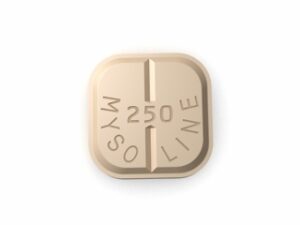
Mirapex (Pramipexole) – Patient Guide (Australia)
Mirapex is a medicine containing pramipexole, used to treat certain movement disorders and the restless legs syndrome (RLS). This guide explains how it works, how it’s commonly taken, important safety information, and what to expect in everyday use.
Always follow the instructions provided by your healthcare professional and the product label. Dosage may vary depending on the condition, your age, kidney function, and how well you tolerate the medicine.
Quick Facts
- Active ingredient: Pramipexole
- Brand examples: Mirapex (and other formulations depending on market availability)
- Medicine class: Dopamine agonist
- Main uses: Parkinson’s disease, restless legs syndrome
- Common forms: Tablets (strengths vary)
- Key considerations: Can cause sleepiness, dizziness, and impulse-control problems; dose adjustments may be needed for reduced kidney function
Basic Product Information
| Category | Details |
|---|---|
| Generic name | Pramipexole |
| Brand name | Mirapex |
| Medicine type | Dopamine receptor agonist (primarily D2/D3) |
| Typical conditions treated | Parkinson’s disease; Restless legs syndrome |
| Important safety notes | May cause drowsiness, dizziness, and changes in behaviour; monitor especially during dose changes and when starting/stopping |
How Mirapex Works (Mechanism of Action)
Pramipexole is a dopamine agonist. It mimics dopamine effects in the brain by stimulating dopamine receptors, particularly the D2 and D3 receptor subtypes.
- Parkinson’s disease: Helps improve motor symptoms such as stiffness, slowness, tremor, and impaired movement by compensating for dopamine deficiency.
- Restless legs syndrome (RLS): Reduces uncomfortable sensations and the urge to move the legs, often by improving dopaminergic signalling and decreasing symptom severity, particularly in the evening/night.
Pharmacokinetics (How the Body Handles the Medicine)
Pharmacokinetics describes how the medicine is absorbed, distributed, metabolised, and eliminated.
- Absorption: Pramipexole is absorbed after oral dosing. How quickly it reaches peak levels can be influenced by individual factors and formulation.
- Distribution: The medicine distributes into body tissues, including the central nervous system.
- Metabolism: Pramipexole has relatively low metabolism compared with some other drugs.
- Elimination: It is primarily cleared by the kidneys. This means kidney function matters for safe dosing.
- Half-life: The duration of action is long enough to allow once or multiple daily dosing depending on the condition and the prescribed regimen.
Key practical implication: If you have impaired kidney function, your prescriber may recommend a lower starting dose or a different titration schedule.
Indications (What It Is Used For)
Mirapex/pramipexole is commonly used for:
- Parkinson’s disease
- Used to manage symptoms of Parkinson’s disease in adults.
- May be used alone (depending on clinical circumstances) or together with other Parkinson’s medicines.
- Restless legs syndrome (RLS)
- Used to treat moderate to severe RLS in adults.
- Particularly helpful when symptoms worsen in the evening or at night.
Typical Timing and How to Take Mirapex
Your exact timing depends on your prescribed schedule and the condition being treated. However, general guidance includes:
- For RLS: Often taken in the evening, typically 1–3 hours before bedtime (or as directed by your prescriber). This targets the period when symptoms are worst.
- For Parkinson’s disease: Dosing is often split across the day to maintain symptom control. Follow your titration and maintenance plan.
Consistency helps: Take it at similar times each day. If you’re unsure about timing, check your label or ask your pharmacist.
Food Interactions and Absorption
Food can influence absorption of some medicines. For pramipexole, the effect of food is generally not dramatic, but individual response can vary.
- General approach: You can usually take pramipexole with or without food, unless your healthcare professional instructs otherwise.
- If you notice nausea or dizziness: Taking your dose with a light meal may help some people.
- Keep dosing stable: Try not to frequently change meal timing relative to doses, as this may affect how symptoms respond.
Tip: If you’re switching from taking it on an empty stomach to after meals (or vice versa), inform your pharmacist so they can help monitor side effects or effectiveness.
Alcohol and Medicine Interactions
Alcohol
Combining pramipexole with alcohol may increase risks of:
- Drowsiness and reduced alertness
- Dizziness and falls
- Impaired judgement
Practical advice: Limit alcohol or avoid it, especially when starting treatment or after dose increases.
Other Medicines (Common Interaction Concerns)
Pramipexole can interact with other medicines that affect the central nervous system or blood pressure.
- Medicines that cause drowsiness/sedation (e.g., some sleeping tablets, opioids, sedating antihistamines): may increase sleepiness and impairment.
- Blood pressure medicines: may increase the likelihood of orthostatic hypotension (light-headedness when standing).
- Other dopamine-related medicines: may require dose adjustments to avoid excessive side effects.
- Antipsychotics and medicines that reduce dopamine activity: may reduce the effectiveness of pramipexole.
Always tell your pharmacist about all medicines you take, including:
- over-the-counter products
- herbal supplements (e.g., sedatives)
- sleep aids
- pain relief medicines
Safety note: Do not start, stop, or change doses of other medicines without advice, especially during dose changes of Mirapex.
Dosing Overview (How Dosing is Usually Structured)
Dosing is tailored to the condition and your tolerance. Many patients start with a gradual dose titration to reduce side effects such as nausea, dizziness, and sleepiness.
Parkinson’s disease (general pattern)
- Starting phase: Low dose, gradually increased at intervals as advised.
- Maintenance phase: Dose adjusted to achieve symptom control with the fewest side effects.
Restless legs syndrome (general pattern)
- Starting phase: Often begins with a low dose taken in the evening.
- Titration: Increased slowly only if symptoms are not adequately controlled.
- Maintenance: The lowest effective dose is typically preferred.
Important: Your prescriber will provide the specific dose and schedule. Do not adjust your dose on your own.
Safety Profile: What to Watch For
Like all medicines, Mirapex can cause side effects. Many are more common during dose increases and may improve over time.
Common side effects
- Dizziness or light-headedness
- Nausea
- Sleepiness or fatigue
- Low blood pressure symptoms, especially when standing
- Headache
- Swelling of the legs/ankles in some people
- Constipation or other gastrointestinal effects
Serious or important side effects (seek medical advice promptly)
- Impulse-control disorders: urges that may include gambling, increased sexual drive, compulsive shopping, binge eating, or other unusual behaviours. Tell your healthcare provider if you or your family notice changes.
- Sudden onset sleep: some people may fall asleep unexpectedly or feel extremely drowsy. Avoid driving and operating machinery if you feel sleepy.
- Hallucinations or confusion: particularly in older adults or those with cognitive impairment.
- Severe dizziness or fainting (possible low blood pressure).
- Worsening of RLS symptoms (see below under “RLS augmentation”).
RLS “augmentation” (important for restless legs)
With long-term treatment, some people experience augmentation, where RLS symptoms:
- start earlier in the day
- become more intense
- may spread to other body parts
If you notice a shift in timing or severity, discuss it with your healthcare professional. Management may include dose adjustments, switching strategies, or other treatments.
Practical Use Tips (Getting the Best Results Safely)
- Start low and go slow: follow titration schedules carefully; side effects are often dose-related.
- Be cautious with driving: if you feel sleepy, dizzy, or “not quite yourself,” avoid driving and call your pharmacist/doctor for advice.
- Stand up slowly: reduce dizziness risk by moving gradually from lying/sitting to standing.
- Keep track of symptoms: for Parkinson’s, note changes in mobility, stiffness, tremor, and “on/off” fluctuations. For RLS, note when symptoms begin and how long they last.
- Monitor behaviour changes: if you notice unusual urges or behaviours, seek prompt medical guidance.
- Don’t stop suddenly without advice: abrupt discontinuation can cause problems. If treatment needs changing, your healthcare professional will advise a safe approach.
- Plan around dose timings: for RLS, evening scheduling is often key—set reminders if needed.
When to Seek Medical Help
Contact your healthcare professional promptly if you experience:
- fainting, severe dizziness, or falls
- new or worsening hallucinations/confusion
- significant mood changes or unusual urges/behaviours
- unexpected excessive sleepiness or falling asleep during usual activities
- rapid swelling, allergic-type reactions, or severe persistent vomiting
Alternative Options (If Mirapex Isn’t Suitable)
Depending on your condition, the best alternatives differ. Your healthcare provider may consider:
Parkinson’s disease alternatives
- Other dopamine agonists (e.g., ropinirole, rotigotine) – similar mechanism, different dosing and tolerability
- Levodopa-based therapies – often used for symptom control
- MAO-B inhibitors or COMT inhibitors (adjunct strategies in some cases)
- Non-medication supports such as physiotherapy and structured exercise plans
Restless legs syndrome alternatives
- Iron treatment if iron deficiency is present or suspected (commonly guided by blood tests)
- Other classes of RLS medicines such as alpha-2-delta ligands (used in selected patients)
- Sleep and lifestyle measures (reducing caffeine, improving sleep routine, gentle leg stretching)
Note: The choice depends on your history, kidney function, risk of side effects, and symptom pattern.
Market and Legal Context for Australia
In Australia, availability and supply of prescription medicines are regulated through the Australian regulatory system. Medicines containing pramipexole are generally treated as medicines requiring appropriate clinical oversight and supply via approved channels.
Online pharmacy supply: Reputable online pharmacies typically require appropriate patient verification and may involve checks to confirm the product is suitable and safe for you. Availability can vary by manufacturer, pack size, and formulation.
Safety and compliance: Australia’s healthcare system emphasises safe dispensing, accurate labelling, and appropriate monitoring for medicines that can cause clinically significant side effects.
Recent Guidance and Ongoing Monitoring (General Trends)
In clinical practice, guidance around dopamine agonists—such as pramipexole—often emphasises:
- careful dose titration and review of tolerability
- monitoring for sleepiness and unexpected sleep episodes
- screening for impulse-control behaviour and mental health changes
- awareness of augmentation in restless legs syndrome
- kidney function assessment to support safe dosing
Because recommendations can evolve, always rely on the most current advice provided by your treating clinician and pharmacist.
Delivery and Availability (Online Pharmacy Notes)
Availability of Mirapex can vary by:
- strength and pack size
- local stock levels
- formulation changes over time
What to expect when ordering online:
- you may be asked to confirm relevant patient details
- orders are typically packed and dispatched with temperature and handling considerations when needed
- delivery times vary by courier and location
Delivery tip: If you take the medicine regularly, order early enough to avoid running out, especially if your dosing schedule depends on evening timing for RLS.
FAQ: Mirapex (Pramipexole)
1) How long does Mirapex take to work?
Some people notice improvement within days, while others may take longer—especially during dose titration. For RLS, symptom relief may be noticed relatively quickly once the appropriate dose and timing are reached. For Parkinson’s disease, effects may also evolve over the titration period.
2) What should I do if I miss a dose?
Take your missed dose only if it is still close to your usual timing and unless your healthcare professional has given different instructions. If it’s nearly time for the next dose, skip the missed one rather than doubling. If you’re unsure, ask your pharmacist or refer to your label instructions.
3) Can I stop Mirapex suddenly?
Do not stop suddenly unless your healthcare professional advises it. Abrupt changes can cause problems. If discontinuation is planned, your clinician will typically guide a gradual approach.
4) Is Mirapex addictive?
Pramipexole is not usually described as “addictive” in the traditional sense. However, it can cause impulse-control problems in some people. Seek medical advice if you notice unusual urges, behaviours, or loss of control.
5) Why do I feel dizzy or light-headed?
Dizziness can occur, particularly when starting treatment or after dose increases. This may relate to blood pressure changes. Stand up slowly and discuss persistent or severe symptoms with your healthcare professional.
6) Can Mirapex cause sleepiness?
Yes. Mirapex can cause sleepiness and fatigue. Some people may fall asleep unexpectedly. Avoid driving or operating machinery if you feel drowsy, especially early in treatment or after dose changes.
7) Will I gain weight?
Weight changes can occur with many neurological conditions and their treatments. Some people experience appetite or weight changes, but this is not universal. If you notice significant changes, discuss them with your healthcare provider.
8) What is RLS augmentation?
Augmentation is when RLS symptoms begin earlier, become more intense, or spread to other body parts after prolonged dopamine agonist use. If your RLS pattern worsens or shifts, contact your healthcare professional to review your treatment plan.
9) Are there lifestyle steps that may help?
Many people find these measures supportive for RLS and general well-being:
- consistent sleep routine
- limiting caffeine and nicotine, especially later in the day
- moderate exercise (avoid overexertion close to bedtime)
- gentle leg stretching or warm baths
10) How do I know if I need a dose adjustment?
Your prescriber may adjust dose if you have kidney impairment, experience side effects, or if symptoms are not controlled. Kidney clearance is important for pramipexole safety, so tell your healthcare professional about kidney issues or changes in test results.
Summary
Mirapex (pramipexole) is a dopamine agonist used to treat Parkinson’s disease and restless legs syndrome. It works by stimulating dopamine receptors to improve movement-related symptoms and reduce uncomfortable RLS sensations. The medicine’s safety depends on proper dose titration, attention to kidney function, and monitoring for key adverse effects such as drowsiness, dizziness, hallucinations, and impulse-control changes.
If you have concerns about side effects, interactions with other medicines, or changes in symptom timing (especially in RLS), speak with your pharmacist or healthcare professional for personalised advice.