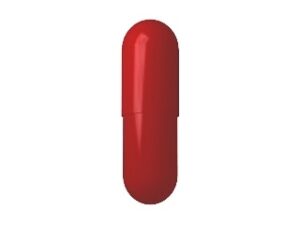
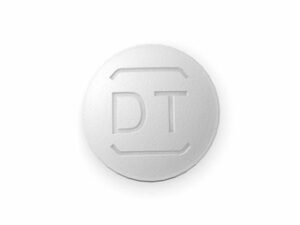
Depakote (Divalproex) – Patient Information (Australia)
Depakote is a medicine containing divalproex, a valproate derivative used to treat several neurological conditions and certain psychiatric conditions. This page explains what Depakote is, how it works, how it’s usually taken, common safety considerations, and practical tips to help you use your medicine more confidently.
Important: This information is for general education. Your doctor or pharmacist may tailor your treatment plan to your situation. Always follow the instructions on your medicine label and any professional advice you’ve been given.
Key product information
| Medicine | Active ingredient | Common formulations (may vary) | How it’s typically supplied |
|---|---|---|---|
| Depakote | Divalproex (valproate) | Delayed-release (e.g., tablets/sprinkles depending on local availability) | Dispensed through Australian pharmacies |
What “delayed-release” means: Many divalproex products are designed to release medicine more slowly in the gut, which can help reduce stomach irritation and smooth blood levels. The exact formulation and timing should match what your prescriber selected.
How Depakote works (mechanism of action)
Divalproex is converted in the body to valproic acid, which affects the brain by changing the balance and activity of nerve signalling. While the full mechanism is complex, key actions include:
- Increasing inhibitory signalling in the brain (especially via enhanced GABA activity).
- Reducing abnormal electrical activity that contributes to seizures.
- Modulating neurotransmission and signalling pathways involved in mood regulation and neuronal stability.
Because of these effects, Depakote can be useful for epilepsy and also for conditions related to mood instability.
Pharmacokinetics (how your body processes it)
Pharmacokinetics describes what the body does to a medicine—absorption, distribution, metabolism, and elimination.
- Absorption: Divalproex is absorbed from the gastrointestinal tract. Delayed-release formulations may reduce peaks and improve tolerability.
- Conversion: Divalproex is converted to valproic acid, the active form.
- Protein binding: Valproate binds partly to blood proteins. In some situations (e.g., liver disease, low albumin, interactions), free drug levels may change.
- Metabolism: Primarily processed by the liver via enzymatic pathways.
- Elimination: Excretion occurs mainly through the kidneys after metabolism.
Why monitoring may occur: Clinicians may check blood levels or liver function tests, especially when starting therapy, changing dose, or when there are safety concerns.
What Depakote is used for (typical use in Australia)
Depakote is used for neurological and psychiatric conditions where valproate-based treatment is appropriate. Common indications may include:
- Epilepsy: For certain types of seizures, including generalised seizures and seizure disorders where valproate is an option.
- Mania associated with bipolar disorder: For treatment of acute manic episodes and prevention of recurrence in some cases (as guided by your clinician).
Availability, brand presentations, and specific approved indications can depend on the product listing and current Australian prescribing information. Ask your pharmacist if you’d like confirmation for your specific brand and strength.
When to take Depakote (timing and dosing schedule)
Your dose and schedule depend on your condition, age, formulation, and other medicines. In general:
- Consistency matters: Take it at the same times each day.
- Delayed-release products: Do not crush or chew unless your formulation instructions specifically allow it.
- If you miss a dose: Take it when you remember unless it’s close to the next dose. Do not take a double dose.
How long it takes to work:
- Seizures: Some people notice improvement within days, but stabilisation can take longer.
- Mood symptoms: Manic symptoms may improve over days to weeks, with full benefit sometimes taking longer.
Food interactions and what to eat
Depakote can generally be taken with or without food, but food may improve tolerance for some people.
- Stomach comfort: If you get nausea or indigestion, taking your dose with a meal or snack may help.
- Avoid sudden major changes: If you’re on nutritional supplements or have significant dietary changes, let your clinician know—your overall health can affect tolerability and monitoring.
Product-specific instructions: Follow the instructions for your exact formulation (tablet vs sprinkles). If you have swallowing difficulties, ask your pharmacist about the appropriate way to take your presentation.
Alcohol and medicine interactions
Alcohol: It’s best to avoid or minimise alcohol while taking Depakote. Alcohol can increase risks such as:
- Increased sedation and dizziness
- Worsening balance or coordination
- Higher risk to the liver, especially with regular or heavy drinking
Medicines that may interact with Depakote: Because Depakote is processed by the liver and can affect blood levels of other medicines, interactions can be clinically important. Tell your pharmacist about all medicines you take, including:
- Other anti-epileptic drugs
- Warfarin or other medicines affecting blood clotting
- Some antidepressants and antipsychotics
- Aspirin/NSAIDs (when relevant to your plan)
- Medicines for migraines, infections, or nausea
- Herbal products (e.g., St John’s wort)
- Any supplements that affect liver enzymes
Action steps:
- Keep an up-to-date list of your medications.
- Check with your pharmacist before starting new products.
- Do not stop or change doses suddenly unless your clinician advises it.
Dosing overview (general guidance)
Dosing is individualized. Your prescriber will choose the dose based on:
- Your diagnosis
- Age and body weight
- Whether you’re using it alone or with other medicines
- Blood test results (e.g., valproate levels) and safety monitoring
- Other health conditions such as liver function
Typical pattern: Many people start with a low dose and increase gradually to reduce side effects and reach an effective level. Doses are often divided across the day for better tolerability.
Important: The exact strength (e.g., mg per tablet) and the number of doses per day depend on your product and regimen. Always follow the schedule on your label.
If you would like, share the dosing directions you’ve been given (without personal identifying details), and your pharmacist can help explain how to interpret them.
Safety profile and important warnings
Like all medicines, Depakote can cause side effects. Some are common and manageable; others are rare but serious and require prompt action.
Common side effects
- Nausea, indigestion
- Headache
- Stomach upset
- Dizziness or drowsiness
- Tremor
- Weight gain
- Temporary changes in appetite
Serious risks (seek urgent medical advice if needed)
Liver problems: Valproate can rarely cause serious liver injury. Risk may be higher in certain groups. Contact a doctor promptly if you notice:
- Yellowing of the eyes/skin (jaundice)
- Severe fatigue or weakness
- Loss of appetite, persistent vomiting
- Right upper belly pain
- Unusual bruising or bleeding
Pancreatitis: Rarely, valproate can cause inflammation of the pancreas. Seek urgent care if you get:
- Severe abdominal pain (often upper abdomen) with vomiting
- Persistent pain or feeling very unwell
Blood and clotting effects: Valproate can affect platelets and other blood cell counts. Report signs such as unusual bruising, bleeding gums, black stools, or prolonged bleeding.
Severe skin reactions (rare): Stop and seek immediate medical help for widespread rash, blistering, or skin peeling.
Severe hyperammonaemia: Symptoms may include confusion, unusual sleepiness, vomiting, or reduced alertness.
Monitoring that may be recommended
- Liver function tests (especially during initiation or dose changes)
- Full blood count to check platelets and other cells
- Valproate blood levels in selected situations (e.g., side effects, non-response, interacting medicines)
Who needs extra caution
- People with a history of liver disease
- Individuals with mitochondrial disorders (where applicable)
- Those taking multiple medicines that may interact
- People with known blood disorders or a history of abnormal blood counts
Practical use tips (to help you succeed on Depakote)
- Take it the same way every day: Keep timing consistent and follow instructions for delayed-release products.
- Don’t stop suddenly: Stopping valproate abruptly can worsen seizures or destabilise mood. If treatment needs to change, this should be guided by your clinician.
- Track side effects: Write down new symptoms, their timing, and severity. This helps your healthcare team adjust the plan.
- Be careful with driving and machines: Dizziness or sleepiness can affect coordination—especially at the start or after a dose increase.
- Hydration and nutrition: Maintain a regular diet and hydration to reduce nausea and support overall health.
- Medication list: Keep a written or app-based list of all medicines and supplements you take.
Alternative treatment options
Depending on your condition, there may be alternatives to Depakote. Alternatives can include other anti-epileptic medicines or other mood-stabilising/psychiatric treatments.
Examples of alternative options may include:
- Other anti-epileptic medicines (chosen based on seizure type and personal factors)
- Other mood stabilisers for bipolar disorder (selected by your clinician)
- Non-pharmacological approaches that complement medication (e.g., counselling, sleep hygiene, trigger management for some seizure types)
Because treatment choice is highly individual, ask your pharmacist or doctor about what alternatives are appropriate for you, including benefits, risks, and how switching would be managed safely.
Australia: market and legal context
In Australia, medicines such as Depakote are regulated under national frameworks and are supplied through licensed pharmacy channels. Depakote is typically listed in Australian medicines databases and is dispensed in accordance with current prescribing and dispensing rules.
Supply and brand availability: Specific strengths and formulations can vary by time, wholesaler stock, and the product listing. Your pharmacist can confirm what’s currently available.
Ongoing safety and guidance: Like other medicines, valproate products may be subject to updates in safety communications and prescribing guidance as new evidence emerges.
Recent guidance and safety communications (general themes)
Across many countries, valproate-containing medicines have received enhanced safety attention, particularly regarding:
- Use in people who can become pregnant and fetal risk considerations
- Requirement for careful benefit–risk assessment and patient counselling
- Monitoring for liver function and blood parameters
- Awareness of drug interactions that may change blood levels
What to do: If any part of this applies to you, discuss it with your healthcare team. Your pharmacist can also check for interaction risk when you fill your prescription or obtain refills.
Delivery and availability in Australia
Depakote is commonly available through Australian pharmacies. Some online pharmacies may offer delivery across Australia, subject to stock availability and local regulations.
- Stock checks: Delivery timelines may depend on whether the exact formulation and strength are held locally.
- Packaging: Medicines are generally supplied in manufacturer packaging with label details.
- Age and identity requirements: Retail processes may include checks to comply with Australian legal requirements.
Tip: If you need delivery by a certain date, contact customer support promptly—stock replenishment can vary.
FAQ (Frequently Asked Questions)
1) What is Depakote used for?
Depakote (divalproex) is used for conditions such as epilepsy and bipolar disorder-related mania, depending on the individual’s diagnosis and suitability of valproate therapy.
2) How quickly does Depakote start working?
For seizures and mood symptoms, some improvement may occur within days, but reaching stable control can take longer—especially as doses are adjusted gradually. If you don’t feel better after the expected start period, speak with your clinician rather than changing your dose yourself.
3) Can I take Depakote with food?
Yes, Depakote can often be taken with or without food. If you get nausea or stomach upset, taking it with a meal may help. Follow the instructions specific to your formulation.
4) Can I drink alcohol while taking Depakote?
It’s generally best to avoid or limit alcohol. Alcohol can increase side effects like dizziness and can add additional strain on the liver. Ask your pharmacist for personalised advice based on your health and other medicines.
5) What should I do if I miss a dose?
Take it when you remember unless it’s near your next scheduled dose. Do not take an extra (double) dose to make up for a missed one. If you’re unsure, contact your pharmacist.
6) What side effects are most common?
Common side effects include nausea, headache, dizziness/drowsiness, tremor, and appetite or weight changes. Many side effects improve as your body adapts, but persistent or severe symptoms should be discussed with a healthcare professional.
7) When should I seek urgent help?
Seek urgent medical attention for warning signs such as jaundice (yellow eyes/skin), severe abdominal pain with vomiting (possible pancreatitis), widespread blistering rash, severe confusion or unusual sleepiness, or signs of significant bleeding/bruising.
8) Why do doctors sometimes monitor blood tests while on Depakote?
Monitoring helps check liver function, blood counts, and sometimes valproate levels. This supports safe dosing and helps detect problems early.
9) Are there medicines or supplements I should avoid?
Some medicines can interact with valproate and change its levels or increase side effects. Tell your pharmacist about all medicines, herbal products, vitamins, and supplements (including “natural” products) before starting or stopping anything.
10) What are safer ways to manage missed doses and side effects at home?
Keep a dosing schedule reminder, use a pill organiser if appropriate, and document side effects (time, severity, and what you ate/drank). Contact your pharmacist for advice rather than adjusting the dose yourself.
Summary
Depakote (divalproex) is a valproate-based medicine used for epilepsy and bipolar disorder-related mania. It works by helping stabilise nerve signalling in the brain. Like all medicines, it requires careful use and attention to safety—particularly regarding liver health, blood counts, and potential interactions. Consistent timing, following formulation instructions, avoiding alcohol (or minimising it), and discussing any concerns promptly with your healthcare team can support safer and more effective treatment.