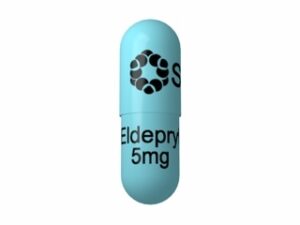
Strattera (Atomoxetine) – Patient Information
Strattera® is a medicine containing atomoxetine, used to treat Attention-Deficit/Hyperactivity Disorder (ADHD) in children, adolescents and adults. It is a non-stimulant option designed to help improve attention, reduce impulsivity and support daily functioning.
This page provides clear, patient-friendly information about how Strattera works, how it is taken, common interactions and safety considerations. It is written for readers in Australia and includes general guidance on availability and ongoing monitoring.
1) Basic product information
- Active ingredient: Atomoxetine
- Brand: Strattera®
- Medicine type: Non-stimulant medicine for ADHD
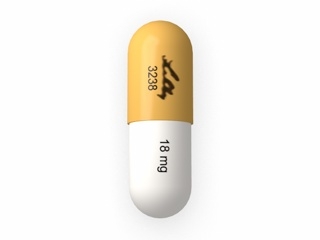
- Form: Capsules in strength options (availability can vary)
- Common dosing schedule: Once or twice daily depending on age and prescriber instructions
- ATC classification (general): N06BA (atomoxetine)
Note: Brand names and capsule strengths may vary depending on the specific product supplied by a pharmacy.
2) What Strattera is used for (Indications)
Strattera is used to treat ADHD in:
- Children and adolescents: Typically from 6 years of age and older
- Adults: For ADHD symptoms
It may be considered when:
- Stimulant medicines are not suitable or not tolerated
- There is a need for a non-stimulant treatment option
- There are concerns about misuse potential (atomoxetine is not a controlled stimulant in most jurisdictions)
3) How Strattera works (Mechanism of action)
Atomoxetine helps treat ADHD by affecting chemicals in the brain involved in attention and behaviour.
- Primary action: Atomoxetine is a selective norepinephrine reuptake inhibitor (NRI).
- Effect: It increases the availability of norepinephrine, which supports signalling in brain circuits involved in attention, impulse control and self-regulation.
- Non-stimulant profile: Because it does not primarily act like stimulant medications, it may be associated with a different side-effect profile and onset pattern.
4) When you can expect results (Timing and onset)
Strattera works gradually. It is not usually an “instant” medicine.
- Early changes: Some people notice improvements within 1–2 weeks.
- More typical response: It often takes several weeks to achieve the full benefit.
- Assessment period: Clinicians generally review response after an appropriate trial at the target dose.
Practical tip: Take Strattera consistently at the same time each day. If you miss a dose, follow the instructions provided with your medicine (or ask a pharmacist for advice).
5) Pharmacokinetics (How your body processes it)
Pharmacokinetics describes what happens to the medicine after you take it.
- Absorption: Atomoxetine is absorbed after oral dosing.
- Distribution: It distributes throughout the body and crosses into the brain where it affects neurotransmission.
- Metabolism: Primarily metabolised by the liver enzyme CYP2D6.
- Elimination: Metabolites are excreted mainly via urine.
- Half-life: The duration of action varies between individuals; overall elimination may be longer in certain people.
Why CYP2D6 matters: Some people are “poor metabolisers” for CYP2D6, which can increase atomoxetine levels and the risk of side effects. Drug interactions that inhibit CYP2D6 can also increase levels.
6) How to take Strattera (Typical dosing and administration)
Dosing is individualised based on age, response and tolerability. A common approach is to start at a lower dose and gradually increase to a target dose.
General dosing approach (adults and children)
While exact dosing should follow your healthcare professional’s instructions, typical strategies include:
- Starting dose: Usually lower to improve tolerability
- Incremental increases: Dose may be increased over days to weeks
- Maintenance: The effective dose is continued, with periodic reviews
Common administration patterns:
- Once daily: Often used for certain schedules
- Twice daily: May be used if symptoms return before the next dose or depending on age and specific guidance
Capsule handling
- Swallow capsules whole with water.
- If you have difficulty swallowing, ask a pharmacist about approved options for your specific product formulation.
- Do not take extra capsules to “make up” for a missed dose unless advised.
Monitoring: Height and weight, blood pressure and heart rate may be monitored periodically, especially in children and adolescents.
7) Food interactions (Can you take it with meals?)
Atomoxetine can generally be taken with or without food. For many people, taking it with food may help reduce stomach upset.
- Consistency helps: Choose a routine (with or without food) and stick to it.
- If nausea occurs: Taking with a meal or snack may improve comfort.
Grapefruit and similar foods: There are no universal grapefruit restrictions for atomoxetine like there are for some other medicines, but interactions can still occur with certain drugs—always check with a pharmacist if you use herbal products or supplements.
8) Alcohol and medicine interactions
Alcohol
It’s best to be cautious with alcohol while taking Strattera.
- Possible effects: Alcohol may worsen dizziness, drowsiness or impair judgement.
- Safety approach: If you choose to drink, do so moderately and assess how you feel on your usual dose. Avoid binge drinking.
Medicines that may interact
Atomoxetine levels and side effects can be influenced by other medicines, especially those affecting CYP2D6.
Tell your pharmacist or doctor about all medicines you take**, including:
- Antidepressants (some can inhibit CYP2D6)
- Some antipsychotics
- Certain antiarrhythmics
- Some migraine medicines
- Strong CYP2D6 inhibitors (for example, some selective antidepressants)
- Other medicines that affect heart rate or blood pressure
Important: Never start, stop or change doses of interacting medicines without professional advice. If a CYP2D6 inhibitor is added, atomoxetine dose adjustments may be needed.
Stimulants and other ADHD treatments
Sometimes ADHD medications are adjusted over time. If you are currently taking other ADHD treatments, discuss with a healthcare professional before combining or switching.
9) Safety profile – common side effects and when to seek help
Like all medicines, Strattera can cause side effects. Many are mild to moderate and improve as your body adjusts.
Common side effects
- Nausea or upset stomach
- Decreased appetite (and sometimes weight loss in some patients)
- Dry mouth
- Headache
- Dizziness
- Sleep changes (including sleepiness or insomnia)
- Fatigue
- Increased sweating
Less common but serious risks
Seek medical advice promptly if you experience any of the following:
- Allergic reaction: swelling of face/lips, rash, breathing difficulties
- Heart-related symptoms: chest pain, fainting, severe palpitations, or a markedly fast/irregular heartbeat
- Severe dizziness or feeling like you may pass out
- Suicidal thoughts or significant mood changes: especially early in treatment or after dose changes
- Signs of liver problems: yellowing of skin/eyes, dark urine, severe fatigue, persistent nausea
- Severe skin reactions or blistering
Children and young people: Extra attention is needed for mood and behaviour changes. Caregivers should monitor closely.
Blood pressure and heart rate
Atomoxetine may affect blood pressure and heart rate. Your clinician may monitor these parameters before and during therapy, especially if you have pre-existing cardiovascular conditions.
10) Practical use tips (How to get the best outcome)
- Take it consistently: Use a daily routine (e.g., morning with breakfast or at the same time each evening).
- Track symptoms: Consider a simple symptom diary for attention, impulsivity, sleep and appetite to discuss with your clinician.
- Monitor appetite and weight: If appetite drops, eat smaller frequent meals and choose nutrient-dense snacks.
- Manage nausea: Taking with food and staying hydrated may help. Report persistent vomiting.
- Sleep hygiene: If it affects sleep, discuss timing adjustments with your pharmacist or clinician.
- Do not stop suddenly: If you plan to discontinue, talk to your healthcare professional about a safe plan.
- Be prepared for gradual benefit: Give it time—early side effects do not always predict long-term benefit.
11) Alternative options for ADHD
ADHD treatment choices differ by age, medical history, symptom profile and side-effect preferences. Alternatives include:
Non-stimulant options
- Guanfacine (where appropriate)
- Clonidine (where appropriate)
- Other non-stimulant strategies may be discussed by clinicians
Stimulant options
- Methylphenidate formulations
- Lisdexamfetamine and other amphetamine-based medicines
Non-medicine approaches
- Behavioural strategies and coaching
- School supports and learning plans
- Sleep and routine adjustments
- Parent/caregiver training and structured therapy
Tip: Many people benefit from a combined approach—medication plus education and behavioural support.
12) Market and legal context in Australia (General guidance)
In Australia, ADHD medicines are regulated under Commonwealth and state/territory medicines frameworks. Atomoxetine-containing products are dispensed according to Australian medicines and pharmacy rules. Requirements may include:
- Supply may be limited to pharmacy dispensing processes
- Pharmacists may need to verify details and maintain appropriate records
- Dose and monitoring typically follow clinical guidance for ADHD
Product availability: Stock levels can vary between pharmacies and over time. If your preferred strength isn’t available immediately, a pharmacy may check substitute options within Australian supply channels.
Recent guidance (general): Australian clinicians commonly follow evidence-based ADHD treatment principles that emphasise careful assessment, monitoring of growth and cardiovascular parameters in young people, and ongoing review of benefit versus side effects.
13) Delivery and availability (Online pharmacy information)
Online pharmacies in Australia may offer delivery options such as standard and express shipping, depending on location and stock availability.
- Check your strength and quantity: Ensure the capsule strength and number of capsules match your intended supply.
- Allow processing time: Orders may require verification prior to dispatch.
- Packaging: Medicines are typically packed discreetly and securely.
- Temperature considerations: Follow storage instructions on the product label.
Availability can vary: If Strattera is temporarily out of stock, your pharmacy may provide an estimated restock date or discuss options.
14) Storage
- Store capsules below 25°C unless the label states otherwise.
- Keep in the original package to protect from moisture.
- Keep out of reach of children.
If you are unsure about storage for your specific pack, consult the product label or ask a pharmacist.
15) FAQ – Strattera (Atomoxetine)
1) Is Strattera a stimulant?
No. Strattera (atomoxetine) is a non-stimulant ADHD medicine. It works differently from stimulant medicines commonly used for ADHD.
2) How long does Strattera take to work?
Some people notice changes within 1–2 weeks, but fuller benefit often takes several weeks. Response varies between individuals.
3) Should I take it in the morning or evening?
Many people start with a morning routine, but timing depends on side effects like sleepiness or insomnia. Your healthcare professional’s advice and your response will guide the best schedule.
4) Can I take Strattera with food?
Yes. Atomoxetine can generally be taken with or without food. If you experience nausea, taking with food may help.
5) What if I miss a dose?
Check the instructions provided with your medicine or ask your pharmacist. In general, it’s usually preferable not to double up to make up for a missed dose.
6) Can I drink alcohol?
You should be cautious. Alcohol can worsen dizziness, drowsiness and judgement. If you drink, do so moderately and monitor how you feel. Avoid binge drinking.
7) What medicines should I avoid?
Some medicines can increase atomoxetine levels or affect heart rate/blood pressure. Tell your pharmacist about all prescriptions, over-the-counter products and supplements—especially medicines known to affect CYP2D6.
8) Are there warning signs I should watch for?
Yes. Seek urgent medical advice for symptoms such as allergic reactions, chest pain, fainting, severe palpitations, signs of liver problems (yellowing, dark urine), severe skin reactions, or significant mood changes.
9) Will Strattera affect appetite and weight?
It can. Decreased appetite is a common side effect. Children and adolescents should have growth monitored during treatment.
10) What are practical tips to improve comfort?
Taking it consistently at the same time, considering food to reduce nausea, maintaining hydration, and tracking sleep/appetite changes can all help. Discuss persistent side effects early.
Summary
Strattera (atomoxetine) is a non-stimulant medicine used to treat ADHD. It works by increasing norepinephrine signalling in the brain, helping improve attention and impulse control over time. Because benefit typically develops gradually, consistent daily dosing and ongoing monitoring are key. Be mindful of potential interactions—particularly medicines that affect CYP2D6—and watch for side effects involving mood, appetite, heart rate and blood pressure. With appropriate follow-up and supportive strategies, many people find Strattera helps them manage ADHD symptoms more effectively.
At-a-glance information
| Topic | What to know |
|---|---|
| Use | Treatment of ADHD in children, adolescents and adults |
| Type | Non-stimulant selective norepinephrine reuptake inhibitor (NRI) |
| Onset | May start improving within 1–2 weeks; full benefit often takes several weeks |
| Food | Usually with or without food; food may reduce nausea for some people |
| Alcohol | Use caution; alcohol can worsen dizziness/drowsiness and impair judgement |
| Key interactions | Medicines affecting CYP2D6 may raise atomoxetine levels; medicines affecting blood pressure/heart rate may also be relevant |
| Monitoring | Often includes appetite/weight and cardiovascular parameters (blood pressure and heart rate) |
| Safety | Seek help for allergic reactions, serious heart symptoms, severe mood changes, liver issues or severe skin reactions |