
Atomoxetine (Strattera® and other brands) — Patient Information for Australia
Atomoxetine is a medicine commonly used to treat attention-deficit/hyperactivity disorder (ADHD) in children, adolescents, and adults. This page explains how atomoxetine works, how it is used, what to expect, key safety considerations, and practical tips for day-to-day use in Australia.
| Topic | Summary |
|---|---|
| Generic name | Atomoxetine |
| Common use | ADHD (children, adolescents, adults) |
| How it works | Selective norepinephrine reuptake inhibitor |
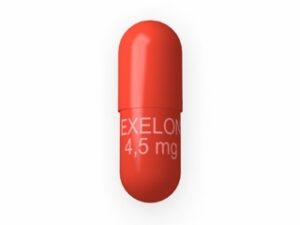
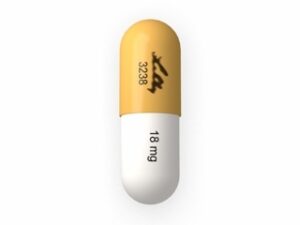
| Form | Capsules (various strengths), usually taken once or twice daily |
| Onset | May take 2–4 weeks (sometimes longer) for full benefits |
| Common side effects | Nausea, decreased appetite, sleep changes, dizziness, dry mouth |
| Key cautions | Allergic reactions, liver issues, mood/behaviour changes, blood pressure/heart rate changes |
Basic product information
Atomoxetine is a non-stimulant medication for ADHD. Unlike stimulant medicines, it does not act primarily by increasing dopamine and does not carry the same stimulant-related abuse potential. It is used when ongoing ADHD symptom control is needed and when non-stimulant options are appropriate.
In Australia, atomoxetine may be supplied under brand names such as Strattera® and may also be available as generic atomoxetine depending on market supply. Your pharmacist can confirm the specific brand and strength available.
How atomoxetine works (mechanism of action)
Atomoxetine is a selective norepinephrine reuptake inhibitor (NRI). It works by blocking the transporter responsible for reabsorbing norepinephrine in the brain. Norepinephrine plays an important role in attention, impulse control, and executive functioning.
By increasing norepinephrine signalling (in a targeted way), atomoxetine can help reduce core ADHD symptoms such as:
- Inattention (difficulty focusing, distractibility)
- Hyperactivity (restlessness)
- Impulsivity (acting without thinking, interrupting)
Pharmacokinetics: how the body absorbs, processes, and clears it
Pharmacokinetics describes what the body does to a medicine over time. Understanding these features can help explain timing, dose frequency, and interactions.
Absorption
Atomoxetine is absorbed after oral dosing. The medicine reaches peak blood levels (maximum concentration) after a period that varies by individual. In general, taking it consistently at the same time each day supports stable symptom control.
Distribution
Atomoxetine distributes into body tissues and has a measurable presence in the bloodstream that contributes to its therapeutic effect.
Metabolism
Atomoxetine is mainly metabolised by the liver enzyme system, particularly CYP2D6. Some people have genetic differences that make them “poor metabolisers” or “ultra-rapid metabolisers,” which can affect blood levels and side effect risk.
Elimination
Atomoxetine is cleared from the body over time, with a terminal half-life that supports daily dosing. The pattern of clearance helps explain why effects build gradually rather than instantly.
What this means for you
- Consistency matters: take your doses at the same times each day.
- If dose adjustments are made, benefits and side effects may evolve over several weeks.
- Tell your pharmacist about other medicines that affect liver enzymes (see “Alcohol and medicine interactions”).
Typical use and indications
Atomoxetine is indicated for treatment of ADHD. It may be considered for:
- Children and adolescents with ADHD
- Adults with ADHD
Atomoxetine can also be considered when stimulant medicines are not suitable due to side effects, concerns about misuse, or comorbid conditions—your healthcare team will advise on the best fit.
When to expect results (timing)
Unlike some fast-acting ADHD medicines, atomoxetine typically requires time to reach full benefit. Many people notice early improvements within the first couple of weeks, but full effect can take longer.
- First weeks: some improvement in attention or impulsivity may occur.
- 2–4 weeks: a more noticeable change for many people.
- Up to several weeks (sometimes longer): maximum benefit may be reached after dose optimisation.
If you miss a dose, do not try to “catch up” with extra capsules. Instead, follow the dosing schedule provided by your healthcare professional or the medicine label.
Dosing: general principles
Dosing is individualised based on age, body weight (in children), clinical response, and tolerability. Always follow the dosing instructions on your product label and the plan provided by your healthcare team.
Common dosing approach
Atomoxetine is often started at a lower dose and gradually increased (“titrated”) to reduce side effects. Typical schedules may involve once-daily or twice-daily dosing depending on the formulation and patient needs.
Once-daily vs twice-daily dosing
- Once daily: may be used for smoother routine and convenience.
- Twice daily: may help cover morning and afternoon/evening symptoms.
For some people, the timing of the last dose can influence sleep quality (see next section).
Missed dose
If you miss a dose, take it when you remember unless it is close to the next dose. Do not double doses to make up for a missed one. If unsure, ask your pharmacist for advice.
Food interactions and what to take with meals
Atomoxetine may be taken with or without food. Food can sometimes reduce stomach upset for some people. Consistency is helpful: choose a method that you can maintain daily.
- If you get nausea: consider taking atomoxetine with a meal.
- If it affects sleep: avoid taking later in the day unless advised.
Alcohol and medicine interactions
Alcohol
Drinking alcohol while taking atomoxetine is not specifically described as a universal “must avoid” in all cases, but it is wise to be cautious. Alcohol can worsen sleep, mood, dizziness, and concentration—symptoms that ADHD treatment may be trying to improve. If you drink alcohol, keep it moderate and observe how you feel.
Seek urgent medical advice if you develop severe drowsiness, fainting, chest pain, or signs of serious allergic reaction.
Important medicine interactions
Atomoxetine’s metabolism via CYP2D6 means some medicines can raise or lower atomoxetine levels. This can increase side effects or reduce effectiveness. Tell your pharmacist about all medicines and supplements you take, including over-the-counter products.
Medicines that may increase atomoxetine levels
- Some antidepressants (for example, certain SSRIs/MAO-related interactions depending on the specific medicine)
- Some antipsychotics
- Some antiarrhythmics and other CYP2D6-influencing drugs
- Strong CYP2D6 inhibitors in general may increase exposure
Medicines that may affect blood pressure/heart rate
Atomoxetine can influence heart rate and blood pressure. Use caution when combined with other medicines or substances that also affect these parameters, such as:
- Decongestants containing sympathomimetics
- Certain migraine treatments
- Some stimulant medications or caffeine in high doses
Other ADHD medicines
If you are transitioning between ADHD treatments, your prescriber may adjust schedules carefully. Atomoxetine is sometimes used alone, but if combination therapy is considered, close monitoring is important.
Herbal products and supplements
Herbal supplements can also interact with prescription medicines. For example, products marketed for mood or concentration may affect liver enzymes or neurotransmitter pathways. Ask your pharmacist before starting new supplements.
Safety profile: what to know before and during treatment
Like all medicines, atomoxetine can cause side effects. Many are mild and manageable, but some require prompt medical attention. If you are concerned about any symptom, contact a healthcare professional.
Common side effects
- Gastrointestinal: nausea, decreased appetite, stomach discomfort
- Sleep: insomnia or sleep disturbance (some people feel drowsy instead)
- Neurological: headache, dizziness
- Other: dry mouth, fatigue
These may be more noticeable during the first few weeks, particularly after starting or increasing dose. Taking the medicine with food and adjusting dosing time can help for some people.
Serious but less common risks
Seek urgent medical help if you notice signs of serious reactions listed below:
- Allergic reaction: rash, swelling of face/lips, difficulty breathing
- Liver problems: yellowing of eyes/skin (jaundice), dark urine, severe fatigue, right upper abdominal pain
- Mood or behaviour changes: agitation, unusual behaviour, worsening depression, or thoughts of self-harm
- Cardiovascular symptoms: fainting, severe dizziness, chest pain, very fast or irregular heartbeat
- Severe changes in blood pressure: persistent headache, vision changes, or severe light-headedness
Monitoring during treatment
Many clinicians monitor:
- Symptom response (attention, impulsivity, functioning at school/work)
- Weight and appetite (especially in children)
- Blood pressure and pulse
- Sleep patterns and mental wellbeing
- Any signs of liver issues if symptoms occur
Special populations
- Children and adolescents: monitor growth, weight, appetite, and emotional changes.
- Adults: monitor blood pressure, mood, and overall tolerability.
- Liver impairment: dose and monitoring may need adjustment.
- Genetic differences (CYP2D6 status): may affect drug levels and side effects.
Practical use tips (making atomoxetine work for you)
1) Take it at the same time daily
Consistent timing supports steadier drug levels and reduces the chance of missed doses. If you are sensitive to sleep changes, taking it earlier in the day may help—ask your pharmacist for personalised timing advice.
2) Manage nausea and appetite changes
- Consider taking atomoxetine with food if your stomach is sensitive.
- Eat small, nutritious meals and snacks.
- Monitor weight (and in children, growth) during the first months.
3) Track symptoms and side effects
Keeping a simple daily log can help you and your healthcare team judge progress. Record:
- Focus/attention level
- Impulsivity or restlessness
- Sleep quality
- Any side effects (nausea, headache, mood changes)
4) Be careful with high caffeine intake
Caffeine may increase jitteriness, anxiety, or sleep problems in some people. If you notice these effects, reducing caffeine may improve comfort while on atomoxetine.
5) Do not stop suddenly without advice
If you want to stop or change treatment, discuss it with your healthcare professional. A gradual plan may be used to reduce the chance of symptom rebound or withdrawal-like discomfort.
Alternative options for ADHD (non-atomoxetine choices)
ADHD treatment is individual. Depending on your needs, healthcare history, and preferences, alternatives may include:
- Stimulant medicines (often first-line for many people due to strong symptom control for many patients)
- Other non-stimulant options (depending on local availability and clinical appropriateness)
- Behavioural therapy and skills-based interventions (especially for children)
- Educational and workplace supports (routines, coaching, organisational strategies)
If atomoxetine isn’t producing enough benefit or causes unwanted side effects, your prescriber may consider switching to another medicine or a combined plan. Never change treatment without professional guidance.
Atomoxetine in the Australian market and legal context
In Australia, medicines are regulated under the Therapeutic Goods Administration (TGA). ADHD medicines are available through the regulated supply chain and are distributed by licensed wholesalers and pharmacies.
Availability can vary by brand, strength, and manufacturing/import cycles. Your pharmacy can confirm current stock and expected delivery times.
Recent guidance and updates (general themes)
In recent years, guidance across multiple regions has emphasised:
- Careful diagnostic assessment of ADHD
- Baseline screening for cardiovascular risk and mental health status
- Ongoing monitoring for side effects, appetite/weight, and emotional wellbeing
- Individualised dose titration and periodic review of effectiveness
For the most up-to-date Australian recommendations, your pharmacist can direct you to reliable resources such as local health authority materials and current prescriber information.
Delivery and availability (online pharmacy experience in Australia)
Availability of atomoxetine depends on the brand and strength you need. Our online pharmacy aims to provide:
- Clear product details (strength, dosage form, brand)
- Realistic delivery estimates based on stock status
- Secure packaging to protect capsules
Typical delivery times vary by location and whether the item is in-stock. If stock is limited, we may offer alternatives such as different strengths or brands if clinically appropriate.
If you need assistance selecting the correct strength or want to confirm compatibility with your current routine, contact our pharmacy team.
Frequently asked questions (FAQ)
1) Is atomoxetine a stimulant?
No. Atomoxetine is a non-stimulant ADHD medicine. It works differently from stimulant medicines and is not expected to act immediately.
2) How long does it take to work?
Many people begin to notice improvement within the first few weeks, but full benefits often take 2–4 weeks or longer, especially after dose changes.
3) Can I take atomoxetine with food?
Yes. Atomoxetine can be taken with or without food. If you experience nausea, taking it with a meal may help.
4) Will atomoxetine affect my sleep?
It can. Some people experience insomnia or sleep disturbance, while others feel tired. If sleep becomes an issue, talk to your pharmacist or prescriber about adjusting dosing time.
5) What should I do if I miss a dose?
Take it when you remember unless it is near your next scheduled dose. Do not double up. If unsure, ask your pharmacist.
6) Are there foods or drinks I should avoid?
There are no specific food exclusions for most people. However, consider limiting alcohol and high caffeine, as they can worsen sleep, mood, and concentration for some individuals.
7) What are the warning signs that mean I should seek urgent help?
Seek urgent medical help for signs of allergic reaction (swelling, rash, trouble breathing), possible liver problems (jaundice, dark urine), severe mood changes, or significant heart symptoms (fainting, chest pain, severe dizziness).
8) Can atomoxetine be used long-term?
ADHD is often a long-term condition. Atomoxetine may be used for extended periods when it is effective and well tolerated, with periodic review of benefit and side effects.
9) Does atomoxetine interact with other medicines?
Yes. Because it is metabolised through CYP2D6, some antidepressants, antipsychotics, and other medicines may raise atomoxetine levels. It can also affect blood pressure and heart rate. Always review your full list of medicines with your pharmacist.
10) What about children and appetite?
Decreased appetite can occur. Clinicians commonly monitor weight and growth in children and adolescents, especially during the early phase or after dose changes.
Need help choosing or using atomoxetine?
If you have questions about timing, side effect management, or how atomoxetine fits with your current medication list, speak with a qualified pharmacist. We can help you understand product details, safe administration, and practical steps to support treatment success.
Note: This information is provided for general education and should not replace advice from a healthcare professional. If you experience severe or concerning symptoms, seek medical help promptly.