Dexilant® (Dexlansoprazole) — Patient Guide (Australia)
Dexilant® is a medicine used to treat conditions caused by excess stomach acid. This guide explains how Dexilant works, how to take it, what to expect, and important safety information. It is written for patients in Australia and aims to be clear and practical.
1. Basic product information
| Item | Details |
|---|---|
| Medicine name | Dexilant® |
| Active ingredient | Dexlansoprazole |
| Medicine type | Proton pump inhibitor (PPI) |
| How it works | Reduces stomach acid production |
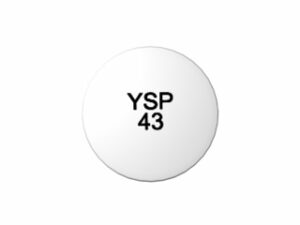
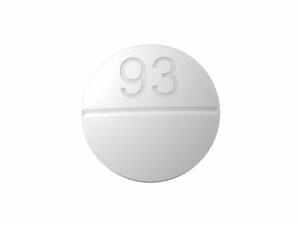
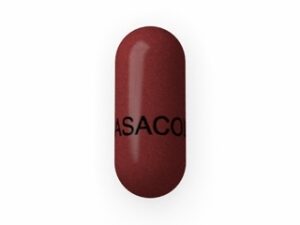
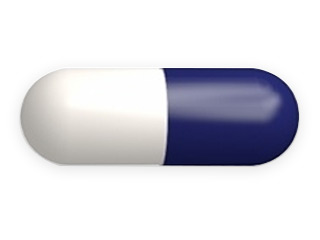
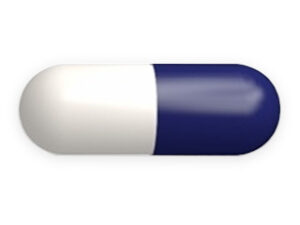
| Common strengths | Dexilant is available in capsule strengths (commonly 30 mg and 60 mg, depending on product listing) |
| How it is taken | Oral capsules, usually once daily |
Branding note: In Australia, medicines may be listed under brand names and strengths on pharmacy platforms. Always confirm the exact product strength you have received.
2. How Dexilant works (mechanism of action)
Dexilant belongs to a class of medicines called proton pump inhibitors (PPIs). PPIs work by targeting the “proton pump” system in the stomach lining that produces acid.
More specifically, dexlansoprazole is converted into its active form inside acid-producing cells. It then helps block the final step of acid secretion, leading to a reduction in both the amount and the level of stomach acid.
Dexilant is designed with a technology that can provide extended acid control over the day, which is particularly helpful for conditions such as reflux (gastro-oesophageal reflux disease, GORD).
3. Pharmacokinetics (how the body processes it)
“Pharmacokinetics” describes what happens to the medicine in the body: absorption, distribution, metabolism, and elimination.
- Absorption: Dexilansoprazole is absorbed after you take it by mouth. Dexilant’s formulation is designed for delayed and extended drug release.
- Onset and duration: Because of its dual-release design, acid suppression typically lasts through the day and into the evening/night period—important for reflux symptoms that occur at different times.
- Metabolism: The medicine is metabolised mainly in the liver by enzyme systems.
- Elimination: Metabolites are removed from the body, largely via non-active pathways (for example through urine/bile), rather than intact active medicine.
Individual response varies. Some people feel improvement within days, while healing of the oesophagus (if inflamed) can take longer.
4. Typical uses in Australia
Dexilant is used to treat acid-related digestive conditions, most commonly:
- Gastro-oesophageal reflux disease (GORD): including symptoms such as heartburn, acid regurgitation, and burning discomfort.
- Oesophagitis: inflammation of the oesophagus caused by reflux (healing and maintenance of healing may be required depending on the severity and clinician advice).
- Long-term control of reflux symptoms for people who require continued acid reduction.
Dexilant is intended to reduce acid to allow irritated tissue to heal and to relieve symptoms. It is not an immediate “antacid” and does not work like chewable tablets.
5. Indications: who might be considered for treatment
Dexilant is generally used when reflux symptoms and/or inflammation are related to stomach acid. Clinicians may consider PPIs when symptoms persist, recur, or significantly affect daily life.
Common symptoms that may be helped by Dexilant:
- Heartburn
- Acid regurgitation (sour taste rising into the throat)
- Burning in the chest
- Difficulty swallowing or painful swallowing (this may indicate oesophagitis)
- Chronic cough, hoarseness, or throat irritation linked to reflux
If you have alarm features such as unintended weight loss, vomiting blood, black stools, trouble swallowing that is new or worsening, or persistent severe symptoms—seek urgent medical assessment.
6. Dosing and timing (how to take Dexilant)
Dosage can vary depending on the condition being treated, severity, and individual factors. Always follow the directions on the package label and the advice provided by a healthcare professional.
Common dosing approach
- Once daily dosing is typical for Dexilant.
- Strength may be different for symptom control versus healing phases (commonly 30 mg or 60 mg in available products).
When to take it
Dexilant can be taken at any time of day, but consistent timing helps. Some people find that taking it at the same time each day improves routine.
- For best results: Take Dexilant with a full glass of water.
- Do not crush or open capsules unless the product instructions specifically allow it. Swallow whole.
- If you miss a dose, take it when you remember unless it is close to the time for your next dose. Do not take a double dose to make up for missed doses.
How soon will it work?
Many patients notice symptom improvement within a few days. However, reflux-related inflammation and healing of the oesophagus may take longer—sometimes weeks. If symptoms do not improve, continue treatment as directed and discuss next steps with your pharmacist or clinician.
7. Food interactions and practical eating tips
PPIs are affected by meal timing for some formulations, but Dexilant’s extended-release design allows for flexibility compared with certain other PPIs. Practical guidance is still important:
- Take with or without food: Dexilant is generally taken in a way that can be compatible with meals. Follow the exact instructions for your specific product.
- Avoid late heavy meals: If you have night-time reflux, reducing late-night eating may improve control (even when medicine is taken correctly).
- Keep consistent: Try to take Dexilant consistently relative to meals to reduce variability in symptom control.
Food does not replace medication. Lifestyle measures commonly complement PPIs and improve outcomes.
8. Alcohol and medicine interactions
Alcohol
Alcohol can worsen reflux symptoms in some people by relaxing the lower oesophageal sphincter, increasing irritation, and stimulating acid production. If you notice heartburn after alcohol, consider reducing or avoiding alcohol—especially in the evening.
Interactions with other medicines
Like other PPIs, Dexilant changes stomach acidity, which can affect how some medicines dissolve, are absorbed, or work. Interactions can be clinically important.
Tell your pharmacist or clinician about all medicines you take, including:
- Prescription medicines
- Over-the-counter products
- Herbal products and supplements
- Antacids and alginate products
Examples of interaction considerations (not a complete list):
- Medicines affected by stomach pH: Some medicines require an acidic environment for absorption. Dexilant may reduce absorption and therefore reduce effect.
- Medicines metabolised by liver enzymes: Dexilansoprazole is metabolised by specific pathways; other medicines that strongly affect these pathways may change Dexilant levels.
- Long-term risk interactions: Using PPIs long-term may be associated with lower absorption of certain nutrients in some people (discuss with your clinician if you have risk factors).
If you take medicines for conditions such as blood clot prevention, HIV, fungal infections, or epilepsy, ask your pharmacist whether any additional spacing or monitoring is needed.
9. Safety profile: what to know
Common side effects
Many people tolerate Dexilant well. Side effects can occur, but not everyone experiences them. Commonly reported side effects may include:
- Headache
- Stomach discomfort
- Nausea
- Diarrhoea or constipation
- Flatulence
Serious side effects (seek urgent medical advice)
Stop taking Dexilant and seek prompt medical advice if you develop:
- Allergic reaction signs such as swelling of face/lips, severe rash, or difficulty breathing
- Severe or persistent diarrhoea, especially with fever or blood
- Unexplained bruising or bleeding
- New or worsening difficulty swallowing, chest pain, or vomiting blood
Long-term considerations for PPIs
PPIs may be used for appropriate durations, and some people need long-term therapy under clinician guidance. Long-term use can be associated with increased risk of certain complications in some individuals, such as:
- Low magnesium levels
- Vitamin and mineral absorption changes (for example vitamin B12, iron)
- Increased risk of certain gastrointestinal infections
- Bone fracture risk in people with additional risk factors
If you are using Dexilant for many months, discuss with your clinician whether periodic review, dose optimisation, or lifestyle changes are appropriate.
10. Practical use tips (getting the best results)
- Take it regularly: PPIs work best when used consistently, not only when symptoms flare.
- Give it time: If symptoms have been frequent, it may take several days to feel clear improvement. Healing can take longer.
-
Use lifestyle support:
- Avoid lying down for 2–3 hours after meals
- Try smaller meals if you feel overly full
- Identify personal triggers (spicy foods, fatty meals, caffeine, chocolate, peppermint)
- Elevate the head of your bed if night reflux is a major problem
- Do not overuse “extra” acid relief: If you also use antacids or alginates, follow the product instructions. Your pharmacist can help you create a simple plan.
- Check other medications: If you take multiple tablets, ask your pharmacist about spacing if needed.
- Review with a professional: If you need a PPI continuously, arrange regular review.
11. Alternative options
Alternatives depend on the diagnosis, symptom frequency, and individual risk factors. Options may include:
- Other PPIs: such as omeprazole, esomeprazole, pantoprazole, or lansoprazole.
- H2-receptor antagonists (H2 blockers): like famotidine, useful for some mild or intermittent symptoms.
- Antacids and alginate products: for fast, short-term symptom relief (often used “as needed”).
- Lifestyle and behavioural strategies: meal timing, trigger avoidance, weight management, and bed elevation.
- Further evaluation: If symptoms persist despite appropriate therapy, your clinician may investigate other causes.
If you are considering switching from one acid medicine to another, it is best done with guidance to maintain control and avoid rebound symptoms.
12. Market and legal context for Australia
In Australia, medicines are regulated by the Therapeutic Goods Administration (TGA). Availability on pharmacy platforms depends on product registration, listing status, and whether a medicine is supplied with pharmacist involvement.
For online purchasing, legitimate Australian pharmacy services require appropriate customer information and adherence to supply rules. Always use reputable sellers and ensure you receive the correct product strength and instructions for use.
If you are unsure whether Dexilant is suitable for you, consult a pharmacist. They can help consider your medical history and other medicines for possible interactions.
13. Recent guidance (what to consider for current care)
Clinical guidance for GORD and PPI use generally emphasises:
- Use the lowest effective dose that controls symptoms.
- Regular review of ongoing need, especially for long-term therapy.
- Lifestyle measures alongside medicines (meal timing, avoiding triggers, weight management).
- Seek medical assessment if symptoms are not improving, or if there are alarm features.
- Awareness of potential risks of prolonged PPI therapy and nutrition/micronutrient considerations in at-risk patients.
Guidance can evolve. For personal recommendations, consult your pharmacist or clinician.
14. Delivery and availability (online pharmacy notes)
Availability of Dexilant on Australian online pharmacy platforms can vary by strength and current stock levels. Delivery times depend on location and shipping service selected at checkout.
- Packaging: medicines are usually supplied in manufacturer packaging with labels and consumer information.
- Storage: store at room temperature unless the label instructs otherwise; keep out of reach of children.
- Check your order: confirm the strength and expiry date on arrival.
If you experience delivery issues, contact the pharmacy’s customer service promptly.
15. Dexilant FAQ
1) Is Dexilant an antacid?
No. Dexilant is a proton pump inhibitor that reduces acid production. It is not designed for instant relief like antacids or alginate products. Many people notice improvement within days.
2) How long does it take to start working?
Some symptom relief may occur within a few days. Healing of reflux-related inflammation can take longer. If symptoms persist, discuss options with your pharmacist or clinician.
3) Can I take Dexilant with food?
Dexilant’s use is generally compatible with food, but follow the instructions provided with your specific product. Consistency in your routine often helps.
4) What if I miss a dose?
Take it when you remember unless it is close to your next dose. Do not take a double dose to make up for a missed one.
5) Can I drink alcohol while taking Dexilant?
Alcohol may worsen reflux symptoms for some people. If you notice symptoms after alcohol, it’s best to reduce or avoid it, particularly in the evening.
6) Are there medicine interactions I should be aware of?
Yes. PPIs can interact with some medicines due to changes in stomach acidity and liver metabolism. Inform your pharmacist about all medicines and supplements you take.
7) Can I take Dexilant long-term?
Some people require longer-term acid control. Long-term use should be periodically reviewed with a clinician to confirm it is still needed and to use the lowest effective dose.
8) What side effects are most common?
Common effects may include headache, nausea, stomach discomfort, and changes in bowel habits such as diarrhoea or constipation. If you experience severe or worrying symptoms, seek medical advice.
9) Who should be extra cautious?
People with severe liver disease, pregnancy/breastfeeding circumstances, those taking multiple medications, or those with a history of low magnesium or vitamin deficiencies should discuss suitability and monitoring with a pharmacist or clinician.
10) When should I seek urgent medical care?
Seek urgent help if you have signs of allergic reaction, vomiting blood, black stools, severe chest pain, persistent vomiting, or symptoms like new/worsening difficulty swallowing with weight loss.
Important: This information is general and cannot replace advice from a healthcare professional. Always read the consumer medicine information supplied with Dexilant and follow the directions on your product label.