
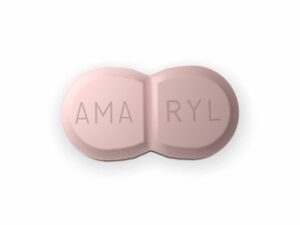
Glimepiride (Glimepiride Tablets) – Patient-Friendly Guide (Australia)
Glimepiride is a medicine commonly used in the management of type 2 diabetes mellitus. It belongs to the class of medicines called sulfonylureas, which help lower blood glucose levels by stimulating the pancreas to release insulin.
This guide explains how glimepiride works, how it’s typically taken, what to watch for, and practical tips for safer, more effective use in everyday life in Australia. Always follow the advice of your healthcare professional.
Quick Product Information
| Topic | Details |
|---|---|
| Generic name | Glimepiride |
| Medicine type | Oral antidiabetic (sulfonylurea) |
| Common form | Tablets (strengths may vary by product) |
| Typical use | Type 2 diabetes to improve blood glucose control |
| Main benefit | Helps reduce blood sugar, particularly after meals and between meals |
| Key safety concern | Low blood sugar (hypoglycaemia), especially when meals are missed |
| How it’s taken | Usually once daily with the first main meal (or as directed) |
How Glimepiride Works (Mechanism of Action)
Glimepiride belongs to the sulfonylurea class. It lowers blood glucose mainly by:
- Stimulating insulin release from the pancreatic beta cells.
- Acting on ATP-sensitive potassium channels in the pancreas, which helps trigger insulin secretion.
Because glimepiride works by increasing insulin levels, it can sometimes cause blood glucose to drop too low, particularly if you:
- Skip meals or eat less than usual
- Exercise more than planned
- Take alcohol
- Use other diabetes medicines that also lower glucose
Pharmacokinetics (How the Body Handles It)
Pharmacokinetics describes how the body absorbs, distributes, metabolises, and eliminates glimepiride.
- Absorption: Glimepiride is absorbed after oral dosing. Food may slightly affect the rate, which is why it’s typically taken with a meal.
- Distribution: It distributes into body tissues and binds to plasma proteins.
- Metabolism: It is metabolised mainly in the liver to metabolites.
- Elimination: Metabolites are eliminated via urine and faeces.
- Onset and duration: Blood sugar-lowering effects occur within hours and can last roughly across the day, supporting once-daily dosing for many patients.
Your prescriber may adjust dose based on your blood glucose results and any changes in kidney or liver function.
Typical Use and Indications (When It’s Prescribed)
Glimepiride is used to treat type 2 diabetes, often when blood glucose is not adequately controlled by diet, exercise, weight management, and/or other diabetes medicines.
It may be used:
- As monotherapy (alone) when appropriate
- In combination with other diabetes medicines (for example, metformin or other oral agents), depending on your individual treatment plan
In Australia, ongoing diabetes management typically includes lifestyle measures and regular monitoring (such as HbA1c and blood glucose checks), tailored to each patient’s risk factors and preferences.
Timing and How to Take Glimepiride
Common dosing approach: Glimepiride is usually taken with the first main meal of the day (for example, breakfast or the first substantial meal). The goal is to align medicine timing with food intake, which can reduce the risk of low blood sugar.
- Take it at the same time each day to maintain consistent blood levels.
- Do not skip meals after taking glimepiride.
- If you miss a dose, take it only if you can do so safely within the same day and as advised by your clinician/pharmacist. Avoid taking extra doses to “catch up”.
If you have variable meal times, shift-work, or irregular eating patterns, discuss this with your healthcare professional. Glimepiride dosing may need careful planning to reduce hypoglycaemia risk.
Food Interactions (Including Meal Timing)
Food plays an important role in safely using glimepiride because insulin release can continue even if you eat less. Key points:
- Take with a meal: Taking glimepiride with the first main meal helps reduce the likelihood of hypoglycaemia.
- Don’t skip meals: Missing meals increases low blood sugar risk.
- Consistent carbohydrate intake: Large changes in meal size or carbohydrate content can affect glucose control.
- During illness or reduced intake: If you’re eating significantly less than usual, you may need glucose monitoring and possible dose adjustments (seek medical advice).
There are no special “forbidden” foods for glimepiride in general. However, your overall diet plan for diabetes remains essential.
Alcohol and Medicine Interactions
Alcohol
Alcohol can increase the risk of hypoglycaemia with sulfonylureas and may also worsen control of blood glucose.
- Limit or avoid alcohol unless your clinician says otherwise.
- Alcohol may lower glucose hours after drinking, particularly if food intake is reduced.
- If you choose to drink, do so with food and monitor your blood glucose more often.
Common medicine interaction considerations
Many medicines can influence blood sugar or the way glimepiride is processed in the body. Interactions vary by individual therapy, but common interaction themes include:
- Medicines that may increase hypoglycaemia risk (by boosting the glucose-lowering effect).
- Medicines that may reduce glimepiride’s effect (raising blood glucose), potentially requiring reassessment.
- Drugs affecting liver metabolism or protein binding.
Always provide your pharmacist with a full list of medicines and supplements you take, including: prescription medicines, over-the-counter products, herbal supplements, and vitamins.
Examples of interaction areas to discuss with your healthcare professional include:
- Other diabetes medicines (insulin, metformin, DPP-4 inhibitors, GLP-1 receptor agonists, etc.)
- Some antibiotics and antifungal medicines (may affect drug metabolism)
- Non-steroidal anti-inflammatory drugs (NSAIDs) or salicylates (may alter glucose control in some people)
- Beta-blockers (may affect awareness of hypoglycaemia symptoms)
- Diuretics (may affect glucose levels)
- Corticosteroids (can raise blood glucose)
Dosing (Typical Starting and Adjustment)
Dose must be individualised based on glucose results and tolerability. In practice, clinicians typically start at a low dose and increase gradually to reach target blood glucose while minimising side effects.
- Starting dose: Your prescriber will select an appropriate starting strength.
- Adjustments: Dose may be changed based on your HbA1c, fasting and/or post-meal glucose, and episodes of low blood sugar.
- Once daily dosing: Many patients take glimepiride once daily; some may have different schedules depending on regimen and clinical factors.
Important: If you experience symptoms of low blood sugar or your readings are consistently outside your target range, contact your healthcare professional for advice. Do not self-adjust without guidance.
Renal or hepatic impairment: People with reduced kidney or liver function may require extra monitoring and possible dose changes. Your clinician will consider this when prescribing.
Safety Profile and Side Effects
Like all medicines, glimepiride can cause side effects. Many people tolerate it well, but the most important risk is hypoglycaemia.
Most important risk: Hypoglycaemia (Low blood sugar)
Hypoglycaemia can occur when glimepiride increases insulin secretion more than needed. Risk rises if meals are missed, if doses are too high, or if combined with other glucose-lowering treatments.
Symptoms may include:
- Sweating, shaking, feeling nervous or anxious
- Hunger
- Dizziness or light-headedness
- Headache
- Fast heartbeat
- Confusion, poor concentration, unusual behaviour
- In severe cases: fainting, seizures, or loss of consciousness
What to do if you suspect low blood sugar:
- Check your blood glucose if possible.
- Take fast-acting carbohydrate (for example, glucose tablets, glucose gel, or sugary drink) according to diabetes action plans.
- Follow with a snack or meal if advised, especially if the next meal is some time away.
- Seek urgent help if symptoms are severe, persistent, or you cannot safely treat the low yourself.
Other possible side effects
Report any unexpected or persistent symptoms to your healthcare professional.
- Weight gain: Some people gain weight with sulfonylureas.
- Gastrointestinal upset: Nausea or abdominal discomfort can occur in some patients.
- Fatigue or headache: May occur, particularly early in treatment or during glucose fluctuations.
- Skin reactions: Allergic reactions are uncommon but can occur.
- Blood count changes: Very rare effects on blood cells may require monitoring.
- Liver effects: Rare liver-related issues may occur; seek medical review if you notice yellowing of skin/eyes, dark urine, or severe ongoing abdominal pain.
If you develop signs of a serious allergic reaction (such as swelling of the face/lips, difficulty breathing, or widespread rash), seek urgent medical care.
Practical Use Tips for Safer Control
- Use a routine: Taking glimepiride at the same time each day helps reduce missed-dose risk.
- Meal alignment: Always have your “first main meal” after your dose timing to reduce hypoglycaemia risk.
- Monitor when needed: If you’re changing diet, exercising more, starting another medicine, or feeling unwell, check blood glucose more frequently as advised.
- Know the signs: Learn early symptoms of low blood sugar and keep a fast source of sugar available.
- Be cautious with driving and machinery: If you get low blood sugar symptoms, avoid driving until well controlled.
- Keep records: Write down glucose readings and how you felt—this helps clinicians adjust dose appropriately.
- Illness plan: If you’re unwell and eating less, contact your healthcare professional for guidance on diabetes medicines.
- Review your whole regimen: Other medications (including steroids, some antibiotics, or beta-blockers) may affect glucose control or hypoglycaemia awareness.
Alternative Options for Type 2 Diabetes in Australia
Diabetes treatment choices depend on individual factors such as HbA1c, weight goals, kidney function, risk of hypoglycaemia, cardiovascular history, cost, and preferences. Common alternatives to glimepiride include:
- Metformin (often first-line in many people)
- DPP-4 inhibitors
- GLP-1 receptor agonists (injectable options in some cases)
- SGLT2 inhibitors
- Insulin (when needed for adequate control)
- Other sulfonylureas (different agents within the same class)
If you’re considering switching, ask your clinician about the benefits and risks of each option, including: hypoglycaemia risk, weight effects, kidney considerations, side effects, and monitoring requirements.
Market and Legal Context for Australia (General Information)
In Australia, diabetes medicines are regulated under the national medicines framework. Many diabetes medications, including glimepiride, are supplied through pharmacies and may be subject to prescription-related supply requirements and/or pharmacist review processes depending on product listing and strength.
Availability can vary between brands, pack sizes, and strengths. Your local pharmacist can help confirm the correct product for your specific needs and guide safe use.
Safety and quality: Medicines available in Australia are manufactured and distributed under regulatory standards, including requirements for quality control and labelling. Always check the label for: the correct strength, expiry date, and dosing instructions.
Recent Guidance and Diabetes Care Considerations
Diabetes management recommendations in Australia evolve over time and typically emphasise:
- Individualised targets for HbA1c and glucose, balancing risks such as hypoglycaemia.
- Lifestyle measures (diet, exercise, weight management) as a foundational part of care.
- Using medicines with appropriate benefits for your health profile, including cardiovascular and kidney considerations where relevant.
- Regular monitoring of HbA1c, kidney function, and risk factors.
Because sulfonylureas can cause hypoglycaemia, clinicians often consider patient-specific risk factors when choosing or adjusting treatment. If you’ve had low blood sugar episodes, discuss this promptly—your treatment plan may need review.
Delivery and Availability (Online Pharmacy Overview)
Glimepiride is often available via online pharmacies in Australia, subject to product availability and relevant supply rules. Typical ways to receive your medicine include:
- Home delivery to eligible Australian addresses
- Packaging that protects tablets and maintains storage conditions
- Clear labelling with strength, directions, and expiry information
Delivery times vary by location and shipping service. When you place an order, check: estimated dispatch time, delivery window, and any shipping fees.
If your required strength or brand isn’t immediately available, your pharmacist may be able to help with suitable alternatives based on safety and equivalence.
Storage and Handling
- Store tablets as directed on the pack (commonly at room temperature, away from moisture and heat).
- Keep in the original packaging to protect from humidity and to confirm identity.
- Keep out of reach of children.
- Check the expiry date before use.
FAQ – Glimepiride (Australia)
1) What is glimepiride used for?
Glimepiride is used to treat type 2 diabetes to help lower blood glucose levels by stimulating insulin release.
2) When should I take glimepiride?
It is usually taken once daily with the first main meal of the day. Follow your healthcare professional’s instructions. Taking it with food helps reduce the risk of low blood sugar.
3) What happens if I miss a dose?
If you miss a dose, take it only if it’s safe and consistent with your clinician/pharmacist’s advice. Avoid doubling up. If you’re unsure, ask your pharmacist for guidance based on your schedule.
4) Can I drink alcohol while taking glimepiride?
Alcohol can increase the risk of hypoglycaemia and may affect diabetes control. It’s best to limit or avoid alcohol, and always discuss your personal situation with your clinician.
5) What foods should I avoid?
There are no universal “forbidden” foods, but you should not skip meals after taking glimepiride. Consistent eating patterns help maintain stable glucose levels.
6) What are the signs of low blood sugar?
Early signs can include sweating, shaking, hunger, dizziness, headache, fast heartbeat, and confusion. If severe or persistent, seek urgent medical help.
7) What should I do if I get symptoms of hypoglycaemia?
Treat promptly with fast-acting carbohydrate if appropriate, then recheck your glucose if you can. If symptoms are severe, you pass out, or you can’t safely treat yourself, get urgent assistance.
8) Are there alternatives if glimepiride doesn’t suit me?
Yes. Depending on your health profile, alternatives may include other oral medicines, injectable therapies, or insulin. Discuss options with your clinician—especially if you experience repeated hypoglycaemia or weight concerns.
9) Does glimepiride cause weight gain?
Weight gain can occur in some people. Maintaining a structured diet and activity plan can help manage this.
10) Who needs extra caution?
People who are older, have kidney or liver impairment, have a history of hypoglycaemia, or who take other medicines that can lower glucose may need extra monitoring. Discuss your risk factors with your healthcare professional.
When to Seek Urgent Medical Help
Get urgent medical attention if you have severe hypoglycaemia symptoms (such as fainting, seizures, or inability to stay awake), signs of a serious allergic reaction (swelling, breathing difficulty), or symptoms suggesting severe illness or liver problems.
Remember: Glimepiride can be effective for type 2 diabetes, but safe use depends on correct timing with food, consistent daily routine, and awareness of hypoglycaemia. If you have questions about your dosing schedule, interactions, or monitoring plan, speak with your pharmacist or healthcare professional.