
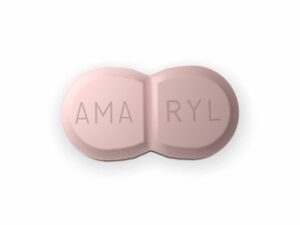
Acarbose (Oral Antidiabetic Medicine) – Patient Information (Australia)
Acarbose is a medicine used to help manage blood glucose (blood sugar) in people with diabetes. It works mainly in the gut by slowing the breakdown and absorption of carbohydrates. For many people, this means smaller rises in blood glucose after meals—especially after carbohydrate-containing foods such as bread, rice, pasta, potatoes, and sweets.
This page provides practical, patient-friendly information about what acarbose is, how it works, when to take it, important food and medicine interactions, safety tips, and frequently asked questions.
Basic product information
| Category | Details |
|---|---|
| Medicine name | Acarbose |
| Common use | Management of type 2 diabetes and reduction of post-meal blood glucose rises |
| How it works | Inhibits intestinal carbohydrate-digesting enzymes (alpha-glucosidase) |
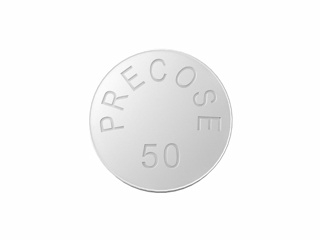
| Form | Oral tablets (strengths vary by brand) |
| Where it acts | Primarily in the small intestine |
| Typical dosing pattern | Taken with the first bite of each main meal |
Brand availability and tablet strengths can vary across Australia. Your pharmacist or doctor can confirm the exact strength you have been supplied.
How acarbose works (mechanism of action)
After you eat, carbohydrates are broken down into smaller sugars that can be absorbed into the bloodstream. Acarbose belongs to a class of medicines known as alpha-glucosidase inhibitors. It works in the lining of the small intestine by blocking enzymes needed to digest complex carbohydrates and certain sugars.
By slowing carbohydrate digestion:
- Less glucose is absorbed quickly after meals
- Post-meal blood sugar rises are reduced
- Overall glucose control can improve when used as part of a diabetes treatment plan
Importantly, acarbose mainly affects the digestion of dietary carbohydrates. It does not replace insulin or directly lower glucose by acting on insulin release.
Pharmacokinetics (what the body does to acarbose)
Absorption and activity: Acarbose is minimally absorbed into the bloodstream. Most of its effect occurs in the gastrointestinal tract. Some metabolites may be formed and partly absorbed, but systemic exposure is generally low compared with how strongly it acts in the gut.
Onset: Because it targets intestinal enzymes, acarbose needs to be taken with meals to coincide with carbohydrate digestion.
Metabolism and excretion: Acarbose and its metabolites are primarily cleared from the body through intestinal and renal pathways. The exact balance may vary between individuals.
Clinical relevance for patients: These pharmacokinetic features explain why timing with meals and carbohydrate content matter so much for the effectiveness of acarbose.
Typical use in Australia
Acarbose is used to improve blood glucose control in people with type 2 diabetes, often alongside lifestyle changes such as:
- Healthy eating patterns
- Regular physical activity
- Weight management (when appropriate)
- Monitoring blood glucose as advised by your healthcare team
It may be used:
- As a single medicine in some circumstances
- In combination with other glucose-lowering medicines to improve overall control
Your treating clinician will select the most suitable plan based on your blood glucose levels, overall risk factors, and tolerability.
Indications (when acarbose is used)
In diabetes care, acarbose is indicated for the management of type 2 diabetes, particularly to reduce post-meal blood glucose excursions when dietary carbohydrates are present.
It may be considered in people who:
- Have higher blood glucose spikes after meals
- Require additional therapy beyond diet and exercise
- Need an option that primarily targets carbohydrate digestion
The best choice of treatment depends on your individual circumstances, other medicines, kidney function, and the pattern of your glucose readings.
How to take acarbose: timing and dosing
Timing: with meals is essential
Acarbose works on carbohydrate digestion in your intestines. For best results:
- Take it at the start of your meal, ideally with the first bite.
- If you delay or skip the meal, the medicine may be less effective and may increase side effects.
Typical dosing (general guidance)
Dosing may vary by product strength and your individual response. Common practice involves starting with a low dose and increasing gradually to improve tolerability, especially regarding gastrointestinal side effects.
Do not exceed your prescribed dose. Your clinician may adjust the dose based on blood glucose readings and side effects.
- Initial period: start low
- Titration: dose increases may be made at intervals (often every 1–2 weeks) if tolerated
- Maintenance: continue with the dose that provides benefit with acceptable side effects
Dose frequency
Many regimens involve doses taken three times daily with the first bite of each main meal (breakfast, lunch, and dinner). Some patients may use different schedules depending on clinician instructions and tablet strength.
If you forget a dose
- If you remember during the meal, take it with that meal.
- If it’s close to the next dose, skip the missed dose and continue as normal.
- Do not double up to make up for a missed dose.
Food interactions: what to eat (and what to avoid)
Because acarbose targets carbohydrate digestion, your meal composition strongly affects how you respond to it. It is not intended to “cancel out” all carbohydrates, but it reduces the speed at which many carbohydrates are digested and absorbed.
Carbohydrate-containing foods
- Starches and many complex carbs may cause smaller post-meal glucose rises.
- However, carbohydrates still contribute to total glucose load, so diet remains important.
Sugars: important emergency note
Acarbose does not reliably work against all types of sugar in the way people often expect. In particular, if you experience hypoglycaemia (low blood sugar) while using acarbose together with other medicines, glucose absorption from some foods may be slowed.
Use fast-acting glucose (dextrose) for treating low blood sugar when recommended by your clinician or diabetes educator. Pure glucose/dextrose products typically work better than table sugar for treating hypoglycaemia because they do not require the same enzymatic steps blocked by acarbose.
If you are at risk of low blood sugar, ask your pharmacist for clear, personalised advice on what to carry and how to respond.
Common gastrointestinal side effects linked to food
The carbohydrates that are incompletely digested can feed gut bacteria, which can lead to:
- Gas (flatulence)
- Abdominal discomfort
- Bloating
- Diarrhoea
These effects are often worse with larger carbohydrate portions. Gradual dose titration and moderating carbohydrate intake can help.
Alcohol and medicine interactions
Alcohol
Alcohol can affect blood glucose in several ways—sometimes lowering it, sometimes increasing it depending on the amount and what is being eaten. When diabetes medicines are involved, alcohol may increase the risk of hypoglycaemia (particularly if drinking reduces your carbohydrate intake) or worsen overall glucose variability.
Many healthcare providers advise limiting alcohol and avoiding binge drinking. If you drink, do so with food and monitor your glucose as appropriate.
Interactions with other diabetes medicines
The biggest practical concern is whether you’re also taking medicines that can cause low blood sugar (such as insulin or sulfonylureas). While acarbose itself has a low risk of causing hypoglycaemia alone, the combination can increase risk.
- Insulin and sulfonylureas: increased risk of hypoglycaemia—plan for treatment of low blood sugar.
- Other glucose-lowering agents: interaction risk depends on the specific medicine and your overall regimen.
Other medication considerations
Tell your clinician and pharmacist about all medicines you take, including over-the-counter products and supplements. Some medicines may affect gut function or carbohydrate absorption, which can influence how your diabetes control feels in practice.
If you have liver disease or kidney impairment, your clinician may choose doses carefully and monitor you more closely.
Safety profile: side effects and when to seek help
Common side effects
The most common side effects of acarbose are gastrointestinal. These often occur early in treatment and may improve with gradual dose increase and dietary adjustments.
- Flatulence (gas)
- Abdominal pain or cramps
- Bloating
- Diarrhoea
- Nausea
Less common but important risks
- Liver enzyme changes: in some people, liver function tests may change. Seek medical advice if you develop symptoms such as unusual fatigue, loss of appetite, dark urine, yellowing of the skin/eyes (jaundice), or persistent nausea.
- Severe diarrhoea or dehydration: if diarrhoea is intense or persistent, contact your healthcare provider.
Who should take extra care
- People with significant digestive disorders affecting absorption
- People with kidney impairment (dose adjustments or careful monitoring may be needed)
- People with liver disease or risk factors for liver problems
Driving and machinery
Acarbose alone is unlikely to cause dizziness. However, if you are also taking medicines that can lead to hypoglycaemia, low blood sugar may affect alertness and driving safety. Follow your diabetes plan for recognising and treating low blood sugar.
Practical tips for best results
- Start low and go slow: gradual titration can reduce troublesome gas and diarrhoea.
- Take it with the first bite: timing strongly influences effectiveness.
- Watch portion sizes of starchy/sugary foods: large carbohydrate portions increase side effects.
- Keep your diet consistent: sudden large changes can make glucose readings and side effects unpredictable.
- Use glucose (dextrose) for hypoglycaemia: especially if you’re on insulin or sulfonylureas—confirm your action plan with your healthcare team.
- Monitor glucose: check blood glucose as recommended so you and your clinician can adjust the plan.
Alternative options to consider
If acarbose isn’t suitable (for example, due to side effects or specific health circumstances), your clinician may consider other ways to manage post-meal glucose and overall diabetes control. Alternatives depend on your needs and may include:
- Dietary carbohydrate management: adjusting types and amounts of carbohydrates, increasing fibre, and choosing lower glycaemic index options.
- Other oral antidiabetic medicines: options may include metformin, sulfonylureas, DPP-4 inhibitors, SGLT2 inhibitors, or others depending on what’s right for you.
- Incretin-based therapies: GLP-1 receptor agonists or related treatments (for eligible patients).
- Insulin: when needed for adequate glucose control or specific clinical situations.
Discuss options with your clinician. Switching medicines should be done with a clear plan for monitoring and managing side effects and blood glucose.
Australia market and legal context (overview)
In Australia, diabetes medicines are regulated through the national medicine framework. Availability, prescribing requirements, and pharmacy supply processes follow Australian laws and professional standards.
For online pharmacy purchasing, reputable suppliers typically require appropriate screening steps to ensure the medicine is suitable and that customers understand safe use instructions.
Product listings may vary by state and by the specific manufacturer/brand. Always ensure you are receiving the correct strength and form for the intended treatment plan.
Recent guidance (general direction)
Diabetes management recommendations in Australia typically emphasise:
- Individualised treatment targets
- Lifestyle therapy as the foundation of care
- Using medicines with proven benefits for glucose control and, when relevant, cardiovascular and kidney outcomes
- Monitoring for side effects and adjusting therapy over time
While diabetes guidance can evolve, the core role of acarbose—reducing post-meal glucose rises by slowing carbohydrate digestion—remains consistent.
Delivery and availability
Availability of acarbose tablets depends on brand, strength, and current pharmacy stock levels. Online pharmacies in Australia may provide:
- Home delivery within Australia (times vary by carrier and location)
- Discreet packaging for privacy
- Tracking options on eligible orders
To ensure timely delivery, order early—especially if you are planning ahead for refills. If you need urgent supply, contact the pharmacy before placing your order.
FAQ about acarbose
1) Does acarbose lower blood sugar by itself?
Acarbose mainly reduces the rise in blood glucose after meals by slowing carbohydrate digestion. By itself, it has a relatively low risk of causing hypoglycaemia, but the overall risk depends on your full diabetes regimen (especially if you also take insulin or sulfonylureas).
2) What should I do if I get low blood sugar?
If you’re using insulin or sulfonylureas, low blood sugar can occur. Treat promptly with fast-acting glucose (dextrose) as advised by your healthcare team. If symptoms are severe or you’re unsure, seek urgent medical help. Keep a written plan from your clinician or diabetes educator.
3) Why do I get gas and diarrhoea?
These are common effects early in treatment. Undigested carbohydrates can lead to gas and looser stools. Taking the medicine with meals, starting low, increasing gradually, and moderating large carbohydrate portions can reduce symptoms.
4) Can I take acarbose if I miss a meal?
If you skip a meal, it’s usually better to skip the dose for that meal as it won’t be needed and may still cause gastrointestinal side effects. Follow your clinician’s instructions.
5) Does acarbose replace diet and exercise?
No. Acarbose is an add-on to lifestyle measures. Diabetes management works best when medication is combined with healthy eating patterns, physical activity, and regular monitoring.
6) Can I drink alcohol while taking acarbose?
Alcohol can affect blood glucose and may increase the risk of low blood sugar, especially if you drink without adequate food. Limit intake and monitor your glucose if advised by your healthcare team. Ask for personal advice if you have kidney or liver issues.
7) Are there food restrictions?
There are no absolute “no foods” rules for most people, but carbohydrate amounts and meal timing influence both effectiveness and side effects. If you notice consistent problems after particular foods, discuss adjustments with your clinician or dietitian.
8) How long does it take to work?
Because it acts in the gut, it starts working around meal times—reducing post-meal glucose rises. For long-term control, improvements are assessed over days to weeks along with blood glucose monitoring and dose adjustments.
9) Who should not take acarbose?
Suitability depends on your health history. People with certain gastrointestinal conditions, significant liver issues, or specific medical situations may need different treatment. Your pharmacist or clinician can confirm whether acarbose is appropriate for you.
10) When should I contact my doctor or pharmacist?
Contact them promptly if you experience:
- Severe or persistent diarrhoea
- Signs of liver problems (yellow skin/eyes, dark urine)
- Signs of significant dehydration
- Frequent or severe hypoglycaemia (especially if on other glucose-lowering medicines)
Summary
Acarbose helps manage type 2 diabetes by slowing the digestion of carbohydrates in the small intestine, reducing post-meal blood glucose spikes. For best results, it should be taken with the first bite of each main meal. The most common side effects are gastrointestinal (gas, bloating, diarrhoea), which often improve with gradual dose increases and carbohydrate-aware meal choices.
If you’d like, you can share your current diabetes medicines (including insulin or tablets you take for glucose) and any specific questions about timing, diet, or side effects—your pharmacist can help you understand how acarbose fits into your plan.