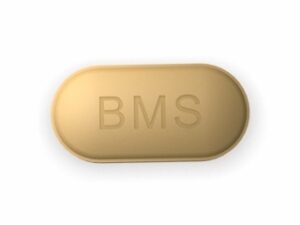

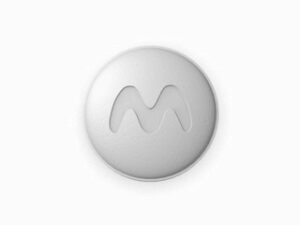
Glycomet (Metformin) – Patient Information (Australia)
Glycomet contains metformin, a medicine widely used to help manage blood glucose (sugar) levels in people with type 2 diabetes. It works by improving how your body uses insulin and reducing how much glucose your liver releases into the bloodstream. Metformin is also used in some other clinical situations, depending on your healthcare professional’s advice.
This page is written to be patient-friendly and explains how metformin works, how to take it, what to expect, and important safety information. If you have questions about your specific regimen, speak with your healthcare professional.
1. Basic product information
| Category | Details |
|---|---|
| Medicine name | Glycomet (Metformin) |
| Active ingredient | Metformin hydrochloride (formulation may vary by product strength) |
| Common uses | Type 2 diabetes mellitus; sometimes other diabetes-related settings as advised |
| How it is taken | Oral tablets/caplets (immediate-release and/or other metformin formulations) |
| Key side effects | Usually stomach/gut symptoms (e.g., nausea, diarrhoea), often improved by taking with food and gradual dose titration |
Note: Australia may have different metformin brands and formulations. Always check your pack for strength (mg) and whether your product is immediate-release or modified-release, as timing advice can differ.
2. How Glycomet (metformin) works (mechanism of action)
Metformin helps lower blood glucose through several complementary actions:
- Reduces glucose production in the liver: Metformin decreases how much glucose the liver makes.
- Improves insulin sensitivity: It helps the body respond better to insulin in peripheral tissues (such as muscle).
- Decreases intestinal glucose absorption: It may reduce the amount of glucose absorbed from the gut.
- Promotes beneficial metabolic effects: It can support weight neutrality or modest weight reduction compared with some other diabetes medicines.
Metformin does not usually cause hypoglycaemia (low blood sugar) on its own because it does not directly force the pancreas to release insulin. However, hypoglycaemia risk can increase when metformin is combined with other glucose-lowering medicines (such as insulin or sulfonylureas).
3. Pharmacokinetics (how the body handles metformin)
Pharmacokinetics describes what the body does to a medicine—how it is absorbed, distributed, metabolised, and eliminated.
- Absorption: Metformin is absorbed from the gastrointestinal tract. Food can reduce gastrointestinal side effects without substantially reducing effectiveness.
- Distribution: It distributes into body tissues. It is not extensively protein-bound.
- Metabolism: Metformin is not significantly broken down (it has minimal metabolism).
- Elimination: Metformin is primarily cleared by the kidneys. This is why kidney function is important for safe use.
- Half-life: The drug’s elimination half-life is several hours and may increase in people with reduced kidney function.
Practical takeaway: Because metformin is cleared by the kidneys, your healthcare professional will usually check kidney function (e.g., eGFR/creatinine) before and during treatment.
4. Typical use and when it starts helping
Metformin is commonly used as a first-line medicine for type 2 diabetes, often alongside lifestyle measures (diet, physical activity, and weight management). Many people notice blood sugar improvements over days to weeks, while the most meaningful assessment is often through longer-term markers such as HbA1c.
Common treatment goals:
- Lower fasting and post-meal glucose levels
- Improve insulin sensitivity
- Support long-term glycaemic control
Important: Continue using metformin regularly even if you feel well. Diabetes is a chronic condition and usually needs ongoing management.
5. Dosing basics (how to take Glycomet)
Because metformin dosing can vary by formulation and individual factors (especially kidney function and tolerance), the most accurate dosing plan is the one provided by your healthcare professional and printed on your pack.
General dosing approach in practice (conceptual):
- Start low: Many people begin with a lower dose to reduce stomach side effects.
- Titrate gradually: Dose increases are often made in steps, typically every 1–2 weeks or as advised, based on tolerance and blood glucose response.
- Use with food: Taking with meals helps improve gastrointestinal comfort.
Maximum daily dose: This depends on your specific product and clinical context. Always follow your prescribed/pack instructions.
Missed dose: If you miss a dose, take it when you remember unless it is close to your next dose. Do not double up.
If you are switching formulations: The timing and dose schedule may differ between immediate-release and modified-release metformin. Confirm the correct regimen with your healthcare professional or pharmacist.
6. Timing: when to take it during the day
The safest and most comfortable timing for metformin typically depends on whether your product is taken with meals and whether it is immediate-release or modified-release.
- Immediate-release metformin: Often taken with meals (e.g., morning and evening meals) to reduce gastrointestinal side effects. Some regimens split into two or three doses/day.
- Modified-release metformin: Often taken once daily with an evening meal (or as directed by your product instructions). The tablet form is designed to release medicine more gradually.
Tips:
- Try to take each dose at roughly the same times each day.
- If you get nausea or diarrhoea, discuss with your pharmacist/doctor—often taking it with food and slowing dose increases helps.
- If you need guidance on timing, check your pack label and confirm with your healthcare professional.
7. Food interactions and what to eat
Metformin can be taken with food to improve tolerance.
- Take with or after meals: This reduces common stomach side effects such as nausea, abdominal discomfort, and diarrhoea.
- Consistent carbohydrate intake: While metformin works regardless of meal timing, keeping a consistent diet pattern supports predictable blood glucose levels.
- Gastrointestinal sensitivity: If you are prone to gut symptoms, smaller meals and gradual dose titration may help.
Vitamin B12: Long-term metformin use can lower vitamin B12 levels in some people. Your healthcare professional may monitor B12 and recommend supplements if needed. Symptoms of low B12 can include tiredness, tingling, or numbness—seek advice if these occur.
8. Alcohol and medicine interactions
Alcohol
It’s important to be cautious with alcohol when taking metformin. Alcohol can increase the risk of lactic acidosis, a rare but serious condition. Your risk may be higher if you drink heavily, skip meals, have liver problems, or have kidney impairment.
- Moderation is key: Avoid binge drinking.
- Do not drink on an empty stomach if you are at risk of low intake.
- If you have been told to avoid alcohol for medical reasons, follow that advice.
Other medicines and interactions (general guidance)
Some medicines can affect kidney function, blood sugar control, or the body’s ability to clear metformin. Always provide your complete medication list to your healthcare professional and pharmacist.
Common interaction themes include:
- Medicines that affect kidney function (e.g., certain blood pressure medicines, dehydration risk from diuretics, NSAIDs in some circumstances)
- Medicines that may affect glucose levels (e.g., insulin, sulfonylureas—together can raise hypoglycaemia risk)
- Diuretics and dehydration: Being dehydrated can worsen kidney function and increase the risk of side effects.
- Contrast imaging: Some iodinated contrast agents used in CT scans may require temporary adjustments for metformin in specific situations (especially with reduced kidney function). Your doctor/radiology team will advise.
If you are scheduled for surgery, a procedure requiring contrast, or you become unwell with vomiting/diarrhoea, ask specifically about whether you should temporarily pause metformin (see “Sick day rules” below).
9. Indications: what Glycomet (metformin) is used for
Metformin is used to treat:
- Type 2 diabetes mellitus: To improve glycaemic control alongside diet and exercise.
- Other conditions as advised by a clinician: In some settings, metformin may be used based on individual risk factors and clinical guidance (for example, certain insulin resistance-related conditions). The appropriateness varies person to person.
Not for type 1 diabetes: Metformin is not a substitute for insulin in type 1 diabetes.
10. Safety profile: what to watch for
Most people tolerate metformin well, especially when starting at a low dose and taking it with meals. However, like all medicines, it can cause side effects and has important safety considerations.
Common side effects
- Gastrointestinal symptoms: nausea, diarrhoea, abdominal discomfort, flatulence, metallic taste
- Reduced appetite (sometimes associated with stomach upset)
These effects are often dose-related and may improve over time. Taking the medication with food and increasing the dose slowly can help.
Serious but rare risks
- Lactic acidosis (rare): A medical emergency. Risk is higher with kidney impairment, severe infection, dehydration, heavy alcohol intake, or certain acute illnesses.
Seek urgent medical help if you develop symptoms that may suggest lactic acidosis, such as:
- Unusual muscle pain
- Severe weakness or feeling very unwell
- Trouble breathing
- Somnolence (unusual sleepiness)
- Abdominal pain with vomiting, especially if accompanied by feeling significantly unwell
Low vitamin B12
Long-term use can reduce vitamin B12 levels. Your healthcare professional may monitor and recommend supplements.
Hypoglycaemia
Metformin alone typically does not cause hypoglycaemia. However, if you combine it with medicines like insulin or sulfonylureas, you may be at risk of low blood sugar.
11. Practical use tips (to get the best results)
- Start gently: Follow your titration schedule. If side effects are significant, contact your healthcare professional—don’t stop abruptly without advice.
- Take with meals: Reduces gut upset for many people.
- Stay hydrated: Dehydration can increase the risk of kidney-related issues.
- Know your kidney status: Keep up with recommended kidney function tests.
- Review B12: If you have been on metformin for years, ask about B12 testing and supplementation.
- Use a routine: Linking doses to daily meals (breakfast/dinner) improves adherence.
- Medication list check: Before adding new medicines (including “natural” products), ask a pharmacist about interactions.
Sick day rules (important)
During acute illness—especially with vomiting, diarrhoea, fever, or reduced oral intake—your kidney function and hydration status may change. Many clinicians recommend temporarily pausing metformin in certain acute conditions to reduce the risk of complications.
General guidance: If you become seriously unwell and cannot eat or drink normally, or you have dehydration, seek advice promptly from a healthcare professional and ask whether to temporarily stop metformin.
12. Alternative options (if metformin isn’t suitable or isn’t enough)
Diabetes treatment is individual. If metformin doesn’t achieve your goals or causes intolerable side effects, alternatives may include:
- Other glucose-lowering medicines: options depend on your health profile and may include medications from different classes (e.g., agents that improve insulin secretion, reduce glucose reabsorption in the kidney, or improve insulin sensitivity).
- Combination therapy: Metformin is often combined with other medicines to reach target HbA1c.
- Modified-release metformin: If immediate-release causes significant gut side effects, switching formulation may improve tolerability.
- Lifestyle changes: Weight management, healthy eating patterns, and physical activity can substantially improve glycaemic control.
Your healthcare professional can recommend the best option based on your diabetes severity, kidney function, cardiovascular risk, and personal preferences.
13. Market and legal context for Australia
In Australia, medicines are regulated and supplied under the Australian Therapeutic Goods Administration (TGA) framework. Metformin-containing products are generally available in accordance with Australian scheduling and pharmacy supply rules.
Online pharmacies operating in Australia typically follow requirements relating to:
- Verified supply processes for scheduled medicines
- Product traceability and authenticity
- Right patient information to support safe use
If you are buying Glycomet online, use a reputable Australian pharmacy website and ensure you receive clear product information, including strength, formulation type, and storage instructions.
14. Recent guidance and common clinical monitoring
Clinical practice guidelines may be updated over time. In general, current diabetes care commonly includes:
- Individualised HbA1c targets based on age, comorbidities, and risk of complications
- Regular monitoring of kidney function (eGFR) for safe metformin use
- Assessment for side effects and consideration of dose adjustments or formulation changes
- Monitoring vitamin B12 during long-term therapy
- Reviewing medication interactions when other medicines are started or stopped
During hospitalisation or procedures (especially those involving contrast imaging), clinicians may apply additional safety steps for metformin based on kidney function and overall condition.
15. Delivery, availability, and what to check before receiving
Availability can vary by brand and strength. When ordering Glycomet online, check:
- Correct strength (mg) as stated on the label
- Correct formulation type (immediate-release vs modified-release) if relevant
- Expiry date and batch information
- Storage conditions (usually store below 25°C unless your pack states otherwise)
Delivery: Many Australian online pharmacies offer standard and express delivery options. Delivery time may depend on location and stock availability.
Packaging: Keep tablets in the original packaging to protect from moisture and to confirm product details.
16. FAQ – Glycomet (metformin)
Is Glycomet the same as metformin?
Yes. Glycomet is a brand name that contains metformin. Different products may have different strengths and release types, so check your pack details.
How long does it take for metformin to work?
Some people notice improved blood glucose within days to weeks, but the main measure of effectiveness is often HbA1c, typically assessed over a few months.
Can I take Glycomet if I have stomach upset?
Many people experience nausea or diarrhoea when starting metformin. Taking it with meals and following a gradual dose increase often helps. If symptoms are severe or persistent, speak with your healthcare professional or pharmacist for guidance.
Will metformin cause weight gain?
Metformin is generally considered weight-neutral or may be associated with modest weight loss in some people compared with other therapies.
Can I drink alcohol while taking metformin?
Alcohol should be used cautiously. Heavy drinking or binge drinking can increase the risk of rare serious complications such as lactic acidosis—especially with kidney problems, dehydration, or poor food intake.
What should I do if I miss a dose?
Take it when you remember unless it’s close to the next dose. Do not take double the amount to make up for a missed dose.
What happens if I accidentally take too much?
If you suspect an overdose, contact Poison Information (Australia: 13 11 26) or seek urgent medical care. Bring the medication packet with you.
Do I need kidney tests before or during treatment?
Because metformin is cleared by the kidneys, healthcare professionals typically assess kidney function (eGFR/creatinine) before starting and periodically during treatment.
Should I stop metformin during an illness?
During significant illness—especially vomiting, diarrhoea, dehydration, or inability to eat/drink—ask your healthcare professional whether you should temporarily pause metformin. This is often referred to as “sick day rules.”
Is metformin safe for everyone?
Metformin is not suitable for every person. It may be avoided or used with caution in certain conditions, particularly where kidney function is reduced or where there is increased risk of lactic acidosis. Your healthcare professional can advise based on your medical history and tests.
What are safer alternatives if I can’t tolerate metformin?
Depending on your individual needs, alternatives may include different diabetes medicines or switching to a modified-release metformin formulation. Discuss options with your healthcare professional.
Key reminders
- Take Glycomet with food to improve comfort.
- Follow your dose schedule and titration plan.
- Keep up with kidney function monitoring.
- Use extra caution with alcohol and during acute illness.
- If you develop symptoms suggestive of lactic acidosis, seek urgent medical assistance.
Always read the product label and follow professional advice. If you have questions about your specific regimen, consult a healthcare professional or pharmacist.