

Fluorouracil (5‑FU) — Patient-Friendly Information (Australia)
Fluorouracil (often shortened to 5‑FU) is a widely used anticancer medicine. It belongs to the class of medicines that affect how fast cells grow and multiply. Fluorouracil is used in the treatment of certain solid tumours, and it may be given in different ways depending on the cancer type and treatment plan.
This page explains how fluorouracil works, how it behaves in the body, what it is used for, what to expect, and important safety considerations. It also covers practical tips for patients and carers, and offers guidance on interactions and commonly asked questions.
1) Basic product information
| Information | Details |
|---|---|
| Generic name | Fluorouracil (also known as 5‑fluorouracil, 5‑FU) |
| What it is | Anticancer medicine (cytotoxic) |
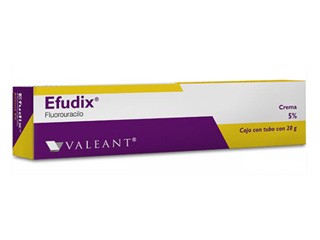
| Common forms | Injection (intravenous or other routes depending on protocol); topical/other formulations exist but vary by region and indication |
| How it works | Disrupts DNA/RNA function in rapidly dividing cells |
| ATC (generic class) | L01BC02 (commonly used classification for 5‑fluorouracil) |
| Typical monitoring | Blood counts, liver/renal function tests, and assessment of side effects |
2) Mechanism of action
Fluorouracil is a pyrimidine analogue. Once inside the body, it is converted into active metabolites that interfere with nucleic acid function. These effects mainly target rapidly dividing cells, which is why it can be useful against cancers.
- Inhibition of thymidylate synthase: prevents the formation of thymidine, a building block required for DNA synthesis.
- RNA disruption: metabolites can be incorporated into RNA, disturbing proper protein production and cell function.
- Downstream effects: the combined disruption of DNA and RNA processes can lead to reduced tumour cell growth and death.
Importantly, normal tissues with fast turnover (such as bone marrow, lining of the mouth and gut, and hair follicles) may also be affected—this helps explain many common side effects.
3) Pharmacokinetics (how the body processes it)
Pharmacokinetics describes how the drug is absorbed, distributed, metabolised, and eliminated.
Absorption and administration
Fluorouracil is most commonly administered as an injection. The specific dosing schedule and route depend on the cancer type and the overall regimen used.
Distribution
After administration, fluorouracil distributes throughout body tissues, including tumour sites. It can also reach areas where adverse effects may occur, such as rapidly renewing mucosal tissues and bone marrow.
Metabolism
Fluorouracil is primarily metabolised in the liver by enzymatic pathways, and its activity is influenced by several metabolic enzymes. This is one reason why some patients may have different tolerance or may need regimen adjustments.
Elimination
Metabolites and drug-related compounds are eliminated mainly via urine. Some patients may require additional monitoring if kidney function changes, though the details depend on the overall treatment protocol.
Why monitoring matters
Because fluorouracil affects rapidly dividing cells, clinicians monitor full blood counts and assess organ function. This helps reduce the risk of serious complications such as infections from low white blood cell count.
4) Typical use and timing
Fluorouracil is used in cancer therapy. In practice, it is often part of a combination regimen, where different medicines target the tumour in different ways.
The “timing” of doses depends on the protocol. Fluorouracil schedules may include:
- Day-to-day cycles across several days, followed by a rest period
- Intermittent dosing with longer gaps between cycles
- Continuous infusion in some settings (where applicable)
Your clinic will provide a clear schedule. If you miss an appointment or dose in a treatment plan, you should contact your healthcare team promptly for advice.
5) Food interactions
For many cancer regimens, fluorouracil is given by injection, so food timing may not be as directly relevant as it is for oral tablets. However, nutrition and hydration still matter because treatment can cause side effects that affect eating.
- Nausea, appetite loss, mouth sores: small, frequent meals and bland foods may help.
- Diarrhoea: discuss dietary adjustments (for example, avoiding high-fat or high-fibre foods) with your care team.
- General safety: follow any dietary advice your team gives for neutropenia (low white blood cell count) or other risks.
If you are taking supportive medications (anti-nausea medicines, steroids, supplements), check their individual food instructions.
6) Alcohol and medicine interactions
Alcohol can worsen dehydration, increase nausea, and may strain the liver—factors that can complicate cancer treatment. It is generally recommended to discuss alcohol use with your oncology team.
Alcohol
- Avoid or limit alcohol, especially if you have vomiting, diarrhoea, mouth ulcers, or abnormal liver tests.
- If you choose to drink, use caution and follow your clinician’s advice, as individual tolerance varies.
Other medicines
Fluorouracil can interact with several medicines. Interaction risk depends on: dose schedule, liver function, blood counts, and whether medicines affect liver enzymes or bone marrow.
In particular, tell your healthcare team about:
- Warfarin and other anticoagulants: blood thinning and bleeding risk may be affected; monitoring of clotting may be required.
- Phenytoin: seizure medicines can have interaction potential.
- Other chemotherapy agents: combination regimens are sometimes designed intentionally, but toxicity may increase.
- Medicines that affect bone marrow: can increase the risk of low blood counts.
- Vaccines and immunosuppressants: treatment may affect immunity; advice is required before vaccination.
- Herbal products and supplements: not all are tested thoroughly in oncology; check first.
Because regimens differ, the most reliable guidance comes from your oncology team and the product information provided with your treatment.
7) Indications (what it’s used for)
Fluorouracil is indicated for several cancer types. It is commonly used for:
- Colorectal cancer (often in combination regimens)
- Gastrointestinal cancers depending on the specific protocol
- Other solid tumours where fluorouracil is part of the accepted treatment approach
Your treating specialist will select the most appropriate indication and regimen based on: tumour type and stage, prior treatments, overall health, and expected benefits versus risks.
8) Dosing (general information)
Dosing must be individualised. Fluorouracil doses are usually calculated based on clinical factors such as body surface area (BSA), treatment goals, and how you tolerate therapy.
How dose is determined
- Body surface area: a formula using height and weight to guide dosing.
- Cycle schedule: the number of days and the interval between cycles.
- Blood counts and organ function: dose modifications may be needed if side effects are significant.
- Combination therapy: if used with other anticancer medicines, dosing and schedule may differ.
Dose adjustments and precautions
It’s common for clinicians to temporarily hold or reduce treatment if blood counts drop too far or if serious toxicity occurs. This is part of safe cancer care and does not mean the treatment has failed.
Because dosing schedules can vary widely, only your oncology team should determine your exact schedule and any modifications.
9) Safety profile
Fluorouracil can cause side effects. Some are common and manageable; others require urgent medical attention. The overall risk depends on dose intensity, treatment duration, and combination regimens.
Common side effects
- Mouth/throat irritation (stomatitis), mouth sores
- Nausea and reduced appetite
- Diarrhoea or changes in bowel habits
- Fatigue
- Low blood counts (neutropenia, anaemia, thrombocytopenia), increasing infection or bleeding risk
- Hair thinning (may occur; severity varies by regimen)
- Skin changes such as dryness or rash (less specific—varies)
Serious and urgent warning signs
Seek urgent medical help if you experience any of the following:
- Fever (often defined as a temperature ≥ 38°C) especially if you might have low white blood cells
- Signs of infection (chills, worsening cough, burning when urinating, severe sore throat)
- Severe diarrhoea, especially if accompanied by dizziness, dehydration, or inability to drink
- Mouth ulcers preventing you from eating or drinking adequately
- Unusual bruising, bleeding, or black/tarry stools
- Severe allergic-type reactions (swelling of face/lips, breathing difficulty, widespread hives)
- Chest pain or shortness of breath
Longer-term considerations
Long-term effects depend on total cumulative exposure and the overall regimen. Your clinician can discuss what to expect and how to monitor risk over time.
10) Practical use tips
Fluorouracil is typically administered in a clinical setting. The following tips focus on supporting safe treatment and managing side effects.
Before each treatment session
- Bring a list of your current medicines, including over-the-counter products and supplements.
- Inform the clinic if you have had fever, infection symptoms, or significant side effects since the last cycle.
- Confirm whether you need blood tests before the dose.
During treatment
- Hydration: sip fluids regularly unless your care team has advised fluid restriction.
- Oral care: use gentle brushing and alcohol-free mouth rinses if recommended; report mouth pain early.
- Diarrhoea management: follow your clinic’s plan. If diarrhoea is severe or persistent, contact them promptly.
- Infection prevention: practise good hygiene, avoid close contact with people who are unwell, and follow any food safety guidance for low immunity.
- Energy conservation: plan rest periods; gentle activity may help fatigue if your doctor says it’s appropriate.
When to contact your healthcare team
- Any temperature ≥ 38°C, or as instructed by your oncology clinic
- Persistent vomiting or inability to keep fluids down
- Severe weakness, dizziness, or signs of dehydration
- New bleeding or significant bruising
- Rapidly worsening mouth pain or difficulty swallowing
Missed visits or delayed cycles
Cancer schedules are planned carefully. If you are unable to attend an appointment, contact the clinic as soon as possible to avoid delays where possible.
11) Alternative options
Alternatives depend heavily on the cancer type, stage, and whether fluorouracil is being used as part of a combination regimen. Possible alternatives may include other chemotherapy agents or targeted therapies, and sometimes combinations with radiotherapy.
Options that may be considered in similar clinical contexts (depending on your situation) can include:
- Other fluoropyrimidines or related anticancer agents
- Different chemotherapy combinations tailored to tumour biology
- Targeted therapies (where tumour markers make them suitable)
- Immunotherapy in appropriate cancers and stages
- Supportive care measures to reduce side effects and maintain quality of life during treatment
Your specialist can explain why fluorouracil is selected and what other evidence-based options exist for your specific diagnosis.
12) Market and legal context for Australia
In Australia, medicines used in cancer therapy are regulated through the Therapeutic Goods Administration (TGA) and are supplied according to approved product information and prescribing frameworks.
Availability can vary by region, and some oncology medicines may be supplied through hospital pharmacies, oncology day units, or distribution arrangements with specialist services. Your local clinic can explain how the medicine is provided for your treatment.
Guidance and clinical governance
Cancer treatment is delivered under clinical oversight with evidence-based protocols. Safety measures such as blood monitoring, dose modifications, and supportive medicines (for example, anti-nausea therapy) are standard components of oncology care.
Recent guidance (high-level)
Ongoing updates in oncology care in Australia often focus on:
- Improved supportive care to manage diarrhoea, mouth sores, infection risk, and nausea
- Careful monitoring strategies and risk-based dose adjustments
- Standardising chemotherapy safety practices within oncology services
- Patient education about fever/infection warning signs
Your oncology team can provide the most current recommendations for your regimen and local service practices.
13) Delivery and availability
Many forms of fluorouracil are supplied through healthcare services rather than direct home delivery. Where a pharmacy arrangement supports distribution, delivery timelines depend on:
- Stock availability
- Cold-chain requirements (if applicable to the specific product) and storage needs
- Your location and the delivery method used by the supplier
- Whether the medicine is intended for administration in a clinic setting
If you are purchasing supportive medicines online (such as mouth care products, anti-nausea supportive items, or hydration options), delivery may differ from chemotherapy medicines. For the specific availability of fluorouracil, contact the pharmacy or the treating facility to confirm the process.
14) FAQ
What is fluorouracil used for?
Fluorouracil is used as an anticancer medicine for certain solid tumours, commonly including colorectal cancer and other gastrointestinal-related cancers depending on the treatment regimen.
How is fluorouracil given?
It is most commonly given as an injection in a clinical setting. The exact route and schedule depend on the protocol for your cancer type.
How long does a course take?
Treatment length varies. Many regimens use cycles over weeks to months, depending on response and tolerability. Your oncology team will provide a schedule and update it as needed.
What side effects are most common?
Common side effects include fatigue, nausea, mouth sores, diarrhoea, and low blood counts. The severity varies between individuals, especially when used in combination with other medicines.
When should I seek urgent help?
Contact emergency services or your healthcare team urgently if you develop a fever (often ≥ 38°C), severe diarrhoea, signs of infection, unusual bleeding, or breathing difficulty.
Can I drink alcohol during treatment?
Alcohol can worsen dehydration and may affect the liver. It’s best to discuss alcohol with your oncology team. In many cases, limiting or avoiding alcohol is recommended during treatment.
Does fluorouracil interact with other medicines?
Yes. Interactions can occur, particularly with medicines affecting blood clotting, seizure control, other chemotherapy agents, and drugs that influence bone marrow or liver function. Always provide a complete list of medicines and supplements to your clinician.
Does food affect fluorouracil?
Since fluorouracil is usually administered by injection, food does not typically have the same direct effect as for oral medicines. However, treatment side effects can affect eating—so nutrition support and managing symptoms are important.
Are there alternatives if fluorouracil doesn’t suit me?
Alternatives may include other chemotherapy regimens, fluoropyrimidine-related options, targeted therapies, or immunotherapy, depending on your cancer type and biomarkers. Your specialist can recommend the best evidence-based option.
How can I reduce the risk of complications?
Attend monitoring appointments, report side effects early, maintain hydration, practise infection-prevention behaviours, and follow your clinic’s plan for diarrhoea, mouth care, and nausea.
Important: This information is general and designed to support conversations with your healthcare team. Your treatment regimen, dose schedule, and supportive medication plan are individualised. If you have specific concerns, ask your oncologist, pharmacist, or cancer nurse for advice.