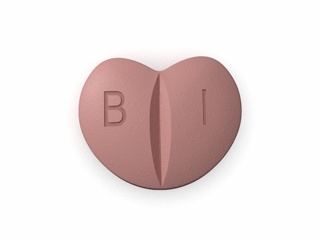

Zebeta (Bisoprolol) – Patient-Friendly Information (Australia)
Zebeta is a brand of bisoprolol, a medicine from the group known as beta-blockers. It is used to help control heart rate and reduce the workload on the heart in certain conditions. This guide explains how Zebeta works, how it is typically taken, common interactions and safety considerations, and what to expect regarding delivery and availability in Australia.
If you have symptoms that could be serious (such as severe chest pain, fainting, signs of stroke, or sudden breathlessness), seek urgent medical help.
1) Basic product information
| Category | Details |
|---|---|
| Medicinal ingredient | Bisoprolol |
| Brand name | Zebeta |
| Medicine class | Beta-blocker (selective for beta-1 receptors) |
| Main effects | Slows heart rate, lowers blood pressure, reduces heart oxygen demand |
| Common dosage forms | Tablets (strength depends on local product availability) |
Zebeta is commonly used for cardiovascular conditions such as angina (including stable angina), hypertension (high blood pressure), and heart failure in appropriate patients.
2) How Zebeta works (mechanism of action)
Bisoprolol blocks beta-adrenergic receptors, mainly beta-1 receptors in the heart. By doing this, it:
- Reduces heart rate (helps the heart beat more slowly).
- Decreases the force and speed of contraction, lowering cardiac workload.
- Helps lower blood pressure by reducing heart output and influencing blood vessel tone.
- Reduces oxygen demand of the heart, which can improve angina symptoms.
In heart failure, careful use of beta-blockers can improve symptoms and long-term outcomes by improving how the heart functions over time.
3) Pharmacokinetics (how the body handles bisoprolol)
Pharmacokinetics describes absorption, distribution, metabolism, and elimination—how the body processes the medicine. While individual responses vary, the following are common features:
- Absorption: Bisoprolol is absorbed after oral dosing.
- Onset: Effects on heart rate and blood pressure develop within hours.
- Distribution: It circulates in the bloodstream and acts primarily on the heart.
- Metabolism: It is metabolised in the liver to some extent.
- Elimination: Excretion occurs through the body’s normal clearance pathways (including renal pathways).
- Duration: The medicine is typically dosed once daily in many regimens, depending on the condition and patient factors.
Your dosing schedule may differ from others. Follow your prescriber’s instructions and the label directions.
4) Typical uses and indications
Zebeta may be used for several cardiovascular indications, depending on your health profile:
- Hypertension (high blood pressure): helps reduce blood pressure and cardiovascular risk.
- Angina: reduces frequency/severity of angina attacks by lowering heart workload.
- Chronic heart failure (selected patients): used as part of a broader heart failure treatment plan.
- Other heart rate-related conditions: sometimes used when appropriate to control heart rate (your clinician will decide the best fit).
If you’re not sure why you’re taking Zebeta, ask your doctor or pharmacist.
5) When and how to take Zebeta (timing and dosing approach)
Dosing depends on the condition being treated, your age, kidney/liver function, heart rate, blood pressure, and other medicines you take. Many people take bisoprolol once daily, often at the same time each day for consistency.
Typical timing
- Once daily: take at roughly the same time each day.
- With or without food: see the “Food interactions” section below for details.
- Starting dose: may be low at first and increased gradually depending on response and tolerability.
How to take tablets
- Swallow the tablet with water.
- Do not stop suddenly unless instructed, especially if you’re treating heart failure or angina—sudden withdrawal can worsen symptoms.
- If you miss a dose, do not double up; take the next dose at the usual time (follow local product instructions or ask a pharmacist).
Example dosing (illustrative)
The exact dose should be determined by your clinician. The ranges below are provided to help you understand what clinicians commonly consider. Do not use these as a self-dosing guide.
| Condition | How dosing is commonly approached |
|---|---|
| Hypertension | Often started low and adjusted based on blood pressure and heart rate. |
| Angina | Gradual titration to achieve symptom control and target heart rate. |
| Heart failure | Slow up-titration with close monitoring for tolerability (for example, blood pressure, heart rate, fluid status). |
If you have dizziness, fainting, unusual breathlessness, or very slow heart rate, contact a healthcare professional promptly.
6) Food interactions and dietary considerations
Most people can take bisoprolol with or without food. Food may not require special restrictions in everyday use.
- General advice: choose a routine you can maintain (for example, with breakfast or dinner).
- Consistency matters: taking it at the same time each day can help maintain stable effects.
- Grapefruit: Unlike some other medicines, grapefruit typically isn’t a key issue for bisoprolol; however, interactions can depend on your overall medication list.
If you are unsure about a specific diet plan or supplement, talk to your pharmacist.
7) Alcohol interactions and safety
Alcohol can affect blood pressure, heart rate, and your ability to tolerate medicine side effects. When combined with bisoprolol, alcohol may increase the chance of:
- Dizziness or light-headedness
- Low blood pressure (especially when standing up)
- Sleepiness or feeling faint
If you choose to drink alcohol, consider:
- Start with small amounts and monitor how you feel.
- Avoid heavy drinking, particularly if you have heart failure or low blood pressure.
- Do not drive or operate machinery if alcohol or dizziness affects you.
Always follow personalised advice from your healthcare team.
8) Medicine interactions (important)
Zebeta can interact with other medicines, including those that affect heart rate, blood pressure, or rhythm. Always tell your pharmacist about all medicines you use, including over-the-counter products and supplements.
Common interaction themes
- Other heart rate–lowering medicines: may increase risk of excessive slowing (bradycardia) or low blood pressure.
- Medicines that affect heart rhythm: combined effects may change conduction through the heart.
- Blood pressure medicines: additive blood pressure lowering can increase dizziness.
- Diabetes medicines: beta-blockers can mask some warning signs of low blood sugar (such as rapid heartbeat).
- Non-steroidal anti-inflammatory drugs (NSAIDs): can sometimes affect blood pressure control in some people.
Examples of medicines to discuss with your pharmacist
- Verapamil or diltiazem (certain calcium channel blockers): may affect heart rate/conduction when combined.
- Digoxin: can contribute to slowing or conduction effects.
- Antiarrhythmics (medicines used for rhythm problems): may increase conduction slowing.
- Clonidine: stopping clonidine and beta-blockers incorrectly together may cause blood pressure rebound—changes should be clinician-led.
- Insulin or other diabetes therapies: watch for hypoglycaemia symptoms.
- Some antidepressants and antipsychotics (depending on the specific medicine): may have rhythm or blood pressure effects.
- Asthma/COPD inhalers (especially if you’re using beta-agonists): may still work, but your response and heart rate could be affected.
This list is not complete. If you share your medication list, a pharmacist can check likely interactions for your specific situation.
9) Safety profile and when to seek help
Like all medicines, Zebeta can cause side effects. Many are mild and improve as your body adjusts, but some require prompt attention.
Common side effects
- Slow heart rate (bradycardia)
- Dizziness or light-headedness
- Fatigue or low energy
- Cold hands and feet
- Headache
- Sleep disturbance or vivid dreams (less common)
Less common but important risks
- Low blood pressure, especially when standing (orthostatic hypotension)
- Worsening breathlessness in people with certain lung conditions
- Worsening heart failure symptoms if dose increases too quickly or if you become unwell
Seek urgent medical attention if you experience
- Fainting or severe dizziness
- Severe chest pain
- New/worsening shortness of breath, wheezing, or swelling
- Signs of an allergic reaction: swelling of face/lips, hives, trouble breathing
Special populations
- Asthma/COPD: although bisoprolol is beta-1 selective, it can still affect airways in some people. Discuss risk and monitoring with your clinician.
- Diabetes: may mask some low blood sugar symptoms (like fast heartbeat).
- Slow heart rate or conduction problems: may worsen bradycardia or rhythm issues.
- Kidney or liver impairment: dose adjustments may be needed.
- Pregnancy and breastfeeding: discuss with a healthcare professional to weigh benefits and risks.
Do not stop Zebeta suddenly without medical advice—especially if you are taking it for angina or heart failure. Stopping abruptly can lead to worsening symptoms in some patients.
10) Practical use tips (getting the best results)
Monitor your response
- Check blood pressure and pulse if your pharmacist or clinician advises home monitoring.
- Track symptoms such as angina frequency, breathlessness, dizziness, or fatigue.
- Report persistent or severe side effects promptly—dose adjustment may be needed.
Take it consistently
- Choose a daily time you can remember.
- Use a pill organiser if helpful.
- If you travel, plan for your dosing schedule and keep tablets in your carry-on if appropriate.
Be prepared for adjustment
Especially when starting or increasing the dose, you may notice changes in heart rate or energy levels. This is one reason why many regimens are titrated gradually.
Know what to do if you feel unwell
- If you feel faint, very dizzy, or your pulse is extremely slow, seek medical advice urgently.
- For suspected low blood sugar, check your glucose and follow your diabetes action plan.
- If you are unwell with vomiting/diarrhoea, dehydration can affect blood pressure and tolerance—contact a healthcare professional.
11) Alternative options
Treatment choices depend on your condition, medical history, and how you respond. If Zebeta isn’t suitable, clinicians may consider other beta-blockers or alternative medicine classes.
Possible alternative beta-blockers
- Metoprolol
- Atenolol
- Bisoprolol alternatives within beta-blocker class (choice depends on formulation and patient needs)
Alternative medicine classes
- Calcium channel blockers (for certain blood pressure and angina patients)
- ACE inhibitors or ARBs (commonly used in hypertension and heart failure management)
- Diuretics (often used in heart failure to manage fluid balance)
- Nitrates (for acute or preventive angina strategies in some cases)
Only switch medicines under healthcare guidance. Different beta-blockers aren’t always interchangeable on a one-to-one basis.
12) Market and legal context in Australia
In Australia, medicines are regulated under the Australian Therapeutic Goods Administration (TGA) framework. Availability, labelling, and supply arrangements must comply with Australian laws and standards.
Some cardiovascular medicines are supplied only when appropriate clinical assessment has been completed. Online pharmacy supply is managed according to Australian requirements and consumer safety principles.
Product availability (including tablet strength and pack size) can vary by supplier and by the current TGA listing/market supply status.
Recent guidance (what to expect in practice)
Clinical practice continues to emphasise:
- Gradual titration of beta-blockers where appropriate, especially in heart failure.
- Regular monitoring of heart rate, blood pressure, and tolerability.
- Medication review to identify interactions and reduce adverse effects.
- Patient education about not stopping beta-blockers abruptly.
Guidance may also be updated as new evidence emerges. Your pharmacist can help interpret product information and general safety advice.
13) Delivery and availability (online pharmacy expectations)
Delivery availability can differ depending on region and shipping schedules. When ordering Zebeta online, you can typically expect:
- Stock checks: confirmations based on current supplier availability.
- Dispatch timelines: often working-day processing, depending on order time and verification steps.
- Packaging: medicines are delivered in appropriate protective packaging to maintain quality.
- Tracking: many orders include tracking for added convenience.
To support safe use, always verify the medicine strength and dosing instructions on the label when it arrives.
14) Frequently Asked Questions (FAQ)
Is Zebeta the same as bisoprolol?
Yes. Zebeta is a brand name that contains bisoprolol as the active ingredient.
How long does it take to start working?
Many people notice changes in heart rate and symptoms within hours of taking a dose, but the full benefit—particularly for blood pressure and angina control—may take days to weeks as treatment is adjusted.
Can I stop Zebeta if I feel better?
Do not stop suddenly. If you want to stop or change dose, speak to a healthcare professional first. Stopping abruptly can worsen angina or heart failure symptoms.
Should I take Zebeta in the morning or at night?
Many people take it once daily at a time that suits them. Some prefer mornings; others prefer evening based on side effects (such as sleep disturbance or fatigue). Choose a time you can keep consistent, and discuss changes with your pharmacist if needed.
What should I do if I miss a dose?
In general, if you miss a dose, take it when you remember unless it’s close to the time of your next dose. Do not take a double dose. If unsure, ask your pharmacist for advice specific to your schedule.
Does Zebeta affect breathing?
Beta-blockers can sometimes affect breathing in susceptible people. Bisoprolol is beta-1 selective, which may reduce risk compared with non-selective beta-blockers, but caution is still important—especially if you have asthma or COPD. Monitor symptoms and seek advice if breathlessness worsens.
Can I drive while taking Zebeta?
If Zebeta makes you dizzy or unusually tired, avoid driving or operating machinery until you know how it affects you. Many people tolerate it well, but individual responses vary.
Will Zebeta interact with my asthma inhaler or diabetes medicines?
Potential interactions depend on the specific inhaler and diabetes medicine. Beta-blockers can sometimes mask warning signs of low blood sugar, and they can affect response to asthma symptoms. Tell your pharmacist about all medicines and inhalers you use.
How is bisoprolol different from other beta-blockers?
Bisoprolol is typically described as more beta-1 selective than some older beta-blockers, which may reduce effects on the lungs for some patients. However, individual sensitivity varies, and the best option depends on your overall condition and medication plan.
What are the most important side effects to watch for?
Watch for severe dizziness, fainting, very slow heart rate, new or worsening shortness of breath, and signs of allergy. Seek urgent help if these occur.
Where can I find the official product information?
The medicine box and leaflet provide official product details including indications, dosage directions, and side effect information. You can also ask a pharmacist for a copy or explanation tailored to your situation.