Bisoprolol (for Australia) — Patient-Friendly Medicine Information
Bisoprolol is a medicine used to treat several heart-related conditions. It belongs to a group of medicines called beta-blockers. By slowing the heart rate and reducing the heart’s workload, bisoprolol can help improve symptoms and reduce the risk of certain complications.
This page explains how bisoprolol works, how it’s used, important safety information, and practical tips for taking it safely. If you have specific questions about your situation, please consult a qualified healthcare professional.
Basic Product Information
- Medicine name: Bisoprolol
- Medicine type: Beta-blocker (selective β1-blocker)
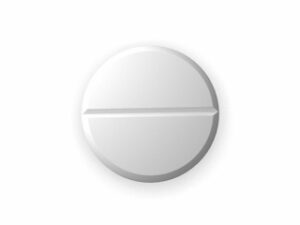
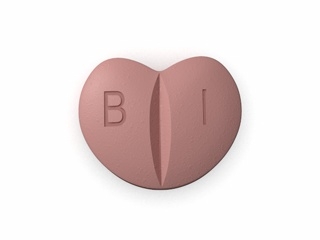
- Common forms: Tablets (strengths vary by brand/product)
- How it’s taken: Usually once daily (depending on your condition and product instructions)
- Who it may be prescribed for: People with certain heart conditions such as angina, high blood pressure, and chronic heart failure
Note: Product strength and dosing instructions vary. Always follow the directions provided with your specific product.
How Bisoprolol Works (Mechanism of Action)
Bisoprolol is a selective β1-blocker. It works mainly on beta-1 receptors found in the heart. This leads to:
- Lower heart rate (slower pulse)
- Reduced force of heart contractions
- Lower blood pressure by reducing cardiac output and overall workload
- Reduced oxygen demand of the heart, which can help relieve angina symptoms
In chronic heart failure, beta-blockers like bisoprolol can help the heart become more efficient over time and may improve symptoms and survival when used correctly under medical supervision.
Pharmacokinetics (Absorption, Distribution, Metabolism, Excretion)
Understanding how bisoprolol moves through the body can help you take it at the right times and recognise how consistent daily use matters.
| Feature | What to expect (general) |
|---|---|
| Absorption | Bisoprolol is absorbed from the gastrointestinal tract; overall absorption is typically high. Peak levels are usually reached within a few hours after taking a tablet. |
| Distribution | It distributes throughout the body and binds partially to plasma proteins. |
| Metabolism | Bisoprolol is metabolised mainly by the liver (CYP pathways contribute, though the exact pattern can vary between individuals). |
| Excretion | A significant portion is eliminated via the kidneys. Both kidney and liver function can influence the body’s handling of the medicine. |
| Half-life & duration | It has an action duration that often supports once-daily dosing for many patients. Consistent timing helps maintain stable effect. |
Practical takeaway: Bisoprolol tends to work best when taken regularly at the same time each day, unless your healthcare professional advises otherwise.
Typical Uses (Indications)
Bisoprolol may be used for:
- High blood pressure (hypertension): to lower blood pressure and reduce cardiovascular risk.
- Angina (stable angina): to reduce the frequency and severity of chest pain by improving the heart’s oxygen balance.
- Chronic heart failure: in selected patients, often as part of a guideline-based regimen. Beta-blocker therapy is typically started at a low dose and increased gradually.
- Other heart-rate-related conditions: sometimes under specialist guidance (availability and indication depend on local clinical practice and product approval).
Timing: When and How to Take Bisoprolol
Many people take bisoprolol once daily. The exact schedule depends on the dose and your condition.
- Choose a consistent time: Taking it at the same time each day helps maintain steady effects.
- With or without food: Bisoprolol tablets can usually be taken with water, with or without food (see food notes below for more detail).
- If you miss a dose: Take it when you remember on the same day. If it is close to the next scheduled dose, skip the missed dose and return to your regular schedule. Do not double up.
Do not stop suddenly: Stopping beta-blockers abruptly can worsen symptoms in some patients. If you need to stop or change therapy, it should generally be done with medical guidance using a gradual plan.
Food Interactions
Bisoprolol is generally not strongly affected by food. Many patients can take it with or without meals.
However, for best results:
- Keep your routine consistent: If you take it with breakfast, continue with breakfast unless your clinician advises otherwise.
- Stay hydrated: Especially if you experience dizziness or light-headedness when starting treatment or adjusting dose.
Caution: Some people also take other medicines for blood pressure or heart conditions. While bisoprolol itself has no major food restrictions for most people, overall meal patterns may affect blood pressure and how you feel (for example, with alcohol or dehydration).
Alcohol and Medicine Interactions
Alcohol: Alcohol can lower blood pressure and may worsen common side effects such as dizziness, light-headedness, or fatigue. If you drink alcohol, consider:
- Starting with small amounts to see how you respond.
- Avoiding heavy drinking, especially when beginning therapy or after dose changes.
- Discussing your alcohol intake with your healthcare professional if you have heart failure or low blood pressure.
Other medicine interactions: Bisoprolol can interact with other medications that affect heart rate, blood pressure, and conduction.
Tell your healthcare professional (and pharmacist) about all medicines you take, including:
- Other blood pressure or heart medicines (to avoid excessive lowering of heart rate or blood pressure).
- Calcium channel blockers (especially non-dihydropyridines like verapamil and diltiazem), which can slow the heart further.
- Anti-arrhythmic medicines (used for abnormal heart rhythms).
- Medicines that affect heart rhythm (QT/prolongation or conduction effects depending on the drug).
- Diabetes medicines including insulin and some tablets: beta-blockers may mask symptoms of low blood sugar (such as fast heartbeat).
- Clonidine (if used): abrupt changes may have effects on heart rate and blood pressure.
- Some antidepressants and antipsychotics: potential to influence blood pressure or heart rhythm depending on the specific medicine.
- Sleep and anxiety medicines: may increase dizziness in combination with blood pressure-lowering effects.
Over-the-counter considerations: Some cold/flu remedies may contain ingredients that raise heart rate or blood pressure. Always check labels and ask a pharmacist if you’re unsure.
Dosing: Usual Approaches
Dosing must be individualised based on the condition being treated, your heart rate, blood pressure, age, and other medical conditions.
General dosing principles:
- Start low and go slow for heart failure: In chronic heart failure, bisoprolol is commonly initiated at a low dose and increased gradually to reach a target or maximum tolerated dose.
- Regular monitoring: Heart rate and blood pressure are often checked during dose adjustments.
- Individual tolerability: If you experience side effects like dizziness or a very slow pulse, your clinician may adjust the dose.
How to take:
- Swallow tablets whole with water.
- Try to take each dose around the same time each day.
Missed dose: If you miss a dose, take it when you remember unless it’s almost time for the next dose. Do not double.
Safety Profile: Side Effects and When to Seek Help
Like all medicines, bisoprolol can cause side effects. Many are mild and improve as your body adjusts, especially after starting or increasing the dose.
Common side effects
- Fatigue or tiredness
- Dizziness or light-headedness (especially when standing up)
- Slow heart rate (bradycardia)
- Cold hands and feet
- Sleep disturbances or vivid dreams in some people
- Gastrointestinal discomfort (e.g., nausea)
Less common but important effects
- Worsening shortness of breath (particularly in people with underlying breathing problems)
- Low blood pressure
- Changes in mood (uncommon)
- Skin reactions (rare)
Seek urgent medical attention if you have
- Fainting or severe dizziness
- Very slow pulse with weakness or confusion
- Sudden severe chest pain or severe breathing difficulty
- Signs of an allergic reaction such as swelling of the face/lips, hives, or difficulty breathing
Special populations: People with asthma or chronic lung disease should use beta-blockers carefully. Bisoprolol is more selective for the heart than non-selective beta-blockers, but respiratory effects can still occur in some individuals.
Practical Use Tips
- Monitor your pulse and blood pressure: If you’ve been advised to do so, record readings and bring them to reviews. Report persistent symptoms or very low heart rate.
- Be cautious when standing up: Dizziness is common at the beginning or after dose changes. Stand up slowly.
- Don’t stop suddenly: If you stop abruptly, some people may experience worsening chest pain or heart symptoms. Arrange a planned adjustment if stopping is needed.
- Keep a medication list: Include bisoprolol and any other medicines, including non-prescription products.
- Regular follow-up: Especially when starting or adjusting dose for heart failure or angina.
- Travel tips: Carry your tablets in original packaging, keep them in your hand luggage, and maintain your dosing schedule as closely as possible.
What to Expect When Starting Bisoprolol
Many people notice changes within the first few days, such as a lower heart rate or reduced blood pressure. Some side effects like fatigue or dizziness may occur early, especially if your dose is being adjusted.
For chronic heart failure: improvements often build gradually. The titration process may take weeks to months, depending on tolerability.
If symptoms worsen significantly or you experience concerning side effects, contact a healthcare professional promptly.
Alternative Options
Depending on your condition and personal health history, clinicians may consider other medications. Alternatives can include:
- Other beta-blockers: such as metoprolol (varies by formulation), carvedilol, or nebivolol (availability depends on indication and local prescribing practice).
- Heart-rate lowering or blood pressure medicines from other classes:
- ACE inhibitors or ARBs (commonly used in heart failure)
- Calcium channel blockers
- Diuretics (often used for fluid management in heart failure)
- Nitrates for angina symptom relief
Important: The best alternative depends on the diagnosis (blood pressure, angina, heart failure), severity, other medicines, and how your body responds.
Market and Legal Context for Australia
In Australia, medicines are regulated to ensure quality, safety, and appropriate supply. Whether a medicine can be supplied and how it’s accessed depends on its scheduling status and local pharmacy rules.
Patient safety note: Bisoprolol is commonly used for long-term conditions. In Australia, supply is typically managed through appropriate healthcare pathways, and pharmacists may ask questions to confirm suitability and safe use.
Always check: You should only use bisoprolol that matches your prescribed or recommended dose and formulation instructions.
Recent Guidance and Clinical Updates (General)
Clinical practice for beta-blocker therapy evolves as new evidence and guideline updates are published. For patients in Australia, treatment decisions are commonly guided by principles in national and international cardiology guidance, including:
- Heart failure beta-blocker use is typically “start low, titrate gradually.”
- Use of evidence-based doses where tolerated, with monitoring of blood pressure, heart rate, kidney function, and symptoms.
- Consideration of comorbidities such as diabetes, asthma, and conduction disorders.
- Managing medication interactions carefully, especially with other agents that affect heart rate and blood pressure.
If you have concerns about your treatment plan, ask your clinician to review the current rationale for your bisoprolol dose and schedule.
Delivery and Availability (Australia)
Availability can vary by strength, brand, and local supply. Online pharmacies typically supply bisoprolol tablets in commonly requested strengths, subject to stock and regulated supply processes.
Delivery considerations:
- Delivery timeframes: Depend on your location and courier arrangements.
- Packaging: Medicines should arrive in protective packaging with clear labels.
- Storage: Store tablets as directed on the pack (commonly at room temperature, away from moisture and heat).
If you’re ordering, ensure you select the correct strength and formulation (unless advised otherwise by a healthcare professional).
FAQ — Bisoprolol
1) What is bisoprolol used for?
Bisoprolol is used for conditions such as high blood pressure, angina, and chronic heart failure (in selected patients, typically as part of a broader treatment plan).
2) How long does it take to work?
Some effects—such as a reduced heart rate—may occur within hours to days. However, for conditions like chronic heart failure, benefits often develop over weeks to months, especially as the dose is adjusted.
3) Should I take it with food?
Bisoprolol can generally be taken with or without food. Choose a routine you can maintain daily. If you notice stomach upset, try taking it with a meal and monitor how you feel.
4) Can I drink alcohol while taking bisoprolol?
Small amounts may be tolerated, but alcohol can worsen dizziness and low blood pressure in some people. If you drink, consider doing so cautiously and discuss your intake with a healthcare professional—especially if you have heart failure or low blood pressure.
5) What should I do if I miss a dose?
Take it when you remember on the same day. If it’s close to your next dose, skip the missed dose and continue as normal. Do not double.
6) What side effects are common?
Common side effects include tiredness, dizziness, slow heart rate, and sometimes cold hands and feet. Many improve as your body adjusts.
7) Can bisoprolol cause my heart rate to get too low?
It can, especially if you’re sensitive to beta-blockers or during dose increases. Contact a healthcare professional if you feel faint, very weak, or notice an unusually slow pulse.
8) Is bisoprolol safe if I have asthma or breathing problems?
Bisoprolol is a selective β1-blocker, which may be better tolerated than non-selective beta-blockers. However, it can still affect breathing in some people. Discuss your respiratory history with your healthcare professional.
9) Will bisoprolol affect low blood sugar symptoms?
Yes. Beta-blockers can mask warning signs of low blood sugar, such as a fast heartbeat. If you have diabetes, monitor glucose levels as advised and discuss management strategies with your clinician.
10) What medicines should I be careful with?
Be cautious with medicines that also lower heart rate or blood pressure, including certain calcium channel blockers (like verapamil or diltiazem), some anti-arrhythmics, and others that may interact. Always check with a pharmacist if you’re unsure.
11) Can I stop bisoprolol suddenly?
Generally, do not stop suddenly unless your clinician advises it. Stopping abruptly can cause worsening heart symptoms in some patients. Dose changes are usually done gradually.
Summary
Bisoprolol is a selective beta-blocker used to help manage conditions including high blood pressure, angina, and chronic heart failure. It works by reducing heart rate and the heart’s workload, which can improve symptoms and cardiovascular outcomes when used appropriately.
If you’re starting bisoprolol, expect possible early side effects such as fatigue or dizziness, and remember to take it regularly at the same time each day. Always be alert for warning signs such as fainting, severe breathing difficulty, or an allergic reaction, and seek urgent help if these occur.
For the most accurate dosing and safety advice for you, rely on information provided with your product and guidance from your healthcare professional.