
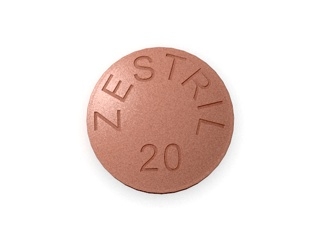

Zestril (Lisinopril) — Patient-Friendly Guide (Australia)
Zestril is a medicine containing lisinopril, an angiotensin-converting enzyme (ACE) inhibitor. In Australia, it is used to treat a range of heart and blood pressure conditions and is commonly prescribed for long-term care. This guide explains what Zestril does, how it works, how to take it safely, and what you should know about interactions and side effects.
Quick Facts
- Active ingredient: Lisinopril
- Medicine class: ACE inhibitor
- Common uses: High blood pressure, heart failure, and to improve survival after certain cardiac events
- How it helps: Lowers blood pressure and reduces strain on the heart and blood vessels
- Typical dosing frequency: Usually once daily (frequency may vary by condition)
Basic Product Information
Zestril is a brand name for lisinopril. It is taken by mouth as a tablet. In Australia, ACE inhibitors are widely used and have long established clinical use. Brand names can differ by manufacturer, but the active ingredient and medicine class remain the same.
Presentation (typical): Tablets in various strengths depending on availability. Your pharmacist or product label will confirm the exact strength and form you have.
How Zestril Works (Mechanism of Action)
Lisinopril belongs to the ACE inhibitor family. It works by reducing production of angiotensin II, a substance that causes blood vessels to narrow and stimulates hormone pathways that increase blood pressure.
By blocking ACE (angiotensin-converting enzyme), lisinopril helps to:
- Relax and widen blood vessels (leading to lower blood pressure)
- Reduce the workload on the heart
- Improve circulation and help the body use oxygen more efficiently
- Support kidney function in appropriate patients (especially in certain diabetes-related conditions)
Pharmacokinetics (How the Body Processes It)
Understanding pharmacokinetics can help explain why dosing schedules are practical and how long effects may take to develop. While individual responses vary, the following information describes typical behaviour of lisinopril in the body.
Absorption
Lisinopril is absorbed after oral administration. It is generally not significantly affected by food (see “Food Interactions” below).
Distribution
It is distributed through the bloodstream to act on the body’s renin–angiotensin system.
Metabolism
Lisinopril is not extensively metabolised in the body. It remains largely unchanged.
Elimination (Excretion)
Lisinopril is primarily eliminated via the kidneys. For this reason, kidney function and age can influence dosing needs.
Onset and duration
Blood pressure lowering typically begins within hours, with more sustained effects developing over several days. The full benefit may take a few weeks, depending on the condition being treated and dose adjustments.
Typical Uses (Indications)
Zestril (lisinopril) is used for several common cardiovascular and kidney-related indications. Your doctor selects the most appropriate use based on your health profile.
- High blood pressure (hypertension): Helps lower blood pressure and reduce cardiovascular risk.
- Heart failure: Used to manage symptoms and improve outcomes in certain patients.
- After heart attack (myocardial infarction): To improve survival in selected patients when clinically appropriate.
- Kidney protection in specific cases: ACE inhibitors are sometimes used in people with diabetes and kidney involvement, depending on clinical findings.
How to Take Zestril (Dosing and Timing)
Dosing depends on the condition being treated, your kidney function, blood pressure readings, and whether you take other medicines that affect potassium or blood pressure. Always follow the dosing schedule provided by your healthcare professional and the product label.
Typical dosing approach (general guidance)
- Starting dose: Often lower at the beginning to reduce the risk of dizziness or blood pressure drops.
- Maintenance dose: Increased gradually as needed, based on response and blood tests.
- Frequency: Commonly once daily.
When to take it
Many people take lisinopril once daily at a consistent time. Because some individuals feel light-headed when first starting or when the dose changes, taking it in the evening can be more comfortable. Choose what suits you and discuss any persistent dizziness with your healthcare professional.
Missed dose
If you miss a dose, take it when you remember on the same day. If it is close to the next scheduled dose, skip the missed dose and continue as normal—avoid doubling up.
Stopping suddenly
Do not stop lisinopril suddenly unless advised by a healthcare professional. Stopping ACE inhibitors can worsen blood pressure or heart failure control.
Food Interactions
Lisinopril can generally be taken with or without food. Food is not expected to produce a clinically significant effect for most people. For simplicity, many patients choose the same routine daily with a meal or at bedtime.
Note: While food itself is usually not a major factor, dietary habits can affect treatment outcomes—especially if you have kidney disease or elevated potassium. Your healthcare professional may recommend monitoring or limiting high-potassium foods or salt substitutes (see “Alcohol and medicine interactions”).
Alcohol and Medicine Interactions
Alcohol
Drinking alcohol can increase the chance of light-headedness, low blood pressure, and faintness, particularly at the beginning of treatment or after dose increases. If you drink alcohol, consider using smaller amounts and avoid binge drinking. If you feel dizzy, stand up slowly and avoid driving or operating machinery until you know how you respond.
Medicine interactions (important)
Several medicines can interact with lisinopril, mainly by affecting blood pressure, kidney function, and potassium levels. Below are common interaction categories. Your pharmacist can confirm whether your specific medicines are affected.
- Potassium supplements and potassium-sparing diuretics: e.g., spironolactone, eplerenone, amiloride, triamterene. These can increase potassium levels when combined with ACE inhibitors.
- Salt substitutes: Many contain potassium; combining may raise potassium.
- Diuretics (water tablets): Particularly if you are also taking “loop” or thiazide diuretics, the combination may increase the risk of low blood pressure, especially at start.
- NSAIDs (anti-inflammatory pain medicines): e.g., ibuprofen, naproxen, diclofenac. Regular or high-dose NSAID use can reduce kidney benefits and increase kidney strain when combined with ACE inhibitors.
- Other blood pressure medicines: Combining with other antihypertensives may further lower blood pressure. This can be intended, but sometimes needs dose adjustment.
- Medicines affecting the renin–angiotensin system: Taking ACE inhibitors with angiotensin receptor blockers (ARBs) or with direct renin inhibitors is usually avoided unless specifically directed due to risk of kidney impairment and high potassium.
- Lithium: ACE inhibitors can increase lithium levels, raising toxicity risk.
- Trimethoprim: An antibiotic that may raise potassium when combined with ACE inhibitors.
- Diabetes medicines: Lisinopril can sometimes contribute to changes in blood sugar; monitor if you experience symptoms of low or high blood sugar.
Seek prompt medical advice if you develop symptoms that may suggest high potassium (such as muscle weakness, abnormal heart rhythm sensations) or worsening kidney function (reduced urination, sudden swelling, severe fatigue).
Safety Profile (What to Watch For)
Like all medicines, Zestril may cause side effects. Many people tolerate it well, but it is important to recognise common effects and when to get help.
Common side effects
- Dry, persistent cough (a known ACE inhibitor effect)
- Dizziness, especially when starting or after a dose change
- Headache
- Fatigue
- Low blood pressure symptoms (light-headedness, faintness)
Less common but serious side effects
- Angioedema: swelling of the face, lips, tongue, throat, or difficulty breathing. This is rare but potentially life-threatening.
- Kidney problems: changes in kidney function, particularly in people with pre-existing kidney disease, dehydration, or certain medication combinations.
- High potassium (hyperkalaemia): may show up as muscle weakness or abnormal heart rhythms.
- Severe skin reactions: rash, blistering, or peeling of skin (seek urgent advice).
- Yellowing of the skin/eyes (jaundice): may indicate liver-related issues; seek medical assessment.
When to get urgent help
Contact emergency services or seek urgent medical help if you experience:
- Signs of angioedema (swelling of face/tongue/throat, trouble breathing)
- Fainting or severe dizziness
- Severe allergic-type symptoms (widespread hives, breathing difficulty)
- Rapid or irregular heartbeat with weakness or feeling unwell
Practical Use Tips (Daily Living Guidance)
- Keep hydration steady: Dehydration increases the risk of low blood pressure and kidney issues. Drink fluids appropriately—especially during hot weather or illness.
- Check blood pressure at home: If you have a home monitor, record readings, particularly during the first few weeks or after dose changes.
- Do blood tests as advised: Monitoring typically includes kidney function and potassium levels, especially after starting or changing doses.
- Move slowly: If you feel dizzy when standing, rise gradually from sitting or lying positions.
- Be cautious with new medicines: Always inform your pharmacist and doctor about all medicines, including over-the-counter pain relief and supplements.
- Understand the cough: If you develop a dry cough that persists, discuss it with your healthcare professional—alternatives may be considered.
Practical Dosing Considerations by Situation
Kidney impairment
Because lisinopril is eliminated by the kidneys, dose adjustments and closer monitoring may be required if kidney function is reduced. Your doctor will determine the safest dose and schedule based on your blood test results.
Older adults
Older people may be more sensitive to blood pressure changes and may have reduced kidney function. This often means starting at a lower dose and monitoring more closely.
Dehydration, vomiting, or diarrhoea
If you become unwell and are dehydrated (for example, vomiting or diarrhoea), it can temporarily increase risk of kidney problems and low blood pressure. Contact your healthcare professional for advice—do not adjust doses without guidance.
Alternative Options (If Zestril Isn’t Suitable)
Depending on the condition being treated and your individual response, healthcare professionals may consider other medication options. Alternatives often include:
- Other ACE inhibitors: similar mechanism, different brands.
- ARBs (angiotensin receptor blockers): used when ACE inhibitors are not tolerated (for example, due to persistent cough), under appropriate medical guidance.
- Other blood pressure medicines: such as calcium channel blockers or thiazide-like diuretics, depending on your health profile.
- For heart failure: medicines from other classes may be added or used instead, depending on severity and clinical guidelines.
Your healthcare professional can explain which alternative is most appropriate and how it would affect your monitoring plan.
Market and Legal Context for Australia (Patient Overview)
In Australia, medicines are regulated under the Australian Government’s Therapeutic Goods Administration (TGA) framework. ACE inhibitors like lisinopril are established prescription medicines used widely in clinical care.
Online pharmacies in Australia must follow relevant laws and safety requirements, including:
- Supplying medicines through authorised channels
- Ensuring appropriate patient information is provided
- Maintaining privacy and secure handling of personal health details
- Providing clear guidance on use, safety, and referral to healthcare professionals when needed
If you have questions about eligibility, availability, or how delivery works in your area, the pharmacy’s help page or pharmacist team can assist.
Recent Guidance and Clinical Updates (What Patients Should Know)
Clinical practice evolves as new evidence becomes available. In recent years, guidance has emphasised:
- Careful monitoring of kidney function and potassium levels when using ACE inhibitors.
- Avoiding unsafe combinations that increase potassium or reduce kidney function (for example, certain dual renin–angiotensin therapies unless specifically directed).
- Individualised dosing based on blood pressure response, kidney function, age, and other medicines.
- Patient education about recognising cough, dizziness, and urgent symptoms such as angioedema.
Your pharmacist can also help ensure your medicine list is safe together.
Delivery and Availability (Australia)
Availability can vary by strength and stock levels. In many cases, Zestril tablets are supplied through routine pharmaceutical supply chains. Online pharmacies typically offer delivery options across Australian states and territories.
- Check availability: Your selected strength may affect delivery time.
- Delivery timeframes: Depend on location, shipping category, and processing time.
- Packaging: Medicines are usually dispatched in manufacturer or pharmacy packaging to maintain integrity.
If you need urgent supply due to running out of medication, contact the pharmacy team before ordering to discuss stock and delivery options.
How to Store Zestril
Store tablets according to the instructions on the packaging. Generally:
- Keep at room temperature unless stated otherwise
- Protect from moisture
- Keep out of reach of children
- Do not use past the expiry date
FAQ — Zestril (Lisinopril)
1) What is Zestril used for?
Zestril (lisinopril) is used to treat high blood pressure and certain heart conditions, including heart failure. It may also be used in selected patients after a heart attack and for kidney protection in some situations as determined by your healthcare professional.
2) How long does Zestril take to work?
Many people notice blood pressure lowering within a few hours to a few days. However, the full benefit can take several weeks, especially after dose changes. Continue taking it as directed and monitor your readings.
3) Can I take Zestril with food?
Yes. Zestril can typically be taken with or without food. Choose a routine that helps you remember your daily dose.
4) Does Zestril cause a cough?
A dry, persistent cough is a well-known side effect of ACE inhibitors like lisinopril. If it bothers you, speak with your healthcare professional. Do not stop the medicine without advice.
5) What should I do if I feel dizzy?
Dizziness can happen, particularly when starting or after dose increases. Sit or lie down if you feel light-headed, avoid sudden standing, and contact your healthcare professional if dizziness is frequent or severe. Check whether you are dehydrated, and be cautious with alcohol.
6) Are there medicines I should avoid?
Important interactions include potassium supplements or salt substitutes, certain diuretics, NSAIDs used regularly for pain, and medicines like lithium. Always inform your pharmacist about all medications, including over-the-counter products and supplements.
7) Can I drink alcohol while taking Zestril?
Alcohol may increase the chance of low blood pressure and dizziness. If you drink, use moderation and avoid binge drinking. If you feel unwell, stop drinking and seek advice if symptoms persist.
8) Does Zestril affect kidney function or potassium?
It can. That’s why kidney function and potassium levels are often monitored, especially after starting treatment or changing the dose. Report symptoms such as reduced urination, severe fatigue, or irregular heartbeat.
9) What is angioedema, and what should I do if I suspect it?
Angioedema is swelling that can involve the face, lips, tongue, throat, or cause breathing difficulty. This is rare but serious. If it occurs, seek emergency care immediately.
10) What are the common practical tips for taking Zestril safely?
Take it at the same time each day, stay hydrated, rise slowly, attend blood test monitoring, and check interaction risks with any new medicines—especially pain relievers like ibuprofen/naproxen.
11) If I miss a dose, should I double up?
No. Take the missed dose when you remember unless it is close to the next dose. Skip the missed dose if near the next scheduled time.
12) Is Zestril only for high blood pressure?
No. It’s also used for heart failure and other cardiovascular indications depending on clinical assessment. Your dosing and monitoring may differ based on the reason it was prescribed.
Summary
Zestril (lisinopril) is an ACE inhibitor used in Australia to manage high blood pressure and certain heart-related conditions. It works by relaxing blood vessels and reducing strain on the heart. Most people take it once daily and benefit over time, with close attention to kidney function, potassium levels, and blood pressure.
If you have questions about your specific dosing plan, side effects, or interactions with other medicines, talk to your pharmacist or healthcare professional.
Product Overview Table
| Category | Information |
|---|---|
| Brand | Zestril |
| Active ingredient | Lisinopril |
| Medicine class | ACE inhibitor |
| Typical dosing | Often once daily (varies by condition) |
| Common uses | Hypertension, heart failure, selected cardiovascular/kidney indications |
| Main effects | Lowers blood pressure, reduces cardiovascular strain |
| Key monitoring | Kidney function and potassium levels (especially after start/dose changes) |
| Common side effect | Dry persistent cough |
| Seek urgent help for | Angioedema, severe dizziness/fainting, serious allergic reactions, irregular heartbeat with weakness |