
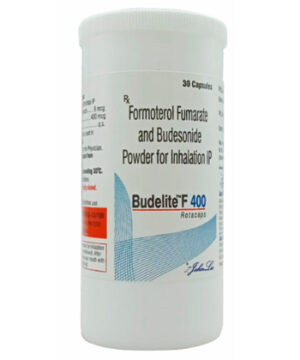
Budesonide/Formoterol Inhaler (Australia) – Patient-Friendly Guide
Budesonide–formoterol inhalers are medicines used to help control asthma and, in some cases, chronic lung conditions. They combine two different medicines in one device: budesonide (an anti-inflammatory corticosteroid) and formoterol (a fast-acting bronchodilator). This combination can improve breathing, reduce inflammation in the airways, and help keep symptoms under control.
This page explains how the inhaler works, how to use it effectively, typical timing, interactions, safety information, and what to expect in daily life. It is written for patients in Australia and includes practical tips and frequently asked questions.
At a Glance (Quick Facts)
- Medicines: Budesonide + Formoterol
- Type: Inhaled combination medicine
- Used for: Asthma control; may also be used in some chronic airway conditions (depending on the specific product and clinician advice)
- How it works: Reduces airway inflammation (budesonide) and relaxes airway muscles (formoterol)
- How fast it starts: Formoterol acts quickly; budesonide helps over days to weeks
- Key tip: Use the inhaler correctly every time to get the full benefit
Basic Product Information
The inhaler contains two active ingredients:
- Budesonide: an inhaled corticosteroid (anti-inflammatory) that helps calm inflammation and swelling in the airways.
- Formoterol: a long-acting beta2-agonist (LABA) with rapid onset, which helps open the airways.
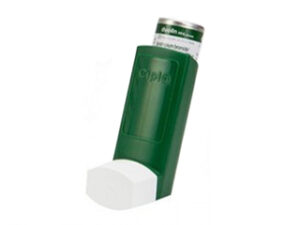
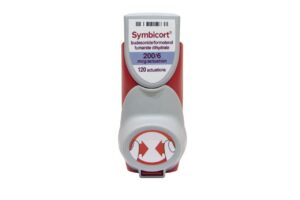
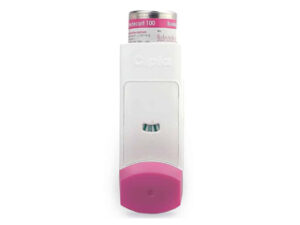
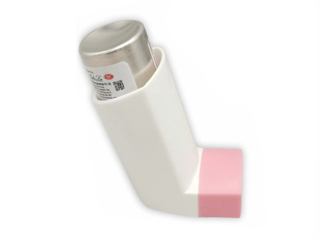
Budesonide/formoterol inhalers come in different strengths and device types. Your exact product (including strength and inhaler device) may vary. Always follow the instructions on your specific medicine label and the directions provided by your healthcare professional.
Mechanism of Action (How It Works)
1) Budesonide – controls inflammation
In asthma, airway walls can become inflamed and swollen. This inflammation makes the airways extra sensitive and prone to narrowing. Budesonide helps reduce this inflammation by affecting gene activity in airway cells and decreasing inflammatory signalling. Over time, this leads to:
- Less airway swelling
- Reduced mucus production
- Lower airway hyper-responsiveness
- Fewer symptoms and flare-ups
2) Formoterol – relaxes airway muscles
Formoterol stimulates beta2 receptors in the airway smooth muscle. This relaxes the muscle around the airways, leading to bronchodilation (opening of the airways). Because formoterol can act quickly, it helps relieve symptoms and improves airflow soon after inhalation.
Why the combination is helpful
Many asthma symptoms come from both inflammation and airway narrowing. Using budesonide and formoterol together targets both aspects:
- Budesonide works to reduce the underlying inflammation.
- Formoterol provides faster symptom relief by opening airways.
Pharmacokinetics (Absorption and How the Body Handles It)
When inhaled, most of the medicine is delivered to the airways. A portion may be swallowed after use and then absorbed from the gastrointestinal tract. Actual absorption can vary depending on inhaler technique and device type.
Typical patterns
- Inhalation delivery: Drug reaches the lungs where it can exert its local effect.
- Swallowed fraction: Some of the inhaled dose may be swallowed, contributing to systemic absorption.
- Metabolism: Both medicines are metabolised in the body, mainly through liver pathways.
- Elimination: Metabolites are primarily eliminated via urine and other routes depending on the medicine.
For patients, the practical implication is: correct inhaler technique matters because it improves how much drug reaches the lungs rather than being swallowed.
Typical Uses in Australia
Budesonide/formoterol inhalers are commonly used for:
- Asthma management, including regular maintenance therapy to reduce symptoms and risk of flare-ups.
- Reliever use in appropriate regimens (depending on product and plan). Some treatment approaches use the combination inhaler both for maintenance and symptom relief.
- Chronic obstructive pulmonary disease (COPD) or other airway conditions in select cases, depending on the specific product approved for that indication and clinician advice.
Because indications and dosing schedules depend on the exact product and your personal asthma plan, always check your medicine label and follow your healthcare professional’s instructions.
When and How to Time Your Doses
Timing depends on whether you are using the inhaler:
- For regular prevention (maintenance): usually scheduled, often twice daily.
- For symptom relief (in some regimens): used at the onset of symptoms as directed in your action plan.
Common timing examples
- Morning and evening: Take one dose in the morning and one dose in the evening, about 12 hours apart.
- Before exercise (if advised): Some people may use medication before physical activity if their asthma plan recommends it.
If you miss a dose, do not double up unless your clinician or action plan instructs you to do so. If you are unsure, follow the directions on the product label or speak with your pharmacist.
Food Interactions
Food interactions are generally not a major concern for inhaled budesonide/formoterol because the medicine is delivered mainly to the lungs. Small amounts swallowed are usually metabolised normally and are unlikely to be significantly affected by typical foods.
However, your overall health can influence asthma control. Try to maintain:
- A balanced diet
- Hydration, especially if you have mucus or wheeze
- Consistent meal timing if reflux triggers your asthma symptoms (for some people)
If you take other medicines and have questions about specific interactions, check with a healthcare professional.
Alcohol and Medicine Interactions
Alcohol
There is no single universal rule that alcohol is unsafe with budesonide/formoterol for everyone. However:
- Alcohol can trigger asthma symptoms in some individuals (wheeze, coughing, shortness of breath).
- It may worsen dehydration or sleep quality, indirectly affecting symptoms.
- Heavy drinking can impair adherence to your asthma plan.
If you notice symptoms after alcohol, discuss it with your clinician.
Interactions with other medicines
Some medicines can affect how formoterol works or can increase side effects. Tell your pharmacist or doctor about all medicines you use, including regular tablets, inhalers, herbal products, and over-the-counter drugs.
Examples of medicines that may require extra caution:
- Other beta2-agonists or bronchodilators: combining can increase side effects such as tremor or palpitations.
- Beta-blockers (some are used for heart conditions): can reduce the effect of formoterol. Non-selective beta-blockers are of particular concern.
- Diuretics (water tablets) and medicines that reduce potassium: formoterol may further lower potassium in some situations, which can affect heart rhythm.
- Some medicines for infections (e.g., certain antibiotics) or fungal infections: these may influence metabolism pathways of corticosteroids or related compounds.
- Systemic corticosteroids: combining may increase corticosteroid exposure and side effects depending on doses and duration.
This is not a complete list. Interactions depend on the individual medicine and your dose. Your pharmacist can provide tailored advice.
Indications (When It Is Used)
In Australia, budesonide/formoterol is indicated for the conditions described on the specific product’s approved information. Common indications include:
- Asthma—to maintain control and reduce the likelihood of flare-ups.
- Asthma symptoms—as part of an action plan where the regimen includes using the same inhaler for symptom relief (depending on product and clinician guidance).
- COPD—in certain products and patient groups (only where the product is approved for that use).
Always confirm your intended use with your doctor or pharmacist, particularly if you are switching between brands or strengths.
Dosing (General Guidance)
Dosing varies by:
- Your age group
- Your asthma severity/control
- The strength of the inhaler (micrograms per actuation)
- Your treatment plan (maintenance only vs maintenance + reliever approach)
Important: Use the exact number of puffs and schedule on your product label or asthma action plan. Do not change the dose or stop the medicine without medical advice.
Common dosing patterns (illustrative)
- Maintenance (prevention): often 1 puff twice daily (morning and evening) depending on strength.
- Symptom relief: if your plan allows, take extra puffs at symptom onset as directed.
If you find yourself needing the reliever component frequently, your asthma may not be well controlled and you should seek advice.
Safety Profile and Side Effects
Like all medicines, budesonide/formoterol can cause side effects. Many are mild and improve as your body adjusts. Some effects suggest the dose may be too high or technique may be causing more medicine to enter your mouth/throat.
Common side effects
- Hoarseness or voice changes
- Throat irritation
- Mouth or throat fungal infection (thrush) – especially if you do not rinse your mouth
- Tremor or mild shaking
- Headache
- Palpitations or a fast heartbeat (often dose-related)
- Muscle cramps or low potassium symptoms in some cases
Less common but serious symptoms (seek urgent medical help)
- Severe allergic reaction (swelling of face/lips, rash, breathing difficulty)
- Chest pain, fainting, or irregular heartbeat that feels severe or persistent
- Sudden worsening breathing (paradoxical bronchospasm is rare but serious)
- Signs of adrenal suppression are uncommon with inhaled medicines at appropriate doses, but risk can increase with high or long-term doses—discuss any concerns with your clinician.
Corticosteroid-related considerations
Budesonide is an inhaled corticosteroid. At typical inhaled doses, systemic effects are generally lower than with oral steroids, but long-term use may still require monitoring. Your clinician may review:
- Growth in children
- Bone health risk factors
- Eye health (e.g., cataracts or glaucoma) if relevant
Practical Use Tips (To Get the Best Results)
1) Use correct inhaler technique
Good technique helps deliver medicine to your lungs. Different devices (e.g., pressurised inhalers, dry powder inhalers, and other formats) have different steps. Always learn the exact method for your specific device.
2) Rinse your mouth after use
Because budesonide can cause thrush or hoarseness, rinse your mouth and spit (or brush teeth if advised) after each dose. This simple step can significantly reduce side effects.
3) Don’t stop suddenly without advice
Budesonide helps control inflammation. Stopping abruptly may allow symptoms to return. If your clinician plans to step down therapy, they will usually do so gradually.
4) Keep track of your symptoms
If you regularly need symptom-relief doses, wake at night, or experience activity limitation, it may be a sign that your asthma is not optimally controlled.
5) Use your action plan
If your asthma has an action plan, follow it for: mild symptoms, worsening symptoms, and when to seek urgent care.
When It’s Not Working (Troubleshooting)
If your breathing remains difficult after using your inhaler:
- Check inhaler technique (if possible, ask a pharmacist to observe you)
- Check the dose counter or device status (if your product has one)
- Make sure the medicine is not expired and has been stored correctly
- Consider triggers such as smoke, allergens, cold air, viral infections, or exercise
If symptoms are severe or rapidly worsening, seek urgent medical help according to your action plan.
Alternative Options
Depending on your diagnosis and how well your asthma or airway condition is controlled, your clinician may consider other options. Alternatives may include:
- Inhaled corticosteroid (ICS) alone for some people with mild to moderate asthma.
- ICS/LABA combinations with different strengths or different LABA choices.
- Leukotriene receptor antagonists (tablets) in select patients.
- Long-acting bronchodilators for COPD depending on symptoms and airflow limitation.
- Biologic therapies for specific asthma phenotypes (e.g., allergic or severe eosinophilic asthma) under specialist care.
- Other reliever medicines such as short-acting beta2-agonists (SABA) when included in your plan.
Your best choice depends on symptom pattern, exacerbation history, triggers, age, and response to past treatment. Do not switch without professional guidance.
Market and Legal Context for Australia
Medicines for asthma and other airway conditions are regulated in Australia through the Therapeutic Goods Administration (TGA). Budesonide/formoterol inhalers are available as approved products with specific indications, strengths, and dosing instructions.
In Australia, inhaled asthma medicines are typically managed within guideline-based care. Treatment is often based on the severity of asthma, frequency of symptoms, and the risk of flare-ups. Healthcare professionals may use national and international guidance to determine the most appropriate regimen for each patient.
Online pharmacies in Australia follow relevant laws and service standards, including safe supply processes. The exact availability and the steps required for ordering can differ by pharmacy and product type.
Recent Guidance and Updates (What to Watch)
Asthma management guidance evolves over time as evidence and clinical practice develop. Common themes in modern asthma care include:
- Using inhaled anti-inflammatory therapy consistently to reduce flare-ups.
- Correct inhaler technique and regular review of control.
- Stepping treatment up or down based on symptom control and exacerbation history.
- Approaches that may use an ICS-containing inhaler for both maintenance and relief in selected patients (depending on product and clinician plan).
If you are unsure whether your inhaler is intended for maintenance-only or for both maintenance and symptom relief, check your asthma plan or speak with your pharmacist.
Delivery and Availability (Online Pharmacy)
Budesonide/formoterol inhalers are commonly stocked by Australian online pharmacies, subject to availability, product type, and local supply arrangements. Delivery options can vary by pharmacy, including standard and express post. Delivery timeframes depend on your location and stock status.
When ordering online, you may be asked to confirm details such as:
- The specific strength and device type you need
- How many units you want to purchase
- Correct customer information for safe supply processes
To avoid delays, ensure the product strength and instructions match your current regimen. If you are switching inhalers, ask your pharmacist to confirm how to use the new device properly.
Storage
- Store in a cool, dry place as directed on the packaging.
- Protect from moisture and excessive heat.
- Keep out of reach of children.
- Check the expiry date and replace if expired.
FAQ (Frequently Asked Questions)
1) How quickly does budesonide/formoterol work?
Formoterol typically starts helping soon after inhalation, which can improve airflow and breathing relatively quickly. Budesonide works mainly by reducing inflammation and may take days to weeks to achieve full preventive benefit.
2) Should I rinse my mouth after using the inhaler?
Yes. Rinsing your mouth and spitting (or brushing teeth if advised) after each dose reduces the risk of thrush and hoarseness associated with inhaled corticosteroids.
3) Can I use this inhaler when I’m having symptoms?
It depends on your personal asthma plan and the specific product regimen. Some treatment plans allow the budesonide/formoterol inhaler to be used for symptom relief as well as maintenance. Always follow the directions on your action plan or product instructions.
4) What should I do if my symptoms get worse?
Follow your asthma action plan. If you are getting increasing symptoms, waking at night, needing frequent doses, or breathing becomes difficult, seek medical advice promptly. For severe symptoms, seek urgent medical help.
5) Will using this inhaler cause dependence?
Inhaled budesonide/formoterol is not typically described as “dependence-forming” like some older reliever patterns. However, asthma is a chronic condition, and regular control is important. Do not stop the inhaler suddenly unless your clinician advises it.
6) Are there long-term risks?
Most long-term inhaled use is considered safe when taken at appropriate doses. Potential longer-term effects are related to inhaled steroid exposure (for example, thrush, voice changes, and possible systemic effects at high doses). Regular reviews help keep treatment appropriate and the lowest effective dose can be used when possible.
7) Can I drink alcohol while using it?
For many people, moderate alcohol is not a direct interaction. However, alcohol can worsen asthma symptoms in some individuals. If you notice triggers, discuss with your pharmacist or doctor.
8) What if I forget a dose?
If you miss a planned maintenance dose, take it when you remember unless it is close to the next dose. Avoid doubling doses unless advised by your clinician or action plan.
9) What about exercise and inhaler use?
Exercise can trigger asthma symptoms for some people. Your clinician may recommend using your inhaler before exercise or adjusting your maintenance plan. Use your asthma action plan for personalised guidance.
10) What device technique should I use?
The correct technique depends on the exact inhaler device model. Ask your pharmacist to demonstrate your specific device, especially if you are new to it or switching brands.
Summary
Budesonide/formoterol inhalers combine two medicines to support asthma control: budesonide reduces airway inflammation, while formoterol opens the airways and helps relieve symptoms. With correct technique, mouth rinsing after use, and adherence to your asthma action plan, many people achieve better daily breathing and fewer flare-ups. If symptoms change or you need the medicine more often than usual, seek professional advice to keep your treatment optimised.