

Trimox (Amoxicillin) – Patient-Friendly Guide (Australia)
Trimox is a brand of amoxicillin, an antibiotic widely used in Australia to treat certain bacterial infections. This page explains how Trimox works, when it may be used, typical dosing timing, food and alcohol considerations, safety information, and practical tips to help you take it correctly.
Note: This information is intended to be helpful and easy to understand. It does not replace advice from a healthcare professional.
Basic Product Information
- Medicine name: Trimox
- Active ingredient: Amoxicillin
- Medicine type: Antibiotic (penicillin family)
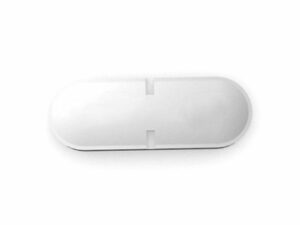
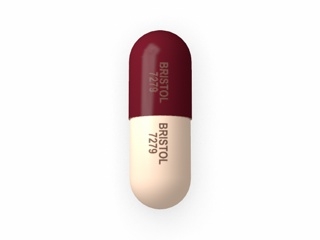
- Common strengths (may vary by product/format): Available in capsules/tablets and as oral suspensions
- How it’s taken: By mouth
Amoxicillin is used for infections caused by bacteria that are sensitive to it. It is not effective against viruses (such as the common cold or flu).
How Trimox Works (Mechanism of Action)
Amoxicillin belongs to the beta-lactam antibiotics. It works by interfering with how bacteria build and repair their cell walls.
- Amoxicillin binds to penicillin-binding proteins (PBPs) in susceptible bacteria.
- This prevents proper cell wall formation.
- The bacterial cell wall becomes weak, and bacteria are more likely to die—especially as they grow and divide.
Clinically, this leads to improving symptoms and reducing the number of bacteria causing the infection.
Pharmacokinetics (How the Body Handles It)
Understanding pharmacokinetics can help you take the medicine at the right times.
- Absorption: Amoxicillin is absorbed from the gastrointestinal tract. It generally works well when taken by mouth.
- Distribution: It can distribute into many body fluids and tissues; levels depend on the infection site and inflammation.
- Metabolism: Only a small portion is metabolised.
- Elimination: Mostly excreted through the kidneys in urine. Kidney function can affect how quickly the medicine leaves the body.
- Half-life: Commonly around 1 hour in people with normal kidney function (can be longer with kidney impairment).
Practical takeaway: Because amoxicillin is cleared relatively quickly, it’s usually taken multiple times per day or as directed to maintain effective levels.
Typical Uses in Australia
Trimox (amoxicillin) may be used for infections caused by bacteria known or expected to be sensitive to amoxicillin. Your prescriber may choose it based on the likely bacteria, the infection type, local resistance patterns, and your medical history.
Common indications include:
- Ear, nose and throat infections: e.g., some cases of otitis media (middle ear infection), tonsillitis/pharyngitis when bacterial
- Respiratory tract infections: e.g., certain bacterial chest infections as assessed by a clinician
- Dental infections: e.g., some infections related to teeth or gums
- Skin and soft tissue infections: depending on cause and sensitivity
- Urinary tract infections (UTIs): in selected cases where amoxicillin is appropriate
Important: Antibiotics are only appropriate when a bacterial infection is likely or confirmed. Using antibiotics for viral illnesses contributes to antibiotic resistance and can cause avoidable side effects.
Indications (When It May Be Considered)
In Australia, antibiotic choice is guided by current clinical guidance, local microbiology/resistance patterns, and individual patient factors (such as age, allergies, kidney function, and severity of illness).
Trimox may be considered for:
- Suspected or confirmed infections due to susceptible organisms
- Conditions where amoxicillin is a recommended first-line option in accordance with local guidance
- Some childhood infections when bacterial and appropriate dosing is used
Your clinician may also consider culture results or response to treatment if symptoms do not improve as expected.
Dosing Overview (General Information)
Dose depends on: the infection type, severity, age and weight (especially in children), kidney function, and local guidance. Always follow the dosing instructions provided with your specific product and patient plan.
Below is general information on timing and how dosing is commonly structured. It is not a substitute for individual medical advice.
Typical dosing frequency
- Adults and some children: often taken two to three times daily depending on the condition and formulation
- Children: dosing is often weight-based and may vary by age and the specific infection
How to take the medicine
- Try to take it at regular times each day.
- Use the measuring device provided for liquid/suspension forms.
- Shake suspensions well (if your product label instructs).
How long to take it
Antibiotic courses are usually prescribed for a specific duration (often several days to more). Completing the course is important to reduce the chance of relapse and to help prevent resistance.
If you feel better early: do not stop early unless your healthcare professional tells you to.
When to Take Trimox (Timing Tips)
Because amoxicillin dosing is usually multiple times daily, timing can help keep drug levels consistent.
- Twice daily regimens: aim for roughly 12 hours apart (e.g., 8am and 8pm).
- Three times daily regimens: aim for roughly 8 hours apart (e.g., morning, mid-afternoon, bedtime).
- Missed dose: take it when you remember if it’s close to the next dose. If it’s nearly time for the next dose, skip the missed one. Do not double dose.
Food Interactions (Can You Take It With Meals?)
Amoxicillin can generally be taken with or without food.
- With food: may help reduce nausea or stomach upset for some people.
- Without food: some people tolerate it well, but if you experience indigestion, consider taking it with a light meal or snack.
Practical approach: follow your medicine label instructions. If you’re unsure, ask your pharmacist.
Alcohol and Medicine Interactions
Alcohol
There is no universally required “no alcohol” rule for amoxicillin in all cases. However, alcohol can:
- Worsen dehydration or stomach irritation
- Impair recovery when you are unwell
- Increase risk of missed doses if you’re affected by intoxication
Recommendation: it’s generally best to avoid or limit alcohol while you’re taking an antibiotic, especially if you’re feeling unwell. If you drink, keep it light and do not use alcohol to “treat” symptoms.
Other medicine interactions (common considerations)
Always tell your healthcare professional or pharmacist about all medicines and supplements you use. Key interaction themes include:
- Probenecid: may increase amoxicillin levels by reducing kidney clearance.
- Warfarin (and other anticoagulants): antibiotics can sometimes affect bleeding risk (through gut bacteria changes and vitamin K effects). Monitoring may be needed.
- Oral contraceptives: most antibiotics (including amoxicillin) are not typically known to reduce effectiveness, but vomiting or diarrhoea can. If you have significant diarrhoea/vomiting, consider extra contraception advice from a clinician.
- Allopurinol: can increase the likelihood of rash in some people when combined with amoxicillin.
- Other antibiotics: combination choices may be deliberate for specific infections; do not self-combine antibiotics.
- Kidney-related medicines: dosing adjustments may be needed if kidney function is affected.
Always check your medication list. If you’re taking multiple medicines, it’s safer to ask a pharmacist for personalised interaction checking.
Safety Profile and Common Side Effects
Most people tolerate Trimox well, but side effects can occur. If you are concerned about any symptom, seek medical advice.
Common side effects
- Diarrhoea (mild to moderate)
- Nausea or upset stomach
- Skin rash or mild itching
- Headache (sometimes)
Serious side effects (seek urgent help)
Get urgent medical help if you develop:
- Signs of an allergic reaction: swelling of face/lips, breathing difficulty, wheezing, or widespread hives
- Severe skin reactions: blistering, peeling, or sores in mouth/eyes
- Severe or persistent diarrhoea (especially if watery/bloody, with fever or significant abdominal pain)
- Unusual bruising or bleeding (if you take anticoagulants)
Allergy and cross-reactivity
Do not take amoxicillin if you have had a serious allergy to penicillins or certain cephalosporins (depending on your allergy history). Tell your pharmacist/doctor about any past reactions, including rash vs anaphylaxis.
Who should be extra cautious?
- People with a history of penicillin allergy
- Those with kidney impairment (dose adjustments may be needed)
- People with previous antibiotic-associated diarrhoea
- Patients with mononucleosis (amoxicillin-associated rash is more common in some cases)
Practical Use Tips (Getting the Best Results)
- Complete the course: even if symptoms improve.
- Keep a schedule: set reminders for your doses.
- Use correct measuring for liquids: especially for children and suspension forms.
- Store properly: follow the pack instructions (capsules/tablets vs suspensions may differ).
- Track response: if symptoms do not improve within the expected timeframe, contact your healthcare professional.
- Hydration and rest: support recovery alongside antibiotics.
- Manage mild diarrhoea: drink fluids; if diarrhoea becomes severe or bloody, seek help.
When to contact a clinician: if your fever worsens, symptoms significantly deteriorate, or you develop signs of allergy.
What to Expect During Treatment
For many bacterial infections, symptom improvement begins within a couple of days. Response timing varies depending on the site of infection and severity.
- Ear/throat infections: pain and fever may improve within 48–72 hours if the bacteria are susceptible.
- Chest/skin infections: improvement may be gradual; the clinician may review if not improving.
- UTIs: urinary symptoms may improve over 1–3 days, but completion of the full course is important.
If there is no improvement or there is clinical worsening, your clinician may reassess the diagnosis, adherence, and whether a different antibiotic is needed.
Alternative Options
Depending on the infection, bacteria suspected, and your allergy history, clinicians may choose other antibiotics or treatment strategies. Alternatives can include:
- Other beta-lactams: such as cephalosporins (where appropriate)
- Macrolides: such as azithromycin or clarithromycin (selected cases)
- Doxycycline or other options: for specific bacterial targets and patient profiles
- Topical treatments: for certain localized skin infections (if appropriate)
- Supportive care: for mild infections where antibiotics may not be needed
Why alternatives matter: choosing the right antibiotic helps reduce resistance and improves outcomes. If you’ve had a reaction to amoxicillin, your clinician can advise safer options.
Market and Legal Context for Australia
In Australia, antibiotics such as amoxicillin are regulated medicines. They are supplied in line with Australian medicines legislation and pharmacy requirements, including proper patient identification, counselling, and appropriate dispensing processes.
Healthcare professionals and pharmacists play an important role in:
- Confirming that antibiotics are appropriate for the suspected condition
- Checking allergy history and medication interactions
- Ensuring correct dose and duration
- Promoting responsible antibiotic use to limit antimicrobial resistance
Antimicrobial stewardship is a key public health focus in Australia. This encourages using antibiotics only when indicated and choosing the most suitable option.
Recent Guidance (Antibiotic Stewardship)
Australian antibiotic use is guided by evidence-based recommendations and antimicrobial stewardship efforts. Common themes in modern guidance include:
- Avoiding antibiotics for viral illnesses (e.g., colds and flu)
- Using the narrowest effective antibiotic whenever possible
- Reviewing treatment if there is no improvement
- Reducing unnecessary duration while still ensuring adequate treatment
- Improving adherence by counselling on dose timing and completing courses
Guidelines may update as new resistance patterns and clinical evidence emerge. Your pharmacist can also help interpret general recommendations for your situation.
Delivery and Availability (Online Pharmacy Australia)
Trimox (amoxicillin) is commonly available through pharmacy supply chains in Australia. Availability can vary by:
- Brand and strength (capsule/tablet vs oral suspension)
- Quantity and packaging size
- Manufacturing and distribution schedules
Delivery: Online pharmacies typically provide delivery to eligible Australian addresses within standard business days. Delivery timeframes depend on location and courier services. If a product is temporarily unavailable, reputable services may offer:
- Alternative available packs (same active ingredient)
- Notification and options while awaiting restock
- Expected delivery updates
Storage after delivery: Check the pack for storage instructions. Keep out of reach of children and store at the recommended temperature (and protect from moisture if instructed).
FAQ – Trimox (Amoxicillin)
1) What is Trimox used for?
Trimox (amoxicillin) is used to treat infections caused by bacteria that are susceptible to it—commonly some ear, throat, respiratory, skin, dental, and urinary infections, depending on local guidance and clinical assessment.
2) Can I take Trimox for a cold or flu?
No. Colds and flu are usually caused by viruses, and antibiotics like amoxicillin do not treat viruses. Using antibiotics when they are not needed can cause side effects and contribute to antibiotic resistance.
3) How long does it take to work?
Many people start to feel better within 48–72 hours for susceptible infections. If you don’t improve, or you worsen, contact your healthcare professional for reassessment.
4) Should I take it with food?
Trimox can usually be taken with or without food. Taking it with food may reduce stomach upset for some people.
5) What should I do if I miss a dose?
Take it when you remember if it’s not close to the next dose. If the next dose is due soon, skip the missed dose. Do not double dose.
6) Is it safe to drink alcohol while taking Trimox?
Light alcohol may not be strictly prohibited for everyone, but alcohol can worsen dehydration and make it harder to recover. The safest approach is to limit alcohol or avoid it while you’re unwell and taking antibiotics.
7) Can Trimox cause diarrhoea?
Yes, diarrhoea is a relatively common side effect. Seek urgent advice if diarrhoea is severe, watery, persistent, or contains blood—especially if you also have fever or significant abdominal pain.
8) What if I get a rash?
Mild rash can occur. However, widespread hives, facial swelling, breathing difficulty, or blistering/peeling skin can signal a serious reaction. Seek urgent medical help if severe symptoms occur.
9) Who should not take amoxicillin?
People with a history of serious allergy to penicillins (or those advised to avoid penicillins) should not take it. Always share your allergy history with a clinician or pharmacist.
10) Are there medicines that interact with Trimox?
Some medicines can interact or require monitoring—such as warfarin, probenecid, and others. If you take other medications, a pharmacist can check for interactions.
11) Are probiotics helpful?
Some people find probiotics helpful for antibiotic-associated gut upset. Evidence varies, and choices depend on your health status. If you’d like to try a probiotic, discuss it with your pharmacist—especially if you are immunocompromised.
12) What should I do with leftover medicine?
Do not save leftover antibiotics for future illnesses. Return unused medicine to a pharmacy where take-back services may be available, or follow local disposal advice.
Summary
Trimox (amoxicillin) is a penicillin-family antibiotic used for bacterial infections in appropriate cases. It works by preventing bacteria from building their cell walls and is typically taken multiple times daily depending on the condition. Taking it consistently (and for the full course) supports effectiveness. Like all medicines, it can cause side effects; seek urgent help for severe allergic reactions or dangerous diarrhoea.