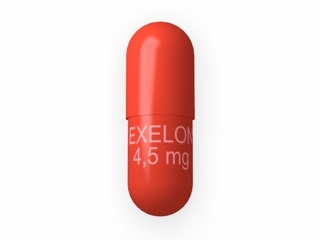

Exelon® (Rivastigmine Tartrate) — Patient Information (Australia)
Exelon® is a medicine used to help manage symptoms of certain types of dementia. It contains rivastigmine tartrate, a medicine that works by increasing levels of chemicals involved in memory and thinking.
This guide is designed to be easy to read and helpful for patients and carers. It covers what Exelon does, how it works, typical use, timing, food and alcohol considerations, interactions with other medicines, safety information, practical tips, and frequently asked questions. Information here is general and does not replace advice from your doctor or pharmacist.
Basic product information
| Item | Details |
|---|---|
| Medicine name | Exelon® (Rivastigmine tartrate) |
| Active ingredient | Rivastigmine tartrate |
| Common forms | Oral capsules or oral solution; Exelon is also available as a transdermal patch in some markets (availability may vary) |
| How it works | Inhibits acetylcholinesterase and butyrylcholinesterase (cholinesterase inhibitors) |
| Typical aim of treatment | Helps maintain or slow worsening of cognitive and behavioural symptoms in selected dementias |
Note: Brand strength and presentation may differ between products (capsule/solution/patch). Always confirm the exact product strength you have received.
What Exelon is used for (typical indications)
Exelon is commonly used for:
- Alzheimer’s disease (symptomatic treatment in selected patients).
- Parkinson’s disease dementia (for symptoms of dementia in people with Parkinson’s disease).
It does not cure dementia. Instead, it may help with symptoms and can sometimes slow functional decline for a period of time. Response varies from person to person.
How Exelon works (mechanism of action)
Rivastigmine is a cholinesterase inhibitor. It works by blocking enzymes that break down acetylcholine and related chemical messengers in the brain.
- By inhibiting acetylcholinesterase and butyrylcholinesterase, Exelon can increase acetylcholine availability.
- This may support memory, thinking, and other cognitive functions in dementias where cholinergic activity is reduced.
Because dementia affects multiple brain systems, Exelon’s benefit is usually symptomatic and may be modest.
Pharmacokinetics (how the body handles Exelon)
Pharmacokinetics describes what happens to a medicine after you take it.
- Absorption: When taken by mouth, rivastigmine is absorbed from the gastrointestinal tract. Plasma levels rise after dosing.
- Distribution: Rivastigmine distributes through the body and can reach the brain.
- Metabolism: Rivastigmine is primarily metabolised in the body, mainly via cholinesterase-related processes.
- Elimination: Metabolites are cleared primarily through the kidneys (excretion).
Because rivastigmine can cause gastrointestinal side effects, dose adjustments and gradual titration are often used to improve tolerability.
Important: Pharmacokinetics may differ slightly between oral forms and patches. Follow the specific instructions for your product type.
Dosing and timing
Dosing for Exelon is typically individualised and often begins at a low dose, then increases gradually depending on response and side effects.
General dosing principles
- Start low, go slow: Gradual increases help reduce nausea, vomiting, diarrhoea, dizziness, and appetite loss.
- Regular schedule: Keeping doses consistent can support steady symptom control.
- Take with food: For oral forms, taking with meals may reduce gastrointestinal side effects.
- If you miss a dose: Follow the guidance provided by your pharmacist/doctor for your exact product. Do not double up without advice.
Example timing (oral medicines)
Many oral regimens are divided into doses across the day. A common approach is:
- Twice daily: Doses are spaced morning and evening (or morning and night), often with meals.
Example timing (transdermal patch)
If you use the patch form, timing generally follows:
- Once daily application: Apply to clean, dry, intact skin on a regular schedule.
- Rotate application sites: To reduce skin irritation, rotate between recommended areas.
Always check: Your medicine label for the exact schedule and instructions for your particular formulation.
Food interactions and taking Exelon
Food can influence tolerability, particularly with oral rivastigmine.
- Oral capsules/solution: Taking with food may help reduce stomach upset (nausea, vomiting, loss of appetite).
- Consistency helps: Try to take it at similar meal times each day.
If you experience persistent nausea, your clinician may reduce the dose or slow the titration. Do not stop suddenly without medical advice.
Alcohol interactions
Alcohol may worsen dizziness, drowsiness, and gastrointestinal side effects. While there may not be a strict “absolute” interaction for all patients, it is generally advisable to:
- Avoid or limit alcohol if you notice increased side effects.
- Be cautious with alcohol especially if you have falls risk or low blood pressure.
If you drink alcohol, discuss the amount and timing with your pharmacist or doctor.
Medicine interactions (and what to tell your pharmacist)
Tell your healthcare professional about all medicines you take, including over-the-counter products and herbal supplements. Several medicines can be affected by or affect cholinesterase inhibitors.
Common interaction considerations
- Other medicines affecting the autonomic nervous system: Because Exelon increases cholinergic activity, combining with other drugs that alter this system may increase side effects (such as nausea, bradycardia, or stomach cramps).
- Medicines that slow heart rate: Exelon may increase the chance of slow pulse in susceptible people. Caution may apply with medicines that also lower heart rate.
- Other dementia medicines: If you are taking other cognitive enhancers, your clinician may carefully review the combination plan.
- Anticholinergic medicines: These can work in the opposite direction to cholinesterase inhibitors. Your pharmacist can check for potential loss of effect.
Practical advice for interactions
- Bring a list of all medicines (or a photo of labels) to your pharmacy visit.
- Include: heart medicines, sleep medicines, anti-nausea medicines, bladder medicines, allergies/cold & flu products, and any complementary therapies.
Seek urgent help if you develop severe dizziness, fainting, confusion that suddenly worsens, or symptoms of an allergic reaction.
Safety profile and side effects
Like all medicines, Exelon can cause side effects. Not everyone will experience them. Many side effects are related to increased cholinergic activity, especially during dose increases.
Common side effects
- Nausea
- Vomiting
- Diarrhoea
- Loss of appetite (weight loss may occur over time)
- Dizziness
- Fatigue or weakness
- Headache
Less common but important side effects
- Slow heart rate (bradycardia), fainting or near-fainting
- Stomach pain or indigestion
- Dehydration if vomiting or diarrhoea is significant
- Sleep disturbances in some people
Patch-specific (if applicable)
- Skin irritation at the application site (itching, redness)
- Rash or irritation if the skin is not rotated or if it is not intact
When to contact a healthcare professional promptly
- Persistent vomiting or diarrhoea, or signs of dehydration (dry mouth, reduced urination)
- Fainting, severe dizziness, or a very slow pulse
- Unexplained weight loss or inability to eat/drink
- Severe abdominal pain
- Severe skin reaction (for patch use)
When to seek emergency help
- Symptoms of a serious allergic reaction: swelling of face/lips, difficulty breathing, widespread rash
- Chest pain or severe shortness of breath
Practical use tips for patients and carers
Because dementia care often involves routine and support, small practical steps can make Exelon easier to take safely.
- Use a dosing routine: Link dosing to a consistent daily activity (e.g., after breakfast and dinner).
- With food (oral forms): Taking with meals can reduce nausea.
- Hydration matters: If nausea occurs, offer fluids and smaller, frequent meals.
- Monitor appetite and weight: Track weight changes if possible, especially during dose increases.
- Watch for dizziness and falls: Encourage slow position changes and supervise risky activities early in treatment or after dose changes.
- Report side effects early: If side effects begin, contact your pharmacist/doctor—often the dose can be reduced or increased more slowly.
- Adherence support: Pill organisers, blister packs, or medication calendars can reduce missed doses.
- Patch skin care (if applicable):
- Apply to clean, dry, unbroken skin.
- Rotate sites as recommended.
- Avoid placing heat sources (e.g., heating pads) directly over the patch area unless your pharmacist has advised it.
Stopping or changing treatment
Do not stop Exelon abruptly without medical advice. If you miss doses for more than a short period, your clinician may recommend restarting at a lower dose and re-titrating to reduce side effects.
If Exelon is ineffective or side effects are problematic, your healthcare professional may discuss alternative options (see below).
Alternative options for dementia symptoms
There are multiple approaches to managing dementia symptoms. Alternatives depend on the dementia type, severity, and your medical history.
Other cholinesterase inhibitors
- Donepezil — commonly used in Alzheimer’s disease and may be considered depending on local guidance.
- Galantamine — used in Alzheimer’s disease in selected patients.
Other symptom-focused treatments
- Memantine — an NMDA receptor antagonist, often used in moderate to severe Alzheimer’s disease or when appropriate.
Non-medicine supports also matter: cognitive stimulation, structured daily routines, sleep support, hearing/vision correction, physical activity (as safe), caregiver support, and managing vascular risk factors.
Market and legal context for Australia (general overview)
In Australia, dementia medicines such as rivastigmine are regulated and dispensed in accordance with local laws. Depending on the specific product and strength, Exelon may be supplied under the national medicines framework.
Typical key points for patients in Australia include:
- Pharmacist counselling: You should receive clear directions on dosing and side-effect management.
- Prescription-only supply may apply (the exact requirements can depend on product presentation and current scheduling).
- Health authority updates: Product information, safety warnings, and clinical guidance can be updated over time.
Your local pharmacist can confirm current supply requirements and help with documentation if required for ongoing treatment.
Recent guidance and important updates (high-level)
Clinical guidance for dementia care generally emphasises:
- Early assessment of symptoms and accurate diagnosis (including consideration of medication and reversible causes).
- Regular review of benefit versus side effects.
- Gradual titration for cholinesterase inhibitors to improve tolerability.
- Monitoring of weight, appetite, heart rate, hydration status, and falls risk.
Your treating clinician may adjust dosing based on response and side effects. If you’ve recently changed doses, started a new medicine, or are unwell, let your pharmacist know—tolerance can shift during illness or medication changes.
Delivery and availability (online pharmacy)
Availability of Exelon depends on the formulation and strength. Online pharmacies typically aim to provide reliable stock and clear product identification.
- Check product details: Confirm whether your item is capsules, solution, or patch (if offered) and the strength.
- Stock timing: Delivery times may vary, especially for lower-demand strengths.
- Packaging: Medicines are generally supplied in manufacturer packaging suitable for safe storage.
If an item is temporarily unavailable, an online pharmacy may offer alternatives or ordering options. Your pharmacist may also contact you to confirm that the alternative matches your intended dose and regimen.
Storage and handling
To help the medicine remain effective:
- Store according to the label instructions (commonly at controlled room temperature, away from moisture and heat).
- Keep out of reach of children.
- Do not use after the expiry date on the pack.
- If using patches, follow instructions on how to handle and apply them safely.
FAQ — Exelon (Rivastigmine Tartrate)
1) How quickly will Exelon start working?
Some people notice changes gradually over weeks. Exelon is usually titrated slowly, and benefits are assessed over time. If symptoms worsen significantly, contact your healthcare professional.
2) What should I do if I feel nauseated after starting Exelon?
Nausea is common, especially early in treatment or after dose increases. Taking oral Exelon with food, staying well hydrated, and reporting symptoms early can help. Your clinician may reduce the dose or slow titration.
3) Can Exelon be taken with meals?
For oral forms, taking with food can reduce gastrointestinal side effects. Try to take doses at consistent meal times each day unless your pharmacist advises otherwise.
4) Does Exelon cause weight loss?
Weight loss can occur due to reduced appetite. Monitoring weight and appetite—especially during dose increases—is recommended. If you notice significant changes, talk to your pharmacist or doctor.
5) Is Exelon safe for everyone with dementia?
Exelon is used for specific dementia types and patient groups. Safety depends on your overall health, other medicines, and tolerance. A clinician will consider heart rate, stomach issues, and other risk factors.
6) What are the signs of low heart rate that I should watch for?
Be alert for fainting, severe dizziness, unusual tiredness, or feeling “light-headed.” If you notice these, seek prompt medical advice.
7) Can I take other medicines at the same time?
Many medicines can be taken with Exelon, but some combinations may increase side effects or reduce effectiveness. Always review your medication list with your pharmacist, including over-the-counter products.
8) How do I manage missed doses?
Missed-dose advice depends on how many doses you missed and your formulation. Contact your pharmacist for guidance on your specific schedule—do not double doses unless instructed.
9) Are there differences between oral Exelon and patch forms?
Yes—dose delivery differs and side effect patterns may vary. Oral dosing is typically twice daily for many regimens, while patches are generally applied once daily. Follow the directions for your exact product.
10) Where can I get support for dementia care in Australia?
In Australia, many carers benefit from support services and education through local health organisations and dementia support networks. Your GP, pharmacist, and local dementia support services can help you find resources.
Summary
Exelon (rivastigmine tartrate) is a cholinesterase inhibitor used to manage symptoms of Alzheimer’s disease and Parkinson’s disease dementia. It works by increasing acetylcholine levels, which may support cognitive function. Like many dementia medicines, it can cause gastrointestinal and other side effects, particularly during dose increases—so gradual titration, taking with food (for oral forms), and monitoring are important.
If you have any questions about starting Exelon, side effects, dosing timing, or how to manage interactions with your current medicines, a pharmacist can help you make a safe plan.