
Zestoretic (Lisinopril / Hydrochlorothiazide) — Patient Guide (Australia)
Zestoretic is a combination medicine used to treat certain cardiovascular conditions. It contains:
- Lisinopril (an ACE inhibitor)
- Hydrochlorothiazide (a thiazide-like “water tablet” / diuretic)
This guide explains how Zestoretic works, how it’s typically taken, key safety considerations, and common interactions. It is written in a patient-friendly way for readers in Australia.
Basic product information
| Category | Information |
|---|---|
| Medicine | Zestoretic (lisinopril / hydrochlorothiazide) |
| Active ingredients | Lisinopril + Hydrochlorothiazide |
| Common use | High blood pressure (hypertension) and related conditions |
| Dosage forms | Tablets (strengths vary by market product) |
| How it works | ACE inhibition + diuretic (“water” and salt reduction) |
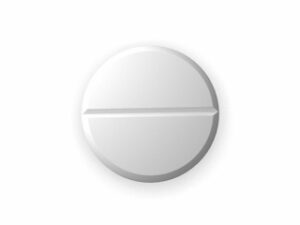
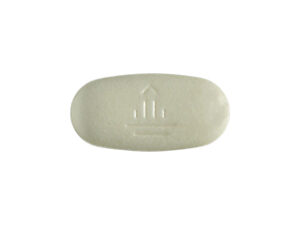
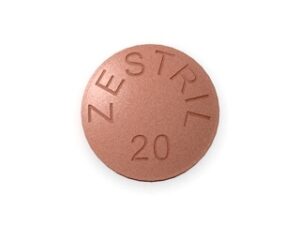
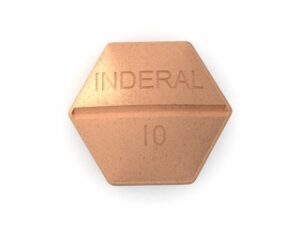
Note: Strengths and the exact appearance of tablets can vary. Always check your pack label for the precise combination and dose.
How Zestoretic works (mechanism of action)
Zestoretic combines two medicines that improve blood pressure control through complementary actions:
-
Lisinopril (ACE inhibitor):
- Blocks the enzyme angiotensin-converting enzyme (ACE).
- Helps relax and widen blood vessels.
- Reduces the body’s production of angiotensin II, a substance that narrows blood vessels and increases blood pressure.
- May also help reduce strain on the heart.
-
Hydrochlorothiazide (thiazide diuretic):
- Helps the kidneys remove excess salt (sodium) and water.
- Reduces blood volume and lowers blood pressure.
- Over time, can also help relax blood vessel tone.
Why the combination? Using both medicines together often provides better blood pressure control than either component alone, especially when blood pressure is not fully controlled.
Pharmacokinetics (how your body handles the medicine)
Understanding timing and effects can help you take Zestoretic safely and effectively. While individual response varies, the following general principles apply:
-
Absorption:
- Lisinopril is absorbed after tablet intake; food does not usually significantly change the overall effect.
- Hydrochlorothiazide is also absorbed after oral dosing.
-
Onset of action:
- Some blood pressure lowering may begin within hours.
- Full effects can take several days to weeks as the body adapts.
-
Peak effect (typical):
- Lisinopril reaches peak levels within several hours.
- Hydrochlorothiazide tends to act within hours after taking the dose.
-
Duration:
- Because it’s designed for once-daily dosing for many people, blood pressure control typically lasts through the day.
- Diuretic (urine-related) effects may be more noticeable earlier after the dose.
-
Elimination:
- Lisinopril is primarily removed by the kidneys.
- Hydrochlorothiazide is also eliminated by the kidneys.
Kidney function matters: If you have kidney impairment, your doctor may adjust dose or monitor blood tests more closely.
Typical use in Australia
Zestoretic is generally used for conditions where blood pressure reduction is important. Common reasons include:
- Hypertension (high blood pressure): especially when a single medicine is not enough.
- Blood pressure control in people at cardiovascular risk: based on overall health assessment.
- Sometimes as part of a broader regimen: alongside lifestyle changes and other cardiovascular medicines.
Australia-wide, ACE inhibitor and diuretic combinations are widely used. Your treating clinician will determine whether this specific combination is appropriate for you.
When to take Zestoretic (timing tips)
Many people take Zestoretic , but timing can vary based on your personal response and other medicines you take.
- For most people: take at the same time each day to keep blood pressure stable.
- If you notice frequent urination: consider taking it earlier in the morning to reduce disruption at night.
- With or without food: it can usually be taken with a glass of water; food typically doesn’t require major timing changes.
-
Missed dose:
- If you remember within a reasonable time, take it when you can.
- If it’s near the next dose, skip the missed dose and resume your usual schedule.
- Do not take double the dose to make up for a missed one.
Food interactions
General rule: Zestoretic can be taken with or without food.
-
Salt intake:
- Because hydrochlorothiazide helps reduce salt-related fluid retention, a high-salt diet may reduce the benefit.
- Reducing excessive table salt and processed foods may support blood pressure control.
-
Grapefruit/juices:
- There is no well-known direct interaction specific to lisinopril/hydrochlorothiazide similar to some other blood pressure drugs.
- However, avoid excessive grapefruit consumption if you have multiple medicines, and check with a pharmacist if you’re unsure.
-
Hydration:
- Stay adequately hydrated, especially during hot weather or if you have nausea/vomiting/diarrhoea.
- Dehydration can increase the risk of dizziness, low blood pressure, and kidney strain.
Alcohol interactions (and practical advice)
Alcohol can increase the blood pressure-lowering effect and may worsen side effects such as dizziness or faintness.
- Start cautiously: if you drink, consider small amounts initially to see how you respond.
- Be extra careful when:
- standing up quickly (risk of orthostatic hypotension)
- starting treatment or after dose changes
- hot weather, dehydration, or illness
- Avoid heavy drinking: it may contribute to dehydration and electrolyte imbalance.
If you have liver disease, heart failure, gout, or take multiple medications, ask a pharmacist for personal guidance.
Medicine interactions
Zestoretic can interact with other medicines, particularly those affecting kidneys, blood pressure, potassium, or fluid balance.
Common interaction themes
- Potassium levels: ACE inhibitors (lisinopril) can increase potassium, while diuretics can decrease it. The net effect is variable, but both high and low potassium are possible.
- Kidney function: combinations that affect kidney blood flow can increase the risk of kidney impairment.
- Blood pressure: other medicines can increase dizziness or low blood pressure.
Examples of medicines that may require extra monitoring
- NSAIDs (e.g., ibuprofen, naproxen, diclofenac):
- May reduce blood pressure benefit and increase kidney strain risk, especially with dehydration or older age.
- Use the lowest effective dose for the shortest time; ask your pharmacist if you need regular NSAIDs.
- Potassium supplements or salt substitutes containing potassium:
- May increase potassium too much.
- Only use if your clinician specifically advises it.
- Other blood pressure medicines (including some heart medicines):
- Can further lower blood pressure; your dose may need adjustment.
- Diuretics and medicines affecting fluid balance:
- May increase dehydration risk.
- Your doctor may monitor electrolytes more closely.
- Lithium:
- May have increased lithium levels and toxicity risk.
- Close monitoring is usually required if used together.
- Diabetes medicines (insulin, sulfonylureas):
- Hydrochlorothiazide can affect blood sugar, and ACE inhibitors can alter sensitivity.
- Monitor glucose and report changes.
- Gout medicines (e.g., allopurinol):
- Hydrochlorothiazide may raise uric acid and can trigger gout in susceptible people.
- Your clinician may adjust gout management.
- Muscle relaxants and some sedation medicines:
- May increase dizziness or low blood pressure effects.
- Immune system medicines and some chemotherapy agents:
- May alter blood counts or interact through kidney effects—seek personalised advice.
Tip: Keep a written list of all your medicines (including over-the-counter products and herbal supplements) and review them with your pharmacist when starting or stopping anything new.
Indications (what it is prescribed for)
In general, Zestoretic is used for hypertension, particularly where combination therapy is suitable. It may also be used as part of broader cardiovascular management under clinical guidance.
Whether Zestoretic is the best choice depends on factors like your blood pressure readings, kidney function, potassium levels, other health conditions, and how you responded to prior medicines.
Dosing (how it is typically taken)
Dosing varies by the strength of tablets and your response. Your clinician will choose the most appropriate starting dose and may adjust it gradually.
- Common regimen: once daily.
- Starting dose: depends on your current blood pressure, kidney function, and whether you were previously taking an ACE inhibitor or a diuretic.
- Adjustments: may be made after blood tests and blood pressure readings.
Do not change your dose without advice. If you are experiencing dizziness, fainting, or swelling, contact a healthcare professional promptly.
Monitoring often includes
- Blood pressure (home readings can be helpful)
- Kidney function (creatinine/eGFR)
- Electrolytes (especially potassium and sodium)
Safety profile (what to watch for)
Like all medicines, Zestoretic can cause side effects. Many people tolerate it well, especially with appropriate monitoring. However, it’s important to recognise potential risks early.
Common or expected side effects
- Dizziness (especially at the start or after dose changes)
- Headache
- Dry cough (can occur with ACE inhibitors)
- Increased urination after taking hydrochlorothiazide (often earlier in the day)
- Low blood pressure symptoms, such as light-headedness when standing
- Fatigue
Important and less common but serious reactions
-
Angioedema (ACE inhibitor-related swelling):
- Watch for swelling of the face, lips, tongue, or throat.
- Seek urgent medical help if this occurs, particularly if breathing or swallowing is affected.
- Allergic reactions: rash, itching, or severe hypersensitivity symptoms.
- Kidney problems: reduced urine output, unusual tiredness, or significant changes in lab results.
-
Electrolyte disturbances:
- muscle cramps, weakness, palpitations, or confusion (can indicate low sodium/potassium or other imbalances)
- Fainting or severe dizziness: may indicate low blood pressure or dehydration.
When to seek urgent help
- Swelling of face/lips/tongue/throat
- Trouble breathing or swallowing
- Fainting, severe weakness, or chest pain
- Severe allergic rash or blistering
Practical use tips for best results
- Take it consistently: set a daily reminder.
- Monitor your blood pressure: home readings can show whether the medicine is working. Track readings in a log.
- Stand up slowly: especially in the morning, to reduce dizziness.
- Stay hydrated (unless advised otherwise): dehydration increases side-effect risk.
- Be sun-smart: hydrochlorothiazide can make skin more sensitive to sunlight. Use sunscreen and protective clothing; report persistent skin changes.
- Keep up lab tests: electrolytes and kidney function are important with ACE inhibitors and diuretics.
- Don’t stop suddenly on your own: blood pressure may rise and symptoms may worsen.
Special considerations (illness, heat, vomiting/diarrhoea)
When you’re unwell—especially with vomiting or diarrhoea—you can lose fluids and salts. This can increase the risk of kidney strain and low blood pressure while taking Zestoretic.
- If you develop severe vomiting or diarrhoea, or you’re unable to drink/keep fluids down, contact your doctor or pharmacist for advice.
- During significant dehydration, your clinician may temporarily review whether to continue certain medicines.
- In hot weather, be cautious with strenuous exercise and ensure adequate fluid intake.
Alternative options (what you may discuss with your clinician)
If Zestoretic isn’t suitable due to side effects, interactions, or inadequate blood pressure control, your healthcare professional may consider other options. Examples include:
- Single-agent therapies:
- ACE inhibitor alone (e.g., lisinopril or another ACE inhibitor)
- Diuretic alone (e.g., hydrochlorothiazide or another diuretic)
- Different combination medicines:
- ACE inhibitor + diuretic combinations with different strengths
- Some people may be switched to an ARB (angiotensin receptor blocker) + diuretic combination if an ACE inhibitor cough or intolerance occurs.
- Other blood pressure classes:
- Calcium channel blockers
- Beta blockers (selected cases)
- Other diuretics, depending on kidney function and electrolyte status
The “best” alternative depends on your individual medical history, blood test results, and target blood pressure.
Market and legal context for Australia
In Australia, medicines are regulated through the Therapeutic Goods Administration (TGA) and distributed according to state and national requirements. Blood pressure medicines such as Zestoretic are commonly used, with prescribing practices guided by national medicines guidelines and professional standards.
For online pharmacy purchases in Australia, typical regulatory requirements include:
- Dispensing by authorised pharmacies
- Appropriate patient information and safety checks
- Compliance with medicines scheduling and supply rules
- Record-keeping and pharmacist review where required
If you’re new to Zestoretic, allow time for any pharmacist consultation and make sure your medication list is up to date.
Recent guidance and current clinical themes (practical overview)
While individual recommendations vary by patient, ongoing clinical themes in Australia include:
- Regular monitoring of kidney function and electrolytes with ACE inhibitors and diuretics.
- Awareness of ACE inhibitor cough and angioedema risk and patient education on early symptoms.
- Safer use during illness: clinicians often emphasise reviewing medicines when dehydration occurs.
- Cardiovascular risk management beyond blood pressure (lipids, diabetes, smoking cessation, diet, exercise).
Always follow advice from your clinician and the instructions on the medication label or patient information leaflet.
Delivery and availability (Australia)
Availability may vary by supplier and tablet strength. Online pharmacies in Australia commonly offer:
- Standard delivery within metropolitan and regional areas
- Express options where available
- Order processing times that may affect delivery estimates
What to expect: You’ll usually receive tracking information and a confirmation email or message. Store medicines according to the label instructions and keep them out of reach of children.
If you need assistance finding the correct strength, contact the pharmacy before placing your order.
FAQ — Frequently asked questions
1) What is Zestoretic used for?
Zestoretic is used to treat high blood pressure (hypertension) and related cardiovascular conditions where combination therapy is appropriate. Your doctor determines whether it fits your situation.
2) How quickly will it work?
You may notice effects within hours, but it can take several days to weeks to see the full blood pressure benefit. Blood pressure monitoring helps guide whether the dose is effective.
3) Can I take it with food?
Yes. Zestoretic can generally be taken with or without food. Try to take it at the same time each day.
4) Will it make me pee more?
Hydrochlorothiazide can increase urination, especially after the dose. Taking it earlier in the day can reduce nighttime disruption.
5) What side effects should I watch for?
Common effects include dizziness and a dry cough. Seek urgent help if you develop swelling of the face/lips/tongue/throat or have trouble breathing or swallowing.
6) Can I take ibuprofen or other painkillers?
NSAIDs such as ibuprofen may affect kidney function and reduce blood pressure benefit in some people. If you need pain relief, ask a pharmacist what’s safest for you, especially if you use Zestoretic regularly.
7) Does Zestoretic affect potassium?
It can. ACE inhibitors may raise potassium, while diuretics may lower it. This is why blood tests are important.
8) Is it safe to drink alcohol?
Alcohol may increase dizziness and low blood pressure effects. Keep intake moderate and be cautious—especially when starting the medicine or after dose changes.
9) What should I do if I miss a dose?
Take it when you remember if it’s not too close to the next dose. Otherwise skip it and resume your schedule. Don’t take a double dose.
10) Are there any foods or supplements I should avoid?
Be cautious with salt substitutes that contain potassium and avoid potassium supplements unless your clinician advises them. Maintain a sensible salt intake as recommended for blood pressure.
11) Can I stop Zestoretic if I feel better?
Don’t stop suddenly without advice. Blood pressure can return to previous levels. If side effects occur, talk to your clinician or pharmacist about alternatives.
12) Who should be extra careful?
Extra caution is needed if you have kidney disease, dehydration risk, diabetes, gout, a history of angioedema, or you’re taking multiple medicines that can affect kidneys, potassium, or blood pressure.
Summary
Zestoretic (lisinopril / hydrochlorothiazide) is a widely used combination medicine for blood pressure control. Lisinopril relaxes blood vessels, while hydrochlorothiazide helps remove excess salt and water. To use it safely and effectively, take it consistently, monitor blood pressure, and complete recommended blood tests for kidney function and electrolytes. Be alert for warning signs such as persistent dizziness, swelling of the face or throat, and severe allergic reactions—especially because ACE inhibitors can rarely cause angioedema.
If you have questions about your dose, interactions, or what to do if you feel unwell, speak to your pharmacist or doctor for personalised guidance.