

Xenical® (Orlistat) — Patient Information (Australia)
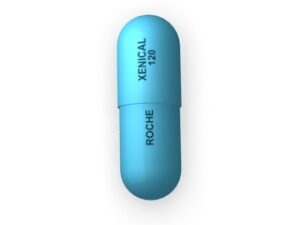
Xenical® contains the active ingredient orlistat. It is a weight-management medicine used alongside a reduced-calorie diet and exercise. This guide explains how Xenical works, how to take it, what to expect, and important safety and interaction information relevant to people in Australia.
Quick Overview
- Active ingredient: Orlistat
- Medicine type: Anti-obesity / weight-loss aid (fat absorption inhibitor)
- Where it works: In the gut (GI tract), not systemically
- Typical strength: 120 mg capsules
- Common goal: Reduce calorie absorption from dietary fat
- Best for: People who can follow a calorie-controlled, lower-fat eating pattern
Basic Product Information
| Feature | Details |
|---|---|
| Brand | Xenical® |
| Generic name | Orlistat |
| How it’s supplied | Capsules (120 mg or similar strengths depending on packaging/market) |
| How it’s used | With meals containing fat, to reduce fat absorption |
| Key benefit | Helps reduce dietary fat absorption, supporting weight loss with lifestyle change |
Note: Always check your carton and leaflets for the exact strength and directions for your product in Australia.
How Xenical Works (Mechanism of Action)
Orlistat works primarily in the stomach and small intestine. It acts as a lipase inhibitor by blocking digestive enzymes called lipases (including pancreatic lipase). These enzymes are needed to break down dietary fats into absorbable forms.
- When orlistat blocks lipase activity, a portion of dietary fat cannot be fully digested.
- Undigested fat passes through the digestive system and is excreted.
- This reduces the number of calories absorbed from meals, which can support weight loss when combined with a reduced-calorie diet.
Important: Xenical is most effective when your diet is consistently calorie-controlled and not overly high in fat. If meals are very high in fat, side effects (particularly from fat in the stool) are more likely.
Pharmacokinetics (How the Body Handles Orlistat)
Orlistat is designed to act locally in the gut. After taking Xenical:
- Minimal absorption: Only a small fraction of orlistat is absorbed into the bloodstream.
- Local action: Most of the medicine remains in the GI tract to inhibit digestive lipases.
- Excretion: The majority is eliminated via faeces, along with undigested fat.
Clinical implication: Because systemic exposure is low, orlistat generally has fewer whole-body (systemic) effects than some other weight-loss medicines. However, gastrointestinal effects and vitamin-related considerations are still important.
Typical Uses and Indications
Xenical is used for weight management in appropriate adults and, in certain circumstances, may be considered for adolescents under medical guidance. In general, orlistat is indicated as an aid to:
- Weight loss in people with obesity or overweight with risk factors
- Weight maintenance after initial weight loss (to help prevent regain)
Eligibility can vary based on age, body weight category (BMI), and overall health. If you are unsure whether Xenical is appropriate for you, speak with a pharmacist or qualified healthcare professional.
Who Should Not Use Xenical (General Safety Notes)
Do not use Xenical if you have an allergy to orlistat or any other ingredient. Additional precautions may apply if you have certain medical conditions or malabsorption syndromes. If you have:
- Chronic malabsorption or serious digestive disorders
- Chronic issues with bile, liver, or gut function (discuss first)
- Any unexplained ongoing diarrhoea or severe GI symptoms
…ask a pharmacist for advice before starting. If you are pregnant or breastfeeding, seek advice as appropriate.
Dosing: How to Take Xenical
The usual adult dosing for Xenical is:
- 120 mg by mouth three times daily
- Taken with each main meal that contains fat
Missed dose rule:
- If a meal is missed, or if the meal contains no fat, the dose for that meal is skipped.
- Do not take extra capsules to make up for missed doses.
How to take: Swallow the capsule with water. Many people find it easiest to take it at the start of the meal or within a few minutes of beginning to eat.
Timing: When Xenical Works Best
Because Xenical works in the digestive tract while you digest food, timing is important:
- Take with your meal (not on an empty stomach).
- Best effect typically occurs when taken immediately before or during a meal.
- If you’re eating very late, keep the dosing aligned with your main meals rather than snacking.
Tip: A “main meal” is usually a planned meal (breakfast, lunch, dinner), not small snacks. If snacks contain little or no fat, you may not need a dose for those.
Food Interactions: Diet and Meal Habits
Xenical’s effectiveness and tolerability depend heavily on diet.
1) Fat intake
- Orlistat reduces absorption of dietary fat.
- Eating high-fat meals increases the amount of fat that reaches the colon, which can increase GI side effects.
2) Reduced-calorie, balanced eating pattern
For best results, pair Xenical with:
- Reduced-calorie intake
- A balanced diet with adequate protein, fibre, and essential nutrients
- Regular physical activity
3) Fibre and hydration
- Increasing fibre and drinking adequate fluids may help manage stool changes.
- However, some GI effects can still occur, especially early in treatment or with higher-fat foods.
Alcohol Interactions
Alcohol does not directly “cancel out” orlistat’s fat-blocking action. However, alcohol can affect weight management goals and may worsen side effects for some people.
- Calorie considerations: Alcohol contains calories and can increase total energy intake.
- GI effects: Alcohol may irritate the stomach or worsen nausea/loose stools in some individuals.
- Medication safety: If you drink alcohol, do so in moderation and ensure you stay hydrated.
Practical advice: If you notice increased diarrhoea or stomach discomfort after drinking, consider reducing alcohol intake while taking Xenical.
Medicine Interactions (Important)
Because orlistat works in the intestine, it may influence the absorption of certain medicines—mainly by reducing fat absorption and potentially affecting the absorption of fat-soluble vitamins.
Fat-soluble vitamins
- Orlistat can reduce absorption of fat-soluble vitamins (A, D, E, and K).
- Consider using a supplement containing these vitamins, if needed—a pharmacist can help choose an appropriate supplement.
Warfarin and anticoagulants (blood thinners)
Orlistat may affect blood clotting control in some people taking warfarin or similar anticoagulants.
- If you take an anticoagulant, closely monitor INR (as directed by your clinician).
- Seek advice before starting Xenical and report any unusual bruising or bleeding.
Other medicines and spacing
In general, some medicines should be spaced from orlistat to reduce interaction risk. Examples may include:
- Fat-soluble supplements or certain prescription medicines
- Some antiepileptic and other therapies (interaction potential exists; check individual agents)
Practical spacing tip: Many people separate other oral medicines from orlistat by a few hours. Ask a pharmacist to review your exact medicines and advise the safest timing.
Safety Profile: Common and Serious Side Effects
Like all medicines, Xenical can cause side effects. The most common are related to fat passing through the digestive system.
Common side effects (typically GI)
- Oily spotting or increased oily stool
- Frequent bowel movements
- Urgency to go to the toilet
- Flatulence
- Greasy/oily stools
- Abdominal discomfort
When do they occur? These effects are more likely when starting treatment and after meals higher in fat. They often improve over time as people adjust their diet.
Less common but important considerations
- Deficiency of fat-soluble vitamins if dietary intake is inadequate or no supplementation is used
- Kidney-related concerns have been reported in some settings, often in people with risk factors (stay hydrated and seek advice if you have kidney stones or reduced kidney function)
Seek urgent help if you experience
- Severe or persistent abdominal pain
- Blood in stool or black/tarry stools
- Signs of an allergic reaction (swelling of face/lips, difficulty breathing, rash)
- Severe dehydration (dizziness, fainting, very low urine output)
Practical Use Tips for Better Results
- Plan meals: Eat structured meals rather than grazing. This helps you know when to take Xenical.
- Lower dietary fat: Aim for a sensible fat intake to reduce oily stool/urgency.
- Choose healthier fats: It’s not just “less fat”—it’s also choosing fats in appropriate amounts as part of a balanced diet.
- Take with your meal: Taking late or on an empty stomach reduces effectiveness.
- Stay hydrated: Especially if you’re experiencing diarrhoea or frequent stools.
- Consider vitamin support: Discuss fat-soluble vitamin supplements with a pharmacist if you’re on Xenical for longer periods.
- Track progress: Combine Xenical with diet and exercise goals. Weight changes can vary person to person.
What to Expect During Treatment
Weight loss varies by individual. Many people notice side effects first (especially gastrointestinal changes). Consistent meal timing, portion control, and reducing high-fat foods can improve tolerability and support results.
Monitoring: If after a suitable period (as advised by your healthcare professional) you’re not seeing expected progress, reassess with a clinician or pharmacist—this could involve reviewing diet, adherence, and suitability of the plan.
Alternative Options (Discuss with a Pharmacist)
Depending on your health profile and goals, other weight-management approaches may be considered. Options can include:
- Other orlistat formulations (where available) or similar GI-acting agents
- Structured lifestyle programs (dietary planning, counselling, exercise and behaviour strategies)
- Other prescription weight-loss medicines (choice depends on medical history, BMI, comorbidities, and suitability)
- Management of contributing factors (sleep, stress, smoking cessation, medication review)
A pharmacist can help you compare options, including expected benefits, side effects, and interaction risks.
Market and Legal Context for Australia (Important to Know)
Weight-management medicines in Australia are supplied in line with regulatory requirements and may be available via different pathways depending on product classification, formulation, and availability. Xenical (orlistat) has been used for weight management for many years.
- Quality and supply: Choose products from reputable suppliers to ensure authenticity.
- Australian guidance: Health professionals may consider evidence-based approaches such as dietary counselling, physical activity, and appropriate medicine use for people who meet clinically relevant criteria.
- Personalised suitability: Suitability depends on BMI, comorbidities, age, and medication history.
If you are considering Xenical, it’s wise to discuss your health background (including past GI conditions, kidney issues, vitamin deficiencies, or current medicines).
Recent Guidance and Updates (General)
Clinical guidance for weight management can evolve. In Australia, healthcare providers typically emphasise:
- Safety: Monitoring for nutrition issues (fat-soluble vitamin deficiency), GI side effects, and relevant drug interactions.
- Lifestyle foundation: Diet and physical activity remain central to results.
- Realistic expectations: Consistent adherence matters more than short bursts.
For the most current advice, check the latest information provided by your pharmacist or healthcare provider, and refer to the product consumer medicine information (CMI) provided with your medicine.
Delivery and Availability in Australia
Online pharmacy availability can vary based on stock levels and scheduling. When ordering, you can usually expect:
- Delivery: Shipping to eligible Australian addresses (times vary by location and courier service).
- Discreet packaging: Most pharmacies send medications in plain packaging.
- Customer support: Assistance if you need help with dosing instructions, interactions, or delivery tracking.
To ensure safe use: Confirm the strength and label instructions before taking. If you’re unsure about timing with your meals or interactions with your current medicines, contact a pharmacist.
FAQ: Xenical (Orlistat) — Common Questions
1) Do I need to take Xenical with every meal?
Take Xenical with your main meals that include fat. If a meal is skipped or contains no fat, you typically skip the dose for that meal.
2) What if I eat a high-fat meal?
High-fat meals increase the amount of fat that may pass through the digestive system, making GI side effects (oily stool, urgency, gas) more likely. Reducing fat in your meals can improve comfort.
3) How long does it take to see weight changes?
Results vary. Some people begin noticing changes after several weeks, while others take longer. The key is consistent diet adherence and appropriate use with meals.
4) Will Xenical cause vitamin deficiency?
Orlistat can reduce absorption of fat-soluble vitamins (A, D, E, K). Many people benefit from dietary variety and may need supplementation—ask a pharmacist for advice based on your diet and duration of use.
5) Can I take it with other medicines?
Some medicines may have interaction risks due to absorption changes. Always provide your full medicine list to a pharmacist. They can advise if you should space doses or switch products.
6) Does Xenical interact with alcohol?
There isn’t a direct “antagonistic” interaction, but alcohol can worsen GI symptoms for some people and adds calories that may interfere with weight goals. Use moderation and consider reducing intake if side effects increase.
7) What are the most common side effects?
The most common are GI-related: oily spotting, frequent bowel movements, urgency, flatulence, and abdominal discomfort—especially after higher-fat meals.
8) What should I do if I get severe diarrhoea?
Occasional loose stool can occur, but severe or persistent diarrhoea warrants advice. Ensure you stay hydrated and contact a pharmacist or clinician if symptoms are intense, last long, or include blood or severe pain.
9) Is Xenical suitable for everyone?
No. Suitability depends on your medical history, age, BMI category, and current medications. People with certain digestive or malabsorption conditions should avoid or use only under professional advice.
10) Are there alternatives to Xenical?
Yes. Alternatives may include other weight-management medicines (depending on availability and suitability), as well as structured lifestyle programs and nutrition counselling. A pharmacist can help compare options.
Summary
Xenical® (orlistat) supports weight management by reducing absorption of dietary fat in the gut. It is typically taken three times daily with main meals that contain fat. To maximise benefit and reduce side effects, pair Xenical with a reduced-calorie, lower-fat eating pattern, adequate hydration, and appropriate vitamin support if required.
If you’re unsure whether Xenical is right for you—or if you want help reviewing interactions with your medicines—speak with a pharmacist in Australia.