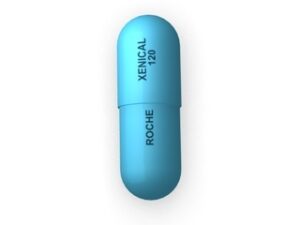
Orlistat (Alli® / Xenical®) – Patient Guide (Australia)
Orlistat is a weight-management medicine used to help people lose weight by reducing the amount of dietary fat absorbed from food. It is often used alongside a reduced-calorie diet and increased physical activity. This guide explains how orlistat works, how to take it, what to expect, and key safety and practical tips for use in Australia.
Basic product information
| Feature | Details |
|---|---|
| Active ingredient | Orlistat |
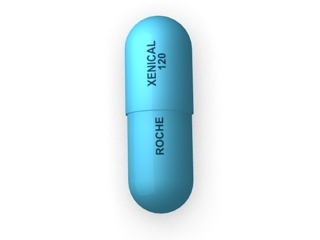
| Common brand names | Alli® (OTC, lower strength) / Xenical® (pharmacy/medically supervised in some settings, higher strength) |
| Medicine type | Lipase inhibitor (fat-absorption blocker) |
| How it works | Blocks digestion/absorption of some dietary fat in the gut |
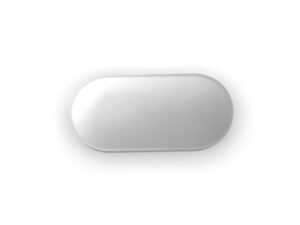
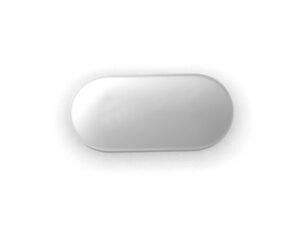
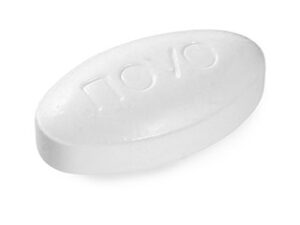
| Typical form | Capsules/tablets depending on brand and strength |
Note: Product strength, pack size, and labelling may differ between brands. Always follow the dose and instructions on the package or as directed by your pharmacist.
How Orlistat works (mechanism of action)
Orlistat works in the gastrointestinal tract. It inhibits pancreatic and gastric lipases—enzymes needed to break down dietary fats (triglycerides) into smaller molecules so they can be absorbed.
- When you eat fat-containing meals, orlistat reduces the breakdown of fat.
- Unabsorbed fat is excreted in the stool.
- This leads to fewer calories absorbed from fat and helps support weight loss when combined with lifestyle changes.
Important: Orlistat is most effective when meals contain some fat but the overall calorie intake is reduced. If meals are very low in fat, fewer “fat-removal” effects may be needed (and side effects related to undigested fat may be less).
Pharmacokinetics (what the body does to it)
Orlistat primarily acts locally in the intestine. It has minimal systemic absorption in most users.
- Absorption: Low absorption through the gut lining. Most of the dose remains within the gastrointestinal tract.
- Metabolism: Any absorbed fraction is metabolised mainly in the intestinal wall and liver.
- Distribution: Because absorption is low, systemic distribution is limited.
- Excretion: The majority of the drug’s effect is via local action, and the small absorbed amount is cleared through metabolism and excretion pathways.
What this means for you: Because orlistat works mainly in the gut, drug interactions are most important for medicines that you take by mouth—especially those that may require absorption.
Typical indications (what it’s used for)
Orlistat is used as part of a weight management plan for:
- Weight loss in adults with overweight conditions, typically where diet and exercise alone may be insufficient.
- Weight management to help reduce the likelihood of regaining weight after initial weight loss (depending on product strength and guidance).
- Long-term weight control strategies in selected patients when combined with ongoing lifestyle measures.
Eligibility and specific use should follow the product label and current Australian guidance. Your pharmacist can help you decide whether orlistat is appropriate.
Who should be cautious or seek advice first
Before using orlistat, talk to a pharmacist if you have any of the following:
- Liver or kidney problems
- Chronic malabsorption conditions
- History of gallstones or significant gastrointestinal disorders
- Diabetes, especially if you use blood glucose-lowering medicines (dose adjustments may be needed)
- Thyroid conditions and medicines with narrow dosing
- Organ transplant or medicines affecting immunity (interaction considerations)
- Use of medicines that need careful absorption timing (see “Food interactions” and “Medicine interactions”)
Dosing (how to take Orlistat)
Dose depends on the product strength you choose. Common dosing patterns include:
- Alli® (lower strength): typically taken three times daily.
- Xenical® (higher strength): typically taken three times daily.
General dosing rules (apply to all strengths):
- Take orlistat with each main meal that contains fat.
- If a meal is skipped or is completely fat-free, you can skip that dose.
- Don’t take extra doses to “make up” for missed ones.
Timing: Many people find it easiest to take orlistat during the meal or within 1 hour after finishing. Follow your specific product instructions.
When will you notice results?
Weight changes vary widely between individuals. Generally:
- Some changes in stool characteristics (due to unabsorbed fat) may occur early in treatment.
- Weight loss typically becomes more apparent after several weeks of consistent use and dietary changes.
If you’re not seeing meaningful progress, speak with your pharmacist to reassess your diet, adherence, and suitability.
Food interactions and meal guidance
Because orlistat reduces fat absorption, your diet strongly influences results and side effects.
Fat content and side effects
- If your meals contain more fat, the amount of undigested fat entering the lower intestine may increase—often leading to more noticeable gastrointestinal side effects.
- Eating a moderate-fat diet (and generally reducing calorie intake) can improve tolerability.
Carbohydrates and proteins
- Orlistat mainly affects fat digestion.
- Carbohydrates and proteins are generally less affected, but overall calorie reduction remains key for weight loss.
Fibre and balanced meals
Choose a diet rich in vegetables, whole grains, lean proteins, and adequate fluids. This supports overall health and may improve bowel comfort during treatment.
Alcohol: can you drink while taking Orlistat?
Orlistat has no major direct interaction with alcohol that is well known. However:
- Alcohol can add extra calories and may worsen weight loss results.
- Some alcohol-containing drinks can irritate the stomach or worsen bowel irregularity in certain people.
- If you have liver disease or are taking medicines that interact with alcohol, seek personalised advice.
Practical approach: If you choose to drink alcohol, do so in moderation and ensure it fits within your calorie plan. Avoid heavy drinking while you’re adjusting to the medicine.
Medicine interactions (including timing)
Orlistat can affect the absorption of some medicines, mainly because it alters fat digestion and may bind to certain nutrients or substances in the gut.
Medicines that may require spacing
- Fat-soluble vitamins (A, D, E, K): orlistat may reduce absorption. Many people are advised to consider a multivitamin supplement. If you take vitamins, follow spacing advice (commonly at least 2 hours apart from orlistat, depending on product guidance).
- Warfarin (blood thinner): reported changes in INR/bleeding risk have occurred with fat-loss medicines. If you take warfarin, you need careful monitoring by a clinician.
- Levothyroxine and some thyroid medicines: absorption may be affected. Spacing and monitoring may be necessary.
- Certain HIV medicines and other treatments with absorption concerns: discuss with a pharmacist.
- Immunosuppressants (e.g., cyclosporin/tacrolimus): absorption may be affected; specialist advice is important.
- Anti-epileptic medicines (in some cases): absorption changes may occur; seek guidance.
Diabetes medicines
- If you use insulin or other blood glucose-lowering medicines, weight loss can improve blood sugar and may lead to hypoglycaemia in some people. Monitor glucose and discuss possible dose adjustments with your healthcare professional.
Orlistat and vitamin supplements
If you take a multivitamin, choose one that includes fat-soluble vitamins (A, D, E, K). Take it at a time that does not overlap with your orlistat dose (commonly at least 2 hours apart—confirm with product guidance).
Tip: Keep a simple medication schedule. If you have multiple medicines, ask your pharmacist to check for interactions and suggest the best timing.
Safety profile (side effects and warnings)
Most side effects are gastrointestinal and related to the presence of undigested fat. These effects are more likely when meals contain higher fat content.
Common side effects
- Oily spotting or increased stool oiliness
- Flatulence with discharge
- Urgency to defecate
- Frequent bowel movements
- Abdominal discomfort or cramps
Less common but serious risks
- Severe or persistent abdominal pain
- Rectal bleeding or signs of significant bowel problems
- Allergic reaction (swelling, rash, difficulty breathing)
- Gallbladder-related symptoms such as severe right upper abdominal pain, fever, or jaundice (seek prompt medical advice if these occur)
When to stop and seek urgent advice
Seek urgent medical help if you experience symptoms of a serious allergic reaction, severe pain, or bleeding.
General safety tips
- Adhere to the dosing schedule with main meals only.
- Keep fat intake moderate to improve comfort.
- Consider vitamin supplementation and nutritional balance.
Practical use tips for best results
Orlistat works best when paired with practical, sustainable lifestyle changes.
- Plan your meals: Aim for a consistent meal routine. This helps you remember doses with main meals.
- Choose lower-fat options: You don’t need “no fat,” but reducing very fatty foods can improve side effects.
- Stay hydrated: Adequate fluid intake supports digestive comfort.
- Watch your fibre: Include vegetables, legumes, and whole grains for overall gut health—avoid sudden extreme increases.
- Track progress: Weigh weekly and monitor waist size or other markers. Weight loss can fluctuate day to day.
- Don’t forget supplements: If you choose a multivitamin, take it at the correct time separation from orlistat.
- Be patient: Lifestyle changes and medicine effects take time; aim for gradual, steady progress.
Alternative options (if orlistat isn’t suitable)
Weight management is individual. Depending on your circumstances, you might consider other evidence-based approaches. Options may include:
- Dietary strategies: calorie deficit planning, higher-protein diets, Mediterranean-style eating, or structured meal plans.
- Physical activity: combined aerobic activity and resistance training improves health and supports weight loss.
- Other weight-loss medicines: availability and suitability depend on Australian market access and clinical appropriateness (your pharmacist can outline what’s available).
- Behavioural support: coaching, structured programs, or evidence-based habit change methods.
Important: If you have previously tried orlistat and experienced side effects, you may still be able to improve tolerability with diet changes and correct timing. Discuss your experience with a pharmacist.
Australia market & legal context (what to expect)
In Australia, the availability of orlistat depends on the product strength and regulatory category. Lower-strength orlistat has been available over-the-counter in many regions, while higher-strength versions may be provided through pharmacy channels. Availability can change, so always check the product details on the specific listing.
- Packaging and labelling follow Australian regulatory requirements.
- Pharmacist advice may be recommended depending on product strength, risk factors, and your medicine list.
- Quality and safety should be ensured by purchasing from reputable suppliers that comply with Australian laws and regulatory standards.
Recent guidance: Weight-loss medicines and advice evolve over time. Current recommendations in Australia typically emphasise that medication should be used as part of a comprehensive plan, with ongoing monitoring for benefits and side effects—especially for people with chronic conditions or multiple medicines.
Delivery and availability
Online pharmacies in Australia commonly provide:
- Home delivery (timing varies by location and courier service)
- Stock availability that can fluctuate by brand and strength
- Product information including dosage instructions and warnings on the label
When ordering, double-check:
- Product strength and whether it matches your planned dosing
- Whether you need a multivitamin (and dosing separation)
- Any refrigeration or storage requirements (most orlistat products do not require refrigeration, but confirm with your label)
FAQ about Orlistat
1) What is orlistat used for?
Orlistat is used to support weight loss by reducing absorption of some dietary fat. It’s intended to be used with a reduced-calorie diet and increased physical activity.
2) When should I take orlistat?
Take it with each main meal (generally during or soon after the meal) that contains fat. If you skip a meal or it contains no fat, you can usually skip the dose for that meal—follow your product instructions.
3) Will orlistat work if I eat low-fat food?
If meals contain very little fat, there is less dietary fat to inhibit absorption, so the weight-loss effect may be smaller. However, a calorie-controlled diet still supports weight loss, and lower-fat eating can reduce gastrointestinal side effects.
4) What side effects are normal?
Common effects include oily spotting, flatulence, urgency, and more frequent bowel movements—often related to higher-fat meals. These usually improve as you adjust and as your diet becomes more consistent.
5) Do I need vitamin supplements?
Orlistat may reduce absorption of fat-soluble vitamins (A, D, E, K). Many people are advised to take a multivitamin supplement. Take vitamins separated from orlistat by the spacing recommended on your product label or by your pharmacist.
6) Can I take it with other medicines?
Some medicines may be affected by orlistat. Spacing may be required for certain products, and some medicines need monitoring (e.g., warfarin). Tell your pharmacist about everything you take to check interactions and timing.
7) Is it safe to drink alcohol?
There is no well-known major direct interaction, but alcohol adds calories and may worsen bowel symptoms for some people. Moderate alcohol use is generally the safest approach, and avoid heavy drinking.
8) How long should I use orlistat?
Use duration depends on your goals and response. Follow product guidance and pharmacy advice. If you’re not seeing benefit after a reasonable period, discuss with a pharmacist.
9) What if I miss a dose?
Take the next dose with your next main meal as scheduled. Do not double up to compensate for a missed dose.
10) When should I stop and get help?
Seek urgent medical advice for severe abdominal pain, bleeding, signs of allergic reaction (such as swelling or trouble breathing), or symptoms that worry you significantly.
Summary
Orlistat is a fat-absorption inhibitor that can support weight management when combined with a reduced-calorie diet and physical activity. Its effects are mainly within the gut, which influences both expected benefits and common gastrointestinal side effects—especially when meals are higher in fat. By taking orlistat with the correct meals, moderating dietary fat, spacing vitamins and interacting medicines appropriately, and monitoring your progress, you can improve both tolerability and outcomes.