Vitamin C (Ascorbic Acid) — Patient-Friendly Medicine Information (Australia)
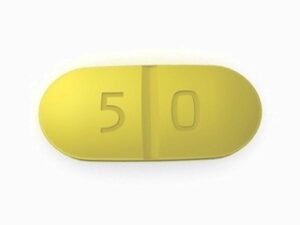
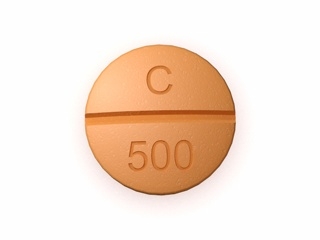
Vitamin C (ascorbic acid) is a vitamin your body needs to help maintain normal growth, repair tissues, and support immune function. It is widely available in Australia as tablets, capsules, effervescent tablets, chewable forms, and powders.
This page explains what Vitamin C is, how it works, how your body handles it, typical uses, dosing guidance, safety information, and practical tips to help you get the most from your supplement.
Quick Product Information
| Category | Information |
|---|---|
| Medicine/Nutritional supplement | Vitamin C (ascorbic acid) |
| Common forms | Tablets, capsules, chewable tablets, effervescent tablets, powders |
| Typical strength | Common doses include 100 mg, 250 mg, 500 mg, or higher per serving (varies by product) |
| How it’s used | Oral (by mouth) |
| Key benefits | Supports immune function, collagen formation, and antioxidant protection |
| Who may need it | People with low dietary intake, smokers, older adults, and those with increased needs |
What Is Vitamin C?
Vitamin C (ascorbic acid) is an essential nutrient. Your body cannot make enough vitamin C by itself, so you must obtain it from food and/or supplements.
Vitamin C is found in many fruits and vegetables, including citrus fruits (oranges, mandarins), kiwi fruit, strawberries, capsicum, broccoli, and tomatoes. However, vitamin C levels in food can reduce with storage and cooking.
How Vitamin C Works (Mechanism of Action)
Vitamin C plays multiple roles in the body, including:
- Collagen formation: Vitamin C is required for the synthesis of collagen, a structural protein needed for healthy skin, gums, cartilage, and blood vessels.
- Antioxidant activity: It helps protect cells from damage caused by free radicals and supports the body’s natural antioxidant systems.
- Immune support: Vitamin C contributes to normal immune function and may help reduce oxidative stress during immune responses.
- Iron absorption: Vitamin C can improve the absorption of non-heme (plant-based) iron. This is important for people with iron deficiency risk.
Pharmacokinetics: What Happens After You Take It
Pharmacokinetics describes how the body absorbs, distributes, metabolises, and eliminates a medicine.
- Absorption: Vitamin C is absorbed mainly in the small intestine. Absorption efficiency can decrease at higher doses.
- Distribution: Vitamin C is transported in blood and concentrated in tissues where it’s needed for functions like collagen production.
- Metabolism: Vitamin C is metabolised into water-soluble compounds.
- Excretion: Excess vitamin C is eliminated primarily via the kidneys in urine. This is one reason why high intakes may increase urinary excretion.
- Time to effect: For immune support and general nutritional support, benefits may be more noticeable with regular intake rather than a single dose.
Typical Use in Adults and Teens
Vitamin C is commonly used to:
- Support immune system function, especially during times of increased stress or when dietary intake is low.
- Prevent or treat vitamin C deficiency (for example, in people with poor dietary intake).
- Support skin and connective tissue through collagen formation.
- Improve iron absorption when consumed with iron-rich plant foods.
Note: Vitamin C supplementation is not a cure for acute illnesses. If you are unwell or symptoms worsen, seek appropriate medical advice.
When to Take Vitamin C (Timing & Routine)
Vitamin C can generally be taken with or without food. Many people find it gentler on the stomach with meals.
- Morning: Useful for daily consistency.
- With food: Often reduces the chance of stomach upset, especially at higher doses.
- Split dosing: If you take higher daily doses, splitting into two doses may help reduce stomach discomfort (follow product directions and your clinician’s advice if you have one).
- Iron absorption: If using vitamin C to enhance iron absorption, take it with your iron-containing meal or at a time that aligns with non-heme iron intake.
Food Interactions and Dietary Tips
Vitamin C can be affected by food and drink in practical ways:
- Enhancing iron absorption: Pair vitamin C with plant-based iron sources (lentils, beans, tofu, spinach) and vitamin C-rich foods to improve absorption.
- Possible stomach sensitivity: Some people experience nausea, heartburn, or stomach cramps if taken on an empty stomach or at higher doses.
- Cooking and storage: The vitamin C content of foods can reduce with heat and time. Supplements can help ensure consistent intake.
If you’re taking vitamin C for iron support, consider your meal composition and timing rather than relying on vitamin C alone.
Alcohol Interactions
Vitamin C is water-soluble and eliminated in urine. While moderate alcohol intake does not typically require stopping vitamin C, there are some practical considerations:
- Dietary impact: Alcohol may reduce appetite or displace nutritious foods, lowering vitamin C intake.
- Gastrointestinal irritation: Alcohol can irritate the stomach in some people; vitamin C may worsen discomfort when taken together, especially at higher doses.
- Overall nutrition: Vitamin C works best as part of a healthy diet. If alcohol is frequent or heavy, vitamin and mineral needs may be different.
If you notice increased stomach upset or feel unwell after combining them, adjust timing and consider lowering the dose.
Medicine Interactions
Vitamin C can interact with certain medicines due to its acidity and effects on absorption or metabolism. Always check the label of your specific product and discuss with a healthcare professional if you take multiple medications.
Common interaction considerations include:
- Certain chemotherapy agents: Some medicines may be affected by vitamin C levels. If you are receiving treatment for cancer or other serious conditions, get tailored advice.
- Iron supplements: Vitamin C can increase iron absorption. This is often helpful for non-heme iron deficiency, but it may require caution in conditions where iron overload is a concern (e.g., haemochromatosis).
- Warfarin (and other vitamin K antagonists): Large or fluctuating vitamin C intakes may affect blood clotting parameters in some individuals. Monitoring may be necessary.
- Diabetes medications: Vitamin C can affect certain blood glucose monitoring systems in rare cases; confirm your meter’s guidance.
- Kidney stones (risk): High-dose vitamin C may increase urinary oxalate in some people, potentially increasing risk for some types of kidney stones. Use caution if you have a history of stones.
General advice: If you take prescription medicines, especially those affecting kidney function, blood clotting, iron levels, or glucose monitoring, check for potential interactions before starting high-dose vitamin C.
Indications: What Vitamin C Is Used For
Vitamin C is indicated in Australia for:
- Prevention and treatment of vitamin C deficiency when dietary intake is insufficient.
- Support of collagen formation and maintenance of healthy tissues.
- Support for normal immune function as part of overall nutrition and healthy living.
- Iron absorption support when taken with meals containing non-heme iron.
Some products may be marketed with immune-support claims (subject to Australian regulatory requirements). Always follow the indications on the specific product label.
Dosing: How Much Should You Take?
Dosing depends on your age, dietary intake, and product strength. Always follow the instructions on the packaging.
Common adult dosing (general supplement use)
- Many adults take 100–500 mg per day as a supplement.
- During periods of increased needs, some people take higher doses, but it’s important to avoid excessive intake and consider side effects.
Children and adolescents
- Children’s dosing varies widely by age and product formulation.
- Use age-appropriate products and follow the label or professional advice.
Upper limit and caution
Vitamin C is generally safe at recommended supplement doses, but very high intakes can increase the risk of side effects, such as:
- stomach upset or diarrhoea
- heartburn
- increased risk of kidney stones in susceptible people
Practical approach: Start with a dose that matches your needs and reduce if you experience side effects. If you’re considering long-term high-dose use, discuss it with a pharmacist or doctor.
Safety Profile: Side Effects and When to Stop
Vitamin C is widely used and generally well tolerated when taken at appropriate doses. Side effects are more likely at high doses or if you have sensitive digestion.
Common side effects
- Gastrointestinal symptoms: nausea, stomach cramps, diarrhoea
- Heartburn or reflux symptoms
Less common concerns
- Kidney stone risk: increased urinary oxalate in certain individuals, particularly with high doses or existing predisposition
- Allergic reactions: rare, but seek urgent help if swelling, rash, wheezing, or severe dizziness occurs
When to seek advice
- If you have kidney disease or a history of kidney stones
- If you are pregnant or breastfeeding and plan to take more than a basic dietary supplement dose
- If you experience persistent diarrhoea, severe abdominal pain, blood in urine, or severe reflux
Practical Use Tips (How to Get the Best Results)
- Choose the right form: Tablets/capsules may be easier for daily use; effervescent forms can be refreshing but may contain additional ingredients (check sodium/sweeteners if relevant).
- Stay consistent: Vitamin C supports ongoing functions like collagen maintenance and antioxidant protection. Regular intake is more useful than sporadic dosing.
- Consider your diet: Aim to include vitamin C-rich foods daily (or as often as possible) rather than relying entirely on supplements.
- Take with food if needed: If you get stomach upset, take it after meals.
- Use correct dosing: Do not exceed the label instructions to “double up.”
- Check your product: Different brands may contain different amounts of ascorbic acid and different added ingredients.
Alternative Options (If You Don’t Choose Ascorbic Acid)
Vitamin C supplements are available in different chemical forms or combinations. Depending on your preferences, you may consider:
- Buffered vitamin C (e.g., mineral ascorbates): may be gentler on the stomach for some people.
- Effervescent vitamin C: can be easier to take and may improve adherence.
- Vitamin C in multivitamins: convenient if you already take a multivitamin and your total intake remains appropriate.
- Diet-first approach: increasing fruits and vegetables may improve vitamin C intake and provide other beneficial nutrients.
If you have reflux or stomach sensitivity, switching form or lowering dose may help.
Market and Legal Context for Australia
In Australia, vitamin and mineral products are regulated under the appropriate framework, and labels and advertising must meet requirements set by relevant authorities. Products may be supplied as listed medicines or categorised as vitamin/supplement products depending on their formulation, claims, and regulatory pathway.
Consumer protection includes requirements for:
- clear ingredient listing (including the amount of ascorbic acid)
- directions for use and warnings
- acceptable health claims consistent with regulatory standards
For the most accurate guidance, always refer to the specific product’s packaging and the information available from your pharmacy or product manufacturer.
Recent Guidance and Ongoing Evidence
Current research continues to evaluate vitamin C for immune support, oxidative stress, and deficiency prevention. Overall, evidence strongly supports vitamin C supplementation for people with low intake or deficiency. For general immune support in well-nourished individuals, benefits may be modest, and outcomes can vary between studies.
Common practical guidance from health authorities and clinicians generally focuses on:
- meeting vitamin C needs through diet first where possible
- using supplements at appropriate doses when diet is insufficient
- avoiding excessive long-term high-dose use unless advised
- considering individual risks (such as kidney stone history)
If you have specific health conditions, consider professional advice to determine whether a particular dose and duration is appropriate.
Delivery and Availability (Australia)
Vitamin C supplements are widely available across Australia, including:
- pharmacies and health retailers
- online pharmacies
- major supermarkets (for selected brands and forms)
When ordering online, availability can depend on stock levels, preferred brand and strength, and current pharmacy delivery schedules. Most online pharmacies provide:
- standard and express shipping options (varies by provider)
- delivery updates by email or SMS
- secure packaging
Storage: Keep vitamin C in a cool, dry place, away from direct sunlight. Follow the storage directions on the label.
FAQs: Vitamin C (Ascorbic Acid)
1) How quickly will Vitamin C work?
Vitamin C supports ongoing body functions, so effects may not be immediate. If you’re correcting a low intake, nutritional benefits can build over days to weeks. If you’re using it to support general wellness, consistency matters more than a single dose.
2) Can I take Vitamin C every day?
For most people, daily supplementation within label directions is acceptable. If you plan long-term use or higher doses, it’s wise to check with a pharmacist—especially if you have kidney problems or a history of kidney stones.
3) What happens if I take too much Vitamin C?
High doses can cause side effects such as diarrhoea, nausea, stomach cramps, or heartburn. If you take very large amounts repeatedly, it may increase urinary oxalate and potentially raise kidney stone risk in susceptible people.
4) Should I take Vitamin C with food?
It’s optional. If you experience stomach upset, taking it with meals is often more comfortable. Effervescent tablets should be dissolved fully in water according to the instructions.
5) Does Vitamin C prevent colds?
Vitamin C is important for immune function, but it does not guarantee prevention of colds. Some people may have fewer symptoms or shorter duration with regular intake, while results vary. If you feel unwell, follow standard self-care and seek advice if symptoms are severe or prolonged.
6) Can I take Vitamin C with iron supplements?
Often, yes. Vitamin C can enhance absorption of non-heme iron. However, if you have an iron overload condition or are unsure about safe dosing, ask a pharmacist or clinician for advice.
7) Are effervescent Vitamin C tablets safe?
They are generally safe when used as directed. Check the label for ingredients such as sodium (important for those managing blood pressure) and sweeteners if relevant.
8) Can Vitamin C interact with my other medicines?
Interactions can occur depending on what you take. Particular caution is advised if you take blood clotting medicines, diabetes monitoring systems, certain anticancer therapies, or have kidney disease. If you’re on multiple medicines, ask a pharmacist for personalised advice.
9) Is Vitamin C safe in pregnancy or breastfeeding?
Vitamin C is essential in pregnancy and breastfeeding, but dose needs can vary. Follow product directions and seek advice if you plan to use higher-than-usual doses or if you have medical conditions.
10) What’s the best way to increase Vitamin C intake without supplements?
Focus on vitamin C-rich foods such as oranges, mandarins, kiwi fruit, berries, capsicum, broccoli, and tomatoes. Including a variety of fruits and vegetables through the week is a practical approach.
Summary
Vitamin C (ascorbic acid) is an essential vitamin that supports collagen formation, antioxidant protection, and normal immune function. It is absorbed and distributed throughout the body and eliminated mainly through the kidneys. For many people, taking vitamin C daily within label directions is a helpful way to support nutrition, particularly if dietary intake is limited.
To use it safely and effectively:
- follow the dosing instructions on the product label
- take with food if you experience stomach upset
- be cautious with high doses, especially if you have kidney stone risk or kidney disease
- consider potential interactions with your medicines
If you’re unsure which product strength or dosing schedule is right for you, speak with a pharmacist for guidance tailored to your needs.