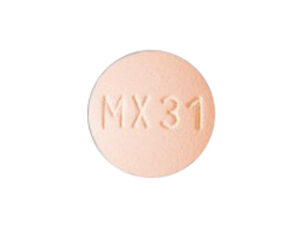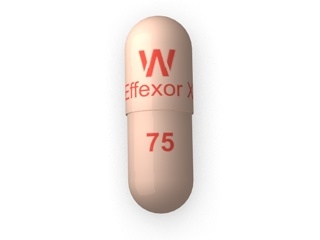

Venlor (Venlafaxine) – Patient Information (Australia)
Venlor is a brand of venlafaxine, an antidepressant medicine used for certain mood and anxiety disorders. This page explains how Venlor works, how it is typically taken, common safety considerations, and practical tips to support treatment. It is written for patients in Australia and includes general information only.
Always follow the directions provided by your healthcare professional and the information on the pack. If you have questions, ask your pharmacist.
Quick Facts
- Medicine name: Venlor (venlafaxine)
- Type: Antidepressant (SNRI – serotonin–norepinephrine reuptake inhibitor)
- Common uses: Major depressive episodes, anxiety disorders (depending on formulation/indication)
- How it works: Helps balance brain chemicals involved in mood and anxiety
- Key safety points: May cause early treatment side effects; important not to stop suddenly
- Need monitoring: Your prescriber may check symptoms, blood pressure (in some cases), and overall wellbeing
Basic Product Information
| Category | Details |
|---|---|
| Active ingredient | Venlafaxine |
| Medicine class | SNRI antidepressant |
| Typical formulations | Immediate-release and/or extended-release (depending on product range) |
| Dosage forms | Tablets/capsules depending on brand and strength |
| Therapeutic use | Depression and certain anxiety disorders (varies by local approvals and prescriber choice) |
Note: Australia has medicines with varying strengths and release profiles. If you are unsure which version you have (immediate-release vs extended-release), check the pack or ask your pharmacist.
How Venlor Works (Mechanism of Action)
Venlafaxine belongs to the SNRI group. It helps increase the availability of two key neurotransmitters:
- Serotonin (5-HT)
- Norepinephrine (noradrenaline)
Venlor works mainly by inhibiting the reuptake (reabsorption) of these chemicals in the brain. By improving neurotransmitter signalling, it may help:
- Reduce depressive symptoms
- Reduce anxiety symptoms
- Improve emotional regulation and overall wellbeing
While neurotransmitter effects can begin soon after starting, many people notice improvements in mood and anxiety only after several weeks.
Pharmacokinetics (How the Body Handles Venlafaxine)
“Pharmacokinetics” refers to how the body absorbs, distributes, metabolises, and eliminates a medicine.
- Absorption: Venlafaxine is absorbed after oral dosing. The speed and pattern can differ between immediate-release and extended-release forms.
- Metabolism: Venlafaxine is primarily metabolised in the liver. One important metabolite is O-desmethylvenlafaxine (often called ODV). Both venlafaxine and ODV contribute to overall effect.
- Distribution: The medicine spreads throughout body tissues. It can cross into the brain where it exerts antidepressant effects.
- Elimination: Metabolites are eliminated mainly through the kidneys (urine).
- Half-life: Venlafaxine and its metabolite have elimination half-lives long enough that dosing is typically once or twice daily depending on formulation and regimen.
What this means for you: Because the body takes time to clear the medicine, steady dosing helps maintain consistent brain levels. Missing doses can sometimes contribute to withdrawal-like symptoms.
Typical Use and Indications
Venlor is used in Australia for depressive and anxiety-related conditions as determined by local clinical guidelines and product information for the specific formulation.
Commonly, venlafaxine may be used for:
- Major depressive episodes
- Generalised anxiety disorder and other anxiety conditions (depending on approval and clinical assessment)
- Social anxiety disorder or panic disorder in some circumstances (formulation/approval may vary)
Your prescriber will consider the most appropriate treatment based on your symptoms, medical history, other medicines, and risk factors.
When to Take Venlor (Timing and Routine)
How you take Venlor depends on your individual regimen and the formulation (immediate-release vs extended-release). In general:
- Once daily dosing is often used for extended-release formulations.
- Twice daily dosing may be used for immediate-release forms.
Time of day:
- If it makes you feel stimulated, it may be better taken in the morning.
- If it makes you feel sleepy, your prescriber may advise taking it in the evening.
- Try to take it at roughly the same time each day.
Duration: Antidepressant effects typically build gradually. Many people are advised to continue for long enough to reduce relapse risk, even if they start feeling better.
Food Interactions and Absorption
Venlafaxine can generally be taken with or without food. Food does not usually prevent absorption, but taking it consistently may help you develop a stable routine.
- If your stomach feels unsettled, taking Venlor with food may reduce nausea.
- Avoid large sudden changes in your eating pattern when starting treatment, so you can better notice side effects.
Do not: crush or chew extended-release products unless the product directions specifically allow it. If you have difficulty swallowing, ask your pharmacist for the correct approach.
Alcohol and Medicine Interactions
Alcohol
Combining venlafaxine with alcohol is not recommended. Alcohol may:
- Worsen dizziness, sleepiness, or coordination problems
- Make mood symptoms harder to manage
- Increase risk of risky behaviour or accidents
If you choose to drink alcohol, discuss safe limits with your doctor. For many people, it’s safer to avoid alcohol, especially during the first weeks of treatment.
Other medicines (important interactions)
Several medicine interactions can be significant. Always provide your pharmacist or prescriber with a full list of medicines, including over-the-counter products and supplements.
Examples of medicines to discuss:
- Other antidepressants (including SSRIs and tricyclic antidepressants)
- MAO inhibitors (serious risk of reaction)
- Serotonergic medicines such as triptans for migraine, some strong pain medicines (opioids with serotonergic effects), and some cough/cold products that affect serotonin pathways
- Medications that affect bleeding (e.g., aspirin, NSAIDs like ibuprofen, anticoagulants such as warfarin, and antiplatelets), because antidepressants can increase bleeding tendency in some people
- Medicines that raise blood pressure or affect heart rate
- Medicines affecting liver enzymes (some can increase or decrease venlafaxine levels)
Herbal and supplement products: In particular, products containing St John’s wort can interact with antidepressants. Discuss any supplements before starting them.
Typical Dosing (General Information)
Dosing is individual and depends on diagnosis, symptom severity, age, formulation, and response. The information below is general and should not replace your specific instructions.
Starting dose and titration
- Venlafaxine is commonly started at a lower dose to reduce the risk of early side effects.
- Your prescriber may gradually adjust the dose every several days to weeks based on tolerance and symptom improvement.
Once daily vs twice daily
- Extended-release formulations are often taken once daily.
- Immediate-release formulations are often taken once to twice daily depending on the regimen.
If you miss a dose
- Take it when you remember if it is not close to your next dose.
- If it’s nearly time for the next dose, skip the missed dose and continue as scheduled.
- Do not take a double dose to make up for a missed one.
If missing doses causes symptoms (such as dizziness, “brain zaps,” nausea, or anxiety), discuss a practical plan with your pharmacist or prescriber.
Safety Profile and Side Effects
Like all medicines, Venlor may cause side effects. Many are mild and improve within the first days to weeks. Others may require medical attention.
Common side effects
- Nausea, stomach upset
- Headache
- Dizziness
- Dry mouth
- Sweating or increased perspiration
- Sleep changes (sleepiness or insomnia)
- Fatigue or restlessness
- Changes in appetite or weight
- Sexual side effects (such as decreased libido or difficulty achieving orgasm)
Blood pressure and heart rate
Venlafaxine can sometimes affect blood pressure—particularly at higher doses or in people with risk factors. Your prescriber may check:
- Blood pressure
- Heart rate
- Symptoms such as palpitations or chest discomfort
Serious or urgent symptoms
Seek urgent medical help if you experience:
- Signs of serotonin syndrome (e.g., agitation, confusion, fever, sweating, tremor, diarrhoea, muscle stiffness)
- Severe allergic reaction (swelling of face/lips, breathing difficulty, widespread rash)
- Unusual bleeding (e.g., black/tarry stools, coughing/vomiting blood)
- New or worsening suicidal thoughts, especially early in treatment or after dose changes
- Mania or hypomania symptoms (e.g., unusually high energy, reduced need for sleep, impulsive behaviour)
If you or someone with you is concerned about changes in mood or behaviour, contact a healthcare professional promptly.
Withdrawal (discontinuation) symptoms
Stopping venlafaxine abruptly can cause discontinuation symptoms. These may include:
- Dizziness, nausea, headache
- Irritability, anxiety, “flu-like” feelings
- Sensations such as “electric shock” feelings
- Sleep disturbances
When treatment needs to stop, clinicians often recommend a gradual taper. Do not stop suddenly unless instructed urgently by a medical professional.
Practical Tips for Taking Venlor
- Give it time: Many benefits take 2–6 weeks to become clear (sometimes longer for full effect).
- Track how you feel: Note sleep, anxiety, mood, energy, and side effects. This helps your prescriber fine-tune dose or timing.
- Manage early side effects: Nausea can sometimes be reduced by taking with food; dizziness may improve with time.
- Stay consistent: Take it at the same time each day.
- Don’t adjust your dose without advice: Dose changes can affect both side effects and symptom control.
- Hydrate and monitor: If you experience sweating, consider hydration. If you notice palpitations or significant dizziness, seek advice.
- Supportive habits matter: Regular sleep, gentle physical activity, and counselling/psychological support (if recommended) can improve outcomes.
Alternative Options
There are several other antidepressant and anxiety treatments. The best choice depends on your diagnosis, previous response, side effect tolerability, and other medical conditions.
Medication alternatives (examples)
- Other SNRIs: e.g., desvenlafaxine (where available) or duloxetine (for certain pain and mood/anxiety conditions)
- SSRIs: e.g., sertraline, fluoxetine, citalopram/escitalopram (commonly used for depression and anxiety)
- Other antidepressants: e.g., mirtazapine (may help sleep and appetite in some people)
- Other strategies depending on your condition: short-term supportive medicines for specific symptoms may be considered by clinicians
Non-medicine options
- Psychological therapies: such as cognitive behavioural therapy (CBT)
- Exercise and sleep management
- Stress reduction techniques (mindfulness, relaxation strategies)
If Venlor isn’t suitable, your clinician may switch to another antidepressant or adjust your treatment plan.
Australia: Market, Prescribing Framework, and Legal Context
In Australia, antidepressant medicines such as venlafaxine are regulated under national medicines policy and are supplied through appropriate channels. Availability and supply processes can vary between products and settings.
- Pharmacist involvement: Pharmacists play an important role in checking interactions, suitability, and safe use.
- Clinical monitoring: Ongoing review helps manage side effects and assess benefit.
- Safety alerts: Australia follows evidence-based guidance for monitoring mental health risks, particularly during treatment initiation and dose changes.
Recent guidance (general): Current clinical practice commonly emphasises careful monitoring early in antidepressant treatment, attention to suicidality risk in vulnerable groups, management of discontinuation effects, and awareness of serotonin-related interactions.
If you are starting or changing doses, extra support and monitoring may be recommended.
Delivery and Availability (Online Pharmacy)
Delivery timeframes can vary based on stock availability, delivery location, and courier services. When ordering online, you may be asked to confirm your details and delivery address.
- Availability: Venlor stock can vary depending on strength and formulation.
- Packaging: Medicines are typically supplied in original manufacturer packaging.
- Shipping: Most medicines are shipped in a way designed to protect quality during transit.
Tip: If you need a specific strength or form (immediate vs extended-release), check the listing carefully to match your current prescription instructions.
Frequently Asked Questions (FAQ)
1) How long does Venlor take to work?
Many people start noticing changes in sleep, anxiety, or emotional distress within the first couple of weeks, but mood improvement usually takes several weeks. If there is little or no improvement after the initial adjustment period, your prescriber may review dose or treatment options.
2) What should I do if I feel worse after starting?
Some side effects can feel uncomfortable early on, but a significant worsening of mood, agitation, or emergence of suicidal thoughts requires prompt contact with a healthcare professional. Early treatment should be closely monitored.
3) Can I stop Venlor suddenly?
No—stopping suddenly can lead to discontinuation symptoms. If treatment needs to be stopped, a clinician will usually recommend a gradual taper.
4) Does Venlor cause weight gain?
Weight changes can occur with antidepressants. Some people gain weight, others do not, and some lose weight early due to appetite changes. Monitoring weight and discussing concerns early can help tailor management strategies.
5) Will Venlor affect driving or operating machinery?
Venlor can cause dizziness or sleepiness in some people, especially at the beginning or after dose changes. Until you know how it affects you, use caution with driving, cycling, or tasks requiring alertness.
6) Can I take Venlor with other antidepressants or migraine medicines?
Some combinations can increase risk of serotonin syndrome or other complications. Always tell your healthcare professional about all medicines you take, including migraine treatments and over-the-counter products.
7) Is it safe to drink alcohol while taking Venlor?
It’s generally best to avoid alcohol. Alcohol can worsen side effects and interfere with mood stability. If you have questions about your individual situation, ask your pharmacist or prescriber.
8) How should I take Venlor to reduce nausea?
Some people find taking it with food helpful. Taking it at a consistent time and staying hydrated may also help. If nausea is persistent or severe, discuss with your healthcare professional.
9) What if I miss one dose?
If you remember soon, take it. If it’s near the next dose, skip the missed dose. Do not take an extra dose to compensate.
10) Are there alternatives if I experience side effects?
Yes. Depending on your symptoms and side effect type, your clinician may adjust dose, change the timing, switch to another antidepressant class, or use non-medicine strategies alongside treatment.
When to Seek Medical Help
Contact a healthcare professional promptly if you experience:
- Severe dizziness, fainting, or palpitations
- Signs of serotonin syndrome or a serious allergic reaction
- Unusual bleeding or bruising
- New or worsening suicidal thoughts, severe agitation, or signs of mania
If you or someone else is in immediate danger, call 000 or local emergency services.
Disclaimer: This information is intended for general educational purposes and does not replace advice from your healthcare professional. Medicines should be used according to the instructions provided with your product and by your prescriber.