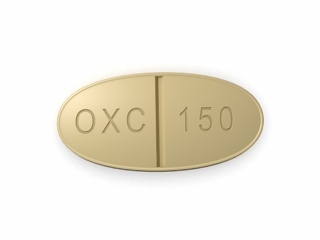
Trileptal (Oxcarbazepine) – Patient Information (Australia)
Trileptal contains oxcarbazepine, a medicine used to treat certain seizure disorders and some nerve-related pain conditions. This page is written to help you understand how Trileptal works, how it’s usually taken, common safety considerations, and what to expect while using it.
Always follow the instructions provided by your healthcare professional. Individual needs vary, especially with dose adjustments, other medicines, age, and kidney function.
1) Basic product information
| Item | Details |
|---|---|
| Medicine name | Trileptal |
| Active ingredient | Oxcarbazepine |
| Medicine type | Antiepileptic (antiepileptic drug, AED) |
| Common forms | Tablets; oral suspension (depending on availability) |
| How it is usually taken | By mouth, once or twice daily depending on regimen |
| Who it is commonly prescribed for | People with epilepsy and certain neuropathic pain conditions |
2) How Trileptal works (mechanism of action)
Oxcarbazepine is designed to reduce abnormal electrical activity in the brain. After you take it, your body converts oxcarbazepine into its active metabolite (primarily monohydroxy derivative, often called MHD). The medicine helps:
- Stabilise overactive nerve cells by affecting sodium channels.
- Reduce repetitive firing that can contribute to seizures.
- Possibly influence other ion channels and signalling pathways that help control seizure spread.
For nerve pain, it may reduce pain signalling by calming hyperexcitable nerve pathways.
3) Pharmacokinetics (how your body handles the medicine)
Understanding pharmacokinetics can help explain timing, interactions, and why monitoring may be needed.
Absorption and conversion
- After oral dosing, oxcarbazepine is absorbed and then converted in the body into the active metabolite (MHD).
- The active metabolite is what contributes substantially to seizure control.
Distribution and elimination
- MHD spreads through the body and is cleared mainly by the kidneys.
- Your kidney function can affect how quickly medicine leaves your system.
Half-life (general concept)
Oxcarbazepine and MHD have dosing schedules designed to keep drug levels within a therapeutic range. Your prescriber may choose once- or twice-daily dosing depending on your condition, age, and other factors.
What this means for patients
- Consistent daily dosing helps maintain steady drug levels.
- If you miss a dose, follow the advice in the “Timing and missed doses” section.
- Kidney impairment may require dose adjustments and monitoring.
4) Typical uses and indications
Trileptal is used for:
- Epilepsy – including focal (partial) seizures, with or without secondary generalisation, as part of a treatment plan.
- Neuropathic pain – commonly used for conditions such as trigeminal neuralgia (pain triggered by facial sensation), depending on local prescribing practices and product approvals.
Important: The exact indications and suitability depend on diagnosis, age, and local guidelines. Your healthcare professional will determine whether Trileptal is appropriate for you.
5) Timing and how to take Trileptal
When to take it
Trileptal is usually taken twice daily (morning and evening) for many patients. Some regimens may be once daily depending on the prescribed plan and formulation.
Consistency matters
- Try to take your doses at roughly the same times each day.
- If you feel drowsy, dizziness, or unsteady, taking your higher dose in the evening may help (confirm with your clinician).
With or without food
Food generally does not significantly affect the overall effect for many people; however, taking it consistently with food (or consistently without food) may help reduce stomach upset and improve adherence.
Missed dose guidance
If you miss a dose:
- Take it as soon as you remember if it is not close to the next dose.
- If it’s nearly time for the next dose, skip the missed dose.
- Do not take a double dose to make up for a missed one.
If you frequently miss doses or are unsure what to do, speak with your pharmacist for personalised advice.
6) Food interactions
Oxcarbazepine/Trileptal is not usually known for major interactions with specific foods. In many cases, you can take it with or without food.
Still, it helps to consider:
- GI comfort: Some people find taking tablets with food reduces nausea or stomach discomfort.
- Consistency: Choose a routine you can maintain daily.
- Grapefruit and herbal products: While grapefruit specifically is not a major headline interaction for oxcarbazepine in most routine references, herbal and “natural” products can still affect drug levels. Check with a pharmacist if you use supplements.
7) Alcohol and medicine interactions
Alcohol
It is generally recommended to avoid or limit alcohol while taking Trileptal because it can increase side effects such as:
- dizziness
- drowsiness
- poor coordination
- slowed reaction time
Combining alcohol with medicines that affect the brain may also increase the risk of falls and accidents.
Other medicines that may interact
Trileptal can interact with some medicines by affecting metabolism and enzyme activity, and it may also alter sodium levels—so interactions are particularly important.
Tell your healthcare professional about all medicines you take, including:
- other antiepileptic drugs
- hormonal contraceptives (the impact may vary)
- medicines that affect sodium levels (or diuretics/“water tablets”)
- some antidepressants, antipsychotics, or sleep medicines
- blood pressure medicines
- antibiotics or antifungals
- over-the-counter medicines and supplements
Common interaction concerns (general)
- Anticonvulsant combinations: Some antiepileptic drugs can change each other’s levels, sometimes requiring dose changes and monitoring.
- Sodium-lowering risk: Trileptal may contribute to low sodium (hyponatraemia). Other medicines that also lower sodium can add to that risk.
- Central nervous system effects: Combining with sedatives may increase drowsiness and dizziness.
If you begin, stop, or change dose of any medicine (including short courses), check for interaction risk.
8) Dosing – what is typical?
Dose is individual and depends on the condition being treated, your age, kidney function, and response to therapy. Your doctor may start at a lower dose and increase gradually to reduce side effects.
General principles
- Start low, go slow when needed.
- Dose increases are often made gradually.
- Some people require dose adjustments due to kidney impairment or sensitivity to side effects.
Typical dosing ranges (illustrative)
Because exact dosing depends on your specific regimen and product form, the table below provides general dosing ranges used in clinical practice. Follow your prescriber’s directions for your actual dose.
| Condition | Typical approach | Schedule |
|---|---|---|
| Focal seizures (epilepsy) | Gradual titration to an effective dose | Often twice daily |
| Neuropathic pain (e.g., trigeminal neuralgia) | Gradual titration; may require careful balance of pain control vs side effects | Often divided doses |
Note: Dosing details can change based on local prescribing practices and product guidance. If you’d like, share your prescribed dose and formulation (tablet strength or suspension concentration) and we can help you interpret the schedule and timing. Always confirm with your healthcare professional.
9) Safety profile – what to watch for
Trileptal is generally well-tolerated for many people, but like all medicines it can cause side effects. Some effects require urgent medical attention.
Common side effects
- dizziness
- drowsiness or tiredness
- headache
- nausea
- blurred or double vision
- unsteadiness or coordination problems
- fatigue
Low sodium (hyponatraemia)
A known important risk with oxcarbazepine is hyponatraemia (low blood sodium). This can occur especially in:
- older adults
- people taking diuretics
- people with kidney problems
- those on other medicines that affect sodium balance
Seek medical advice promptly if you experience symptoms such as:
- unusual weakness or fatigue
- confusion
- severe or persistent headache
- nausea/vomiting with worsening feeling unwell
- muscle cramps or spasms
- in severe cases: seizures, fainting, or worsening confusion
Serious skin reactions and hypersensitivity (seek urgent care)
Rarely, medicines in this category can cause serious skin or allergic reactions. Urgent medical attention is required if you develop:
- blistering or peeling skin
- mouth sores or severe rash
- swelling of the face/lips
- fever, rash, or widespread illness
- breathing difficulty or severe allergic symptoms
Blood count or liver-related issues (monitoring may be needed)
Some people may develop changes in blood counts or liver-related test results. Your clinician may monitor blood tests depending on your situation, especially if you have other health conditions.
Suicidal thoughts risk
Like other antiepileptic medicines, oxcarbazepine may be associated with an increased risk of suicidal thoughts or behaviours in some people. Contact your healthcare professional urgently if you notice:
- new or worsening thoughts of self-harm
- unusual changes in mood or behaviour
- significant agitation or depression changes
If you are in immediate danger, call emergency services in Australia (000) or contact Lifeline 13 11 14.
Driving and machinery
Trileptal can cause dizziness, drowsiness, and vision changes—especially when starting or when doses change. Do not drive or operate machinery until you know how it affects you.
10) Practical use tips (helping you get the best results)
- Use routines: Link doses to daily activities (e.g., breakfast and bedtime).
- Consider a medication reminder: phone alarms, pill organiser, or pharmacy blister pack.
- Avoid sudden stopping: Stopping suddenly can increase seizure risk. If stopping is needed, dose reductions should be supervised by your clinician.
- Hydration and sodium awareness: If you’re prone to low sodium, follow your clinician’s advice about fluid intake and monitoring.
- Track symptoms: Keep notes on seizure frequency, dizziness, and other side effects—this helps guide dose adjustments.
- Be careful with “new” supplements: Herbal products and supplements can interact. Check first.
- Plan for dose changes: If you begin another medicine or change dose, ask whether you should schedule extra monitoring or watch for side effects.
11) Pharmacovigilance and monitoring (what tests may be required)
Your healthcare team may monitor:
- Sodium levels (especially in higher-risk groups)
- kidney function
- symptoms and seizure control
- occasionally blood counts or other tests if indicated
How often depends on your baseline health, dose, and other medicines.
12) Alternative options
Depending on what you’re treating (seizures vs nerve pain), alternatives may include other antiepileptic medicines or different treatments for neuropathic pain.
For epilepsy (examples)
- Levetiracetam
- Lamotrigine
- Carbamazepine (related but not identical; interactions and side effects differ)
- Valproate (for selected patients)
For trigeminal neuralgia/neuropathic pain (examples)
- Carbamazepine
- Other nerve pain medicines such as gabapentin or pregabalin (depending on clinician assessment)
- Sometimes procedural or surgical options for refractory cases (specialist-led)
Choosing an alternative: The “best” option depends on seizure type, effectiveness, side effects, blood test requirements, comorbidities, and potential interactions.
13) Australia market and legal context (high-level)
In Australia, medicines are regulated through the national medicines framework. Trileptal (oxcarbazepine) is a prescription-only medicine in most contexts, meaning it must be supplied based on appropriate clinical assessment and documentation under Australian rules.
Availability: Pharmacy supply can vary by location, stock levels, and formulation (tablets vs suspension). Online pharmacies may show current stock and delivery options.
Quality and safety: Medicines sold in Australia must meet Australian regulatory requirements for manufacture and supply.
This information is general and not a substitute for advice from your clinician or pharmacist.
14) Recent guidance and updates (how to stay current)
Clinical guidance for antiepileptic therapy can evolve as new safety data and best-practice recommendations emerge. Key themes that are commonly reinforced in guidance include:
- careful sodium monitoring for higher-risk individuals
- gradual dose titration to reduce adverse effects
- awareness of serious skin reactions and hypersensitivity
- attention to mood changes and suicidal risk messaging
- reviewing interactions when starting, stopping, or changing medicines
If you want to know whether any new safety alerts or local product information updates apply to your specific country or formulation, ask your pharmacist to check the latest approved consumer medicines information and any relevant safety communications.
15) Delivery and availability (online pharmacy)
Online pharmacies in Australia may offer:
- Home delivery to selected postcodes or nationwide coverage (depending on provider)
- Tracking and estimated delivery windows
- Pack size options based on stock
- Substitution rules where allowed—generally the same active ingredient and strength must be provided
Tips before ordering:
- Check the strength and form (tablets or suspension).
- Confirm the quantity matches your intended treatment duration.
- If you need urgent supply, contact the pharmacy to confirm dispatch times.
Availability can change. If a product is temporarily out of stock, your pharmacy may be able to advise on expected restock times or suitable options.
16) FAQ – Frequently asked questions
Can I take Trileptal with food?
Yes, most people can take oxcarbazepine with or without food. If it upsets your stomach, taking it with meals may help. The main goal is to take it the same way each day to maintain consistency.
What should I do if I miss a dose?
Take it when you remember if it’s not near the next dose. If the next dose is close, skip the missed one. Do not take a double dose.
How long does it take to work?
Some people notice benefits in days, while for others it can take longer—especially with gradual dose titration. Your clinician may adjust the dose over time to balance seizure control and side effects.
Can I drink alcohol while taking Trileptal?
It’s best to avoid or limit alcohol because it can increase dizziness and drowsiness. This can raise fall and accident risk.
Does Trileptal lower sodium?
It can. Low sodium (hyponatraemia) is an important risk. Symptoms may include weakness, confusion, headache, nausea, or feeling very unwell. People at higher risk may need blood tests and closer monitoring.
Are there signs of an allergic reaction I should watch for?
Yes. Seek urgent help for severe rash, blistering/peeling skin, mouth sores, facial swelling, breathing difficulty, or fever with rash.
Is Trileptal safe for older adults?
Many older adults can use it, but risk of side effects—particularly low sodium and dizziness—may be higher. Dose adjustments and monitoring are often important.
Will Trileptal affect driving?
It can. Dizziness, drowsiness, and vision changes may occur, especially during initiation or dose changes. Avoid driving until you know how you respond.
Can I stop Trileptal suddenly?
No—do not stop suddenly unless directed by a healthcare professional. Stopping abruptly can worsen seizure control or cause withdrawal-type issues.
What if I’m pregnant or planning pregnancy?
If you’re pregnant, planning pregnancy, or breastfeeding, discuss it with your clinician as soon as possible. Seizure control is important, but medication choices should consider the safest approach for you and your baby.
17) When to seek urgent medical help
Contact emergency services or seek urgent medical care if you experience:
- signs of a severe allergic reaction (swelling, breathing difficulty)
- severe or blistering skin rash, peeling skin, or mouth sores
- confusion, fainting, or severe worsening symptoms (possible severe hyponatraemia)
- new or prolonged seizures
For non-urgent concerns, contact your pharmacist or healthcare provider promptly.
Remember: Trileptal (oxcarbazepine) can be an effective treatment for certain seizure disorders and some nerve pain conditions. Taking it consistently, knowing common side effects, and keeping an eye on sodium-related symptoms can help you use it safely and effectively.