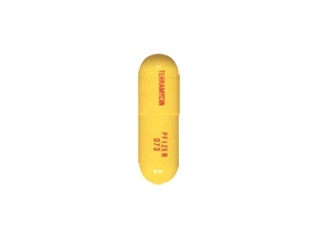


Terramycin (Oxytetracycline) – Patient Information
Terramycin is a brand name that contains the antibiotic oxytetracycline. It belongs to the tetracycline group of antibiotics. Terramycin is used to treat certain bacterial infections when the germ is sensitive to oxytetracycline.
This page explains what Terramycin is, how it works, typical uses, how to take it safely, important interactions (including food, alcohol and other medicines), and when to seek medical advice. Information is general and may not replace advice from your healthcare professional.
Key product details
| Item | Details |
|---|---|
| Active ingredient | Oxytetracycline |
| Drug class | Tetracycline antibiotic |
| Common forms | Oral tablets/capsules and, depending on the product/brand, other formulations |
| Use | Treats certain infections caused by susceptible bacteria |
| Important considerations | Food/minerals can reduce absorption; avoid use in pregnancy and in young children unless specifically directed |
How Terramycin works (mechanism of action)
Oxytetracycline works by inhibiting bacterial protein synthesis. Bacteria need proteins to grow and multiply. Oxytetracycline binds to the bacterial ribosome, interfering with the process that builds proteins from messenger RNA. As a result, the bacteria cannot reproduce effectively and the infection improves.
Like many antibiotics, oxytetracycline is most effective when the infecting organism is susceptible and when treatment is taken for the recommended duration.
Pharmacokinetics (how your body handles it)
After oral administration, oxytetracycline is absorbed through the gastrointestinal tract. Absorption can vary significantly because minerals and some foods bind tetracyclines, reducing how much gets into the bloodstream.
- Absorption: Reduced by calcium, magnesium, iron, zinc, and dairy products (milk/cheese).
- Distribution: Tetracyclines distribute into many tissues. They can also bind to developing bone and teeth.
- Metabolism: Limited metabolism; much of the drug is eliminated largely unchanged.
- Elimination: Mainly through the kidneys (urine) and partly via the gastrointestinal tract.
Because kidney function influences clearance for many antibiotics, people with kidney impairment may need extra caution or dose adjustment as advised by a healthcare professional.
Typical uses and indications
Terramycin may be used to treat infections caused by bacteria sensitive to oxytetracycline, including some respiratory, skin, urinary and other bacterial infections depending on local prescribing practices and sensitivity.
Examples of infections where tetracyclines may be used
- Some respiratory tract infections (when caused by susceptible organisms).
- Skin and soft tissue infections due to susceptible bacteria.
- Certain sexually transmitted infections where appropriate alternatives are not suitable and the organism is sensitive (use depends on current guidance and local antimicrobial resistance).
- Other bacterial infections as determined by culture/sensitivity testing or clinical judgement.
Note: Not all infections respond to antibiotics. Viral illnesses such as influenza or common cold do not improve with oxytetracycline. If you are unsure whether your illness is bacterial, seek medical advice.
Dose and timing: how to take Terramycin
Dosing depends on the specific infection, your age, kidney function, and the formulation strength. Always follow the directions provided with your medicine and any instructions from your healthcare professional.
General timing guidance for oral oxytetracycline
- Take at consistent times: Keep doses evenly spaced across the day.
- Separate from minerals and dairy: Avoid taking with milk, yoghurt, calcium supplements, antacids, or mineral supplements.
- Consider taking with water: Use a full glass of water to reduce the risk of throat or oesophagus irritation.
- Stay upright: If you have a tendency to reflux or pill irritation, remain upright for 30 minutes after swallowing.
Common adult regimens (general reference)
In many tetracycline products, typical dosing is divided (for example, two to four times daily) to maintain effective levels. The exact dose varies by formulation and indication.
Because product strengths and local recommendations differ, do not rely on this as personal dosing advice. Use the prescribed/labelled instructions for your specific product.
How long should you take it?
Finish the full course even if you feel better. Stopping early can allow surviving bacteria to regrow, which may lead to treatment failure and antibiotic resistance.
If side effects become severe or you think the medicine isn’t working, contact a healthcare professional promptly rather than stopping suddenly on your own.
Food interactions: what to avoid
Food can significantly affect tetracycline absorption. The most important interactions are with divalent and trivalent minerals. These include calcium, iron, magnesium, and aluminium.
Foods to separate from your dose
- Dairy products: milk, cheese, yoghurt
- Mineral-fortified foods: some drinks or breakfast cereals
- High-mineral supplements: calcium, magnesium, iron, zinc
How much to separate (practical approach)
- Try to take oxytetracycline at least 2 hours before or 4–6 hours after foods or supplements high in calcium, iron, magnesium, or zinc.
- For antacids (which may contain aluminium or magnesium), ask a pharmacist for the safest spacing for your brand.
Alcohol and medicine interactions
Moderate alcohol use is not typically described as a direct contraindication for oxytetracycline, but alcohol can worsen side effects such as nausea, stomach upset, heartburn, dizziness, and dehydration. If you are unwell, avoiding alcohol may help you recover more comfortably.
Alcohol-related cautions
- Stomach irritation: both alcohol and antibiotics can irritate the gastrointestinal tract.
- Adherence: alcohol may make it harder to remember doses on time.
- Liver health: if you have significant liver disease, discuss antibiotic choices with a clinician.
Medicine interactions (important)
Several medicines can interfere with oxytetracycline absorption or increase risk of side effects. Always review your current medicines, including over-the-counter products and supplements, with a pharmacist or healthcare professional.
Common interaction categories
- Antacids and mineral supplements: may bind oxytetracycline in the gut, reducing effectiveness.
- Iron, zinc, calcium, magnesium products: can reduce antibiotic absorption.
- Some laxatives containing magnesium: may interfere similarly.
- Warfarin: antibiotics can affect bleeding risk in some people. Close monitoring may be needed.
- Oral contraceptives: the effect is debated for many antibiotics, but if diarrhoea occurs (or vomiting), contraceptive reliability can be reduced. Use additional contraception if gastrointestinal upset occurs.
- Retinoids (vitamin A derivatives such as isotretinoin): together with tetracyclines may increase risk of certain rare side effects (including raised intracranial pressure).
- Other antibiotics: combining antibiotics can sometimes increase adverse effects or be unnecessary depending on the infection.
If you use any regular medication, including thyroid medication, diabetes medicines, or blood pressure tablets, it’s helpful to confirm timing and safety with a healthcare professional.
Safety profile: who should be cautious
Most people tolerate oxytetracycline reasonably well, but side effects can occur. Certain groups require extra care.
Common side effects
- Nausea
- Vomiting
- Diarrhoea
- Stomach pain or indigestion
- Headache
- Vaginal yeast infection (in some people)
- Skin rash (varies in severity)
Serious side effects—seek urgent medical help
- Allergic reaction: swelling of face/lips, difficulty breathing, hives.
- Severe or persistent diarrhoea (especially with fever or blood/mucus), which may indicate a serious gut infection.
- Severe skin reactions: blistering, peeling skin, or sores in the mouth/eyes.
- Signs of liver trouble: yellowing of eyes/skin, dark urine, severe fatigue.
- Severe dizziness, vision changes, or severe headache: rarely associated with increased pressure in the skull (intracranial hypertension), more likely in certain combinations.
Who may need to avoid oxytetracycline
- Pregnancy: tetracyclines can affect foetal bone and teeth development. Use depends on specific circumstances and current guidance.
- Breastfeeding: discuss risks and benefits with a healthcare professional.
- Children: tetracyclines can affect teeth and bone development. Use is generally avoided in young children unless specifically indicated and advised.
- People with certain liver or kidney problems: additional monitoring may be required.
- History of allergy to tetracyclines: do not use without specialist advice.
Practical tips for safer, more comfortable use
- Separate doses from minerals: plan your day so supplements, calcium-fortified drinks and antacids aren’t taken close to your antibiotic.
- Hydrate: drink water regularly, especially if you experience nausea or diarrhoea.
- Take with plenty of water: helps reduce irritation to the oesophagus.
- Protect your skin from sun: tetracyclines can increase sensitivity to sunlight (photosensitivity). Use sunscreen and protective clothing.
- Don’t skip doses: set reminders to maintain steady levels.
- Track symptoms: note improvement, and watch for worsening or new side effects.
- If you miss a dose: take it when remembered unless close to the next dose. Don’t double up.
Alternatives to Terramycin (oxytetracycline)
If oxytetracycline isn’t suitable, there are other antibiotic options for certain bacterial infections, chosen based on the type of infection, suspected organism, local resistance patterns, and patient factors.
Potential alternative antibiotic classes (examples)
- Penicillins (e.g., amoxicillin, depending on infection)
- Cephalosporins
- Macrolides (e.g., azithromycin)
- Clindamycin for selected infections
- Other tetracyclines (e.g., doxycycline) when appropriate
The best alternative depends on your diagnosis and sensitivity testing where available. A pharmacist can also discuss whether switching formulation or spacing with food/minerals might improve tolerability or absorption.
Terramycin in the Australian market: legal and availability context
In Australia, antibiotics are medicines regulated under the Australian regulatory framework and are typically supplied under controlled conditions consistent with safety and antimicrobial stewardship.
Availability can vary depending on whether the medicine is stocked by suppliers, the formulation strength, and current supply arrangements. Online pharmacies may display products based on what is legally permitted and currently obtainable.
If you are unable to find a specific brand, your pharmacist may be able to suggest an equivalent or suitable alternative based on therapeutic need.
Recent guidance and antimicrobial stewardship
Australian and international health authorities consistently emphasise responsible antibiotic use to reduce antimicrobial resistance. Key themes include:
- Using antibiotics only when they are likely to help (bacterial rather than viral illness).
- Using the narrowest effective option for the shortest effective duration.
- Completing the prescribed course to fully treat the infection.
- Reviewing treatment if symptoms do not improve or worsen after an expected timeframe.
If you’re treating an infection, consider discussing your symptoms and local resistance concerns with a healthcare professional, especially if this is a recurrent infection or you’ve recently used antibiotics.
Delivery and availability (online pharmacy information)
When available through an online pharmacy, Terramycin products are typically dispatched after order processing and verification checks. Delivery timeframes depend on location, courier service, and stock status.
What to expect
- Stock may vary: some formulations or strengths may be temporarily unavailable.
- Packaging: medicines are usually sent in appropriate protective packaging.
- Temperature and storage: follow the storage instructions on the label.
- Correct product: confirm you receive the strength and dosage form you ordered.
If you have questions about product availability in Australia or need help choosing the correct strength, contact a pharmacist or customer support for assistance.
Storage
Store Terramycin as directed on the product packaging. In general:
- Keep in a cool, dry place away from direct heat and sunlight.
- Keep out of reach of children.
- Do not use after the expiry date.
FAQ: Terramycin (Oxytetracycline)
1) What is Terramycin used for?
Terramycin (oxytetracycline) is an antibiotic used to treat infections caused by bacteria that are sensitive to oxytetracycline. The exact infection type depends on clinical judgement and local guidance.
2) How should I take it—with food or on an empty stomach?
Tetracyclines are often best absorbed when taken with consideration to food interactions. However, tolerance matters. If your product information suggests specific directions, follow them. Avoid taking close to dairy and mineral supplements.
3) Can I take Terramycin with milk or dairy products?
It’s best to avoid milk and dairy near your dose because calcium can reduce absorption. Separate dairy from your antibiotic dose (for example, by several hours) and follow label instructions.
4) What if I take antacids or magnesium supplements?
Antacids and magnesium-containing products can reduce antibiotic absorption. Space them out from your Terramycin dose. Ask a pharmacist for the safest timing based on the exact products you use.
5) Can I drink alcohol while taking oxytetracycline?
Alcohol is not usually a direct interaction, but it may increase side effects like stomach upset and dehydration. If you choose to drink, keep it minimal and ensure you can continue your course as directed.
6) What should I do if I miss a dose?
Take it as soon as you remember unless it is close to your next dose. Do not take two doses at once. If you’re unsure, check with a pharmacist.
7) How soon will I feel better?
Some improvement may occur within 24–72 hours depending on the infection. If symptoms worsen or do not start improving within a reasonable timeframe, contact a healthcare professional.
8) Are there any sun-sensitivity precautions?
Yes. Tetracyclines can cause photosensitivity. Use sunscreen (SPF 30+), wear protective clothing, and avoid prolonged sun exposure.
9) Can children take Terramycin?
Tetracyclines are generally avoided in young children because of potential effects on teeth and bone development. Use in children should only occur if specifically recommended by a qualified healthcare professional.
10) When should I seek urgent help?
Get urgent medical help if you develop signs of a severe allergic reaction, severe diarrhoea, blistering/peeling skin, yellowing of the skin or eyes, or severe headache/vision changes.
Important final note
Antibiotics are powerful medicines. Using them correctly improves outcomes and helps protect the effectiveness of antibiotics for the future. If you have any questions about dosing, interactions, or side effects, speak with a pharmacist or healthcare professional.