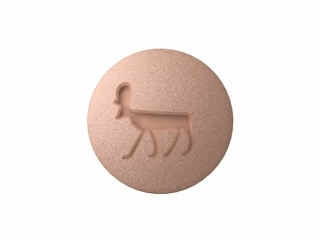
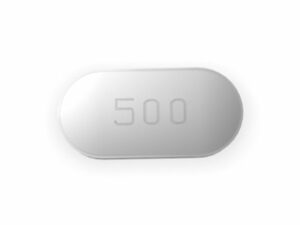

Prandin (Repaglinide) – Patient-Friendly Medicine Information (Australia)
Prandin is a medicine used to help manage type 2 diabetes. Its active ingredient is repaglinide. Prandin works by stimulating the pancreas to release insulin when you eat—making it particularly useful for people who eat meals at different times or want meal-related glucose control.
This guide explains how Prandin works, when and how it’s taken, common interactions and safety points, and what to discuss with your healthcare professional. It is written for patient understanding and general education.
Basic product information
| Item | Details |
|---|---|
| Brand name | Prandin |
| Generic name | Repaglinide |
| Medicinal class | Meglitinide (insulin secretagogue) |
| Diabetes type | Type 2 diabetes (used to improve blood glucose) |
| Main effect | Increases insulin release in response to meals |
| Typical dosing form | Oral tablets (strengths vary by product availability) |
How Prandin works (mechanism of action)
Repaglinide belongs to the meglitinide family of medicines. It helps lower blood glucose by closing ATP-sensitive potassium channels on pancreatic beta cells.
When these channels close, beta cells become more active and release insulin. Because repaglinide is taken around mealtimes, the insulin release is designed to occur mainly in response to food intake.
- Helps reduce post-meal glucose rises
- Shorter action than some other insulin-release medicines
- Improves overall glucose control when combined with diet and activity
It is important to note that Prandin works best when your pancreas can still produce insulin. If your body can’t make enough insulin, the effect may be limited.
Pharmacokinetics (how the body handles repaglinide)
“Pharmacokinetics” describes how a medicine is absorbed, distributed, broken down, and removed by the body.
Absorption and onset
Repaglinide is taken by mouth and is designed to work around meals. It typically begins acting relatively quickly after a dose, which is why timing with meals is a key part of therapy.
Peak effect
The blood concentration rises after taking a dose and reaches a peak effect before the next meal timeframe. This contributes to its “mealtime” focus.
Metabolism and elimination
Repaglinide is largely metabolised in the liver. It is then cleared from the body through elimination pathways that involve bile and the gastrointestinal tract.
- Key point: Liver metabolism means liver function and drug interactions can be important.
Half-life (general concept)
Repaglinide has an elimination profile that supports dosing with meals rather than once-daily dosing. Exact times may vary between individuals.
Typical use of Prandin
Prandin is used to improve blood glucose control in adults with type 2 diabetes. It may be used:
- As monotherapy (when suitable), or
- In combination with other diabetes medicines, depending on your overall treatment plan.
Prandin is not a replacement for healthy eating, physical activity, or ongoing diabetes care. It works best alongside lifestyle changes and regular monitoring.
When to take Prandin (timing with meals)
Correct timing is essential for reducing post-meal blood glucose. Prandin is generally taken before meals.
- Usually taken: about 15 minutes before eating. (Your prescriber may give a slightly different timing range depending on your situation.)
- If you skip a meal: you typically do not take a dose for that meal.
- If you delay eating: follow your healthcare professional’s advice; taking it too long before meals may increase the risk of low blood sugar.
If you eat at irregular times, Prandin can be convenient because the dose is tied to eating. Still, planning meals and monitoring glucose remain important.
Food interactions
Prandin interacts most with food timing rather than specific foods. Its glucose-lowering effect is designed to coincide with meals.
- Meal timing matters: taking a dose without eating increases hypoglycaemia risk.
- High-sugar meals: may require careful diabetes management, including monitoring and possible treatment adjustments.
- General diet: consistent carbohydrate distribution and healthy choices improve overall control.
If you have stomach upset, reduced appetite, or irregular eating patterns, talk to your clinician about how to adjust timing safely.
Alcohol and medicine interactions
Alcohol can affect blood glucose and can also interact with diabetes medicines by increasing the risk of hypoglycaemia (low blood sugar), especially if you drink without eating.
- General caution: limit alcohol and avoid drinking on an empty stomach.
- Monitor more frequently: check blood glucose if you choose to drink.
- Watch symptoms: sweating, shaking, confusion, or feeling faint may be signs of low sugar.
If you have liver disease or take other medicines that affect the liver, alcohol may further increase risk. Seek personalised advice for your situation.
Drug interactions (medicine-to-medicine)
Repaglinide is metabolised in the liver. Several medicines can affect the enzymes and transport systems involved, potentially changing repaglinide levels in the body.
Tell your healthcare professional and pharmacist about all medicines you use, including over-the-counter products and herbal supplements.
Examples of interaction categories
- Strong enzyme inhibitors may increase repaglinide levels, raising hypoglycaemia risk.
- Enzyme inducers may reduce repaglinide levels, making it less effective.
- Other glucose-lowering medicines may increase the risk of low blood sugar when used together.
Practical steps
- Keep an up-to-date list of your medicines.
- Ask before starting antibiotics, antifungals, or medicines for nausea, cholesterol, or mood.
- Be extra cautious after changes to therapy.
Your pharmacist can check common interaction risks based on your current medicine list.
Indications (what Prandin is used for)
Prandin (repaglinide) is indicated for the management of type 2 diabetes to improve glycaemic control. It helps lower blood glucose by increasing insulin secretion in a meal-dependent manner.
It is generally used as part of a comprehensive diabetes plan that includes diet, physical activity, weight management (when appropriate), and regular monitoring.
Dosing (general principles and how titration works)
Dosing must be individualised. Your doctor may start at a low dose and adjust based on your blood glucose results and tolerance. The goal is to achieve good glucose control with the lowest effective dose.
Typical dosing approach
- Start low: particularly in people who are older or at higher risk of hypoglycaemia.
- Take with meals: dose is linked to your eating routine.
- Titrate: adjustments may be made every one to two weeks or as advised by your clinician, based on monitoring.
How many doses per day?
Prandin is commonly taken before main meals. The number of doses depends on how many meals you eat each day.
- If you eat three main meals, you may take it before each meal.
- If you skip a meal, you typically skip that meal dose.
What to do if you miss a dose
If you miss a meal dose, follow your healthcare professional’s instructions. In general:
- If it’s close to your next meal, don’t double up.
- Focus on taking the next dose before the next meal as planned.
- Monitor blood glucose if you’re unsure.
Special considerations
- Older adults: may require lower starting doses and closer monitoring for hypoglycaemia.
- Liver impairment: because of liver metabolism, dose adjustments and extra caution may be needed.
- Kidney impairment: your clinician may consider dose and monitoring adjustments.
For exact dose strength (for example, tablet size and number of tablets), use the instructions on your medicine label. If you’re not sure, consult your pharmacist.
Safety profile (side effects and when to seek help)
Like all medicines, Prandin can cause side effects. Many people tolerate it well, but it can cause hypoglycaemia, particularly if meals are delayed or if combined with other glucose-lowering medicines.
Common side effects
- Low blood sugar (hypoglycaemia) – may include sweating, shakiness, dizziness, headache, hunger, or confusion.
- Low blood sugar symptoms during illness or with reduced food intake.
- Gastrointestinal symptoms such as nausea may occur in some individuals.
Serious side effects (urgent attention)
Seek urgent medical help or contact emergency services if you experience symptoms of severe hypoglycaemia, such as:
- Fainting or inability to swallow
- Seizure
- Severe confusion or drowsiness
Allergic reactions
Stop taking the medicine and seek prompt medical advice if you develop signs of allergy such as swelling of the face/lips, difficulty breathing, or widespread rash.
Risk factors for hypoglycaemia
- Taking Prandin but eating less than usual
- Delaying meals or skipping meals
- Exercise changes without adjusting food intake
- Using other diabetes medicines that also lower glucose
- Alcohol intake, particularly without food
- Kidney or liver impairment (depending on severity and your overall regimen)
Managing low blood sugar (practical approach)
- Use fast-acting carbohydrate (for example, glucose tablets or sugary drink) as directed in your diabetes plan.
- Recheck blood glucose if you’re able.
- Have a follow-up snack or meal if your next meal is not soon.
- Inform your clinician if hypoglycaemia occurs repeatedly—your dose may need adjusting.
Practical use tips
- Keep timing consistent: take Prandin shortly before eating, not far in advance.
- Link it to meals: if you plan your day around consistent meal times, dosing becomes easier and safer.
- Monitor regularly: check blood glucose as advised (and especially when you change dose or routine).
- Plan for exercise: physical activity can lower glucose—carry fast sugar and consider timing adjustments.
- Keep a diabetes record: notes on meals, glucose readings, and side effects help guide dose changes.
- Know your symptoms: recognise early hypoglycaemia signs and treat promptly.
Driving and operating machinery
If you experience hypoglycaemia symptoms, avoid driving or operating machinery until you feel well again. Low blood sugar can impair attention and reaction time.
Alternative options for type 2 diabetes (general overview)
Choice of diabetes medicine depends on your overall health, blood glucose targets, other conditions, and what your body responds to. If Prandin doesn’t suit you, healthcare professionals may consider other options, such as:
- Other insulin secretagogues (e.g., sulfonylureas)
- Metformin (often a first-line option)
- DPP-4 inhibitors
- SGLT2 inhibitors
- GLP-1 receptor agonists
- Basal insulin in some cases
Your clinician can discuss which alternative is most appropriate, balancing benefits (glucose control and sometimes cardiovascular or kidney outcomes) with risks such as hypoglycaemia, side effects, cost, and convenience.
Market and legal context in Australia (high-level)
In Australia, medicines are regulated under the Therapeutic Goods Administration (TGA) framework. Diabetes medicines are available through legitimate distribution channels and are used in accordance with Australian medicines information and clinician guidance.
Diabetes management involves ongoing assessment of glucose control and side effects. Always rely on approved product information and advice from qualified health professionals.
Your online pharmacy provider should supply genuine products and comply with applicable Australian pharmacy and consumer laws, including requirements for secure, trackable delivery and appropriate handling of medicines.
Recent guidance and evidence (what patients should know)
In recent years, diabetes care has increasingly emphasised:
- Individualised treatment targets based on risk of hypoglycaemia, comorbidities, and patient preferences
- Cardiovascular and kidney risk assessment to guide selection of medicines where appropriate
- Structured self-monitoring and education to reduce preventable complications
- Medication safety, particularly around interactions and hypoglycaemia risk
For meal-related insulin secretagogues like repaglinide, the key practical focus remains: correct meal timing, awareness of low blood sugar risk, and attention to interacting medicines.
Delivery and availability (online pharmacy information)
Availability can vary by strength and pack size. When ordering online, it’s important to:
- Confirm the exact product name and strength (repaglinide/Prandin).
- Check the quantity and dosing instructions on your medicine label.
- Ensure the pharmacy dispatches from an Australian-compliant supply chain.
- Choose delivery options that suit medication timing needs.
If you require urgent refills, contact the pharmacy to check dispatch schedules. Plan ahead to avoid gaps in treatment.
FAQ (Frequently asked questions)
1) What is Prandin used for?
Prandin (repaglinide) is used to improve blood glucose control in people with type 2 diabetes. It increases insulin release in response to meals to reduce blood sugar rises after eating.
2) When should I take Prandin?
In general, take Prandin before meals—often about 15 minutes prior. If you skip a meal, you typically skip the corresponding dose. Follow the timing instructions on your label and from your clinician.
3) What if I forget a dose?
If you forget a dose, don’t double up. In most cases you take the next dose before your next meal as planned. If you’re unsure, check with your pharmacist or your healthcare team.
4) Can I take Prandin if I don’t eat?
Typically, no—Prandin is intended to be taken in relation to eating. Taking it without eating increases the risk of hypoglycaemia.
5) What are the signs of low blood sugar?
Signs can include sweating, trembling, hunger, dizziness, headache, blurred vision, weakness, confusion, and feeling faint. Treat low blood sugar promptly using your diabetes action plan and seek medical help if severe symptoms occur.
6) Does food type affect Prandin?
The timing of your meal is more important than the specific food. However, carbohydrate content influences blood glucose. A consistent diabetes meal plan can help predict responses and reduce fluctuations.
7) Is alcohol safe with Prandin?
Alcohol can increase hypoglycaemia risk, especially if you drink without eating. If you drink, do so cautiously, avoid empty stomach drinking, and monitor your glucose if advised.
8) What medicines commonly interact with repaglinide?
Because repaglinide is metabolised in the liver, some medicines may increase or decrease its effect. Also, combining with other glucose-lowering medicines can increase hypoglycaemia risk. Always provide your full medicine list to your pharmacist for interaction checks.
9) Are there alternatives if Prandin causes side effects?
Yes. Alternatives depend on your health profile and glucose targets. Options may include other tablets or injectable therapies. Talk to your clinician about the best approach if side effects occur or if your glucose control is not satisfactory.
10) When should I seek urgent help?
Seek urgent medical assistance for severe hypoglycaemia (fainting, seizure, unable to swallow, severe confusion) or signs of allergic reaction (swelling of face/lips, difficulty breathing, widespread rash).
Important reminders
- Follow the dosing directions on your medicine label.
- Keep meal timing consistent to reduce low blood sugar risk.
- Monitor blood glucose as advised by your healthcare team.
- Tell your pharmacist about all medicines, supplements, and herbal products.
- If you have kidney or liver problems, discuss repaglinide suitability and monitoring.
This information is general and may not cover every individual situation. For personal advice about Prandin, including dose adjustments and interaction checks, consult your healthcare professional.