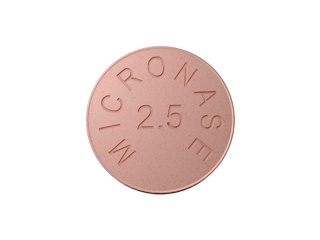
Micronase (Glyburide) – Patient Information (Australia)
Micronase is a brand of the diabetes medicine glyburide (also known as glibenclamide in some countries). It is an oral treatment used to help control blood glucose (sugar) in people with certain types of diabetes. This page explains how Micronase works, how it is usually taken, key precautions, interactions, and practical tips for safer use in everyday life in Australia.
| Category | Details |
|---|---|
| Active ingredient | Glyburide (Micronase) |
| Medicine type | Oral blood glucose–lowering medicine (sulfonylurea) |
| Common use | Type 2 diabetes to improve blood glucose control |
| How it works | Helps the pancreas release insulin and improves insulin effectiveness |
| Main risk to know | Low blood sugar (hypoglycaemia), especially if doses are too high or meals are missed |
| Typical dosing timing | Usually taken with food (meal timing is important) |
Basic product information
Micronase contains glyburide. Glyburide belongs to the sulfonylurea group of medicines. Sulfonylureas lower blood glucose by stimulating the release of insulin from the pancreas.
Micronase is generally used for type 2 diabetes when diet, exercise, and sometimes other diabetes medicines are not enough to reach target glucose levels.
How Micronase works (mechanism of action)
Glyburide works mainly by:
- Stimulating insulin release: It binds to specific receptors on pancreatic beta cells (cells that make insulin), helping them release insulin into the bloodstream.
- Improving glucose control: The released insulin helps move glucose from the blood into tissues and helps reduce blood sugar levels after meals and between meals.
Important note: Because glyburide increases insulin release, it can sometimes cause hypoglycaemia (low blood sugar), particularly if you eat less than usual, exercise more than planned, drink alcohol, or take other medicines that also affect glucose.
Pharmacokinetics (how the body handles glyburide)
Pharmacokinetics describes how a medicine is absorbed, processed, and eliminated in the body. For glyburide, key practical points include:
- Absorption: Glyburide is absorbed from the gastrointestinal tract after you take it by mouth.
- Onset and duration: It is typically designed to be taken with food because it works best when insulin release aligns with meals. Effects can last long enough that missing meals increases hypoglycaemia risk.
- Metabolism: Glyburide is metabolised by the liver.
- Excretion: Metabolites are eliminated through the kidneys and other routes.
Kidney and liver function: People with impaired kidney or liver function may have a higher risk of hypoglycaemia and may require dose adjustments and closer monitoring.
Typical use in diabetes
Micronase is commonly used for people with type 2 diabetes to help lower:
- Fasting blood glucose
- Post-meal blood glucose (glucose after eating)
- Overall glycaemic control, often reflected by HbA1c over time
Micronase is usually prescribed as part of a broader plan that includes:
- Healthy eating
- Regular physical activity
- Weight management (if appropriate)
- Monitoring blood glucose levels
When to take Micronase (timing)
Timing matters with glyburide. In general, it is taken with meals to reduce the risk of low blood sugar. Many regimens are taken once or twice daily depending on the dose and your individual plan.
General guidance for timing (patient-friendly):
- Take it with your meal rather than on an empty stomach.
- If you have been advised to take it twice daily, try to keep your meals and dosing times consistent.
- Do not skip meals after taking a dose.
- If you miss a dose, follow your health professional’s advice; commonly, the approach is not to double up.
Ask for individual instructions: dosing schedules can differ by product strength and your glucose pattern.
Food interactions and meal patterns
Glyburide’s effect depends on insulin release and your food intake. This means food habits can strongly influence safety.
- Regular meals: Eating regularly helps reduce the risk of hypoglycaemia.
- Skipping meals: Skipping or delaying meals increases the risk of low blood sugar.
- Changes in carbohydrate intake: Eating significantly fewer carbohydrates than usual may increase hypoglycaemia risk.
- Consistency is key: Sudden dietary changes should be discussed with your diabetes care team.
Low blood sugar recognition: If you feel shaky, sweaty, dizzy, unusually hungry, confused, or have blurred vision, check your glucose if possible and treat promptly according to your action plan.
Alcohol and medicine interactions
Alcohol can affect blood sugar levels in several ways. It may increase the risk of hypoglycaemia (especially if you drink on an empty stomach) and can also worsen judgement about symptoms of low sugar.
- Avoid heavy drinking and avoid drinking without food.
- Limit alcohol and follow your clinician’s guidance.
- Be cautious driving or operating machinery if you feel unwell or have symptoms of low glucose.
Tell your healthcare professional about your typical alcohol intake so they can help you plan safer dosing and monitoring.
Medicine interactions (important)
Many medicines can change blood glucose levels or influence glyburide metabolism, which may increase or decrease its effect. Always check interactions when you start, stop, or change the dose of any medicine.
Examples of medicines that may affect glycaemic control include:
- Other diabetes medicines (including insulin and other glucose-lowering agents) – may increase risk of hypoglycaemia.
- Some antibiotics – may affect glucose control or metabolism indirectly.
- Non-steroidal anti-inflammatory drugs (NSAIDs) – may influence glucose levels in some people.
- Warfarin and other blood thinners – monitoring may be needed.
- Medicines affecting liver enzymes (certain antifungals, antivirals, and other drugs) – can change glyburide levels.
Herbal and complementary products: Some supplements may also influence blood sugar. Discuss them with your pharmacist.
Practical tip: Keep a list of your medicines (including over-the-counter and supplements) and show it to your pharmacist before making changes.
Indications (what Micronase is used for)
Micronase (glyburide) is indicated for the treatment of type 2 diabetes mellitus to improve glycaemic control. It is used when diet, exercise, and other diabetes management measures are insufficient.
It may be used:
- As monotherapy in some people
- In combination with other diabetes medicines, depending on your plan
Not for: Glyburide is generally not used for type 1 diabetes or for diabetic ketoacidosis. If you have concerns about your diagnosis type, confirm with your healthcare professional.
Dosing information (general)
Dosing of glyburide is individualised based on blood glucose levels, age, kidney function, and response to therapy.
Typical approach:
- Starting dose is usually low to reduce the risk of hypoglycaemia.
- Adjustment may occur gradually based on fasting glucose and HbA1c results.
- Ongoing monitoring helps ensure the dose is neither too low (ineffective) nor too high (increased hypoglycaemia risk).
Important: This page provides general information. Your exact dose and schedule should be based on your clinician’s instructions and the specific product strength you receive.
Safety profile and side effects
Most important safety concern: hypoglycaemia
Because glyburide increases insulin release, the most significant risk is hypoglycaemia. Risk is higher if:
- Meals are skipped or delayed
- Doses are too high
- There is increased physical activity without a meal adjustment
- Alcohol is consumed
- There is kidney impairment
- Other glucose-lowering medicines are used concurrently
Symptoms of low blood sugar can include:
- Shaking, sweating, palpitations
- Hunger, nausea
- Dizziness, headache
- Confusion, irritability
- Blurred vision
What to do: Treat promptly with fast-acting carbohydrates (e.g., glucose tablets or sugary drink) if recommended in your action plan, and recheck glucose if possible. Seek urgent help if symptoms are severe, you cannot safely swallow, or glucose remains dangerously low.
Other possible side effects
- Weight gain (can occur with insulin-stimulating medicines)
- Gastrointestinal upset such as nausea or stomach discomfort (varies by person)
- Skin reactions (uncommon)
- Liver enzyme changes (rare; monitoring may be required)
- Blood count changes (rare)
Seek medical advice urgently if you experience signs of serious allergic reaction (such as swelling of face/lips, severe rash, or breathing difficulties) or severe, persistent hypoglycaemia.
Practical use tips (for everyday life)
- Check your glucose regularly if you are advised to do so. This helps guide safe dose adjustments.
- Don’t skip meals. Keep a snack plan if you sometimes delay eating.
- Know your “hypo” plan. Keep fast-acting carbohydrate accessible (e.g., glucose tablets) and inform family or caregivers.
- Be consistent with meal times to match the medicine’s activity.
- Review your medications whenever you’re prescribed something new, including antibiotics, antifungals, steroid tablets, or pain medicines.
- Keep hydrated. Illness and dehydration can affect glucose control.
- During illness (“sick day” care): glucose can rise, but hypoglycaemia can also occur depending on appetite and hydration. Follow your diabetes sick-day plan and seek advice early if unsure.
- Driving and safety: if you feel symptoms of low blood sugar, do not drive. Check glucose if needed.
Safety in special situations
Older adults
Older people may have an increased risk of hypoglycaemia due to reduced kidney function, changes in metabolism, or appetite changes. Lower starting doses and careful monitoring are often used.
Kidney or liver impairment
Because glyburide is processed by the liver and eliminated via the kidneys, impairment in either organ can increase the chance of prolonged drug effects. This may require dose adjustments and close follow-up.
Pregnancy and breastfeeding
Diabetes management during pregnancy usually differs from standard type 2 treatment. If you are pregnant, trying to conceive, or breastfeeding, discuss the safest options with your healthcare team.
Children
Use in children should be guided by specialist advice.
Alternative options for type 2 diabetes
Depending on your health profile, alternatives may include other oral medicines or injectable therapies. Options that clinicians may consider include:
- Metformin (often first-line for type 2 diabetes)
- DPP-4 inhibitors (e.g., sitagliptin, linagliptin)
- SGLT2 inhibitors (e.g., empagliflozin, dapagliflozin)
- GLP-1 receptor agonists (injectable; sometimes used for weight and glucose control)
- Other sulfonylureas (different agents within the same class)
- Insulin for more advanced or unstable diabetes
Why alternatives may be considered: Some people prefer options with a lower hypoglycaemia risk, or options that also support weight goals or cardiovascular/renal benefits (depending on the medicine and your situation).
Micronase and diabetes care in Australia: market/legal context
In Australia, diabetes medicines including sulfonylureas are regulated through the Australian Therapeutic Goods Administration (TGA) framework. Availability and supply can vary by brand and product listing.
People in Australia should also be aware that diabetes prescribing and medication choice often follow guidance from local clinical standards and health professional recommendations, including:
- Structured diabetes education (nutrition, lifestyle, monitoring)
- Individualised targets for HbA1c and glucose
- Medication selection balancing efficacy, safety (especially hypoglycaemia), side effects, comorbidities, and patient preferences
Because medicine suitability depends on individual health, pharmacists and prescribers in Australia commonly review:
- Your kidney function and age-related risk factors
- Any history of hypos or severe hypos
- Other medicines you take
- Your lifestyle, meal schedule, and support at home
Recent guidance and evolving practice (patient-friendly overview)
Diabetes practice continues to evolve. In many care settings, clinicians increasingly consider medicines beyond sulfonylureas—especially for people who are at higher risk of hypoglycaemia or who have additional health conditions where some other medicine classes may offer extra benefits.
That said, glyburide/sulfonylureas can still be appropriate for many people when used carefully, with dose review, education, and glucose monitoring. The “best” choice depends on the individual.
What this means for you: If you’re already stable on Micronase, do not stop or change dose without professional advice. If you are experiencing frequent hypos, weight concerns, or inconvenient dosing, ask your clinician/pharmacist about whether another option is safer or more suitable for your situation.
Delivery and availability (online pharmacy information)
Availability of Micronase (glyburide) can vary depending on stock levels, supplier routes, and product listings. If you’re ordering online in Australia, the pharmacy typically confirms:
- Stock status and expected dispatch times
- Packaging and product strength
- Delivery estimates to your postcode
- Order limits and any identification requirements where relevant
Delivery tips:
- Ensure your delivery address is correct and someone can receive the parcel.
- Check that refrigeration is not required (most oral tablets do not need refrigeration).
- Keep medicines in a cool, dry place away from direct sunlight.
If you have concerns about whether the exact product/strength you need is available, contact the online pharmacy before placing an order.
FAQ
1) What is Micronase used for?
Micronase (glyburide) is used to help control type 2 diabetes by lowering blood glucose. It helps your body release insulin and improve blood sugar levels, especially in combination with healthy lifestyle measures.
2) How quickly does Micronase work?
Glyburide starts working after you take it, with effects related to meal timing. The overall effectiveness is assessed over time using blood glucose readings and HbA1c.
3) Can I take Micronase if I skip breakfast?
It is generally not recommended to skip meals after taking glyburide because it increases the risk of hypoglycaemia. If you sometimes miss meals, discuss a safer strategy with your healthcare professional.
4) What should I do if I get symptoms of low blood sugar?
Check your glucose if possible. Treat low blood sugar promptly with fast-acting carbohydrate (e.g., glucose tablets or sugary drink), and follow your personal “hypo” action plan. If symptoms are severe or you cannot recover, seek urgent medical help.
5) Are there dietary restrictions?
You do not usually need a specific “forbidden” diet, but consistency matters. Try to keep regular meal patterns and avoid sudden large changes in carbohydrate intake. Seek advice if you are planning a new diet or meal schedule.
6) Can I drink alcohol while taking Micronase?
Alcohol can increase hypoglycaemia risk and make symptoms harder to recognise. Keep alcohol intake limited and avoid drinking without food. Discuss your drinking habits with your pharmacist or clinician.
7) What medicines should I be careful with?
Many medicines can affect glucose control or glyburide levels. Tell your pharmacist about all medicines you take, including antibiotics, antifungals, steroids, pain medicines, blood thinners, and supplements.
8) What if my kidney function is reduced?
Reduced kidney function can increase hypoglycaemia risk. Your clinician may adjust your dose and arrange closer monitoring.
9) Can Micronase cause weight gain?
Yes, weight gain can occur with sulfonylureas because of effects on insulin and appetite patterns in some people. Discuss weight-related concerns early—there may be safer alternatives.
10) What are common signs that my dose might be too high?
Frequent or unexplained hypoglycaemia symptoms, especially if they occur around meals or with changes in food/exercise, can indicate the dose may need review. Arrange a medication review with your clinician.
11) Are there alternatives to Micronase?
Yes. Depending on your situation, other diabetes medicines may be considered (such as metformin, DPP-4 inhibitors, SGLT2 inhibitors, GLP-1 receptor agonists, or insulin). Your diabetes care team can help choose based on safety, goals, and comorbidities.
12) How should I store Micronase?
Store tablets in the original packaging, in a cool, dry place, and out of direct sunlight. Keep away from children. Do not use after the expiry date on the pack.
Summary
Micronase (glyburide) is an oral sulfonylurea medicine used in type 2 diabetes to improve blood glucose control by stimulating insulin release. Because it can cause hypoglycaemia, safe use depends on taking it with meals, avoiding missed meals, limiting alcohol, and being aware of interactions with other medicines. If you experience frequent low blood sugar episodes or have concerns about dose, weight, or side effects, speak to your healthcare professional about the safest options for your diabetes management in Australia.