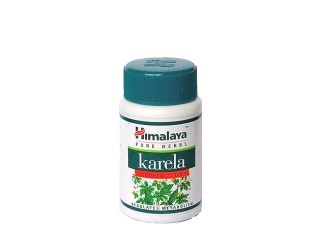
Karela (Bitter Melon) – Patient-Friendly Medicine Information (Australia)
Karela is a commonly used herbal medicine derived from bitter melon (Momordica charantia). It is traditionally used to support healthy blood glucose levels and overall metabolic wellbeing. In Australia, Karela products may be sold as herbal supplements or complementary medicines, depending on the exact formulation and claims made on the label.
This guide explains what Karela is, how it may work, how it is taken, possible interactions, and important safety considerations. It is written to help you make informed decisions when choosing a product from an online pharmacy.
Basic Product Information
- Product name: Karela (Bitter Melon)
- Active source: Bitter melon fruit/leaf extract (commonly)
- Common forms: Capsules, tablets, softgels, powders, teas
- Typical strength: Varies widely by brand (e.g., extract mg, standardized content)
- How it’s used: As a complementary approach to metabolic health
- Therapeutic category: Herbal supplement/complementary medicine (classification depends on product)
Note: Always check the exact product label for ingredients, standardisation, and suggested directions. Different brands may contain different extract types and strengths.
What Is Karela?
Bitter melon is a tropical fruit known for its distinctive bitter taste. Karela products are usually made from extracts designed to concentrate certain plant compounds. These include (depending on the product) naturally occurring phytochemicals such as charantin, polypeptide-p, and cucurbitane-type triterpenes, among others.
Because plant compounds can vary between crops, processing methods, and standardisation strategies, two Karela products may not provide the same effect.
Mechanism of Action (How It May Work)
Karela is often used to support healthy blood glucose regulation. While mechanisms can vary by preparation and dosage, research suggests several ways bitter melon compounds may influence glucose and insulin pathways:
- Glucose-lowering effects: Some compounds may reduce blood glucose through effects on pancreatic function and insulin signalling.
- Improved insulin sensitivity: Bitter melon may influence cellular pathways that affect how the body responds to insulin.
- Effects on carbohydrate metabolism: There may be effects on carbohydrate absorption and/or enzyme activity involved in digestion.
- Antioxidant and anti-inflammatory properties: These may support metabolic health indirectly by reducing oxidative stress.
Important: Karela is not a substitute for diabetes management. If you have diabetes or take glucose-lowering medicines, monitoring and clinician guidance are essential.
Pharmacokinetics (Absorption, Distribution, Metabolism, Elimination)
Pharmacokinetics describes how a substance is absorbed, processed, and eliminated by the body. For bitter melon extracts, human data can be limited and vary by product formulation. However, the general principles include:
- Absorption: Plant-derived compounds may be absorbed after oral dosing, with bioavailability depending on extract type and formulation (for example, standardized extracts vs whole powder).
- Metabolism: Compounds are likely metabolised in the liver and other tissues. Some constituents may be transformed into metabolites before exerting effects.
- Elimination: Metabolites are then eliminated primarily via the kidneys and/or bile.
- Variability: Different extraction methods and dosing forms can affect onset and strength.
In practice, this means the timing of effects may differ across products and individuals, and consistency (same brand, same dose) helps you interpret response.
Typical Use in Australia
In Australia, Karela is most commonly used as a complementary option for people who want to support healthy blood glucose levels as part of a broader lifestyle approach (diet, physical activity, weight management, and regular monitoring).
Typical reasons people choose Karela include:
- Supporting healthy metabolic function
- Helping maintain blood sugar within a healthy range
- Using a herbal approach alongside diet and exercise
Do not use Karela solely to treat symptoms of severe high or low blood glucose. Seek urgent medical care if you have signs of dangerously abnormal glucose levels (for example, confusion, fainting, seizures, or persistent vomiting).
Indications (What It’s Used For)
Depending on the specific product and regulatory status, labels may include general complementary indications related to:
- Blood glucose support (help maintain healthy levels)
- Metabolic wellbeing (general support)
Important: The exact indication and permitted wording will depend on the product’s listing and claims. Always follow the directions on the package and choose products that provide transparent information about dosage and ingredients.
Dosing and Timing
Because Karela products vary by brand and standardisation, the most reliable dosing guidance is the label instructions for your specific product.
General approach (common in practice)
- Start low: Many people begin with the lowest labelled dose to assess tolerance.
- Take consistently: Use the same dose at the same time(s) daily.
- Adjust based on response: If you are monitoring glucose, you may review results after a period of consistent use, ideally with healthcare guidance.
Common dosing patterns
These are examples only—follow your product label:
- Once daily: Often taken with the main meal
- Twice daily: Commonly split between meals
- Meal timing: Frequently taken with or after food to reduce stomach upset
When to expect effects
Some individuals may notice changes in glucose readings within days, while others may take longer. Herbal effects can be gradual. For supplements, a typical assessment period is often 2–8 weeks, but this depends on your health goals, baseline levels, and other medications.
Food Interactions and How to Take Karela
Food can influence how herbal compounds are absorbed and tolerated. Many Karela users find it easier on the stomach when taken with food.
- Take with meals if your label allows—especially if you experience nausea or stomach discomfort.
- Aim for consistency: Take it at the same times each day.
- Glucose-containing meals: If you are monitoring blood glucose, remember that meal composition (carbohydrate content, fibre, and meal timing) affects readings as much as supplements do.
What to watch for
- Gastrointestinal upset: Bitter melon can cause stomach discomfort in some people, particularly at higher doses.
- Changes in appetite: Some individuals report altered appetite or digestive changes.
Alcohol and Medicine Interactions
Alcohol
There are limited direct studies on interactions between Karela and alcohol. However, because alcohol can affect blood glucose and liver function, it may increase risks—especially if you drink heavily or frequently.
- General advice: Keep alcohol moderate and monitor how you feel.
- Avoid binge drinking: This can make glucose control less predictable.
- Seek advice if you have liver disease or are taking other glucose-lowering medicines.
Interactions with prescription and non-prescription medicines
Karela may interact with medicines that affect blood glucose or metabolism. The most important concern is the possibility of additive glucose-lowering effects.
Extra caution is needed if you take any of the following:
- Diabetes medicines (for example, metformin, insulin, sulfonylureas, or other glucose-lowering agents)
- Medicines that can lower blood glucose or affect carbohydrate metabolism
- Blood pressure medicines (some people monitor multiple metabolic parameters and may notice changes)
- Medicines that affect liver enzymes (in people with complex medication lists)
- Herbal supplements that also aim to lower glucose (e.g., berberine, gymnema)
Practical interaction advice:
- If you use Karela alongside glucose-lowering medicines, consider more frequent glucose monitoring initially.
- Be alert for symptoms of hypoglycaemia (see Safety section).
- Tell your pharmacist or doctor about all supplements you use, including dose and brand.
Safety Profile: Who Should Use Caution?
Karela is generally well tolerated by many adults when used at labelled doses, but it can still cause side effects and may not be suitable for everyone.
Possible side effects
- Stomach upset (nausea, diarrhoea, abdominal discomfort)
- Heartburn or indigestion
- Headache (reported by some users)
- Changes in blood glucose (either beneficial or problematic if too low)
Signs of low blood glucose (hypoglycaemia)
If you take glucose-lowering medicines, watch for:
- Shaking, sweating, chills
- Fast heartbeat, anxiety
- Dizziness, hunger, nausea
- Confusion, irritability, weakness
If hypoglycaemia is suspected, follow your healthcare plan and seek urgent help if symptoms are severe or do not improve.
Populations who should seek professional advice before use
- Pregnant or breastfeeding individuals (avoid unless a qualified clinician advises)
- Children (suitability depends on product and age)
- People with diabetes using medications (risk of additive glucose lowering)
- People with liver or kidney disease (additional caution with herbal products)
- People with a history of allergic reactions to similar foods or plants
When to stop and seek advice
Stop using Karela and seek advice if you experience:
- Persistent vomiting or severe diarrhoea
- Signs of allergy (rash, swelling, wheezing)
- Repeated episodes of low blood glucose
- Yellowing of the skin/eyes, dark urine, or severe fatigue (possible liver issues)
Practical Use Tips
These tips can help you use Karela safely and consistently:
- Choose a reputable brand that provides clear ingredient lists and dosing per serving.
- Follow label directions exactly—do not exceed the stated dose.
- Start gradually if you’re sensitive to herbal products.
- Monitor blood glucose if you have diabetes or take relevant medicines.
- Keep a short diary (dose, time, meals, and any symptoms) to identify patterns.
- Maintain lifestyle foundations: healthy eating, regular activity, hydration, and sleep.
Storage: Store as directed on the label (often in a cool, dry place). Keep out of reach of children.
Alternative Options
If Karela isn’t suitable or you want different supportive approaches, consider alternatives. These may include both herbal options and evidence-informed lifestyle strategies.
Lifestyle options (often first-line for metabolic health)
- Reducing refined carbohydrates and sugary drinks
- Prioritising fibre-rich foods (vegetables, legumes, whole grains)
- Regular physical activity (including resistance training)
- Maintaining a healthy weight
- Limiting alcohol and avoiding late-night high-sugar meals
Other complementary ingredients (examples)
Some people also explore:
- Berberine
- Gymnema sylvestre
- Chromium
- Magnesium (especially if deficient)
Important: “Natural” does not always mean “risk-free.” Alternatives may also interact with diabetes medicines. Discuss with your pharmacist or clinician if you have a complex condition or medication regimen.
Market and Legal Context for Australia
In Australia, products like Karela are typically supplied under the complementary medicines framework or as herbal supplements, depending on formulation and the claims made. Retail availability may differ based on:
- Whether the product makes therapeutic claims
- How ingredients are listed and standardised
- Regulatory status with Australian authorities
- Warnings and evidence requirements
When shopping online, look for clear product information including:
- Manufacturer details and batch/lot information
- Full ingredient list and active content per serving
- Directions for use and safety warnings
- Evidence-based or appropriately limited claims (as per regulations)
Recent guidance (practical takeaway): Health authorities and professional bodies continue to emphasise that complementary medicines should be used safely, with caution around interactions—particularly for people managing chronic conditions such as diabetes. Always keep your healthcare team informed about supplements you take.
Delivery and Availability (Australia)
Karela products are commonly available through Australian online pharmacies and supplement retailers. Availability can vary by brand, stock levels, and product type (capsules, powders, teas).
Delivery considerations
- Shipping timeframe: Often depends on your location and whether items are held in local warehouses.
- Order cut-off times: Some carriers process orders daily; check the website for estimated dispatch.
- Temperature and storage: Most dry supplements tolerate normal shipping conditions. Keep items stored as directed after delivery.
What to check before ordering
- Exact dosage form (capsules vs powder)
- Strength per serving (extract mg, standardisation, or total content)
- Servings per bottle to estimate cost per dose
- Expiry date
FAQ: Karela (Bitter Melon) for Australia
1) Is Karela the same as bitter melon?
Yes. “Karela” is a common name used to refer to bitter melon products. However, the preparation may differ—some are made from fruit powder, while others use standardized extracts.
2) How long does it take to work?
Herbal supplements can affect people differently. Some users may notice changes within days, while others need several weeks. Assess using consistent dosing and, if relevant, glucose monitoring.
3) Can I take Karela if I have diabetes?
If you have diabetes and take glucose-lowering medications, you should use caution. Karela may lower blood glucose further. Discuss with a pharmacist or clinician and monitor glucose closely, especially when starting or changing the dose.
4) Can Karela cause low blood sugar?
It can be possible—especially if combined with diabetes medicines or other glucose-lowering supplements. Symptoms include sweating, shaking, dizziness, hunger, and confusion. If you suspect low blood sugar, seek appropriate help promptly.
5) Should I take Karela with food?
Many people tolerate it better with meals. Follow your product label instructions. If you experience stomach upset, taking it after food may help.
6) Are there interactions with other supplements?
Yes. Supplements that also aim to lower glucose may increase the risk of excessive lowering. Keep a list of all products you use and review it with a pharmacist.
7) Can I drink alcohol while taking Karela?
Moderation is advised. Alcohol can affect blood glucose and may add strain to the body, particularly in people with diabetes or liver concerns. If in doubt, ask a pharmacist.
8) Who should avoid Karela?
Pregnant or breastfeeding individuals, children, and people with significant liver/kidney issues should seek advice before using Karela. Those on diabetes medications should use extra caution.
9) Is Karela suitable for everyone?
No. Suitability depends on your health status, medication list, and the specific product strength. A pharmacist can help you assess your individual risk.
10) What’s the best way to choose a Karela product?
Choose products with clear label directions, transparent ingredients, and reputable manufacturer information. Standardised extracts and consistent dosing may make results easier to judge.
Summary
Karela (bitter melon) is an herbal complementary medicine commonly used to support healthy blood glucose and metabolic wellbeing. It may work through effects on glucose regulation and insulin pathways, but real-world outcomes vary by product and individual health factors. Because of its potential to lower blood glucose, people taking diabetes medicines should use caution, monitor closely, and consult a pharmacist when starting or changing dose.
For the safest experience, choose a reputable product, follow label directions, take it consistently (often with meals), and be alert to gastrointestinal side effects or symptoms of low blood sugar.
| Category | Key Points |
|---|---|
| Product | Karela (Bitter Melon) – herbal supplement/complementary medicine |
| Used for | Support of healthy blood glucose levels and metabolic wellbeing (label dependent) |
| How it may work | May influence insulin signalling, glucose metabolism, and antioxidant pathways |
| Timing | Often taken with or after meals; follow label for your product |
| Food effects | Food may improve tolerance; consistent meal timing helps interpretation |
| Alcohol | Moderation advised; may affect blood glucose and liver stress |
| Drug interactions | Extra caution with glucose-lowering medicines; risk of additive low blood sugar |
| Common side effects | GI upset (nausea, diarrhoea, abdominal discomfort) |
| Safety notes | Check suitability if pregnant, breastfeeding, under 18, or with liver/kidney concerns |
| Australia availability | Typically sold online as complementary medicine/supplement depending on product listing |