
Fosamax (Alendronate) – Patient-Friendly Guide (Australia)
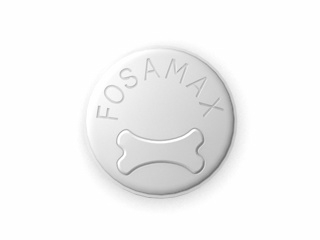
Fosamax is a brand name for alendronate, a medicine used to help prevent and treat osteoporosis (thinning and weakening of bone). It belongs to a group of medicines called bisphosphonates. When taken correctly, alendronate can help strengthen bones and reduce the risk of fractures.
This guide explains how Fosamax works, how to take it, what to watch for, and common interactions—written to be clear and practical for people living in Australia.
Basic product information
| Item | Details |
|---|---|
| Active ingredient | Alendronate (bisphosphonate) |
| Brand | Fosamax |
| Common strengths (varies by product/market) | Frequently 70 mg weekly; sometimes 10 mg daily (depending on formulation) |
| Medicinal class | Bone resorption inhibitor (antiresorptive) |
| How it’s taken | By mouth with specific administration instructions |
How Fosamax works (mechanism of action)
Bone is constantly being broken down and rebuilt. With osteoporosis, bone breakdown can outpace rebuilding, leading to weaker bones. Alendronate works mainly by:
- Inhibiting osteoclasts (cells that break down bone), reducing bone resorption.
- Helping bone become denser and stronger over time.
- Reducing the risk of fractures, particularly in the spine and hip.
Alendronate becomes incorporated into bone and can continue working for a long time after administration.
Pharmacokinetics (how the body handles alendronate)
Understanding pharmacokinetics can help explain why Fosamax must be taken in a specific way.
- Absorption: Oral alendronate has low bioavailability. Food, coffee, and some beverages reduce absorption significantly.
- Distribution: Most absorbed drug binds to bone. A small amount circulates before it is distributed/cleared.
- Metabolism: It is not extensively metabolised in the body.
- Elimination: Excretion occurs mainly via the kidneys. Kidney function matters for safe use.
- Duration of action: Because it binds to bone, its effect can persist for months to years even after dosing stops.
Typical uses and indications
Fosamax is used to treat or prevent osteoporosis in several clinical situations, including:
- Postmenopausal osteoporosis (including prevention and treatment, depending on age and fracture risk).
- Osteoporosis in men (helping to reduce fracture risk).
- Glucocorticoid-induced osteoporosis (for people taking corticosteroids such as prednisone/ prednisolone, when appropriate).
- Paget’s disease of bone (in some circumstances, typically under specialist guidance).
Your doctor may consider factors such as bone mineral density (BMD), previous fractures, age, and other risk factors to decide whether Fosamax is suitable.
When and how to take Fosamax (timing and administration)
Correct administration is crucial to reduce the risk of stomach/oesophagus problems and to maximise absorption. Follow the instructions on your product packaging and the medication schedule your healthcare professional has advised.
General administration rules (very important)
- Take Fosamax on an empty stomach.
- Take it with a full glass of plain water (not coffee, tea, juice, or mineral water if your product instructions discourage it).
- Do not take it with any food or drinks other than plain water.
- Stay upright (sitting or standing) for at least 30 minutes after swallowing the tablet. This helps reduce irritation to the oesophagus (food pipe).
- Avoid lying down immediately after taking it.
Daily dosing vs weekly dosing
Fosamax is available in different regimens. The most common in Australia is often 70 mg once weekly. Some formulations may be taken once daily depending on the indication.
Do not switch schedules without advice. Use the same schedule every week/day as instructed.
Weekly dosing timing (common approach)
- Choose a day of the week that fits your routine.
- Take the tablet on that day, using the administration rules above.
- If you miss a dose, follow the product’s instructions or your healthcare professional’s advice for what to do next.
Daily dosing timing (where applicable)
- Take it at the same time each day if possible.
- Keep the empty-stomach and upright guidance the same every dose.
Tip: Many people take it first thing in the morning. Set an alarm and keep a glass of water ready.
Food, drink, and supplements: interactions that affect absorption
Alendronate absorption can be reduced by foods and certain beverages. For best results:
- Take Fosamax before breakfast and other drinks (except plain water).
- Avoid coffee and tea around the dosing time.
- Separate Fosamax from calcium, iron, magnesium, and antacids by several hours (often at least 2 hours, but follow your product instructions and clinician advice).
- Vitamin D and calcium may be prescribed to support bone health; timing matters to avoid reducing alendronate absorption.
If you use supplements, consider taking calcium/vitamin D later in the day—after Fosamax has been taken and you’ve allowed enough time for spacing.
Alcohol and medicine interactions
Alcohol can contribute to bone health issues when taken heavily and may increase risk of falls in some people. There is no specific “always dangerous” interaction with alendronate in most moderate use cases, but alcohol can indirectly increase risk of gastrointestinal irritation and may worsen side effects in some individuals.
Alcohol
- Moderate intake is generally considered acceptable, but avoid heavy drinking.
- If you notice heartburn or stomach discomfort, reducing alcohol may help.
Medicine interactions (examples to discuss)
Several medicines can interact with alendronate’s absorption or affect the oesophagus or kidneys. Tell your healthcare professional and pharmacist about all medicines you take, including over-the-counter products.
- Antacids and supplements containing minerals (calcium, magnesium, iron, aluminium): may reduce absorption—separate by spacing as instructed.
- Non-steroidal anti-inflammatory drugs (NSAIDs) (e.g., ibuprofen, naproxen): may increase risk of gastrointestinal irritation in some people.
- Aspirin and other ulcer-provoking medicines: similar considerations for GI risk.
- Other bone-active medicines (e.g., denosumab, teriparatide, romosozumab): may change treatment plans—do not combine without a clear therapeutic plan.
- Corticosteroids: may be part of conditions that cause osteoporosis; your overall fracture risk assessment guides use.
- Medicines affecting kidney function: because alendronate is cleared by the kidneys, kidney impairment may require avoidance or dose review.
If you are unsure about a specific medicine or supplement, check with a pharmacist—small timing changes can make a big difference.
Dose guidance (typical dosing patterns)
The correct dose depends on your diagnosis, age, and kidney function. The information below is general and should align with the product you receive and your clinician’s plan.
| Condition (typical) | Common Fosamax regimen | Notes |
|---|---|---|
| Postmenopausal osteoporosis | Often 70 mg once weekly | Exact schedule depends on your plan and formulation. |
| Osteoporosis in men | Often 70 mg once weekly | May vary by indication and product. |
| Glucocorticoid-induced osteoporosis | Often 5–10 mg daily or alternative regimens | Clinician decision based on steroid dose and risk. |
| Paget’s disease of bone (where used) | Regimens may differ from osteoporosis | Typically supervised and monitored. |
Missed dose (general approach)
If you miss a dose, the “what to do next” can differ for weekly and daily schedules. Always follow the instructions in your product information or ask a pharmacist for advice based on your dosing day and formulation.
Do not take a double dose to make up for a missed tablet unless a clinician specifically tells you to.
Duration of treatment
Osteoporosis medicines often require long-term use. Treatment duration may be reviewed after a period (for example, several years) depending on fracture risk, response, and safety considerations. Your clinician will guide the plan.
Safety profile: common and serious side effects
Like all medicines, Fosamax can cause side effects. Many people tolerate it well, particularly when taken correctly. However, it is important to recognise warning symptoms early.
Common side effects
- Heartburn or indigestion (dyspepsia)
- Nausea
- Stomach discomfort
- Mild headache (sometimes)
- Muscle/joint aches (can occur in some people)
Serious side effects (seek urgent medical advice)
- Oesophageal irritation or injury: symptoms may include new or worsening difficulty swallowing, pain on swallowing, chest pain, or severe heartburn. Stop and seek medical advice if these occur.
- Jaw problems (rare): pain, swelling, poor healing of the jaw, or exposed bone may occur in rare cases. Inform your dentist and doctor promptly.
- Unusual thigh bone pain: can be a warning sign of rare stress fractures (atypical fractures).
- Severe allergic reaction: swelling of the face/lips, rash, breathing difficulty.
Kidney considerations
People with reduced kidney function may be advised not to use alendronate or may require careful assessment. Kidney-related guidance is important to ensure safe use.
Calcium and vitamin D
Alendronate can lower blood calcium in some circumstances. If you have low vitamin D or low calcium, your healthcare professional may recommend supplementation before or during treatment.
Practical use tips for best results
- Use plain water only: Keep to water for the dose. Avoid taking it with other drinks.
- Don’t lie down: Remain upright for at least 30 minutes after taking the tablet.
- Space mineral supplements: Separate Fosamax from calcium/iron/magnesium/antacids by several hours.
- Check for swallowing discomfort: If you have trouble swallowing, pain on swallowing, or severe reflux, speak to your pharmacist or doctor promptly.
- Maintain bone-supporting lifestyle: Adequate protein, weight-bearing exercise, safe sunlight/vitamin D practices, smoking cessation, and fall prevention all help.
- Keep appointments: Bone density checks and reviews help confirm ongoing benefit.
Alternative options (if Fosamax is not suitable)
There are several other treatments for osteoporosis and related bone conditions. Choice depends on your risk level, tolerance, kidney function, other medical conditions, and preference. Common alternatives include:
- Other bisphosphonates: such as risedronate, ibandronate, and zoledronic acid. Some are weekly or monthly; zoledronic acid is often given by injection.
- Denosumab: a different class given as an injection at set intervals.
- Osteoanabolic medicines (selected cases): medications that stimulate bone formation, such as teriparatide or abaloparatide.
- Romosozumab: an injection used in certain high-risk patients, depending on local guidance.
- Calcium and vitamin D as supportive therapy, especially if intake is low (as guided by your clinician).
If you experience side effects with Fosamax, a pharmacist or doctor can help consider whether an alternative medicine, a different dosing regimen, or improved administration steps are appropriate.
Market and legal context for Australia (plain-language overview)
In Australia, medicines are regulated by TGA (Therapeutic Goods Administration). Bone medicines like alendronate are used according to local prescribing information and product packaging.
Availability and dispensing requirements can vary depending on the exact product, strength, and brand. Always ensure you receive the correct formulation for the intended regimen.
For accurate status and specific brand/strength availability, refer to local product listings and guidance from your pharmacy or healthcare provider.
Recent guidance and monitoring (what to expect)
Clinical guidance for osteoporosis generally focuses on:
- Confirming diagnosis and fracture risk (often using BMD and clinical risk factors).
- Ensuring adequate calcium and vitamin D intake.
- Reviewing kidney function where relevant for bisphosphonates.
- Monitoring response with periodic bone density tests (timing depends on individual circumstances).
- Reassessing treatment after a period (sometimes involving “drug holidays” for selected patients, depending on risk).
- Encouraging good dental care and prompt review for any jaw symptoms (rare complications exist across the class).
A pharmacist can also remind you of key “administration-to-absorption” steps and how to reduce oesophageal irritation.
Delivery and availability (online pharmacy)
Fosamax may be available through online pharmacies in Australia, subject to supply, product strength, and eligibility checks. Delivery options typically include standard and express services depending on location and stock.
- Check stock availability: Fosamax can be listed in different strengths—choose the correct product.
- Packaging: You should receive the manufacturer’s carton and patient information leaflet where applicable.
- Storage: Store tablets according to the package instructions (usually in a cool, dry place).
- Delivery timeframe: Varies by region, carrier and dispensing workflow.
If you have questions about whether a specific strength or dosing schedule is available, you can contact customer support of the online pharmacy before placing an order.
FAQ about Fosamax (Alendronate)
1) How long does it take for Fosamax to work?
Bone strength changes gradually. Some benefits can occur within months, but fracture risk reduction is typically assessed over longer periods (commonly years). Follow your dosing schedule consistently and attend monitoring appointments.
2) What should I do if I accidentally take Fosamax with food or other drinks?
If the tablet is taken with food or non-water beverages, absorption may be reduced and the tablet may cause more irritation. For safety, do not lie down right after taking it. If you have symptoms (e.g., severe heartburn, difficulty swallowing), seek medical advice. For the best next step, ask a pharmacist.
3) Can I take calcium or vitamin D with Fosamax?
Calcium and vitamin D can be used as part of osteoporosis care, but timing is important. They should generally be separated from Fosamax by several hours to avoid reducing absorption. Your pharmacist can advise a suitable schedule.
4) Does Fosamax cause tooth or jaw problems?
Rarely, bisphosphonates have been associated with jaw complications, particularly after invasive dental procedures or with poor dental health. Maintain good oral hygiene and tell your dentist you are using alendronate. If you develop jaw pain, swelling, or delayed healing, seek prompt dental and medical advice.
5) What symptoms mean I should stop and get medical help?
Contact a healthcare professional urgently if you develop symptoms suggesting oesophageal injury (pain on swallowing, difficulty swallowing, chest pain, or severe/worsening reflux), signs of allergic reaction, or severe/unusual bone pain.
6) Is it safe for everyone?
Not everyone is suitable for alendronate. People with certain swallowing disorders, significant oesophageal problems, specific kidney function limitations, or low calcium/vitamin D may need different treatment or additional measures. Your healthcare professional can assess suitability.
7) How do I reduce stomach discomfort or reflux?
The main strategies are correct administration: empty stomach, plain water, and remaining upright for at least 30 minutes. Avoid taking it right before going to bed. If reflux persists, discuss options with your pharmacist or doctor.
8) Can I drink coffee or tea after taking Fosamax?
For best absorption, take Fosamax first and avoid coffee/tea immediately after. Wait until you have eaten and followed product guidance on timing between dose and other beverages.
9) Are there alternatives if I can’t tolerate Fosamax?
Yes. Depending on your situation, other bisphosphonates or non-bisphosphonate treatments may be considered. A pharmacist can help you understand what options may be suitable and how administration differs.
10) How should I store Fosamax?
Store according to the label instructions, usually in a cool, dry place. Keep tablets in the original packaging and out of reach of children.
When to talk to a pharmacist
A pharmacist can help you use Fosamax correctly and safely. Consider asking for advice if you:
- Have a history of reflux, oesophagus problems, or difficulty swallowing.
- Take calcium, iron, antacids, or multiple medicines and need a clear dosing schedule.
- Have kidney disease or are unsure about your kidney function status.
- Have upcoming dental work or develop jaw pain or poor healing.
- Have experienced side effects and want to explore alternatives.
Summary
Fosamax (alendronate) is a bisphosphonate medicine commonly used for osteoporosis. It helps strengthen bones by reducing bone breakdown. Success depends on proper administration: take it on an empty stomach with plain water, stay upright for at least 30 minutes, and separate it from food and mineral supplements. If you experience swallowing problems, severe reflux, chest pain, or other concerning symptoms, seek medical advice promptly.
For individual guidance about dosing, interactions, and suitability in your personal situation, consult a pharmacist or healthcare professional.