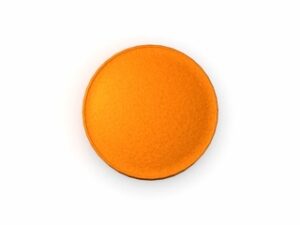
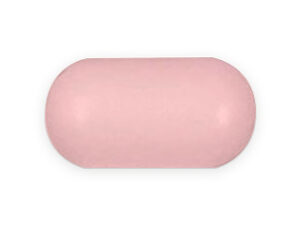
Floxin (Ofloxacin) – Patient Guide (Australia)
Floxin contains ofloxacin, an antibiotic belonging to the fluoroquinolone group. It is used to treat certain bacterial infections. This guide explains how Floxin works, how it is typically taken, common safety considerations, and practical tips to help you get the best results from your treatment.
Important: Medicines differ from person to person. Always follow the directions provided by your healthcare professional and read the consumer medicines information (CMI) supplied with your product.
1) Basic product information
| Product | Active ingredient | Medicine type | Common formulation* |
|---|---|---|---|
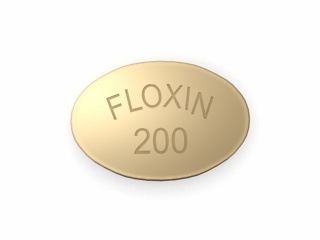
| Floxin | Ofloxacin | Antibiotic (fluoroquinolone) | Oral tablets (strengths vary by product/pack) |
*Note: Availability and strengths can vary by brand and market. Your pack will specify the exact strength and form.
2) How Floxin works (mechanism of action)
Ofloxacin works by interfering with bacterial DNA processes. Specifically, it inhibits key enzymes involved in DNA replication and repair:
- DNA gyrase (topoisomerase II)
- Topoisomerase IV
By blocking these enzymes, ofloxacin prevents bacteria from multiplying, allowing the immune system to clear the infection. This antibiotic is designed to target bacterial infections; it does not treat viral illnesses such as common colds or influenza.
3) Pharmacokinetics (how your body handles it)
Pharmacokinetics describes what the body does to a medicine—absorption, distribution, metabolism, and elimination.
- Absorption: Ofloxacin is absorbed from the gastrointestinal tract after oral dosing.
- Distribution: It distributes into body tissues and fluids where susceptible bacteria may be present.
- Peak levels: Blood levels typically rise within a few hours after taking a dose (exact timing can vary by individual and formulation).
- Metabolism & elimination: Ofloxacin is largely eliminated via the kidneys. If you have kidney impairment, your dose may need adjustment.
Because it is cleared primarily by the kidneys, maintaining recommended dosing intervals is important.
4) Typical use (what it’s for)
Floxin is used for specific bacterial infections where ofloxacin is considered appropriate. Depending on local clinical guidelines and your individual situation, it may be used for conditions such as:
- Some urinary tract infections (UTIs)
- Certain respiratory tract infections
- Some skin and soft-tissue infections
- Other infections caused by bacteria susceptible to ofloxacin (as determined by a clinician)
Note: The choice of antibiotic depends on the likely bacteria, their resistance patterns, your medical history, severity of illness, and allergy history. Not all infections can be treated with ofloxacin.
5) Indications and suitability
Floxin may be considered when a clinician believes the infection is caused by bacteria that are likely to be sensitive to ofloxacin. It is especially important that bacteria are susceptible, because fluoroquinolones can have significant side effects and should not be used unnecessarily.
You should seek medical advice if:
- Your symptoms are severe (e.g., high fever, worsening pain, confusion, dehydration)
- You are pregnant or breastfeeding
- You have a known allergy to fluoroquinolones or previous antibiotic reactions
- You have significant kidney disease
- You have a history of tendon problems or tendon rupture
6) How to take Floxin (timing and dosing)
Always take Floxin exactly as directed on the label or by your healthcare professional. The dosing schedule may differ depending on the infection type, severity, and kidney function.
Typical dosing approach
- Frequency: Often taken once or twice daily (depending on the prescribed regimen).
- Duration: The course length varies; do not stop early even if you feel better, unless your clinician advises you to.
Timing tips
- Take your dose at the same times each day to maintain consistent antibiotic levels.
- If you miss a dose: take it when you remember unless it is close to the next dose. Do not take a double dose.
- Finish the full course unless you are told to stop.
How to swallow
Swallow tablets with water. If your medicine label specifies any special instructions (for example, whether to take with food), follow those directions.
7) Food interactions (what to eat and when)
Ofloxacin can usually be taken with or without food. However, food may affect how certain substances are absorbed—especially minerals found in supplements and some foods/drinks.
Important interactions to consider:
- Antacids and products containing aluminium or magnesium may reduce absorption.
- Iron, zinc, and calcium supplements may also reduce absorption.
- Sucralfate can also interfere with absorption.
Practical approach: If you use antacids or mineral supplements, separate them from ofloxacin by several hours (your pharmacist can advise the safest spacing for your products). This helps ensure you absorb the antibiotic effectively.
Alcohol and heavy meals: Alcohol does not typically “cancel” the antibiotic, but it can worsen side effects and dehydration risk. Heavy meals may affect comfort or nausea; if you are prone to stomach upset, taking with food may help.
8) Alcohol and medicine interactions
There is no single universal rule for alcohol with ofloxacin, but combining alcohol with antibiotics can increase the chance of side effects such as dizziness, nausea, or reduced coordination. It may also affect recovery by worsening sleep and hydration.
Guidance:
- It is generally best to avoid alcohol during antibiotic treatment.
- If you choose to drink, keep it minimal and ensure you stay well hydrated—however, do not drink if you feel unwell or if you are experiencing dizziness or unsteadiness.
Other important medicine interactions (tell your clinician/pharmacist about all medicines and supplements you take):
- Warfarin or other blood thinners: Fluoroquinolones may increase the effect of warfarin, raising bleeding risk. Monitoring may be required.
- Corticosteroids (e.g., prednisone): Using steroids with fluoroquinolones may increase risk of tendon injury.
- Drugs that affect heart rhythm (QT prolongation): Some medicines can affect the heart’s electrical cycle. Combining can increase risk of rhythm disturbances in susceptible individuals.
- Diabetes medicines: Fluoroquinolones can affect blood glucose in some people (either high or low glucose). Extra monitoring may be advised.
- Non-steroidal anti-inflammatory drugs (NSAIDs): In some cases, may increase risk of central nervous system effects (discuss with your pharmacist if you use frequent NSAIDs).
- Probenecid: May influence drug elimination.
Always check: Keep an updated list of your medications, including herbal products and vitamins, and share it with your pharmacist.
9) Safety profile (what to watch for)
Like all antibiotics, Floxin can cause side effects. Most people experience mild to moderate effects, but some reactions can be serious.
Common side effects
- Nausea
- Diarrhoea (mild)
- Headache
- Dizziness
- Stomach discomfort
Serious side effects – seek urgent medical advice if these occur
- Allergic reaction (swelling of face/lips, rash/hives, trouble breathing)
- Severe or persistent diarrhoea (especially if watery or with blood/mucus)
- Tendon pain, swelling, or inflammation, particularly the Achilles tendon (stop and seek advice promptly)
- Symptoms of nerve problems (tingling, numbness, burning pain)
- Severe dizziness, confusion, agitation, tremor, or hallucinations
- Unusual heart symptoms (fainting, fast/irregular heartbeat, severe palpitations)
- Low or high blood sugar symptoms (sweating, shaking, excessive thirst, confusion)
- Seizures or severe neurological symptoms
Tendon caution: Fluoroquinolones have been associated with tendon injuries, sometimes occurring during treatment or after completing the course. Avoid excessive exercise and discontinue use and seek medical advice if tendon pain occurs.
Who needs extra caution?
- Older adults
- People with kidney impairment
- People with a history of tendon rupture or tendon disorders
- Those taking corticosteroids
- People with conditions affecting the heart rhythm or risk factors for QT prolongation
- People with a history of epilepsy or seizures
- People with diabetes or glucose control issues
10) Practical use tips (to improve outcomes and reduce problems)
- Hydrate well unless you have been restricted from fluids by a clinician.
- Don’t skip doses and try to keep consistent timing.
- Finish the course even if you feel better—stopping early can increase the risk of relapse and resistance.
- Watch for diarrhoea. If diarrhoea becomes severe, persistent, or contains blood, contact a clinician promptly.
- Avoid strenuous activity if you are at risk of tendon injury; consider resting and monitor for pain.
- Protect your skin if you notice increased sensitivity to sunlight (wear sunscreen and protective clothing).
- Medication spacing: If you take antacids or supplements with calcium/magnesium/iron/zinc, ask your pharmacist how long to separate them from ofloxacin.
11) Missed dose and what to do
If you miss a dose:
- Take it as soon as you remember, unless it is near the time for your next dose.
- If you are close to the next dose, skip the missed dose.
- Do not take two doses at once.
If you are unsure, consult a pharmacist for personalised advice based on your dosing schedule.
12) Alternative antibiotic options (discuss with a clinician)
Alternative options depend on the infection type, severity, local resistance patterns, and your medical history. For some infections, other antibiotic classes may be used instead of a fluoroquinolone.
Examples of alternative options that may be considered in different situations include:
- Nitrofurantoin (commonly for selected UTIs)
- Trimethoprim-sulfamethoxazole (where appropriate and susceptible)
- Amoxicillin/clavulanate
- Cephalosporins (e.g., cefalexin for some indications)
- Other fluoroquinolones in specific circumstances (not necessarily interchangeable)
Why alternatives matter: Choosing an antibiotic is not only about treating the current infection; it also helps reduce the risk of antibiotic resistance and avoids unnecessary exposure to medicines with higher risk profiles.
13) Market and legal context in Australia
In Australia, antibiotic medicines are regulated and supplied in accordance with the Australian regulatory framework and the Therapeutic Goods Administration (TGA) requirements. Medicines may have specific supply classifications and conditions.
Availability online depends on the product’s legal status and the pharmacy’s requirements for assessment and delivery. The medication may be listed by brand name, active ingredient, dosage form, and pack size. If there are restrictions on supply, the pharmacy site will display relevant information and processes.
Antibiotic stewardship: Australia follows a strong approach to appropriate antibiotic use. Overuse can increase resistance and worsen future treatment options.
14) Recent guidance and antibiotic stewardship (high-level overview)
Across many healthcare systems, including Australia, there is ongoing emphasis that fluoroquinolones should generally be reserved for infections where they are appropriate and where benefits outweigh risks. Clinicians consider:
- Whether other narrower-spectrum antibiotics could be effective
- Local antimicrobial resistance patterns
- Patient-specific risk factors (e.g., tendon risk, heart rhythm risk)
- Need for culture/testing where appropriate
If your clinician selects ofloxacin, it is typically because it is considered suitable for the suspected bacteria and your health situation.
15) Delivery and availability (what to expect online)
Online availability can vary by state, product type, and stock levels. Common delivery expectations include:
- Order processing: Orders are typically processed during business hours.
- Shipping: Delivery timelines depend on your location and courier services.
- Packaging: Medicines are usually packed securely and may include cold-chain requirements for some products (not typically needed for tablets).
- Receipt & storage: Store tablets as directed on the label and keep out of reach of children.
If you need the medicine by a specific date, contact the pharmacy before placing the order.
16) Storage advice
- Store at the temperature and conditions stated on the pack.
- Keep away from moisture (e.g., bathroom shelves) and direct sunlight.
- Keep tablets in the original packaging if possible.
- Do not use after the expiry date.
17) FAQ
How quickly does Floxin start working?
Many people begin to feel some improvement within 24–48 hours, depending on the infection. If there is no improvement after a couple of days or symptoms worsen, contact your clinician/pharmacist for reassessment.
Can I take Floxin with food?
In most cases, ofloxacin can be taken with or without food. If it upsets your stomach, taking it with food may help. Keep in mind mineral/antacid interactions—spacing may be needed.
What should I avoid while taking Floxin?
Avoid:
- Excessive exercise if you experience tendon discomfort or if you’re at higher risk of tendon injury.
- Alcohol where possible, since it may worsen side effects and recovery.
- Unnecessary supplements/antacids without spacing advice (especially calcium, magnesium, iron, zinc, and antacids).
Is Floxin safe for everyone?
No. People with certain risk factors (such as tendon injury history, kidney problems, seizure risk, heart rhythm issues, or those taking corticosteroids) need extra caution. Discuss your full medical history with a healthcare professional.
What if I get diarrhoea while on Floxin?
Mild diarrhoea can occur. However, seek medical advice promptly if diarrhoea is severe, persistent, or contains blood/mucus, as this may require evaluation.
What happens if I stop early?
Stopping early may allow the infection to return and can increase the chance of antibiotic resistance. Unless you experience severe side effects, it’s best to complete the prescribed course.
Can I drive or operate machinery?
Some people may feel dizzy or unsteady. If you experience dizziness, avoid driving and machinery until you know how Floxin affects you.
Are there lab tests or monitoring needed?
Sometimes monitoring is needed based on your health conditions and other medicines (for example, blood glucose in diabetes or clotting tests if you take warfarin). Follow your clinician’s advice.
Is Floxin the same as other fluoroquinolone antibiotics?
They are related, but not identical. Different fluoroquinolones have different dosing regimens, safety considerations, and approvals. Use only the medicine prescribed for your situation.
Need more help? If you’re unsure whether Floxin is suitable or how it may interact with your other medicines, speak with your pharmacist. They can help you plan dosing times and review your medication list for interactions.