Diane 35 (Cyproterone acetate + Ethinylestradiol) — Patient Information (Australia)
Diane 35 is a combined hormonal medicine containing two active ingredients: cyproterone acetate and ethinylestradiol. In Australia, it is used to treat certain hormone-related skin and hair conditions and, in some cases, to provide contraception as part of its combined hormonal action.
This page explains how Diane 35 works, what it’s used for, how to take it, safety considerations, common interactions, and what to expect during treatment.
At a glance
- Active ingredients: Cyproterone acetate + Ethinylestradiol
- Medicine type: Combined oral contraceptive pill with anti-androgen activity
- Common reasons for use: Moderate to severe acne and other androgen-related skin symptoms
- How it’s taken: Usually 21 active tablets followed by 7 tablet-free days (or as per the pack instructions)
- Key safety focus: Blood clot risk and hormone-related side effects
Basic product information
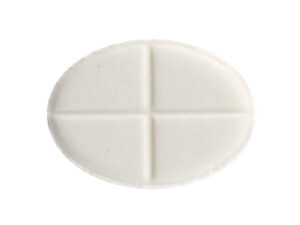
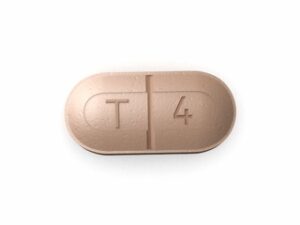
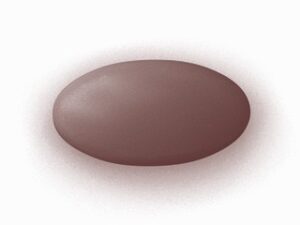
Diane 35 is formulated as an oral tablet. The cyproterone acetate component provides anti-androgen effects (it helps reduce the action of male-type hormones on the skin), while ethinylestradiol contributes to cycle control and contraceptive effect by regulating ovulation.
What it does in the body (plain language)
- Anti-acne / anti-androgen effect: Helps reduce oiliness of the skin and can improve acne and oily skin.
- Cycle regulation: Helps produce more predictable bleeding patterns.
- Contraception: Lowers the chance of pregnancy by preventing ovulation (for individuals who take it as directed).
Mechanism of action
Diane 35 works through two coordinated mechanisms:
- Cyproterone acetate (anti-androgen): Cyproterone acetate binds to androgen receptors and reduces the effect of androgens (male-type hormones) in target tissues such as the skin. This can decrease sebum (skin oil) production, reduce inflammation, and improve acne. In some androgen-related conditions, it can help with hair thinning and other symptoms.
- Ethinylestradiol (combined hormonal action): Ethinylestradiol is an oestrogen component that helps stabilise the hormonal environment. It contributes to suppression of gonadotropins and helps prevent ovulation. It also increases sex hormone–binding globulin (SHBG), which can reduce free (active) androgens in the body.
Pharmacokinetics (how the body handles it)
Pharmacokinetics describes absorption, distribution, metabolism, and elimination. Individual results may vary.
Absorption
- Oral absorption: Both components are absorbed after swallowing the tablet.
- Timing: Peak levels generally occur within a few hours after taking a dose, though exact times can vary by person.
Distribution
- Protein binding: Ethinylestradiol and cyproterone acetate are extensively bound to plasma proteins. This affects how much active drug is available in the bloodstream.
Metabolism
- Liver metabolism: Cyproterone acetate is primarily metabolised in the liver. Ethinylestradiol is also metabolised in the liver and can undergo intestinal-hepatic recirculation.
- Enzyme interactions: Certain medicines can increase or decrease how fast these hormones are metabolised, which may affect effectiveness and bleeding patterns.
Elimination
- Excretion: Metabolites are eliminated mainly via urine and faeces.
- Half-life: Cyproterone acetate and ethinylestradiol have different elimination half-lives, contributing to steady hormone exposure over the dosing cycle.
Typical uses in Australia
In practice, Diane 35 is used for hormone-related skin conditions where an androgen contribution is suspected and other approaches may have been less effective. Commonly, it is considered for:
- Acne: Moderate to severe acne, particularly where hormonal factors are thought to play a role.
- Acne with androgen-related signs: Acne associated with other signs such as increased facial/body hair (androgenisation).
- Androgen-related symptoms in selected people: When appropriate for the individual’s overall health and risk profile.
Use for contraception may be part of the overall combined hormonal effects, but the suitability of any hormonal medicine should be assessed for your personal risk factors.
How to take Diane 35 — timing and regimen
Follow the instructions on your product pack and the advice provided by your healthcare professional. The regimen below is a common approach for combined oral contraceptives; your exact schedule may vary by brand presentation.
Common daily schedule
- Take one tablet each day at roughly the same time.
- Start of a cycle: Many packs are taken with 21 active tablets followed by a 7-day break (no active tablets), during which withdrawal bleeding may occur.
- Next pack: Begin the next pack after the 7-day break, even if bleeding has not finished.
If you are starting
Starting dates depend on your previous contraceptive use, menstrual cycle timing, and pregnancy status. For safety, it’s important to start correctly and consider backup contraception if needed.
Food interactions
Diane 35 tablets can generally be taken with or without food. Food does not usually significantly affect absorption.
If you have nausea or stomach upset, taking the tablet after a meal or at bedtime may help some people. If you vomit soon after taking a tablet, treat it as a missed tablet (see practical tips below).
Alcohol interactions
Moderate alcohol consumption does not typically directly reduce hormone effectiveness.
- What to watch for: Heavy drinking can increase the likelihood of missed doses and vomiting, which can affect hormone levels.
- Other risks: Alcohol may worsen side effects like headache, mood changes, or breast tenderness for some individuals.
- Blood clot awareness: The key risk factor is the medicine itself and individual health factors, not alcohol alone.
Medicine interactions (important)
Some medicines can reduce the effectiveness of combined oral contraceptives or increase hormone levels, leading to side effects or breakthrough bleeding. Others may increase your risk of certain complications.
Medicines that may reduce effectiveness
- Enzyme-inducing medicines (commonly via liver enzyme pathways) can lower hormone concentrations. Examples include some medicines used for seizures (anti-epileptics) and some treatments for tuberculosis.
- Certain antibiotics/antifungals may affect hormone levels in some people (effects are more variable than with true enzyme inducers).
- Herbal products such as St John’s wort may reduce effectiveness.
Medicines that may increase hormone-related side effects
- Some medicines can increase hormone levels (for example, certain antifungals or antivirals that inhibit drug-metabolising enzymes), which may increase side effects like nausea or headaches.
Always check for interactions
Tell a healthcare professional or pharmacist about all medicines you take, including:
- Prescription medicines
- Over-the-counter products
- Herbal supplements
- Vitamins and “natural” remedies
If an interacting medicine is needed, you may require additional contraception and monitoring of bleeding patterns.
Dosing (what is the usual dose?)
Diane 35 dosing is typically one tablet daily following the regimen specified in the pack. The pack is designed so the hormones are taken in a structured pattern across the cycle.
- Do not adjust the dose on your own.
- Keep consistent timing to reduce breakthrough bleeding and maintain effectiveness.
- If you miss tablets, follow the guidance for missed doses on the pack or ask your pharmacist for personalised advice.
Indications and who it may be suitable for
Diane 35 is generally considered when hormone-related acne and/or androgen-related symptoms are present and when the individual’s overall health profile supports use of combined hormonal therapy.
Suitability depends on risk factors such as smoking status, age, migraine type, blood pressure, history of blood clots, and other medical conditions.
Key factors commonly considered before starting
- History of blood clots (venous or arterial)
- Family history of clotting disorders
- Recent surgery or prolonged immobilisation
- Smoking and age
- Type of migraine (particularly migraine with aura)
- Blood pressure issues
- Breast cancer or other hormone-sensitive conditions
- Liver disease
Safety profile and important warnings
Like all combined hormonal medicines, Diane 35 has benefits and risks. The most significant risk category for many combined oral contraceptives is blood clots (and related rare events). Understanding risks helps you decide with confidence.
Blood clot risk (venous thromboembolism)
Combined oral contraceptives can increase the risk of developing a blood clot compared with not using them. Risk varies by individual factors and by the specific formulation.
Seek urgent medical help if you develop signs of clotting such as:
- Leg symptoms: swelling in one leg, pain or tenderness in the calf, redness or warmth
- Breathing symptoms: sudden shortness of breath, coughing blood, chest pain
- Stroke symptoms: sudden weakness/numbness on one side, trouble speaking, facial drooping, severe sudden headache
- Eye symptoms: sudden vision changes
Other possible side effects
- Nausea, stomach upset
- Headache
- Breast tenderness
- Spotting or breakthrough bleeding, especially in the first few months
- Mood changes (some people experience changes in mood or libido)
- Changes in weight (variable; not everyone experiences this)
- Skin changes: acne may improve gradually
When to be extra cautious
- Smoking, particularly if you are over a certain age (risk increases with age and smoking)
- Migraine, especially migraine with aura
- High blood pressure or uncontrolled cardiovascular risk
- Major surgery or long travel/immobility
- Postpartum period (risk profile may differ)
If you develop new or worsening symptoms (especially severe headache, visual disturbances, or symptoms suggesting clot), stop the medicine and seek medical advice urgently.
Practical use tips for best results
These tips can help you get the most reliable cycle control and treatment response while reducing avoidable problems.
- Take at the same time daily: Set a phone alarm. Consistency helps reduce spotting and helps maintain hormonal levels.
- Manage missed tablets promptly: Use the pack guidance for missed doses and consider backup contraception where appropriate.
- Expect improvement over time: Acne and androgen-related symptoms often improve gradually rather than overnight.
- Track side effects and bleeding: Note spotting, headaches, mood changes, and any symptoms that worry you.
- Use supportive skin care: For acne, gentle cleansing, non-comedogenic moisturisers, and dermatologist-guided products may improve outcomes.
- Watch for warning signs: Be alert for clot symptoms and unusual severe symptoms.
Timing of acne improvement (what to expect)
Response time varies. Many people notice changes within the first 2–3 months, but fuller improvement often takes longer.
- First 1–3 months: Some reduction in oiliness and fewer inflammatory spots may begin.
- 3–6 months: Acne improvement is often clearer; cycle-related flares may lessen.
- Longer term: Continued treatment may be needed for sustained benefit, depending on your clinician’s plan.
If you do not experience improvement after several months, ask a healthcare professional about whether the medicine is still appropriate or whether alternative approaches are better.
Alternatives to Diane 35
Depending on the reason you’re considering Diane 35 (acne, androgen-related symptoms, or contraception), there may be other options. Availability and suitability vary, so it’s helpful to discuss your goals and risk profile.
Possible alternatives (examples)
- Other combined oral contraceptives that have different hormone formulations
- Non-hormonal acne treatments (e.g., topical therapies such as retinoids, benzoyl peroxide, and antibiotics, depending on severity)
- Anti-androgen medicines used in specific circumstances (your clinician may consider options depending on overall health)
- Specialist acne treatments (e.g., light/laser or other dermatology-led strategies)
If the aim is acne control, dermatology-based regimens may sometimes be combined with hormonal approaches. Always seek personalised guidance.
Market and legal context in Australia (overview)
Medicines in Australia are regulated by the Therapeutic Goods Administration (TGA). Diane 35 is a prescription-only oral hormonal medicine. Product availability, prescribing guidance, and safety communications can evolve over time.
In recent years, Australian and international regulators have reviewed safety information about combined oral contraceptives, particularly regarding the risk of blood clots and products containing certain progestogens.
For the most current advice, including any updates to product information, warnings, or restrictions, refer to official Australian medicine listings and safety communications or speak with a pharmacist.
Recent guidance and updates (how to stay current)
Regulatory and clinical guidance can change as new safety data becomes available. Common areas of focus include:
- Clarification of indications: ensuring use is appropriate for the condition being treated.
- Risk assessment: emphasising blood clot screening and contraindications.
- Interaction checks: highlighting medicines and herbal products that can affect effectiveness.
- Patient counselling: improving awareness of warning signs and when to seek urgent help.
If you’re starting Diane 35 or changing how you take it, it’s wise to review the latest Consumer Medicines Information (CMI) or ask a pharmacist to confirm key safety points.
Delivery and availability
Availability can vary depending on stock levels and supply schedules. When ordering from an online pharmacy, you can typically expect:
- Verification steps: The pharmacy may confirm suitability and safety information before processing your order.
- Packaging: Medicines are usually delivered in manufacturer packaging with clear labelling.
- Delivery times: Shipping speed depends on your location and the pharmacy’s dispatch schedule.
If you require urgent treatment or have specific delivery needs, check the store’s delivery estimates and contact options.
FAQ
How long does it take for Diane 35 to work for acne?
Many people notice early changes within the first 1–3 months. Clearer improvement often takes around 3–6 months. Acne improvements can vary, so it’s important to reassess with your healthcare professional if you don’t see progress after several months.
What should I do if I miss a tablet?
Missed-dose guidance depends on how many tablets were missed and where you are in the cycle. Check the instructions in the pack for missed tablets. Because missed tablets can affect hormone levels, you may need backup contraception or additional precautions.
Can I take Diane 35 with food?
Yes. Diane 35 can generally be taken with or without food. If nausea occurs, taking it after a meal or at night may help.
Does alcohol affect Diane 35?
Moderate alcohol usually doesn’t directly interfere with Diane 35. However, heavy drinking may increase the chance of vomiting or missing doses, which can affect effectiveness.
Are there interactions with other medicines?
Yes. Some medicines (including certain seizure medicines, tuberculosis treatments, some antibiotics/antifungals, and herbal products like St John’s wort) can change hormone levels. Tell your pharmacist about everything you take so they can check interactions.
What are the most important warning signs to watch for?
Seek urgent medical help for symptoms that may indicate a blood clot or stroke, such as: one-sided leg swelling, sudden shortness of breath, chest pain, coughing blood, severe sudden headache, weakness/numbness on one side, or trouble speaking.
Can I stop Diane 35 if my acne improves?
It’s not always advisable to stop suddenly without a plan, because acne may return when hormone levels change. Discuss ongoing needs and alternatives with a healthcare professional.
Is Diane 35 suitable for everyone?
No. Suitability depends on individual risk factors such as smoking, age, migraine type, blood pressure, clot history, and other medical conditions. A clinician or pharmacist can assess your risk profile.
Where can I find the most up-to-date safety information?
Review the Consumer Medicines Information (CMI) and check for any recent safety updates from Australian health authorities. You can also speak with a pharmacist if you have specific questions.
Summary
Diane 35 contains cyproterone acetate and ethinylestradiol and is used for certain androgen-related skin conditions, particularly acne. It works by reducing androgen effects on the skin and by stabilising hormonal function. Like all combined hormonal medicines, it requires careful attention to safety, especially blood clot risk and possible interactions with other medicines.
If you have questions about suitability, side effects, missed tablets, or interactions, contact a pharmacist for tailored advice.