Amalaki (Traditional Ayurvedic Herbal Supplement) — Patient-Friendly Guide (Australia)
Amalaki is a traditional herbal product widely used in Ayurvedic wellness practices. It is made from Emblica officinalis (also known as Indian gooseberry or amla). Many people use Amalaki to support overall health, particularly by contributing antioxidants, supporting digestion, and promoting general wellbeing.
This page provides practical, patient-friendly information about what Amalaki is, how it may work, typical uses, how to take it, food and alcohol considerations, safety, and common questions—with an Australia-focused perspective on availability and regulatory context.
Quick Overview
- Product type: Herbal supplement (commonly capsules, tablets, powder, or tincture depending on brand)
- Herbal source: Emblica officinalis (amla/Indian gooseberry)
- Common focus: Antioxidant support, digestive comfort, general immune and wellness routines
- Typical timing: Often taken daily; many people take it with or shortly after meals
- Form matters: Dosing depends on the product strength and whether it’s extract, powder, or concentrated formulation
- Safety approach: Generally well tolerated for many adults, but check ingredients and health conditions
Basic Product Information
Amalaki is an herbal supplement containing active naturally occurring compounds from amla. Amla is known for its high antioxidant content and naturally occurring vitamin C–related components (vitamin C activity may vary depending on processing and product form).
Typical forms on the Australian market may include:
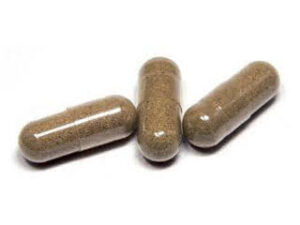
- Capsules or tablets (standardised herbal extract or powder)
- Powder mixed into smoothies, yoghurt, or warm water
- Liquid extracts (tinctures or syrups)
Important note: The exact dose and ingredient list vary by brand. Always read the product label and follow the dosing directions specific to the item you purchase.
Mechanism of Action (How Amalaki May Work)
Amalaki is used for wellness support. While traditional use guides many of its applications, modern research generally points to several possible biological actions.
- Antioxidant activity: Amla contains polyphenols and other antioxidant compounds that may help protect cells from oxidative stress.
- Support of digestive comfort: Traditional use includes supporting digestion and bowel regularity. Some constituents may influence gut function indirectly.
- Immune and general wellness support: Antioxidants and micronutrients (including vitamin C activity) may support normal immune function as part of an overall healthy lifestyle.
- Metabolic and lipid-support research interest: Some studies explore whether amla constituents may influence markers related to metabolism and cholesterol, though results vary and are not a substitute for medical care.
Bottom line: Amalaki is typically considered a supportive supplement rather than a targeted medicine for a single disease.
Pharmacokinetics (Absorption, Distribution, Metabolism, Excretion)
Pharmacokinetics describes how the body absorbs, processes, and eliminates ingredients. For herbal extracts, exact pharmacokinetic behaviour can vary depending on:
- Whether the product is whole fruit powder versus a standardised extract
- Processing methods (drying, extraction, standardisation)
- Food intake at the time of dosing
- Individual factors (gut health, concurrent supplements, genetics)
In general terms:
- Absorption: Many antioxidant polyphenols are partially absorbed in the small intestine, with a portion reaching the colon where gut bacteria may transform compounds.
- Metabolism: Absorbed polyphenols are often metabolised in the liver and intestinal tissues into multiple metabolites.
- Elimination: Metabolites are excreted primarily via bile and urine, with some contribution via faecal elimination.
Practical implication: Because absorption and metabolism depend on formulation and the digestive environment, people may notice effects (if any) over days to weeks rather than immediately.
Typical Use and Indications
Consumers commonly use Amalaki as part of daily wellness routines. Depending on the exact product and label claims, indications may include:
- Antioxidant support to help protect cells from oxidative stress
- Supporting digestion and daily gut comfort
- General immune system support as part of a healthy diet
- Skin and hair wellness support (commonly reported; evidence varies)
- Wellbeing routines to complement lifestyle measures such as diet, sleep, and exercise
Note on indications: In Australia, product labels for supplements may include permitted health messaging. Always ensure your specific product’s packaging aligns with its listed indications and directions for use.
Who May Consider Using Amalaki?
Amalaki may be considered by adults who want a daily herbal supplement that supports antioxidant intake and overall wellness. It may be especially popular among people looking for:
- A plant-based supplement option
- A routine that can be taken consistently
- Support for dietary micronutrient intake (depending on formulation)
Not for everyone: If you are pregnant, breastfeeding, have a chronic medical condition, or take regular medicines, check product suitability with a qualified healthcare professional or pharmacist.
Dosing (How Much to Take)
Dosing depends strongly on the product form and concentration. Always follow the directions on your Amalaki label.
Common dosing ranges (general guidance)
- Powder-based products: Often taken in divided daily amounts (for example, once or twice daily), mixed with food or drink.
- Capsules/tablets: Frequently taken once daily or split into morning/evening doses.
- Extract products: Typically dosed in smaller amounts due to standardisation.
Example timing approach: Many adults take Amalaki once daily with meals, then adjust based on label directions and personal tolerance.
If you have GI sensitivity: Starting with a lower dose can help you assess tolerance.
Timing: When to Take Amalaki
Amalaki can often be taken at any time of day, but the best routine is the one you can maintain consistently.
Typical strategies:
- With or after breakfast or lunch: Many people find this supports comfort and consistency.
- With meals if it causes mild stomach discomfort: Taking with food may reduce the likelihood of nausea or irritation.
- Split dose: If your label recommends twice daily, taking one dose in the morning and one in the evening may help tolerance.
Consistency matters: Supplement effects (particularly antioxidant and wellness support) are generally expected over time.
Food Interactions (What to Know)
Herbal ingredients can interact with digestion. For Amalaki, food interactions are usually about absorption and stomach comfort rather than severe drug-like interactions.
Common practical tips:
- Taking with food: Often preferred for comfort, especially if you have a sensitive stomach.
- Acidic foods and drinks: If your supplement is taken alongside very acidic meals or beverages, you may notice changes in stomach comfort for some people.
- High-fibre meals: Some people prefer to space supplements away from very high-fibre meals if they experience bloating or changes in bowel habit.
General rule: If you notice stomach upset, try taking it after meals rather than on an empty stomach.
Alcohol and Medicine Interactions
Alcohol
There are no universally established, direct interactions between Amalaki and alcohol across all formulations. However:
- Moderation is sensible: Alcohol can irritate the stomach and affect hydration and sleep, which may influence how you feel while taking any supplement.
- If you experience reflux or indigestion: consider taking Amalaki at a different time and avoid taking it alongside alcohol.
Medicine interactions
Herbal supplements can potentially affect how your body processes medications or may add to the effects of certain therapies. Specific interactions depend on the exact extract and your medicine list.
Extra caution is recommended if you take medicines for:
- Blood sugar or diabetes management (because some products are discussed in metabolic contexts)
- Blood pressure or heart-related conditions
- Blood thinning or clotting risk (interaction potential varies; avoid assuming safety)
- Immunosuppression or autoimmune-related treatments
Practical approach: If you take regular medications, it’s best to speak with a pharmacist before starting Amalaki—especially if you’re on multiple medicines or have complex health conditions.
Safety Profile: Side Effects and When to Be Cautious
Amalaki is generally considered a well-tolerated herbal supplement for many adults. However, side effects can occur, particularly if the dose is too high for your tolerance or if you have an underlying condition.
Possible side effects
- Stomach upset (nausea, mild cramps, or diarrhoea)
- Heartburn or reflux in sensitive individuals
- Headache (rare, may relate to individual sensitivity)
- Allergic reactions (rare; stop use and seek medical advice if you develop rash, swelling, or breathing difficulty)
Who should use extra caution or seek advice first?
- Pregnancy or breastfeeding: Safety data may be limited depending on the product.
- Children: Not all products are appropriate for under-18s; check label guidance.
- Upcoming surgery: If you have a procedure planned, discuss supplements with your healthcare team.
- Chronic conditions: Especially gastrointestinal disease, diabetes, bleeding disorders, or autoimmune conditions.
- Multiple medicines: Interaction risk can increase with complexity of your regimen.
When to stop and get help
Stop taking Amalaki and seek professional help urgently if you experience:
- Signs of a severe allergic reaction (swelling of face/lips, difficulty breathing)
- Severe abdominal pain or persistent diarrhoea
- Any concerning symptoms that are new after starting the supplement
Practical Use Tips (How to Get the Best Results)
- Start low, then build: If you’re new to Amalaki, begin with the lowest end of the recommended label dose to assess tolerance.
- Be consistent: Take it at the same time each day if possible.
- Choose a reputable brand: Look for clear ingredient lists, standardisation information (if available), and transparent manufacturing practices.
- Track your response: If you’re taking it for digestive comfort or wellness, note changes in bowel habit, energy, or tolerance over 2–4 weeks.
- Stay hydrated: Herbal supplements support wellness best alongside adequate water intake.
- Don’t rely on it alone: For overall health, combine supplements with a balanced diet, exercise, sleep, and stress management.
Alternative Options
If you’re considering Amalaki, there are other ways to support similar goals such as antioxidant intake, digestive comfort, or immune wellness. Alternatives may include:
Dietary alternatives
- Vitamin C–rich foods: citrus fruits, kiwi, berries, capsicum
- Polyphenol-rich foods: berries, grapes (resveratrol-containing foods), green tea, extra-virgin olive oil
- Fibre and gut support: legumes, oats, vegetables, psyllium (if appropriate)
Supplement alternatives
- Other antioxidant supplements: vitamin C, vitamin E, mixed polyphenols, or green tea extract (choose carefully and follow label instructions)
- Digestive supplements: probiotics, peppermint oil (for some digestive complaints), or soluble fibre (e.g., psyllium husk)
- Traditional Ayurvedic options: formulations vary widely; always review ingredients and dosing
Tip: If you want something for a specific symptom (e.g., constipation, reflux, or diarrhoea), consider discussing options with a pharmacist so you choose the most suitable category and avoid unnecessary overlap.
Australia Market & Legal Context (Important Notes)
In Australia, herbal and vitamin products are generally regulated as complementary medicines or vitamins and minerals depending on their ingredients and claims. The regulatory status can differ by product.
Key consumer points:
- Label compliance: Products should include permitted label directions and ingredient listings.
- Health claims: Supplement labels must not make unlawful disease claims. Any benefits typically relate to general health support rather than treatment of a disease.
- Quality and consistency: Reputable suppliers provide batch information or quality testing evidence when available.
Recent guidance (general trend): Regulators and health authorities in Australia continually emphasise consumer safety around supplements, including:
- Clear product labelling and dosing instructions
- Avoiding misleading claims
- Reporting adverse effects to the appropriate channels
- Being cautious with combinations of supplements and medicines
Always read the product packaging and consult a healthcare professional if you are unsure how a supplement fits your health circumstances.
Delivery and Availability in Australia
Amalaki products are commonly available through online pharmacies and supplement retailers. Availability can depend on formulation type (capsules, powder, extract) and stock levels.
What to expect when ordering online:
- Dispatch times: Typically listed at checkout or in your order confirmation email.
- Delivery options: Standard and express services may be available depending on location.
- Product freshness: Check expiry dates and batch details on the packaging.
- Allergy information: Review excipients such as gelatin, plant-based coatings, or flavourings.
Storage: Keep the product in a cool, dry place, away from direct sunlight, and store out of reach of children. Follow the storage instructions printed on the label.
Amalaki Product Information Table (Typical Details)
| Category | What to look for on the label |
|---|---|
| Active ingredient | Emblica officinalis (Amla) extract or powder; may list standardized constituents depending on brand |
| Form | Capsule, tablet, powder, or liquid extract (tincture/syrup) |
| Suggested dose | “Directions for use” section—check daily quantity and whether to take with food |
| Excipient/allergen info | Coatings, capsules ingredients, sweeteners, flavours (and any allergen statements) |
| Precautions | Warnings for pregnancy/breastfeeding, children, and people with medical conditions |
| Storage | Cool, dry, out of sunlight; keep away from children |
| Batch/expiry | Check expiry date; keep batch details if available |
FAQ — Common Questions About Amalaki
1) What is Amalaki made from?
Amalaki is typically made from Emblica officinalis (Indian gooseberry/amla). Different products may use whole fruit powder, concentrated extract, or standardised formulations.
2) How long does it take to notice benefits?
Many people notice changes in digestion or overall wellbeing after several days to a few weeks. For wellness and antioxidant support, consistency over time is important. Individual responses vary.
3) Should I take Amalaki on an empty stomach?
Some people tolerate it well on an empty stomach, but others find it more comfortable with or after food. If you experience stomach upset, take it after meals.
4) Can I take Amalaki with other supplements?
Often it is possible, but it depends on what else you take. To reduce overlap or stomach issues, introduce new supplements one at a time and follow label instructions. If you take medicines regularly, check with a pharmacist.
5) Are there any alcohol-related concerns?
No universally recognised direct interaction is known for all Amalaki products, but alcohol can irritate the stomach and affect how you feel. If you notice reflux or indigestion, consider taking Amalaki with food on non-drinking days or at times separated from alcohol.
6) Can Amalaki interact with medications?
Herbal supplements may interact with medicines through changes in metabolism or additive effects. If you take medication for diabetes, blood pressure, blood thinning, or immune-related conditions, speak with a pharmacist before use.
7) Is Amalaki suitable for everyone?
It may not be suitable for children, pregnant or breastfeeding people, and those with certain medical conditions. Always check the label precautions and consider professional advice if you’re unsure.
8) What side effects should I watch for?
Possible side effects include stomach upset (nausea, cramps, diarrhoea) and, rarely, allergic reactions. Stop use and seek help if symptoms are severe or unexpected.
9) How should I store Amalaki?
Store in a cool, dry place away from direct sunlight and keep out of reach of children. Follow the storage instructions on the product label.
10) Is Amalaki available in Australia?
Amalaki products are commonly sold by online pharmacies and supplement retailers in Australia. Availability and formulations vary by brand and stock level.
Summary
Amalaki is a traditional herbal supplement derived from Emblica officinalis (amla) and is commonly used for antioxidant support, digestive comfort, and general wellness routines. While many people tolerate Amalaki well, it’s still important to choose a reputable product, follow label directions, take it consistently (often with food), and consider possible interactions if you take medicines.
If you have any health concerns or take regular medication, consult a pharmacist for personalised guidance. For most adults, Amalaki can be a convenient addition to a broader lifestyle approach to health and wellbeing.