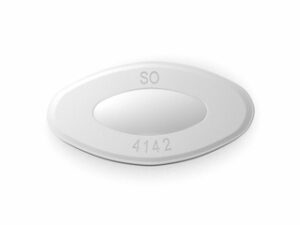
Carvedilol (Australia) — Patient Guide
Carvedilol is a medicine used to treat several cardiovascular conditions, including certain types of heart failure and high blood pressure. It belongs to a group of medicines called beta-blockers and also has alpha-blocking effects, which help relax and widen blood vessels.
This guide explains how carvedilol works, how it is taken, what to expect, common safety considerations, and practical tips for everyday use in Australia.
Quick product information
| Category | Information |
|---|---|
| Generic name | Carvedilol |
| Medicine type | Beta-blocker with alpha-blocking activity |
| Common uses | Heart failure; high blood pressure; certain cardiac conditions (as advised) |
| Typical dosing forms | Tablets (strengths vary by brand/product) |
| How it’s taken | Usually by mouth, typically with food to improve tolerability |
| Key cautions | Can lower heart rate and blood pressure; requires gradual dose increases in some conditions |
How carvedilol works (mechanism of action)
Carvedilol blocks specific receptors in the body:
- Beta-adrenergic receptors (β-blockade): This slows the heart rate and reduces the heart’s workload.
- Alpha-1 adrenergic receptors (α1-blockade): This relaxes blood vessels, helping reduce blood pressure and improve blood flow.
- Antioxidant effects: Carvedilol has properties that may help reduce harmful oxidative stress in the cardiovascular system.
Together, these actions can improve heart function, reduce symptoms, and lower the risk of complications in people with suitable cardiovascular conditions.
What carvedilol is used for (indications)
Carvedilol is commonly used for:
- Chronic heart failure: Particularly for stable patients, often as part of a broader heart failure treatment plan.
- High blood pressure (hypertension): To help lower blood pressure and reduce strain on the heart and blood vessels.
- Other cardiovascular conditions: Depending on individual factors and local prescribing practices, it may be used for certain heart-related indications.
If you have been told to use carvedilol, it’s because the benefits for your specific condition outweigh potential risks.
How carvedilol is taken (timing and dose scheduling)
Timing
Carvedilol is usually taken twice daily for many tablet formulations, but dosing schedules can vary by product and your treatment plan.
- Try to take doses at similar times each day.
- Swallow tablets whole with water unless your product instructions say otherwise.
- If your dose is twice daily: aim for morning and evening, about 10–12 hours apart.
Food timing
Carvedilol is generally better tolerated when taken with food, which can also help reduce the chance of feeling dizzy, especially when you’re starting or increasing the dose.
Dose guidance (general information)
Dosing should be individualised. Your prescriber will typically start with a lower dose and increase gradually, depending on your blood pressure, heart rate, symptoms, and other medicines.
Important: Do not adjust your dose on your own.
- Starting doses are often low to minimise side effects such as dizziness, low blood pressure, or slow heart rate.
- Up-titration (dose increases) may be gradual, especially in heart failure.
- Missed dose: If you miss a dose, take it when you remember unless it’s close to the next scheduled dose. Do not double up.
If you notice symptoms like fainting, severe dizziness, or marked shortness of breath, contact a healthcare professional promptly.
Pharmacokinetics (how the body processes carvedilol)
Pharmacokinetics describes what happens to carvedilol in the body: absorption, distribution, metabolism, and elimination.
- Absorption: Carvedilol is absorbed after oral dosing. Taking it with food may increase tolerability and can affect the absorption profile.
- Distribution: It distributes into tissues and binds substantially to plasma proteins.
- Metabolism: Carvedilol is extensively metabolised in the liver (primarily via CYP450 enzymes). This contributes to important drug–drug interaction potential.
- Elimination: It is eliminated mainly through the liver and kidneys. The effective duration of action supports dosing two times daily for many patients.
- Variability: Blood levels can vary among individuals, influenced by liver function, other medications, and adherence to timing/food instructions.
For people with reduced liver function, carvedilol exposure can be increased; dose adjustments and extra monitoring may be required.
Food interactions
Carvedilol is often recommended with food. This may:
- Improve absorption consistency for some people
- Reduce the likelihood of dizziness, particularly at the start of therapy
Practical tips:
- Take it during or immediately after a meal if this fits your routine.
- If you normally eat irregularly, choose the most consistent meal time to support steady dosing.
Grapefruit and grapefruit juice are generally best avoided or used cautiously because some medicines affected by liver enzymes may interact. If you regularly consume grapefruit, ask your pharmacist whether it is suitable with your overall medicine list.
Alcohol interactions
Alcohol can increase the risk of side effects with carvedilol, particularly:
- Dizziness or light-headedness
- Low blood pressure (especially when standing)
- Fainting in sensitive individuals
If you drink alcohol, consider limiting intake and avoid alcohol when you feel unwell, dehydrated, or newly starting therapy. Use caution and discuss with your healthcare professional if you have frequent or heavy alcohol use.
Medicine interactions (important)
Carvedilol may interact with other medicines, which can either increase side effects or reduce effectiveness. Always inform your pharmacist about all medicines you take, including over-the-counter products and herbal supplements.
Medicines that may increase risk of slow heart rate or low blood pressure
- Other beta-blockers (including some eye drops for glaucoma)
- Some calcium channel blockers (especially non-dihydropyridines like verapamil or diltiazem)
- Medicines for rhythm problems that also slow heart conduction
Medicines affecting liver enzymes (possible carvedilol level changes)
- Strong inhibitors of CYP450 enzymes may increase carvedilol exposure
- Some inducers may reduce exposure
Diabetes medicines
Carvedilol can mask some warning symptoms of low blood sugar (hypoglycaemia), such as a fast heartbeat. It may also influence blood sugar control in some people.
- Monitor glucose as advised
- Be extra cautious if you use insulin or medicines that can cause hypoglycaemia
Clonidine
If you use clonidine, special caution is needed if stopping either medicine. Abrupt changes can lead to blood pressure issues. Discuss a plan before stopping.
Non-steroidal anti-inflammatory drugs (NSAIDs)
NSAIDs (such as ibuprofen and naproxen) may reduce the blood-pressure–lowering effect of some medicines and can worsen fluid balance in certain patients. Use NSAIDs cautiously and for the shortest possible time, unless advised otherwise.
This is not a complete list. Your pharmacist can help check interactions across your entire medicine regimen.
Safety profile and side effects
Common side effects
Side effects vary from person to person and are more likely when starting carvedilol or after dose increases.
- Dizziness, especially when standing up
- Fatigue or tiredness
- Low blood pressure (hypotension)
- Slow heart rate (bradycardia)
- Headache
- Nausea or mild stomach discomfort
Less common but important reactions
- Worsening heart failure symptoms early in treatment in some individuals
- Fluid retention or unexpected weight changes
- Shortness of breath (if symptoms worsen)
- Skin reactions (rash/itching)
Seek urgent help if you have
- Fainting or severe dizziness
- Severe difficulty breathing
- Chest pain or symptoms that feel like a heart emergency
- Signs of severe allergic reaction (e.g., swelling of face/lips, severe rash)
Practical use tips (how to take carvedilol safely)
- Start low, go slow: if you’ve just begun or your dose recently increased, expect close monitoring for dizziness, tiredness, and blood pressure changes.
- Stand up carefully: rise slowly from sitting or lying positions to reduce light-headedness.
- Monitor symptoms: track things like fatigue level, swelling in ankles/legs, breathlessness, and dizziness.
- Check blood pressure and heart rate if you’ve been advised to. Report consistently very low readings or symptomatic bradycardia.
- Don’t stop suddenly: beta-blockers should generally be tapered under medical guidance to avoid rebound effects (e.g., increased heart rate or blood pressure).
- Keep appointments: dose adjustments often rely on symptom review and measurements.
- Stay hydrated: dehydration can increase dizziness and low blood pressure risk.
Special considerations
Asthma and breathing conditions
Carvedilol is a beta-blocker and can affect airway function in some people, potentially worsening asthma or causing breathing difficulties. If you have asthma or a history of wheezing, tell your pharmacist and prescriber. Monitoring may be needed.
Diabetes
- Carvedilol can mask some signs of low blood sugar.
- Hypoglycaemia can still occur, so follow your diabetes monitoring plan.
Peripheral circulation problems
People with circulation issues (e.g., Raynaud’s phenomenon) should use caution because beta-blockers may worsen symptoms in some cases.
Heart rhythm and conduction issues
Because carvedilol slows heart rate and conduction, it may not suit everyone. Your healthcare professional will consider your heart rhythm, baseline heart rate, and ECG findings.
Alternative options (similar medicines)
Depending on your diagnosis, a prescriber may consider other medicines in the same therapeutic area. Alternatives may include:
- Other beta-blockers (e.g., metoprolol, bisoprolol—choice depends on indication and patient factors)
- Other blood pressure medicines such as ACE inhibitors, ARBs, calcium channel blockers, diuretics, or other vasodilators (depending on the condition being treated)
The best alternative depends on your heart rate, blood pressure, kidney/liver function, other medicines, and overall cardiovascular risk. Discuss with your pharmacist before changing therapy.
Carvedilol in Australia: market and legal context
In Australia, carvedilol is an established cardiovascular medicine. Availability may vary by brand and formulation. In general, medicines like carvedilol are regulated to ensure safe supply and appropriate use.
Online pharmacy services in Australia typically provide:
- Clear product information and dosing directions from approved sources
- Customer screening for safety, such as medication interaction checks
- Support for delivery options and availability
If you’re unsure whether carvedilol is suitable for you or you need help understanding how to take it, consult a pharmacist.
Recent guidance and monitoring (Australia-focused general practice)
While guidance can evolve over time, common clinical practice for carvedilol includes:
- Gradual dose titration for heart failure and careful adjustment based on blood pressure, heart rate, and symptoms.
- Regular monitoring of vital signs (blood pressure and pulse) and symptom status.
- Review of interacting medicines at each dose change and when new medicines are started.
- Assessment of kidney and liver function when relevant, especially in complex patients.
Follow local healthcare advice and ensure your health professional is aware of any changes in your condition or medicines.
Delivery and availability (online pharmacy)
Availability of carvedilol may depend on the specific brand, strength, and tablet pack size. Online pharmacies typically list:
- Current stock status
- Strength and quantity in the pack
- Estimated dispatch and delivery timeframes
- Delivery options across Australian states and territories (where service is available)
When ordering, check that the listed strength matches your usual dose schedule. If you are switching brands, confirm dosing instructions with a pharmacist, as tablets may differ in formulation.
If delivery timing is important (e.g., to avoid running out), place orders early and consider setting reminders.
FAQ — Frequently asked questions
1) How quickly does carvedilol start working?
Some effects (like lowering heart rate and blood pressure) may be noticed soon after starting or after dose changes. However, for conditions such as chronic heart failure, noticeable benefits and stabilisation may take weeks, with gradual dose titration and monitoring.
2) Should I take carvedilol with food?
It’s generally recommended to take carvedilol with food to improve tolerability and reduce the likelihood of dizziness. Follow the directions on your product label or as advised by your pharmacist/health professional.
3) What should I do if I feel dizzy?
Sit or lie down immediately to avoid falls. Check your blood pressure if you have a home monitor. If dizziness is severe, persistent, or accompanied by fainting, shortness of breath, or chest pain, seek urgent medical help. If mild dizziness occurs, it may improve after your body adjusts or after a dose review.
4) Can carvedilol affect breathing or asthma?
Carvedilol can potentially worsen asthma symptoms in some people because it is a beta-blocker. If you have asthma, wheezing, or chronic obstructive pulmonary disease (COPD), discuss this with your pharmacist and prescriber.
5) Can I drink alcohol while taking carvedilol?
Alcohol may increase dizziness and lower blood pressure further. If you choose to drink, do so cautiously and avoid heavy intake. If you have frequent dizziness or low blood pressure, it may be best to limit alcohol and discuss with your healthcare professional.
6) Will carvedilol interact with diabetes medicines?
It may mask warning signs of low blood sugar such as fast heartbeat. Monitor your glucose as advised, especially when starting carvedilol or changing doses.
7) Is it safe to stop carvedilol suddenly?
Stopping suddenly is generally not recommended. Abrupt discontinuation of beta-blockers can cause rebound increases in heart rate or blood pressure and may worsen certain heart conditions. If you need to stop, ask your pharmacist or prescriber for a tapering plan.
8) What are warning signs that mean I should get help?
Seek urgent help if you have fainting, severe dizziness, severe shortness of breath, chest pain, signs of allergic reaction (e.g., swelling of face/lips), or a sudden worsening of heart failure symptoms.
9) Can I take carvedilol with NSAIDs like ibuprofen?
Caution is advised. NSAIDs can affect kidney function and may reduce some blood pressure benefits. Use the lowest effective dose for the shortest time, and discuss with a pharmacist if you use NSAIDs regularly.
10) How do I take carvedilol if I miss a dose?
Take the missed dose when you remember unless it’s near the time of your next dose. Do not double the dose. If you’re unsure, contact your pharmacist.
Summary
Carvedilol is a beta-blocker with alpha-blocking activity used to treat conditions such as chronic heart failure and high blood pressure. It works by slowing the heart and relaxing blood vessels, which can improve symptoms and cardiovascular outcomes. Because it can lower heart rate and blood pressure, it’s commonly started at a low dose and increased gradually with careful monitoring.
For best results, take carvedilol with food, avoid sudden changes without medical guidance, and speak to a pharmacist if you experience dizziness, fatigue, breathing changes, or any signs that concern you. Always review your full medicine list to reduce the risk of interactions.