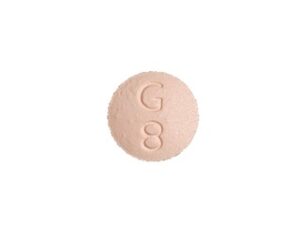


Artane (Trihexyphenidyl) – Patient Information (Australia)
Artane is a medicine containing trihexyphenidyl, used to help reduce certain movement-related symptoms in specific conditions. This page explains how Artane works, when it is used, how it is typically taken, and important safety information for consumers in Australia.
Note: Medicines affect people differently. Always follow the advice of your doctor or pharmacist and read the consumer medicines information provided with your product.
Key Product Information
| Feature | Details |
|---|---|
| Generic name | Trihexyphenidyl |
| Brand name | Artane |
| Medicine type | Anticholinergic (anti-Parkinson) medicine |
| Common uses | Parkinson’s disease symptoms; drug-induced movement disorders (e.g., Parkinsonism); dystonia |
| Typical dosing approach | Small starting dose, then adjusted gradually |
| Common side effects | Dry mouth, constipation, blurred vision, dizziness, drowsiness, reduced sweating |
| Availability (Australia) | Artane is supplied through Australian pharmacies. Availability and brand/form may vary by stock and manufacturer. |
What is Trihexyphenidyl?
Trihexyphenidyl belongs to a group of medicines called anticholinergics. It helps restore the balance between two chemical messengers in the brain: acetylcholine and dopamine. In conditions where movement control is disturbed, this balancing action can reduce stiffness, tremor, and certain involuntary movements.
How Artane Works (Mechanism of Action)
Artane works by blocking acetylcholine activity in the central nervous system. In many movement disorders, cholinergic signals become relatively too strong compared with dopamine. By reducing acetylcholine’s effect, trihexyphenidyl can:
- reduce muscle stiffness (rigidity)
- reduce tremor in some people
- help control slowness of movement (to a lesser extent)
- reduce drug-induced extrapyramidal symptoms such as dystonia and parkinsonism
Important: Artane does not replace dopamine therapies (when needed). For Parkinson’s disease, it is often used alongside other treatments and may be particularly helpful for certain symptom patterns.
Pharmacokinetics (How the Body Handles It)
“Pharmacokinetics” describes what happens after you take trihexyphenidyl—how it is absorbed, distributed, metabolised, and eliminated.
- Absorption: Trihexyphenidyl is absorbed from the gastrointestinal tract after oral dosing.
- Onset & symptom timing: Some improvement may be noticed after the dose begins working, though full benefits may take days to weeks as the dose is adjusted.
- Distribution: It crosses into the central nervous system to exert its effects.
- Metabolism: Trihexyphenidyl is processed by the liver (metabolism).
- Elimination: It and its metabolites are cleared from the body, primarily via renal pathways and metabolic routes.
Practical takeaway: Because doses are often increased gradually to reduce side effects, the timing of benefits can depend on how quickly your dose is titrated.
Typical Uses in Australia
Artane may be used for the following indications depending on individual circumstances and clinician assessment:
- Parkinson’s disease – to help manage symptoms such as tremor and rigidity in selected patients.
- Drug-induced parkinsonism – when symptoms occur as a side effect of certain medications (commonly some antipsychotics and antiemetics).
- Dystonia – painful muscle spasms or abnormal postures, sometimes triggered by medications.
- Extrapyramidal symptoms – involuntary movements caused by dopamine-blocking medicines, where an anticholinergic approach is appropriate.
Not for everyone: Anticholinergic medicines can be problematic in older adults or people with certain conditions (see Safety Profile below). Your pharmacist can help review suitability.
Indications and When It May Be Considered
Clinicians may consider trihexyphenidyl when someone experiences:
- Parkinson-like symptoms that respond to anticholinergic therapy
- Distressing tremor or rigidity
- Acute or chronic dystonia/parkinsonism after starting or increasing certain medicines
- Persistent extrapyramidal symptoms despite adjustment of the trigger medicine (where appropriate)
In Australia, prescribing decisions are guided by clinical guidelines, the patient’s overall health, and the medicine’s risk/benefit profile.
How to Take Artane (Dosing & Timing)
Always follow the dosing instructions provided by your healthcare professional and the package/label directions. Doses often begin low and are increased slowly.
Typical dosing principles
- Start low: This reduces the chance of troublesome side effects (such as dry mouth, dizziness, and confusion).
- Titrate slowly: Your dose may be adjusted every few days or weekly depending on response and tolerability.
- Split dosing: If doses are taken more than once daily, splitting can improve symptom control and reduce side effects.
Common timing advice
Many people take trihexyphenidyl once or twice daily, though schedules vary.
- If you experience side effects after a morning dose (e.g., dizziness), your clinician may shift timing.
- If symptoms worsen in the evening or at night, doses may be planned to cover those times.
- Consistency matters: Try to take it around the same times each day.
Missed dose
- Take it as soon as you remember unless it’s close to the next dose.
- If it’s near the next dose, skip the missed dose and continue your normal schedule.
- Do not double your dose.
Food Interactions & What to Expect
Trihexyphenidyl can be taken with or without food, but food may influence comfort for some people.
- Stomach comfort: If you experience nausea, taking it with a small meal may help.
- Swallowing & tolerance: Choose a routine that helps you remember (e.g., with breakfast/dinner).
Key point: Avoid sudden changes to your eating and hydration habits, because anticholinergic medicines can affect digestion and sweating (see Safety Profile).
Alcohol and Medicine Interactions
Alcohol
Alcohol can increase drowsiness, dizziness, and impaired coordination when combined with medicines that have central effects. Artane may cause these side effects in some people, so it’s best to:
- Limit alcohol or avoid it where possible
- Be extra cautious if you feel light-headed or your vision is blurred
If you drive or operate machinery: Do not drink alcohol if you notice sedation or impaired attention after taking Artane.
Other medicine interactions (common considerations)
Trihexyphenidyl can interact with medicines that also have anticholinergic effects or affect the brain and movement.
- Other anticholinergic medicines: Taking multiple anticholinergic drugs together can increase the risk of side effects (dry mouth, constipation, confusion, blurred vision).
- Medicines causing constipation: The combination may worsen constipation.
- Medicines affecting the brain: The combination may increase dizziness or confusion.
- Some medicines for nausea/movement disorders: If you take medicines that influence extrapyramidal symptoms, your regimen may need careful adjustment.
Always inform your pharmacist about all medicines you use, including over-the-counter products and herbal supplements.
Safety Profile: Common and Serious Side Effects
Like all medicines, Artane (trihexyphenidyl) can cause side effects. Many people experience mild effects at the start that improve as the dose is adjusted.
Common side effects
- Dry mouth
- Constipation
- Blurred vision
- Dizziness
- Drowsiness or tiredness
- Reduced sweating (may increase heat intolerance)
- Urinary difficulty in some people
- Nausea or stomach discomfort
Serious side effects – get medical help urgently
Seek urgent medical advice or call emergency services if you experience symptoms that could indicate a serious reaction, such as:
- Severe confusion, agitation, hallucinations
- High fever or overheating (especially in hot weather)
- Fast heartbeat, fainting, or severe dizziness
- Severe constipation or severe abdominal pain
- Difficulty urinating with painful bladder discomfort
- Signs of an allergic reaction (swelling of face/lips, rash, trouble breathing)
Who needs extra caution?
Anticholinergic medicines can be higher risk for certain groups, including:
- Older adults (higher chance of confusion, falls, urinary issues, and constipation)
- People with glaucoma or narrow-angle risk
- People with urinary retention or enlarged prostate symptoms
- People with bowel obstruction, severe constipation, or reduced gut motility
- People with cognitive impairment or delirium risk
- People with heat intolerance or reduced sweating
Your pharmacist can help review your medical history and current medicines for potential issues.
Practical Use Tips (Make Treatment Easier)
Manage dry mouth
- Take sips of water regularly.
- Use sugar-free chewing gum or lozenges.
- Maintain good oral hygiene.
Prevent constipation
- Drink fluids regularly (unless your doctor has restricted fluids).
- Choose fibre-rich foods (vegetables, fruit, wholegrains).
- Stay physically active if safe for you.
- Ask your pharmacist about an appropriate stool softener or laxative if needed.
Heat safety
Because Artane may reduce sweating, take extra care during hot weather:
- Stay cool (fan/air conditioning if available).
- Avoid strenuous activity in high temperatures.
- Monitor for overheating symptoms.
Vision and driving
If you experience blurred vision or dizziness, avoid driving until you feel safe again. Ask your pharmacist if you’re unsure.
Night-time symptoms
If symptoms affect sleep or you feel drowsy after doses, talk to your clinician about dosing schedule adjustments.
Alternative Options
Depending on the condition being treated (e.g., Parkinson’s disease versus drug-induced parkinsonism), there are alternative approaches. Your clinician may consider:
- Other anti-Parkinson medicines (e.g., levodopa-based therapies) if appropriate
- Adjustment of the triggering medicine causing drug-induced movement symptoms (when possible)
- Non-anticholinergic approaches for extrapyramidal symptoms, depending on the scenario
- Physiotherapy and movement strategies for functional improvement
For dystonia or acute medication-related reactions, management strategies can differ. Always seek professional guidance for the most suitable option.
Market and Legal Context for Australia
In Australia, medicines are regulated through the Australian Therapeutic Goods Administration (TGA). Access to prescription-only medicines depends on legislation and supply arrangements.
For Artane, access through an Australian pharmacy is standard, and availability can vary due to supply and manufacturer changes. Online pharmacies may list stock status in real time; delivery times depend on location and courier services.
Consistency and authenticity matter: Use licensed Australian pharmacies and ensure the medication you receive matches the product details on the listing and label.
Recent Guidance and Ongoing Safety Considerations
Clinical practice around anticholinergic medicines for movement disorders continues to emphasise careful patient selection due to the possibility of cognitive and bowel/urinary side effects. In many settings:
- Clinicians aim for the lowest effective dose.
- Review is recommended if side effects appear or if symptoms do not improve.
- Older adults may require particularly careful monitoring.
If you’re starting Artane or changing dose, it’s wise to schedule follow-up or check-ins as recommended by your clinician.
Delivery and Availability (Online Pharmacy)
Artane is typically supplied via Australian pharmacies, and online pharmacies may offer home delivery across Australia. Availability may depend on:
- Current manufacturer and distribution stock
- Product strength/formulation listed
- Regional courier schedules
Delivery tips:
- Ensure your delivery address is correct and accessible.
- If you won’t be home, consider delivery options offered by the courier (e.g., safe drop or collection point).
- Check packaging on arrival and keep it in a cool, dry place as directed.
FAQ – Artane (Trihexyphenidyl)
1) What is Artane used for?
Artane (trihexyphenidyl) is used for selected movement disorders. Common uses include symptoms of Parkinson’s disease and certain drug-induced movement problems such as parkinsonism and dystonia, depending on individual circumstances.
2) How long does it take to work?
Some effects may be noticed after starting, but many people need gradual dose adjustment. Full benefit may take days to weeks. If you don’t feel any benefit after an appropriate trial, discuss this with your pharmacist or doctor.
3) Can I stop Artane suddenly?
Do not stop suddenly unless a clinician advises you to. Abrupt changes can lead to symptom worsening. If you want to stop or reduce, ask your healthcare professional for a safe plan.
4) What should I do if I miss a dose?
Take it when you remember unless it’s close to the next dose. Otherwise, skip and continue as usual. Do not double.
5) Is Artane safe for older adults?
Older adults may be more sensitive to anticholinergic side effects such as confusion, constipation, urinary problems, and falls. Your pharmacist can help assess risk based on your health conditions and other medicines.
6) What side effects are most common?
Common side effects include dry mouth, constipation, blurred vision, dizziness, and drowsiness. Many are dose-related and may improve with gradual titration.
7) Can I take Artane with food?
Yes—trihexyphenidyl can usually be taken with or without food. If you feel nauseated, taking it with meals may help.
8) Can I drink alcohol while taking Artane?
Alcohol can worsen dizziness or drowsiness. It’s generally best to limit alcohol and avoid it if you feel unsteady or sleepy after your dose.
9) Does Artane interact with other medications?
Yes. Especially important are other medicines with anticholinergic effects, medicines that affect the brain, and medicines linked with constipation or urinary retention. Share your full medicine list with your pharmacist.
10) When should I seek urgent help?
Seek urgent medical advice for severe confusion, overheating/high fever, severe constipation or abdominal pain, trouble urinating, severe allergic symptoms, or other rapidly worsening reactions.
Summary
Artane (trihexyphenidyl) is an anticholinergic medicine used to manage specific movement-related symptoms, including Parkinson’s disease symptoms in selected people and drug-induced movement disorders such as parkinsonism and dystonia. Its effectiveness depends on the condition and on a carefully adjusted dose. Because it can cause side effects—particularly dry mouth, constipation, blurred vision, dizziness, and overheating—careful monitoring and practical management strategies are important.
If you have questions about your dose timing, side effects, or interactions with your current medicines, contact your pharmacist or healthcare professional. They can help tailor advice to your health needs.