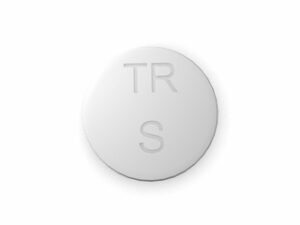

Drospirenone and Ethinyl Estradiol (Combined Oral Contraceptive)
Drospirenone and Ethinyl Estradiol is a combined oral contraceptive (often abbreviated as a “COC”). It contains two hormones:
- Drospirenone (a progestin)
- Ethinyl estradiol (an oestrogen)
This medicine is designed to help prevent pregnancy and may also be used for certain hormone-related conditions, depending on individual suitability and local prescribing practices in Australia.
Basic product information
Common names: Drospirenone + Ethinyl estradiol (various brand names exist)
Medicine type: Combined oral contraceptive pill (COC)
How it is taken: By mouth, daily
Important: Formulations vary by brand (for example, different strengths and pill schedules). Always check the specific pack instructions for your product.
How it works (mechanism of action)
Drospirenone and ethinyl estradiol work together to prevent pregnancy by multiple mechanisms:
- Suppressing ovulation: Oestrogen and progestin combination reduces release of an egg from the ovaries.
- Thickening cervical mucus: This makes it harder for sperm to enter the uterus.
- Changing endometrial (uterine lining) characteristics: This can reduce the chance of implantation.
Drospirenone also has anti-mineralocorticoid activity (similar to a mild “water-retaining” counter effect), which may influence fluid balance for some users.
Pharmacokinetics (how the body absorbs, distributes and clears it)
Pharmacokinetics can vary by individual factors such as age, liver function, and other medicines. The following describes typical patterns for combined oral contraceptives:
Absorption
- Oral absorption occurs after swallowing the tablet.
- Ethinyl estradiol and drospirenone reach measurable blood levels within hours.
Distribution
- Both hormones largely bind to plasma proteins. Ethinyl estradiol strongly binds to sex hormone binding globulin (SHBG).
Metabolism
- Both hormones are metabolised primarily in the liver by enzymatic pathways.
- Metabolites are eventually cleared from the body.
Elimination
- Excretion occurs via urine and faeces.
- Because levels are maintained with daily dosing, effects rely on consistent intake.
Typical uses
The main approved and common uses of combined oral contraceptives containing drospirenone and ethinyl estradiol include:
- Contraception (pregnancy prevention)
- Management of hormone-related symptoms in selected people, such as:
- Regularising menstrual cycles
- Reducing symptoms related to certain forms of acne and menstrual irregularity (where indicated and appropriate)
Note: Exact indications depend on the product and Australian regulatory status. Your clinician can advise if this specific formulation is suitable for your goals.
When and how to take it (timing)
Most packs are designed as either:
- 21 active tablets followed by 7 days break (or placebo pills), or
- 24 active tablets with a short break, depending on brand
Consistency is key: Taking your pill at approximately the same time each day helps maintain hormone levels and reduces the risk of contraceptive failure.
Starting the pack
- Day 1 start (common approach): Take the first tablet on the first day of your period.
- Alternative start timing may be used depending on your clinician’s advice and the pack instructions.
Missing a dose
If you miss tablets or start a pack late, contraceptive effectiveness can drop. Follow the missed-pill instructions in your specific pack leaflet. In general:
- Even if you take the missed pill later, you may need extra contraception (for example condoms) for a certain number of days depending on how many tablets were missed.
- Additional guidance may be needed if you have vomiting or severe diarrhoea after taking a tablet.
Food interactions
Drospirenone and ethinyl estradiol can usually be taken with or without food.
- Normal meals generally do not meaningfully affect absorption.
- If you have vomiting or severe diarrhoea shortly after taking your tablet, your body may not absorb the dose properly—this may be treated similarly to a missed tablet.
If vomiting/diarrhoea occurs, check the pack leaflet and consider using extra contraception until you have guidance on whether tablets were absorbed.
Alcohol interactions
There is no typical “direct” interaction where moderate alcohol permanently reduces effectiveness. However, alcohol can indirectly affect contraceptive use by:
- Increasing the chance of missed doses
- Causing vomiting in some circumstances
Practical approach: If alcohol leads to vomiting within a few hours of taking your pill, treat it as a possible missed dose. For people who drink heavily or experience recurrent vomiting/diarrhoea, discuss options with a clinician.
Medicine interactions (and why they matter)
Certain medicines can reduce the effectiveness of combined oral contraceptives by increasing hormone metabolism or affecting enterohepatic circulation. Others may increase bleeding risk.
Common categories of medicines that may interact include:
- Enzyme inducers (can lower hormone levels), such as some:
- Anti-epileptics
- Anti-tuberculosis medicines
- HIV antivirals in certain regimens
- Some antifungals (varies)
- Herbal products, especially St John’s wort
- Some antibiotics (most do not significantly affect COCs, but check guidance for your specific antibiotic)
Medicines that can raise potassium risk may be relevant because drospirenone has anti-mineralocorticoid activity. While this is not the same as a classic “potassium-sparing diuretic,” caution may be needed with medicines that increase potassium, particularly in people with kidney problems.
Always inform your pharmacist or clinician about:
- All prescription medicines
- Over-the-counter products
- Herbal supplements
If you start, stop, or change medicines, ask whether you need additional contraception during the period of interaction and after stopping the interacting medicine (timing depends on the drug).
Indications and suitability
Drospirenone and ethinyl estradiol may be suitable for people seeking:
- Reliable contraception with daily adherence
- Cycle regulation (scheduled bleeding patterns)
- Management of certain hormone-associated issues where clinically appropriate
Not suitable for everyone. Combined oral contraceptives are contraindicated in some conditions and may require careful risk assessment in others. Your healthcare professional will consider factors including your medical history, age, smoking status, blood pressure, migraines, clotting history, and risk factors for venous thromboembolism (VTE).
Dosing (how much to take)
Dosing depends on the specific brand. As a general rule for combined oral contraceptive packs:
- Take one tablet daily in the order shown on the pack.
- During hormone-free days (or placebo days), take tablets exactly as instructed for that product.
Missed dose guidance varies by how many active tablets were missed and where you are in the cycle. Follow the product leaflet for the most accurate instructions.
What to do if you want to delay bleeding: Some schedules allow skipping the hormone-free interval. This should be discussed with a clinician and done according to the pack instructions.
Safety profile and key warnings
Like all medicines, drospirenone and ethinyl estradiol can cause side effects. Most people experience mild, temporary effects, but some risks are more serious and require prompt attention.
Common side effects
- Nausea
- Breast tenderness
- Headache
- Changes in bleeding pattern (spotting or breakthrough bleeding)
- Mood changes
- Fluid retention or changes in weight (varies between individuals)
Serious risks (seek urgent medical advice)
Combined oral contraceptives are associated with an increased risk of blood clots compared with not using combined hormonal contraception. Risk is still generally low, but it is higher in certain circumstances.
Seek urgent medical help if you experience symptoms suggestive of:
- Blood clot in the leg (DVT): swelling, pain, tenderness, warmth in one leg
- Blood clot in the lung (PE): sudden shortness of breath, chest pain (worse with breathing), coughing blood
- Stroke: sudden weakness/numbness on one side, trouble speaking, facial droop
- Heart attack: chest pain/pressure, pain radiating to arm/jaw, breathlessness
Other important considerations
- Smoking and age: The clot risk increases with age and smoking. Combined pills are generally not recommended for smokers above certain ages.
- Migraine: Risk may vary depending on whether migraines include aura.
- Blood pressure: Combined pills can sometimes raise blood pressure.
- Liver issues: Hormone metabolism occurs in the liver; severe liver disease can make COCs unsuitable.
- Kidney function and potassium: Because drospirenone can affect potassium balance, people with significant kidney impairment need medical assessment.
What to do if you suspect a problem
- Stop taking the pill and seek medical advice immediately if you develop symptoms of serious clotting or severe adverse effects.
- Use an alternative method of contraception (for example condoms) until you have medical guidance.
Practical use tips for best effectiveness
- Pick a daily routine: Take the pill at a consistent time (e.g., after breakfast or before bed).
- Use phone reminders or a medication app to reduce missed doses.
- Keep track of vomiting/diarrhoea: If severe symptoms occur soon after taking a tablet, follow missed-dose guidance.
- Store correctly: Keep tablets in a cool, dry place and in the original packaging.
- Start/stop changes carefully: If you start new medicines (especially enzyme inducers) you may need extra contraception.
- Bleeding changes early on: Spotting is more common during the first months of use and often settles.
Alternative options
If drospirenone and ethinyl estradiol are not suitable, alternatives may include:
Other combined oral contraceptives
- Different oestrogen/progestin combinations may be considered to better match your risk profile and symptom goals.
Progestin-only methods
- Progestin-only pill (timing may be stricter for missed-dose windows)
- Implant
- Injection
- Hormonal IUD
Non-hormonal options
- Copper IUD
- Barrier methods (condoms, diaphragm—use improves with correct technique)
Your clinician or pharmacist can help compare suitability, effectiveness, side effects, and convenience for your circumstances.
Australia: market and legal/regulatory context
In Australia, combined oral contraceptives are regulated medicines. Availability and product specifics are managed under Australian medicines legislation and the Therapeutic Goods Administration (TGA) framework. The exact requirements for supply can vary by product and prescribing model used in Australia at the time.
Consumer safety standards include product information leaflets, guidance on interactions, and clear contraindication warnings. Online pharmacy supply typically follows regulatory requirements for product traceability and appropriate customer information to support safe use.
Recent guidance (general themes):
- Ongoing emphasis on screening for clot and cardiovascular risk before starting combined hormonal contraception.
- Increased focus on recognising medication interactions (particularly enzyme-inducing medicines and certain herbal supplements).
- Updated advice to ensure people understand missed dose management and when to seek medical attention.
If you are unsure whether your situation is suitable (for example, clot history, migraines, blood pressure issues, or kidney concerns), seek professional advice before starting.
Delivery and availability (online pharmacy)
Drospirenone and ethinyl estradiol products may be available through online pharmacies in Australia. Availability can depend on stock levels, the specific brand, and formulation strengths.
- Delivery: Typically Australia-wide with options for standard or express delivery (depending on the pharmacy service).
- Packaging: Supplied in original manufacturer packaging with consumer information.
- Timing: Delivery times vary by location and dispatch schedules.
To help ensure smooth ordering, check:
- Brand name and strength
- Number of tablets in the pack
- Whether the pack is 21/7, 24/4, or another schedule
FAQ: Drospirenone and Ethinyl Estradiol
1) How quickly does it start working?
Effectiveness depends on when you start the pack (for example, starting on day 1 of your period versus later). Some people may need additional contraception for the first 7 days. Follow your pack leaflet and pharmacist guidance.
2) Will I get a period?
Many combined pills produce a predictable withdrawal bleed during the hormone-free or placebo days. Bleeding can become irregular, especially in the first few months.
3) What if I miss a pill?
Missed dose instructions vary based on how many tablets were missed and where you are in the cycle. Refer to your specific product leaflet. In many cases, you may need additional contraception for a period after missed tablets.
4) Can I take it with other medicines?
Some medicines and supplements can reduce effectiveness or alter safety. Tell your pharmacist about all medicines you use, including herbal products such as St John’s wort.
5) Are there any lifestyle factors that matter?
- Smoking: Increases cardiovascular and clot risk with combined pills, especially as you get older.
- Dehydration/vomiting: If vomiting occurs shortly after taking a pill, treat it as a possible missed dose.
- Adherence: Daily timing and not skipping doses strongly influence effectiveness.
6) What side effects are expected?
Common effects include nausea, breast tenderness, headaches, and breakthrough bleeding, especially early on. If you experience severe symptoms or signs of a blood clot, seek urgent medical help.
7) Does alcohol affect the pill?
Moderate alcohol usually does not directly affect hormone levels, but it can lead to missed doses or vomiting. If vomiting occurs shortly after taking your tablet, follow missed dose guidance.
8) Can I use it for acne or heavy periods?
Some combined oral contraceptives are used for selected hormone-related conditions. Whether this specific product is appropriate depends on your symptoms, medical history, and the product’s indications.
9) What should I do if I get severe headaches or migraine changes?
Sudden severe headaches, migraine changes, or neurological symptoms should be assessed promptly. This is particularly important if you develop symptoms that might suggest stroke or clotting.
10) Where can I find the exact dosing schedule?
Check the consumer information leaflet included with your specific brand. Pack schedules differ, so the leaflet is the most accurate source for your tablet-taking days and missed-pill instructions.
Summary
Drospirenone and ethinyl estradiol is a combined oral contraceptive that helps prevent pregnancy by suppressing ovulation, thickening cervical mucus, and modifying the uterine environment. When taken consistently each day, it is an effective contraception option for many people. Like all combined hormonal contraceptives, it has a safety profile that requires attention to contraindications, clot risk, and medication interactions.
If you have questions about suitability, missed doses, drug interactions, or whether this option matches your health goals, talk to your pharmacist or clinician and review the specific product leaflet for precise instructions.
| Category | What to know |
|---|---|
| Medicine type | Combined oral contraceptive (COC) |
| Active ingredients | Drospirenone + Ethinyl estradiol |
| How it works | Suppresses ovulation, thickens cervical mucus, alters endometrium |
| How often | Once daily at about the same time |
| Food interaction | Generally no major interaction; vomiting/diarrhoea soon after may affect absorption |
| Alcohol interaction | No typical direct interaction; watch for vomiting and missed doses |
| Medicine interactions | Enzyme inducers and some supplements (e.g., St John’s wort) may reduce effectiveness |
| Key safety concern | Increased risk of blood clots; seek urgent help for clot/stroke/heart attack symptoms |
| Missed dose | Follow the leaflet for your exact brand and stage of the pack; may require extra contraception |