

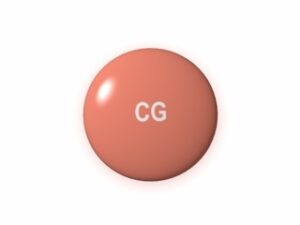
Toradol (Ketorolac) – Patient Information (Australia)
Toradol is a medicine containing ketorolac, a non-steroidal anti-inflammatory drug (NSAID). It is commonly used for the relief of short-term, moderate to severe pain. Because ketorolac can affect the stomach, kidneys, and bleeding risk, it is important to use it correctly and only for the recommended duration.
This guide explains how Toradol works, how long it takes to act, typical uses, dosing principles, safety information, and practical tips. It also outlines important interactions and considerations relevant to people in Australia.
At a glance
- Active ingredient: Ketorolac (NSAID)
- Common use: Short-term relief of moderate to severe pain
- How it works: Reduces prostaglandins (pain and inflammation signals)
- Key safety points: Higher risk of stomach irritation/ulcers, kidney effects, and bleeding versus some other NSAIDs
- Typical duration: Must be limited to the shortest effective time
- Not suitable for everyone: People with certain medical conditions or risk factors may be advised to avoid ketorolac
Basic product information
- Medicine name: Toradol
- Generic name: Ketorolac
- Drug type: NSAID (anti-inflammatory pain relief)
- Forms (may vary by product/availability): Tablets and/or injections, depending on supply and local prescribing practices
Important: Always follow the instructions provided with your specific Toradol product and the advice of a healthcare professional. Different formulations (e.g., tablet vs injection) can have different dosing schedules and time to onset.
How Toradol works (mechanism of action)
Ketorolac reduces pain primarily by blocking enzymes called cyclo-oxygenase (COX-1 and COX-2). These enzymes help produce prostaglandins, substances involved in:
- Pain signalling (inflammation-related and injury-related pain)
- Inflammation
- Fever (though Toradol is mainly used for pain)
- Protection of the stomach and kidneys (notably COX-1 related prostaglandins)
When prostaglandin production decreases, pain and inflammation can reduce. However, this same mechanism is why ketorolac may increase the risk of gastric irritation, ulcers, and bleeding and can affect kidney function, especially in people with risk factors.
Pharmacokinetics (how the body processes Toradol)
Pharmacokinetics describes what the body does to a medicine—absorption, distribution, metabolism, and elimination.
Absorption and onset
After oral dosing (tablets), ketorolac is generally absorbed reliably. Pain relief often begins within about 30–60 minutes, although individual response varies depending on dose, formulation, and whether food is taken.
Distribution
Ketorolac distributes into body tissues. It can reach sites involved in pain and inflammation.
Metabolism
Ketorolac is metabolised in the body, largely in the liver.
Elimination
Ketorolac and its metabolites are primarily excreted via the kidneys. This is a key reason kidney function and dehydration status matter for safe use.
Clinical takeaway: People with reduced kidney function may have higher levels of ketorolac for longer, increasing adverse effects. This is why ketorolac is typically limited to the shortest possible duration and may be avoided in those with significant kidney impairment.
Typical uses and indications
Toradol (ketorolac) is used for short-term treatment of moderate to severe acute pain, where an NSAID provides appropriate pain relief.
In practice, clinicians may consider ketorolac for conditions such as:
- Short-term management of post-operative pain
- Severe acute musculoskeletal pain
- Pain requiring stronger NSAID analgesia over a limited time
Not intended for: Ongoing chronic pain relief, longer-term inflammatory conditions, or pain that can be managed with safer or longer-acting options. Ketorolac’s safety profile supports its use for brief periods only.
Dosing: principles and practical timing
Because Toradol dosing depends on the formulation and the person’s health status (especially age and kidney function), the exact dose and schedule must match your specific product instructions.
General dosing principles
- Use the lowest effective dose.
- Use for the shortest time possible.
- Do not exceed the maximum recommended duration for ketorolac.
- Avoid taking multiple NSAIDs together (e.g., ibuprofen + naproxen + ketorolac).
Timing and how to take it
Typical oral dosing schedules in clinical practice are often several times per day, depending on the dose strength. Many people find it helpful to take it:
- Consistently at set times (e.g., morning and evening), rather than “whenever the pain gets bad”.
- With water, and follow the tablet instructions carefully.
Onset: Many people notice pain relief within 30–60 minutes after oral dosing.
Peak effect: The maximum effect may occur within a few hours. If pain relief is not adequate, it may be due to incorrect timing, an insufficient duration strategy, or a need to review the diagnosis—rather than simply increasing NSAID doses without medical guidance.
Missed dose: If you miss a dose, take it when you remember unless it is close to the next dose. Do not double up.
Food interactions
Food can affect how quickly some medicines are absorbed. With ketorolac, taking it with food may reduce stomach upset for some people.
- Stomach protection: If you get indigestion or nausea from NSAIDs, taking ketorolac with food (or after meals) may help reduce irritation.
- Absorption: Food may slightly delay absorption, which can affect onset timing, but relief can still occur within the expected window.
Tip: Choose a consistent approach—either always take with food or follow the product instructions—so your body adapts to the same pattern.
Alcohol and medicine interactions
Alcohol
It is generally advisable to avoid or limit alcohol while taking ketorolac. Alcohol can increase the risk of stomach irritation, ulcers, and bleeding, especially when combined with NSAIDs.
Other NSAIDs
Do not combine Toradol with other NSAIDs such as:
- Ibuprofen
- Naproxen
- Diclofenac
- Aspirin (unless specifically advised)
Combining increases the risk of gastrointestinal bleeding and kidney injury.
Blood-thinning medicines (anticoagulants)
Ketorolac may increase bleeding risk when used with medications that affect clotting, such as:
- Warfarin
- Apixaban, rivaroxaban, dabigatran (depending on your treatment plan)
- Heparin
Bleeding risk can also rise with antiplatelet agents (e.g., clopidogrel) and high-dose aspirin.
Blood pressure and kidney-related medicines
Kidney function can be affected when ketorolac is combined with certain medicines, especially if you are dehydrated. Use caution and seek advice if you take:
- ACE inhibitors (e.g., perindopril, enalapril)
- ARBs (e.g., losartan, valsartan)
- Diuretics (“water tablets”, e.g., hydrochlorothiazide, furosemide)
This combination is sometimes referred to as increasing risk of kidney injury in certain circumstances. Hydration status matters.
Diabetes medicines
Ketorolac may influence how some blood sugar levels respond in certain people. If you have diabetes and notice unusual changes, contact a healthcare professional.
Selective serotonin reuptake inhibitors (SSRIs) and other antidepressants
Some antidepressants (SSRIs) can increase the risk of bleeding when taken with NSAIDs. If you take SSRIs/SNRIs, discuss risk with your pharmacist or doctor.
Other medicines to review
Always tell your healthcare professional if you take any of the following classes:
- Corticosteroids (e.g., prednisone)
- Methotrexate
- Lithium
- Certain immunosuppressants
- Probenecid
- Herbal products that may affect bleeding risk (e.g., high-dose omega-3 in some cases, or other supplements)
Rule of thumb: Before starting ketorolac, do a quick medication check with your pharmacist—include over-the-counter products and supplements.
Safety profile: who should be cautious
Ketorolac can cause serious side effects, but the risk varies depending on dose, duration, age, and medical conditions.
Common side effects
- Indigestion, stomach pain, heartburn
- Nausea
- Dizziness
- Headache
Serious side effects (seek urgent medical advice)
Stop ketorolac and seek urgent help if you experience:
- Signs of gastrointestinal bleeding:
- Vomiting blood
- Black, tarry stools
- Blood in stools or severe abdominal pain
- Allergic reaction (swelling of face/lips, breathing difficulty, hives)
- Kidney problems:
- Reduced urination
- Swelling of legs/ankles
- Unexplained shortness of breath
- Severe skin reactions (blistering, peeling, rash with fever)
- Unusual bruising or bleeding
People at higher risk
Your clinician may recommend alternatives or closer monitoring if you have risk factors such as:
- History of stomach ulcers or gastrointestinal bleeding
- Older age (higher risk of NSAID complications)
- Kidney disease or dehydration
- Heart disease or uncontrolled hypertension
- Asthma worsened by NSAIDs
- Concurrent use of medicines that raise bleeding risk (e.g., anticoagulants)
Practical use tips
- Keep the course short: Toradol is generally intended for brief use. Do not extend beyond the recommended period.
- Avoid stacking NSAIDs: If you need additional pain relief, consider using paracetamol (acetaminophen) as directed (unless you have been told not to), rather than adding another NSAID.
- Stay hydrated: Good hydration supports kidney function.
- Take with food if your stomach is sensitive: This may help reduce irritation.
- Read labels carefully: Many cold/flu products contain NSAIDs or aspirin.
- Watch for warning signs: Stop and seek help for black stools, vomiting blood, rash, or reduced urine.
- Keep track of response: If pain is not improving after the expected timeframe, your pain source may need reassessment.
Alternative options for pain relief
Depending on the type of pain and your health profile, alternatives may include:
Other analgesics
- Paracetamol (for pain relief, usually gentler on the stomach than NSAIDs)
- Other NSAIDs (e.g., ibuprofen or naproxen) may be appropriate for some people, but the risk of stomach/kidney effects still exists.
Non-medicine options
- Heat or cold packs for musculoskeletal pain
- Rest and gentle movement as appropriate
- Physiotherapy, stretching, or strengthening for ongoing joint/muscle issues
- Topical pain relief (e.g., gels/creams) in suitable conditions
Choosing the right option depends on your diagnosis, pain severity, and medical history. A pharmacist can help you compare options safely.
Market and legal context in Australia
In Australia, medicines are classified based on regulatory requirements under the Therapeutic Goods Administration (TGA). Ketorolac-containing products may be regulated and supplied according to scheduling rules and prescribing/dispensing requirements. Availability can vary by formulation and commercial supply.
Pharmacy guidance: Australian pharmacies follow strict standards for dispensing, product identification, patient counselling, and monitoring for contraindications and interactions.
Always check: The product you receive matches the intended strength and form (tablet vs injection) and is within expiry date.
Recent guidance and practical updates (general)
While specific recommendations can vary by product type and time, general safety guidance for NSAIDs like ketorolac in Australia focuses on:
- Limiting duration and using the lowest effective dose
- Minimising risks for stomach bleeding and kidney injury
- Increasing awareness of drug interactions (especially anticoagulants and other high-risk combinations)
- Using patient screening (age, kidney function, ulcer history, bleeding risk)
For the most up-to-date advice, consult your pharmacist or refer to official Australian medicine information sources.
Delivery and availability (online pharmacy)
Availability of Toradol/ketorolac products can vary depending on the current supply chain and the type of product offered. When ordered online:
- Packaging: Medicines should arrive in sealed packaging with clear product identification.
- Expiry: Orders should be supplied within the listed expiry period.
- Cold chain: Ketorolac tablets typically do not require refrigeration; however, always follow the product’s storage instructions.
- Delivery timelines: Delivery times vary by location and courier service.
Important: If you have concerns about suitability, interactions, or side effects, contact our pharmacy team before taking the medicine.
FAQ – Toradol (Ketorolac)
1) How fast does Toradol work?
Many people experience pain relief within 30–60 minutes after oral dosing. The exact timing depends on dose, formulation, and whether it is taken with food.
2) How long can I take Toradol?
Ketorolac is intended for short-term use only. Follow the duration instructions provided with your product or by your healthcare professional. Do not extend use beyond recommended limits.
3) Can I take Toradol with food?
It can be taken with food if you experience stomach discomfort. Food may slightly delay onset, but relief should still occur. Follow your product instructions.
4) Can I drink alcohol while using Toradol?
It is generally best to avoid alcohol during ketorolac use because the combination can raise the risk of stomach bleeding and irritation.
5) What pain medicines can I use alongside it?
If you need extra relief, many people use paracetamol as directed. Avoid adding another NSAID (like ibuprofen or naproxen) unless specifically advised.
6) Who should avoid ketorolac?
Ketorolac may be unsuitable for people with a history of NSAID-related allergic reactions, active stomach ulcer/bleeding, significant kidney problems, and others with increased bleeding risk. Discuss your medical history with a pharmacist.
7) What should I do if I miss a dose?
Take it when you remember if it is still close to your schedule. If it is near the next dose, skip the missed dose. Do not double up.
8) What are the warning signs of serious side effects?
Seek urgent help for black/tarry stools, vomiting blood, severe abdominal pain, swelling or breathing difficulty, rash/blistering, significantly reduced urination, or unexplained bruising/bleeding.
9) Does Toradol affect kidneys?
Yes. Ketorolac can reduce kidney blood flow and may worsen kidney function, especially in dehydration or in people with existing kidney disease. Staying hydrated and using the shortest duration helps reduce risk.
10) Are there alternatives to Toradol?
Depending on your condition, alternatives can include paracetamol, other NSAIDs (with caution), topical options, and non-medicine measures such as heat/cold and physiotherapy. A pharmacist can help you choose the safest option.
Quick safety checklist before use
- Do you have a history of stomach ulcers or bleeding?
- Do you have kidney disease or are you dehydrated?
- Do you take blood thinners (or medicines that increase bleeding risk)?
- Do you take other NSAIDs (including aspirin or ibuprofen in cold/flu products)?
- Have you ever had an allergic reaction to NSAIDs?
- Can you avoid alcohol during use?
If you are unsure about any of the above, speak with a pharmacist before taking Toradol.