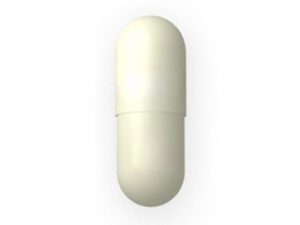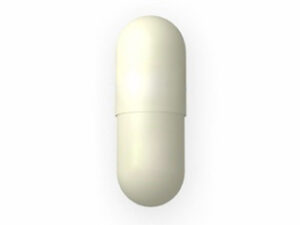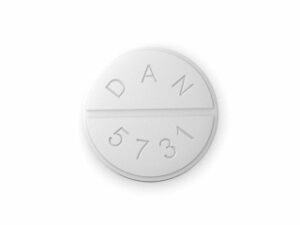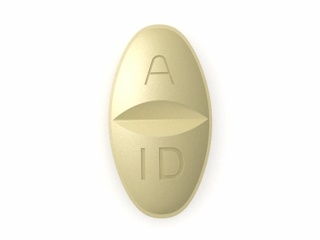
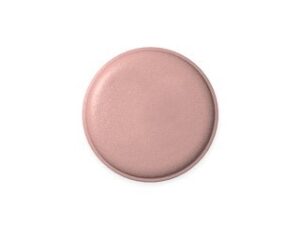
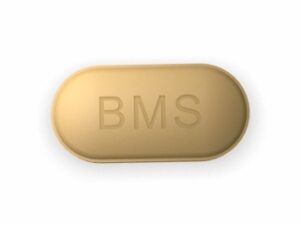
Imdur (Isosorbide) – Patient-Friendly Guide (Australia)
Imdur (active ingredient: isosorbide) is a medicine used to help prevent chest pain caused by reduced blood flow to the heart. It belongs to a group of medicines called nitrates, which work by relaxing blood vessels to improve blood flow and reduce the heart’s workload.
This page explains how Imdur works, typical uses, how to take it, key safety information, and practical tips. It also covers drug and alcohol interactions and what’s relevant for Australia.
Quick Product Information
| Category | Details |
|---|---|
| Medicine name | Imdur |
| Active ingredient | Isosorbide (often used as isosorbide mononitrate in extended-release products) |
| Medicine type | Nitrate vasodilator; commonly formulated for controlled/extended release |
| Common purpose | Prevention of angina (chest pain) |
| How it’s taken | By mouth, typically once daily depending on formulation |
| Key benefit | Helps reduce frequency and severity of chest pain episodes |
Note: Brand availability and exact strength/formulation may vary. Always check your specific product label for strength and dosing instructions.
How Imdur Works (Mechanism of Action)
Isosorbide in Imdur is converted in the body into active substances that release nitric oxide. This leads to:
- Relaxation of blood vessels (vasodilation)
- Reduced venous return to the heart (less blood returns to the heart)
- Lower cardiac workload
- Improved blood flow to the heart muscle
The overall effect is a reduction in episodes of angina (chest discomfort) that occurs when the heart doesn’t get enough oxygen due to narrowed coronary arteries.
Pharmacokinetics (Absorption, Distribution, Metabolism, Excretion)
Because Imdur is commonly an extended-release nitrate product, its effects are designed to last throughout the day. While exact pharmacokinetic parameters can vary by formulation and patient, typical characteristics include:
- Absorption: Generally absorbed after oral dosing; controlled/extended-release formulations release drug gradually.
- Onset: Designed for steady symptom prevention rather than immediate relief.
- Distribution: Isosorbide derivatives distribute throughout the body; the therapeutic focus is the cardiovascular system.
- Metabolism: Metabolised primarily in the liver.
- Excretion: Excreted mainly via the kidneys (urine), along with metabolites.
Clinical relevance: Extended-release nitrates aim to create consistent blood levels. For this reason, taking Imdur at the same time each day matters, and dose timing schedules (including any “nitrate-free” intervals recommended by your clinician) help reduce tolerance.
What Imdur Is Used For (Typical Use & Indications)
Imdur is used to prevent chest pain associated with conditions such as:
- Angina pectoris (stable angina), including prevention of predictable chest discomfort
- Prophylaxis in people whose angina is triggered by activity, stress, or other exertional factors
- Sometimes used as part of combination therapy for chronic angina management (depending on clinical assessment)
Important: Imdur is generally intended for prevention of angina. It may not provide the rapid relief needed for an acute chest pain attack—your treatment plan will usually include a fast-acting rescue option for sudden symptoms (for example, a short-acting nitrate) if advised for you.
When and How to Take Imdur (Timing & Practical Use)
Because Imdur is designed for steady effect, dosing schedules are important. Follow your individual plan as directed on your product label or by your healthcare professional.
Typical timing
- Once daily is common for extended-release formulations, but dosing can vary by strength and patient circumstances.
- Try to take it at the same time each day.
- Some regimens include a nitrate-free interval (a period each day without the nitrate effect) to reduce tolerance. If your prescriber/pharmacist has recommended this, it’s important to follow the schedule.
How to swallow
- Swallow tablets/capsules whole with water.
- Do not crush or chew unless the specific product states it is safe to do so (extended-release products can be affected by crushing).
If you miss a dose
- If you miss a dose, take it when you remember
- Do not take a double dose to make up for a missed one.
Food Interactions
For most people, Imdur can be taken with or without food. However, to keep absorption and day-to-day routines consistent:
- Take it consistently at the same time each day.
- If you notice stomach discomfort or dizziness, consider taking it with a small snack (unless your clinician advised otherwise).
General guidance: Nitrate side effects such as headache or light-headedness may be more noticeable if you are dehydrated or have skipped meals. Staying well hydrated (within any fluid restrictions you may have) and eating regularly can help.
Alcohol and Medicine Interactions
Alcohol
Alcohol can increase the risk of low blood pressure and dizziness when taking nitrates. For your safety:
- Avoid or limit alcohol, especially when you first start Imdur or after dose changes.
- Do not drive or operate machinery if you feel light-headed.
Common medicine interactions
Certain medicines can interact strongly with nitrates. The most important is the interaction with medicines used for erectile dysfunction and some pulmonary hypertension treatments.
- Medicines for erectile dysfunction (e.g., sildenafil, tadalafil, vardenafil, and similar agents): using these with nitrates can cause a dangerous drop in blood pressure.
- Riociguat (used for certain lung/pulmonary hypertension conditions): can also cause significant blood pressure lowering when combined with nitrates.
Other interactions may include:
- Blood pressure medicines (antihypertensives): may add to blood pressure-lowering effects.
- Other vasodilators or medications that influence circulation: may increase dizziness or faintness risk.
- Medications affecting heart rate (for example, some beta-blockers or calcium channel blockers): often used together safely under medical supervision, but monitor for symptoms such as fatigue or unusual light-headedness.
Practical tip: If you start Imdur, or if you add any new medicine (including herbal or over-the-counter products), it’s wise to check for interaction risk—particularly for medicines that affect erections, blood pressure, or pulmonary hypertension.
Safety Profile: Side Effects & When to Seek Help
Like all medicines, Imdur can cause side effects. Many are related to its blood vessel–relaxing effects, especially early in treatment or after dose changes.
Common side effects
- Headache (often an early effect)
- Dizziness or light-headedness
- Flushing
- Nausea
- Low blood pressure symptoms (such as feeling faint), particularly when standing quickly
Less common but important risks
- Marked hypotension (very low blood pressure)
- Fainting
- Tolerance (needing higher doses for the same effect over time) – risk is reduced by using nitrate-free intervals when appropriate
- Severe dizziness or weakness that doesn’t settle
- Worsening angina in some situations if dosing schedule is not followed (for example, if nitrate-free intervals are missed or dosing is erratic)
When to seek urgent medical attention
Get urgent help if you experience:
- Fainting or severe dizziness
- Chest pain that is severe, new, or not relieved as per your action plan
- Symptoms of severe low blood pressure (such as confusion, collapse, or inability to stay awake)
- Any signs of a serious allergic reaction (for example, swelling of the face/lips, trouble breathing)
Do not ignore serious symptoms. If you are unsure, contact a healthcare professional immediately or seek emergency care.
Dosing: How Much Is Typically Used?
Dose depends on your diagnosis, severity of angina, other health conditions, and how you respond. The information below is general; your exact regimen should be based on your product strength and clinical assessment.
General dosing principles
- Imdur is usually started at a lower dose and adjusted based on response and side effects such as headache or dizziness.
- Extended-release products are taken on a fixed schedule to maintain prevention.
- Some patients may require titration to balance effectiveness with tolerability.
Common approach in practice
- Prevention of angina: once daily dosing is commonly used.
- Nitrate-free time: many long-acting nitrate regimens include a daily period without nitrate effect to reduce tolerance; your clinician will advise the timing.
Because Imdur strengths and formulations can vary, always verify the exact strength on your medicine pack and follow the dosing instructions provided for that specific product.
Practical Use Tips for Better Results
- Take it consistently: regular timing helps maintain steady prevention.
- Stand up slowly: to reduce dizziness—especially in the morning after taking a dose.
- Manage headaches: headaches may be more common early on. If headaches become severe, persistent, or unusual, discuss it with a healthcare professional.
- Do not stop suddenly without advice: angina control may worsen if long-acting nitrates are stopped abruptly. Ask about the safest plan.
- Keep track of symptoms: note how often chest pain occurs and whether it’s controlled. This helps fine-tune treatment.
- Know your rescue plan: ensure you understand what to do if chest pain occurs despite prevention therapy.
- Avoid dehydration: dehydration can worsen dizziness and low blood pressure symptoms.
Alternative Options (Other Medicines for Angina Prevention)
If Imdur isn’t suitable or doesn’t control symptoms well enough, there are other prevention strategies for angina. Options depend on your heart condition and overall health.
Common alternatives
- Other long-acting nitrates (different formulations and schedules)
- Beta-blockers (reduce heart rate and workload)
- Calcium channel blockers (relax blood vessels and help with angina)
- Ranolazine (in some cases, helps improve angina control)
- Combination therapy (using two classes to target different mechanisms)
Non-medicine options may also be considered, depending on severity: lifestyle measures, cardiac rehabilitation, and in some cases specialist procedures or interventions.
Australia Market & Legal Context (What You Should Expect)
In Australia, medicines are supplied within a regulated framework overseen by national regulators and state/territory health systems. Long-acting prescription medicines for cardiovascular conditions are commonly dispensed through licensed pharmacies and are subject to pharmacy supply processes.
For online purchases, reputable pharmacies typically require:
- Appropriate supply checks (including identification and prescription validation where relevant)
- Clear product labelling (strength, dose instructions, batch details)
- Customer medication safety information
- Secure payment and privacy safeguards
Always purchase from legitimate Australian-licensed providers to reduce the risk of counterfeit or incorrect products.
Recent Guidance & Ongoing Safety Considerations
Clinical practice around nitrates (including isosorbide preparations) generally focuses on:
- Preventing tolerance (often through nitrate-free intervals)
- Reducing dangerous interactions (especially with erectile dysfunction medicines and riociguat)
- Monitoring blood pressure and symptoms like dizziness
- Ensuring patients understand prevention vs rescue therapy for angina attacks
If you have recently changed dose or started Imdur, be extra alert for early side effects (headache, dizziness, or low blood pressure). Guidance may be updated over time as new evidence emerges—your pharmacist can help explain the latest advice specific to your circumstances.
Delivery & Availability (How Online Pharmacy Supply Typically Works)
Availability of Imdur depends on the specific strength, formulation, and pharmacy supply arrangements. When ordering online in Australia:
- Choose the correct strength and form matching your usual product.
- Confirm delivery options (express vs standard) based on your location.
- Allow time for dispatch and delivery, especially during high-demand periods.
- Follow any instructions about how your parcel should be handled (for example, keep out of heat).
After dispatch, you may receive tracking information. If a product is unavailable, reputable pharmacies typically contact you or offer alternatives that are appropriate and safe.
FAQ – Imdur (Isosorbide)
1) Is Imdur used to treat chest pain immediately?
No. Imdur is generally used to prevent angina episodes. For sudden chest pain, you will typically need a fast-acting rescue plan provided as part of your overall care. If you’re unsure what to do during an attack, ask your pharmacist or doctor for an action plan.
2) How long does it take to work?
Long-acting nitrate regimens are designed for day-to-day prevention. Many people notice improvement in how often chest pain occurs over time, but the pattern can vary. If symptoms are not improving, discuss dosing schedule and adherence.
3) Can I take Imdur with food?
In most cases, yes. If you find it upsets your stomach or worsens dizziness, consider taking it with food and stay hydrated. Keep the timing consistent.
4) What should I avoid while taking Imdur?
Avoid combinations that can cause dangerous blood pressure drops, particularly:
- Erectile dysfunction medicines (unless specifically cleared by your healthcare professional)
- Riociguat
- Excessive alcohol (may worsen dizziness and low blood pressure)
5) Why do I get headaches after starting Imdur?
Headaches are a common nitrate side effect and often happen early in treatment as your body adjusts to blood vessel changes. If headaches are severe or persistent, seek advice; dose adjustments or changes in routine may be needed.
6) Can I stop Imdur if I feel better?
Do not stop long-acting angina medicines abruptly without advice. Control can worsen. If you want to change treatment, speak with your pharmacist or doctor.
7) What if I miss a dose?
Take it when you remember unless it is close to your next scheduled dose. Do not double up.
8) Is it safe to drive after taking Imdur?
If you feel dizzy or light-headed, do not drive. This is especially relevant when you first start Imdur or after dose changes. Wait until you know how the medicine affects you.
9) What are signs that my blood pressure may be too low?
Symptoms can include dizziness, fainting, unusual weakness, blurred vision, or feeling “washed out.” Seek medical help urgently if you faint or feel severely unwell.
10) Are there alternatives if Imdur doesn’t control my angina?
Yes. Depending on your medical history, alternatives may include other long-acting nitrates or different classes of angina prevention such as beta-blockers or calcium channel blockers. Your pharmacist can help discuss options suited to your situation.
Summary
Imdur (isosorbide) is a long-acting nitrate used to prevent angina by relaxing blood vessels and reducing the heart’s workload. It’s designed for consistent daily use, with attention to timing and, in some regimens, nitrate-free intervals to reduce tolerance.
While many people tolerate Imdur well, side effects such as headache and dizziness can occur—especially at the start. The most important safety consideration is avoiding dangerous interactions, particularly with erectile dysfunction medicines and riociguat. If you have questions about how to take your dose or manage interactions, speak with a healthcare professional or your pharmacist.