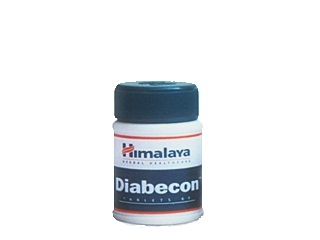


Diabecon (Australia) – Patient-Friendly Information
Diabecon is a complementary oral medicine commonly used to help manage blood glucose in adults with type 2 diabetes. This page provides practical, patient-friendly information about what Diabecon is, how it works, how it is taken, and important safety considerations for use in Australia.
Note: This content is for general education and does not replace advice from your healthcare professional. Always check the specific product packaging and the consumer medicine information (CMI) supplied with your medicine.
Quick Overview
| Topic | What to know |
|---|---|
| Medicine name | Diabecon |
| Common purpose | Helps support blood glucose management in type 2 diabetes |
| How it works (summary) | Primarily supports insulin activity and glucose utilisation; may also influence digestive absorption of carbohydrates |
| Typical timing | Usually taken with meals (follow your label/CMI) |
| Food interactions | Often taken with food; timing may matter for best effect |
| Alcohol interactions | Alcohol can affect blood glucose—use with care, especially if you also take glucose-lowering medicines |
| Key safety focus | Hypoglycaemia risk is mainly relevant when used with other glucose-lowering medicines; watch for side effects and monitor glucose |
| Availability in Australia | Check current listings and availability with your pharmacy; regulatory status and product details can vary |
Basic Product Information
- Product: Diabecon
- Form: Oral tablets/capsules (exact form depends on the specific formulation sold)
- Who it’s for (typical use): Adults with type 2 diabetes as part of a broader diabetes management plan
- Where to find details: Confirm the active ingredients, strength, and dosing instructions on your specific pack or CMI
Because branded products can vary by market and formulation, please verify the active ingredients and strength on the box/bottle you receive from your pharmacy.
How Diabecon Works (Mechanism of Action)
Diabecon is designed to support blood glucose control. While the exact mechanism may depend on the formulation, complementary diabetes-support products like Diabecon generally aim to:
- Improve glucose handling: Support the body’s ability to use glucose effectively.
- Influence insulin-related pathways: Some ingredients may help the body respond better to insulin or assist insulin action.
- Reduce post-meal glucose spikes: By supporting metabolic pathways and/or carbohydrate digestion/absorption, it may help moderate the rise in blood sugar after eating.
Important: Diabecon should be considered an adjunct to lifestyle measures (food, activity, weight, and monitoring). It does not replace personalised diabetes care.
Pharmacokinetics (Absorption, Distribution, Metabolism, Elimination)
Pharmacokinetics describes what the body does to a medicine—how it is absorbed, how long it stays active, and how it leaves the body.
For many complementary medicines, detailed pharmacokinetic data (half-life, peak levels, and metabolic pathways) may be limited or not fully characterised. In practical terms, patients typically rely on:
- Onset related to meal timing: Many glucose-support products are used with meals because their effects are intended around carbohydrate intake.
- Steady use: Effects are often assessed over days to weeks rather than minutes.
- Individual variation: Absorption and response can vary with diet, gastrointestinal health, and concurrent medicines.
What you can do: Monitor your blood glucose as advised by your clinician and adjust meal timing consistently when trialling Diabecon (while following the label/CMI).
Typical Use and Indications
Diabecon is typically used to support blood glucose management in adults with type 2 diabetes.
Depending on the product registration and labelling in Australia, it may be indicated for:
- Supporting glycaemic control as part of a diabetes management plan
- Helping reduce post-meal blood glucose excursions when taken with meals
Indications can vary: Always follow the exact indication and claims provided on your specific Diabecon pack or in the accompanying consumer medicine information.
How to Take Diabecon (Dosing and Timing)
Dosing instructions may vary with formulation strength. Follow your product label or CMI.
Typical dosing approach (general guidance)
- Adults: Often taken with meals or just before meals to align with food intake.
- Adjustments: If you are also taking other glucose-lowering medicines, your clinician may advise additional glucose monitoring and possibly medicine adjustments to reduce the risk of low blood sugar.
Timing tips
- Take consistently: Try to take Diabecon at the same point relative to meals each day.
- Use with regular meal patterns: If your meal times are irregular, discuss the best timing with your healthcare professional.
- Don’t double up: If you miss a dose, take it when you remember only if it’s close to your usual schedule; otherwise skip and continue as normal (follow CMI guidance).
Food Interactions (With Meals and Carbohydrates)
Food can affect how medicines are taken, absorbed, and how well they work. Diabecon is commonly used in relation to meals.
- Usually taken with food: Following the label is important. Taking it with meals can help align its action with carbohydrate intake.
- Carbohydrate intake still matters: Even with a diabetes-support medicine, high-glycaemic foods may still raise blood glucose.
- Gastrointestinal tolerance: Some people find that taking medicines with meals reduces nausea or stomach upset.
Practical advice: Maintain a consistent dietary pattern and monitor your blood glucose response when starting or changing Diabecon timing.
Alcohol Interactions
Alcohol can affect blood glucose in multiple ways and may increase the risk of hypoglycaemia, especially in combination with other glucose-lowering medicines or if you skip meals.
- Use caution: If you drink alcohol, do so responsibly and consider having it with food.
- Monitor glucose: Check your blood glucose more frequently if you notice alcohol-related swings.
- Be aware of delayed effects: Alcohol can cause lower blood sugar hours after drinking.
Seek advice: If you take other diabetes medicines (e.g., insulin or sulfonylureas), ask your healthcare professional about the safest alcohol intake strategy.
Medicine Interactions (Other Medicines and Supplements)
Interactions can occur when medicines affect each other’s absorption, metabolism, or glucose-lowering effect. The risk of interaction depends on your full medication list.
Key interaction considerations
- Other blood glucose–lowering medicines: Combining Diabecon with medicines that lower glucose (including insulin or sulfonylureas) may increase the chance of low blood sugar in some people.
- Medicines affecting digestion or absorption: Changes in stomach acidity, gut motility, or digestive enzymes may influence absorption for some ingredients.
- Herbal and “natural” supplements: Supplements marketed for diabetes may also affect blood glucose. Using multiple products together may intensify glucose lowering.
What to do
- Keep an updated list of all medicines and supplements you take.
- Tell your pharmacist or clinician about Diabecon—especially if starting, stopping, or changing dose.
- Monitor your glucose closely when beginning Diabecon or when changing other diabetes medicines.
Safety Profile and Side Effects
Most people tolerate Diabecon well when taken as directed. However, like all medicines, it can cause side effects.
Common or possible side effects
- Mild gastrointestinal symptoms: stomach discomfort, nausea, or changes in bowel habits
- Headache or dizziness: less commonly, and often related to glucose changes or individual sensitivity
Low blood sugar (hypoglycaemia)
Hypoglycaemia is the main safety concern for diabetes-support products, particularly when used alongside other glucose-lowering therapies.
- Symptoms may include: sweating, trembling, hunger, dizziness, confusion, palpitations, or feeling weak
- Action: If you suspect low blood sugar, test your glucose if possible. Treat according to your diabetes action plan (e.g., fast-acting carbohydrate) and seek medical advice if severe or recurrent.
Allergic reactions
Stop using the product and seek urgent medical assistance if you experience signs of allergy such as swelling of the face/lips, difficulty breathing, or widespread rash.
Who should exercise extra caution
- People with a history of medication allergies
- People with complex diabetes regimens (especially those on insulin or sulfonylureas)
- Anyone pregnant or breastfeeding (seek professional advice—complementary product evidence may be limited)
- People with significant liver or kidney disease (discuss with a clinician)
Always read: Review the CMI for the specific formulation you are buying, including warnings, contraindications, and excipient information.
Practical Use Tips (Getting the Best Results)
- Start consistently: Begin at the same time each day with the same meal pattern when possible.
- Monitor early: When starting Diabecon or adjusting timing, monitor blood glucose as recommended to understand your response.
- Keep lifestyle measures active: Medication support works best with nutrition, physical activity, sleep, and stress management.
- Use an organised routine: Many people find pairing dosing with a daily meal (e.g., breakfast and dinner) reduces missed doses.
- Document your results: Tracking fasting and post-meal readings for 1–2 weeks can help identify patterns.
- Stay hydrated and eat regularly: If you skip meals or eat irregularly, blood glucose can become harder to manage.
Missed Dose, Overuse, and When to Seek Help
If you miss a dose
- Take it when you remember if it’s close to your normal schedule.
- If it’s near the time of the next dose, skip the missed dose.
- Do not double to make up for a missed dose.
- Follow the instructions in the CMI if they differ.
If you take too much
- Contact your pharmacist or seek medical advice promptly if you suspect an overdose.
- Be prepared to provide the product strength, how many tablets/capsules were taken, and when.
When to seek medical advice
- Your blood glucose readings are repeatedly too high or too low
- You experience frequent hypoglycaemia symptoms
- You have severe side effects or signs of allergy
- You are planning surgery, major lifestyle changes, or have an acute illness
Alternative Options
Depending on your diabetes type, overall health, and current medicines, there are different ways to support glucose control in Australia. Alternatives may include:
Other diabetes-support products
- Dietary supplements marketed for diabetes support (e.g., fibre-based products, certain herbal extracts)
- Products targeting post-meal glucose response
Evidence-based medical options
- Oral prescription glucose-lowering medicines (varies by individual; only discussed generally)
- Insulin therapy when needed
Lifestyle alternatives (often foundational)
- Structured nutrition planning (e.g., carbohydrate consistency or Mediterranean-style eating)
- Regular physical activity (including post-meal walks)
- Weight management where appropriate
- Smoking cessation and limiting alcohol
Tip: If you consider switching products, do it gradually where appropriate and monitor blood glucose closely to avoid unexpected changes.
Diabecon in the Australian Market: Legal and Regulatory Context
In Australia, medicines and complementary products are regulated under frameworks that aim to ensure safety, quality, and appropriate claims. The exact regulatory status of Diabecon can influence what claims are permitted on packaging and how the product is supplied.
- Regulatory oversight: Look for listing details and product documentation provided by the supplier.
- Claims: Product labels and consumer information should clearly state the approved indications and cautions.
- Quality: Reliable pharmacies source from legitimate wholesalers/manufacturers to support product integrity.
What customers can check: the product name, strength, directions for use, ingredients, batch/expiry details, and the presence of an up-to-date CMI (if provided).
Recent Guidance and Practical Advice (What to Keep in Mind)
Diabetes management guidance typically emphasises:
- Regular blood glucose monitoring based on your treatment plan
- Medication review when adding or stopping any glucose-related products
- Individualised targets for glucose and HbA1c
- Safety awareness for hypoglycaemia symptoms
Because product formulations and claims can change over time, it’s important to:
- Review the latest CMI and packaging for your specific Diabecon version
- Speak to a clinician or pharmacist if you are on multiple diabetes therapies
- Report unusual symptoms promptly
Delivery and Availability in Australia
Diabecon availability may vary depending on stock levels, formulation, and the pharmacy’s supply arrangements. When ordering online:
- Check product details: Ensure you select the correct strength and form listed on the site.
- Verify expiry: Pharmacies typically dispatch products with suitable remaining shelf life.
- Shipping timelines: Delivery timeframes depend on your location and the delivery service used.
Packaging and privacy: Online pharmacy deliveries are typically packaged to protect the product and maintain discretion.
Customer support: If you’re unsure whether Diabecon is suitable for your situation, contact our pharmacy team for general guidance and to confirm dosing instructions from the CMI.
FAQ – Frequently Asked Questions
1) Is Diabecon suitable for everyone with diabetes?
Diabecon is commonly used for adults with type 2 diabetes to support blood glucose management. Suitability depends on your overall health, your current diabetes medicines, and any other conditions. Check the CMI for warnings and talk to a pharmacist if you’re unsure.
2) How long does it take for Diabecon to work?
Some people notice changes in blood glucose patterns within days, especially when taken consistently with meals. However, the full effect is usually assessed over weeks, alongside lifestyle measures and ongoing monitoring.
3) Should I take Diabecon with food?
Diabecon is often taken with meals as part of routine dosing. Use the timing specified on your product label/CMI for the best alignment with food intake.
4) Can I take Diabecon with my diabetes medicines?
Many people may take complementary medicines alongside other diabetes therapies, but it’s important to check interaction and safety considerations. If you use insulin or other glucose-lowering medicines, monitor your blood glucose closely and consult a pharmacist or clinician.
5) What if my blood sugar becomes low?
If you experience symptoms of low blood sugar (like sweating, shaking, dizziness, or confusion), test your glucose if possible and treat according to your diabetes action plan. If episodes are frequent, severe, or you feel unwell, seek medical advice promptly.
6) Does Diabecon interact with alcohol?
Alcohol can affect blood glucose and may increase the risk of hypoglycaemia, especially if you’re also taking other glucose-lowering medicines. If you drink alcohol, do so cautiously and ideally with food, and monitor your glucose.
7) What side effects should I watch for?
Possible side effects include mild stomach discomfort or gastrointestinal changes. Seek urgent help for signs of allergy (such as swelling or breathing difficulty). Monitor for symptoms of low blood sugar, particularly when combined with other diabetes medicines.
8) What should I do if I miss a dose?
Take it when you remember if it’s close to your usual schedule. If it’s near the next dose, skip the missed dose. Do not double up—follow the CMI for specific guidance.
9) Are there alternatives to Diabecon?
Yes. Alternatives include other diabetes-support products, different supplement approaches, and (where needed) evidence-based medical treatments and lifestyle changes. The best option depends on your treatment goals and current medicines.
10) Where can I find the exact dosing for my Diabecon product?
Check the dose instructions on your Diabecon packaging and the included consumer medicine information (CMI). If you have questions, contact our pharmacy team for help interpreting the label.
Disclaimer: Information provided here is general and may not reflect your specific Diabecon formulation, strength, or your personal medical circumstances. Always read the product label and CMI supplied with your medicine and consult a healthcare professional if you have questions or concerns.