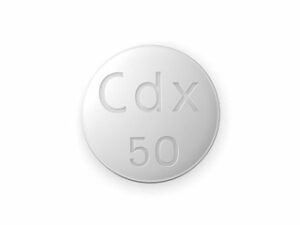


Zofran (Ondansetron) – Patient Guide (Australia)
Zofran is a brand of ondansetron, a medicine used to prevent and treat nausea and vomiting caused by certain medical treatments and conditions. This guide explains how Zofran works, when it’s typically taken, how it’s absorbed in the body, what interactions to watch for, and practical tips for safe use in Australia.
Always read your medicine label and the consumer medicine information (CMI) provided with your product. If you have questions about your specific situation, speak with a pharmacist or doctor.
Basic product information
| Item | Details |
|---|---|
| Active ingredient | Ondansetron |
| Brand name | Zofran |
| Common forms | Tablets, orally disintegrating tablets (where available), and injection (for healthcare settings) |
| Medicine class | Antiemetic (anti-nausea medicine), 5-HT3 receptor antagonist |
| Typical reasons it’s used | Chemotherapy/radiotherapy–induced nausea and vomiting; post-operative nausea and vomiting; other medical causes as advised |
How Zofran works (mechanism of action)
Ondansetron blocks 5-HT3 receptors (serotonin receptors) in the gut and the brain. These receptors are involved in the signalling pathways that trigger nausea and vomiting.
- When serotonin is released in the body (for example, during chemotherapy or after surgery), it can activate 5-HT3 receptors.
- By blocking these receptors, ondansetron helps reduce the signals that lead to vomiting.
- This action makes Zofran effective for preventing nausea before it starts and for controlling ongoing symptoms when used appropriately.
Pharmacokinetics (how the body processes it)
Pharmacokinetics describes how the body absorbs, distributes, metabolises, and eliminates a medicine.
Absorption
Ondansetron is absorbed after oral dosing. The exact speed can vary by formulation (for example, standard tablets vs. orally disintegrating tablets). In general, it begins working soon after dosing, with symptom control often seen within the first few hours.
Distribution
After absorption, ondansetron distributes throughout the body. It can cross into the central nervous system to help reduce nausea and vomiting signals.
Metabolism
Ondansetron is primarily metabolised in the liver through enzyme pathways, including CYP enzymes (commonly CYP3A4 and CYP2D6 are involved). This means liver function and other interacting medicines can affect how long ondansetron stays active.
Elimination
Most metabolites are eliminated via the kidneys (urine). The half-life (the time for the body to reduce the medicine concentration by about half) is typically around several hours in adults. Elimination may be slower in people with liver impairment.
Practical takeaway: Because metabolism and elimination can vary, dosing schedules are important—especially around chemotherapy or surgery.
Typical uses in Australia
Zofran is used to manage nausea and vomiting related to specific situations. Common indications include:
- Chemotherapy-induced nausea and vomiting (CINV)
- Radiotherapy-induced nausea and vomiting
- Post-operative nausea and vomiting (PONV)
- Other nausea/vomiting causes where a clinician advises an antiemetic and ondansetron is appropriate
Note: The exact indication and timing depend on the type of treatment causing nausea, the expected severity, age, and individual risk factors.
When to take Zofran (timing and effectiveness)
Correct timing helps prevent nausea before it builds up.
Before chemotherapy or radiotherapy
Zofran is commonly started before chemotherapy or radiotherapy begins, and may be continued for a set number of days after depending on the regimen and risk level (for example, to cover “acute” and “delayed” nausea).
For ongoing nausea
If you are already nauseated, your prescriber or pharmacist may still advise taking ondansetron at the next appropriate dose interval. However, prevention often works better than “catching up” once vomiting is underway.
After surgery (PONV)
For post-operative nausea and vomiting, timing can depend on whether Zofran is given before anaesthesia, during surgery, or after surgery in a healthcare setting.
Tip: If you are taking multiple doses across days, set reminders. Missing doses can reduce effectiveness, especially for delayed nausea.
Dosing guidance (general overview)
Dosing depends on the reason for use, age, other medicines, and sometimes liver function and the specific treatment regimen.
Important: This website information is general. Follow the dose on your product label or the instructions provided with your medicine. Do not change your dose unless advised.
Common adult approach (varies by indication)
- Chemotherapy/radiotherapy: often involves scheduled dosing across the treatment period and possibly for several days after.
- Post-operative nausea/vomiting: may be a single dose strategy or peri-operative dosing depending on your clinical plan.
Children and adolescents
Doses for children must be specifically calculated and are commonly based on weight and clinical scenario. For paediatric use, ensure you use the correct formulation and the dose instructions from a clinician/pharmacist.
Missed dose
If you miss a dose:
- Take it when you remember if it’s close to the next scheduled time and you don’t risk taking double.
- If you’re near the next dose, skip the missed one and continue your regular schedule.
- If you’re unsure, ask a pharmacist for advice.
Overdose
Seek urgent medical advice if more than the prescribed dose is taken, particularly if you develop severe dizziness, fainting, fast heartbeat, or unusual symptoms.
Food and drink interactions
Food effects: Ondansetron can usually be taken with or without food. Taking it with food may help some people feel more comfortable if nausea is present.
Key points:
- There are generally no major dietary restrictions for ondansetron.
- However, if you have severe vomiting, the practical issue may be whether you can keep oral medicines down—your pharmacist may advise an alternative formulation if needed.
Hydration matters: If nausea limits fluids, focus on small sips of water or oral rehydration solutions where appropriate, and seek advice if you cannot keep fluids down.
Alcohol interactions
There is no universally required “absolute” prohibition on alcohol with ondansetron. However, alcohol can worsen nausea, dehydration, and dizziness—especially during illness, after surgery, or while receiving chemotherapy.
- During chemotherapy or radiotherapy: it’s often recommended to avoid or minimise alcohol, since appetite, hydration, and treatment side effects can be impacted.
- After surgery: alcohol may increase drowsiness and slow recovery.
- Safety first: if you choose to drink, do so cautiously and only if you feel well and your healthcare team has not advised otherwise.
Seek advice if you experience dizziness, unusual drowsiness, or feel faint after taking ondansetron and alcohol together.
Medicine interactions (important safety considerations)
Ondansetron can interact with other medicines, mainly through effects on metabolism and heart rhythm risk in certain situations.
Medicines that may affect heart rhythm (QT prolongation risk)
Ondansetron can, in some people, contribute to QT interval prolongation (an electrical rhythm change in the heart). The risk is higher when combined with other medicines that also prolong the QT interval.
- Some antibiotics (certain macrolides and fluoroquinolones)
- Some antidepressants and antipsychotics
- Some antifungal medicines
- Other antiemetics or medicines with similar cardiac effects
If you have a history of long QT syndrome, existing heart rhythm problems, low potassium or magnesium, or you’re on multiple QT-prolonging medicines, ask your pharmacist or doctor for a specific interaction check.
Medicines affecting metabolism of ondansetron
Ondansetron is metabolised by liver enzymes. Some medicines can increase or decrease its levels, potentially affecting effectiveness or side effects.
- Enzyme inducers may reduce ondansetron levels (for example, certain anti-seizure medicines and some other drugs).
- Enzyme inhibitors may increase levels, potentially raising side effects in some people.
Serotonin-related medicines
Ondansetron’s action is specifically on 5-HT3 receptors. While it is not typically associated with serotonin syndrome in the same way as some other serotonergic drugs, it’s still important to disclose all medications and supplements to your pharmacist.
Tell your pharmacist if you take
- Any heart medicines
- Medicines for irregular heartbeat
- Electrolyte-altering treatments (for example, some diuretics)
- Antidepressants, antipsychotics, antibiotics, antifungals
- Anti-seizure medications
Safety profile and side effects
Most people tolerate ondansetron well. Side effects vary by dose and individual factors.
Common side effects
- Headache
- Constipation
- Dizziness
- Fatigue
- Feeling warm or flushed (less common)
Less common but important effects
- Allergic reactions (rash, itching, swelling, breathing difficulty)
- Changes in heart rhythm (rare, but important—especially with existing risk factors)
Seek urgent medical help if you experience
- Fainting, severe dizziness, or palpitations
- Shortness of breath, swelling of face/lips, or signs of severe allergy
- Severe chest symptoms or an irregular heartbeat
Who may need extra caution
- People with heart rhythm problems or history of long QT
- People with low potassium or magnesium
- People with liver impairment (may require dose adjustment)
- Older adults, particularly if taking multiple medicines
Practical use tips (how to get the most benefit)
- Take it as planned: For chemotherapy/radiotherapy, use scheduled dosing rather than waiting for symptoms.
- Hydrate if possible: Nausea can lead to dehydration. Try small sips or oral rehydration solutions.
- Manage constipation: Ondansetron can cause constipation. If you already take laxatives or stool softeners, continue as advised.
- Keep track of timing: Write down doses and times, especially when multiple-day regimens are involved.
- Report worsening symptoms: If nausea persists despite dosing, tell a healthcare professional—your regimen may need adjustment.
- Check your other medicines: If you start new prescriptions (including antibiotics or antidepressants), ask about interaction risk.
- Driving and operating machinery: If you feel dizzy or drowsy, avoid driving or hazardous activities until you know how you react.
Alternative anti-nausea options
Depending on the cause of nausea and your medical history, alternatives may include other antiemetic medicines or supportive care strategies.
Other commonly used antiemetics (examples)
- Dopamine antagonists (some are used for certain types of nausea)
- NK-1 receptor antagonists (often used in combination for high-risk chemotherapy nausea)
- Corticosteroids (commonly included in antiemetic regimens for chemotherapy)
- Anticholinergic agents (sometimes used for specific nausea types)
- Non-medicine options such as hydration, dietary changes, and symptom monitoring
Important: Don’t switch medicines without advice—antiemetics are chosen based on nausea cause, severity, and your risk factors.
Market and legal context for Australia (consumer-focused)
In Australia, medicines are supplied under regulatory frameworks administered by the Therapeutic Goods Administration (TGA). Ondansetron products and presentations are categorised according to safety and prescribing requirements.
- Availability may differ by product presentation (for example, tablet vs. injection, or specific pack sizes).
- Depending on your situation, access may involve a consultation with a healthcare professional, and dispensing requirements may apply.
- Always use medicines only for the condition and dose plan agreed with your healthcare team.
Always check: On this website, product pages should show the specific medicine form and any relevant access information for that item. Requirements can change as medicines are updated and regulations evolve.
Recent guidance and practical updates (what matters for patients)
Across oncology and perioperative care, antiemetic strategies increasingly focus on:
- Matching treatment to risk level (some chemotherapy regimens are more likely to cause delayed nausea).
- Using combinations when needed rather than relying on a single agent for highly emetogenic therapy.
- Reducing QT-risk by reviewing cardiac history, electrolyte status, and interacting medications.
- Using evidence-based schedules so that prevention covers both acute and delayed phases.
For patients, the most helpful “real-world” actions are: take doses on schedule, keep your pharmacist updated on new medicines, and report any heart-related symptoms immediately.
Delivery and availability (online pharmacy information)
Availability and delivery times can vary depending on stock levels and your location within Australia. When ordering, ensure you:
- Verify the strength and form (for example, tablets vs. orally disintegrating tablets).
- Check pack size, expiry date, and storage instructions.
- Provide accurate delivery details (postcode and contact number if required by the courier).
- Allow additional time if your area has scheduled delivery days.
Storage tip: Keep ondansetron at room temperature as directed on the packaging, protect from moisture, and keep out of reach of children.
FAQ about Zofran (Ondansetron)
1) What is Zofran used for?
Zofran (ondansetron) is used to prevent and treat nausea and vomiting related to certain medical treatments such as chemotherapy and radiotherapy, as well as post-operative nausea and vomiting.
2) How soon does Zofran work?
Many people notice improvement within a few hours after taking ondansetron. For treatments like chemotherapy, it’s typically used on a schedule to cover both early and later (“delayed”) nausea.
3) Can I take Zofran with food?
Yes, ondansetron can generally be taken with or without food. If you’re nauseated, taking it with a small snack may feel easier, if appropriate for you.
4) What if I throw up after taking a dose?
If you vomit shortly after taking a dose, the medicine may or may not have been absorbed. Contact a pharmacist for personalised advice on whether to repeat a dose.
5) Does ondansetron cause constipation?
Yes. Constipation is a commonly reported side effect. If you’re prone to constipation, discuss preventive strategies (like fluid intake or fibre) with your pharmacist.
6) Is it safe for everyone?
Ondansetron is not suitable for every person. Extra caution is needed for people with heart rhythm problems (or those at risk of QT prolongation), those with electrolyte imbalances, and those with liver impairment. Always review your full medicine list.
7) Can I drink alcohol while taking Zofran?
It’s best to minimise alcohol, especially while you’re unwell, recovering after surgery, or during chemotherapy, because alcohol can worsen nausea, dehydration, and dizziness. If you choose to drink, do so cautiously and stop if you feel unwell.
8) What medicines interact with Zofran?
The most important interactions involve medicines that can affect heart rhythm (QT prolongation) and medicines that strongly influence liver metabolism. Tell your pharmacist about all medicines, including antibiotics, antidepressants, antifungals, anti-seizure medicines, and any heart medicines.
9) When should I seek urgent help?
Seek urgent medical help if you experience fainting, severe dizziness, palpitations, trouble breathing, swelling of the face/lips, or signs of severe allergic reaction.
10) Are there alternative options to Zofran?
Yes. Depending on the cause of nausea and your medical history, other antiemetics may be used, sometimes in combination. A pharmacist can help compare options available in Australia.
Disclaimer: This information is designed to support patient understanding and does not replace advice from a pharmacist or doctor. If your symptoms persist or worsen, or if you have concerns about safety for your individual situation, seek professional guidance.