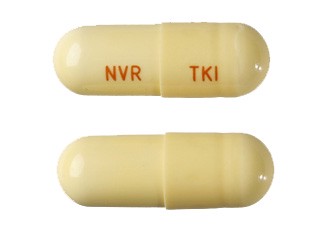

Tasigna (Nilotinib) — Patient-Friendly Guide (Australia)
Tasigna is a cancer medicine containing nilotinib. It is used for certain types of chronic myeloid leukaemia (CML) and is taken as an oral medicine. This guide explains how Tasigna works, how it is used, what to expect, and important safety and interaction information for people in Australia.
Note: Cancer medicines can affect people differently. Always follow the guidance of your treating oncology team and the directions on your product information. If anything is unclear, ask your pharmacist for tailored advice.
Basic product information
| Product | Active ingredient | Medicine class | How it’s taken | Common strengths* |
|---|---|---|---|---|
| Tasigna | Nilotinib | Tyrosine kinase inhibitor (TKI) | Capsules by mouth | 50 mg and 150 mg (commonly available) |
*Strengths can vary by country and packaging. Your pharmacy can confirm what’s available.
What Tasigna is used for (Indications)
Tasigna is a targeted medicine used in the treatment of:
- Chronic myeloid leukaemia (CML) in adult patients:
- For adults with Philadelphia chromosome-positive (Ph+) chronic phase CML, including after prior therapy.
- For adults with accelerated phase CML and myeloid or lymphoid blast crisis after prior therapy may be considered, based on individual clinical circumstances.
- Some uses may vary depending on clinical guidelines and local approvals.
Because CML treatment plans are individual, your oncology team will decide whether Tasigna is the best option for you based on disease phase, prior treatments, blood tests, and overall health.
How Tasigna works (Mechanism of action)
Tasigna (nilotinib) is a tyrosine kinase inhibitor that targets the abnormal protein made by the BCR-ABL gene (often described as Philadelphia chromosome-positive CML). In CML, the BCR-ABL protein signals blood cancer cells to grow and survive.
Nilotinib blocks these signalling pathways, which helps to:
- Reduce leukaemia cell growth
- Lower abnormal cell counts
- Improve disease control over time
TKIs like nilotinib are “targeted” medicines: they are designed to affect cancer cell signalling more specifically than traditional chemotherapy.
Pharmacokinetics (How the body absorbs and processes it)
Understanding how nilotinib behaves in the body can help explain why it must be taken on an empty stomach and how timing matters.
- Absorption: Nilotinib is absorbed from the gastrointestinal tract. Food can significantly increase exposure, which may raise the risk of side effects.
- Distribution: It circulates in the bloodstream and can cross into tissues where it exerts its effect.
- Metabolism: It is mainly metabolised in the liver, largely through CYP enzymes (including CYP3A4).
- Excretion: Metabolites are eliminated primarily through bile and faeces.
- Half-life: The medicine has a duration that supports twice-daily dosing in many regimens.
Because metabolism involves liver enzyme pathways, interactions with other medicines that affect these enzymes can change nilotinib levels.
Typical use and treatment goals
In CML, Tasigna is commonly used with goals such as:
- Achieving deep molecular response (a reduction in disease markers)
- Maintaining remission over time
- Preventing progression to more advanced disease phases
Response is tracked using regular blood tests and specialised molecular testing (e.g., measuring BCR-ABL transcripts). If results are not as expected, your treating team may adjust the plan.
How to take Tasigna (Timing and routine)
Tasigna is usually taken as capsules by mouth. A key feature of safe use is taking it at the correct time relative to meals.
General timing rules (important)
- Take on an empty stomach: Do not take Tasigna with food.
- Before food: Aim to take your dose at least 2 hours before eating.
- After food: Wait at least 1 hour after finishing eating before taking the next dose.
- Consistency matters: Try to take your doses at the same times each day.
Your exact schedule may be tailored. Always follow the instructions provided by your prescriber and the product information.
Swallowing tips
- Swallow capsules whole with water (unless your clinical team has given different instructions).
- Do not crush or open capsules unless specifically instructed.
- If you miss a dose, do not double up—contact your healthcare team/pharmacist for advice on what to do next.
Food interactions (What to avoid)
Food can significantly affect nilotinib exposure. This is why timing is critical.
- Take Tasigna without food. Avoid taking doses close to meals outside the “2 hours before / 1 hour after” window described above.
- High-fat meals: can increase nilotinib levels more than expected and increase the chance of side effects.
- Grapefruit and grapefruit juice: are generally avoided because they can affect liver enzymes and increase medicine levels.
- Other fruit juices: check with your pharmacist if you are unsure (some may also affect metabolism).
If you have difficulty maintaining the empty-stomach schedule due to your lifestyle or work shifts, talk to your pharmacist. They can help you plan a workable routine.
Alcohol and medicine interactions
Nilotinib is metabolised in the liver, so alcohol and certain medicines may influence safety.
Alcohol
- Moderation is generally advised. Alcohol may increase stress on the liver and can worsen side effects such as fatigue, nausea, or dizziness.
- If you have liver problems or elevated liver enzymes, ask your doctor/pharmacist before drinking alcohol.
Important medicine interactions
Some medicines can raise or lower nilotinib concentrations. This matters because:
- Higher levels may increase risk of side effects (including serious heart-related effects).
- Lower levels may reduce effectiveness and increase risk of inadequate disease control.
Examples of interaction categories to discuss with your pharmacist include:
- Strong CYP3A4 inhibitors (may increase nilotinib levels), such as certain antifungals and some antibiotics
- Strong CYP3A4 inducers (may decrease nilotinib levels), such as some anti-seizure medicines and rifampicin-class antibiotics
- Medicines that affect heart rhythm (QT interval). Combining with other QT-prolonging medicines may increase risk of abnormal heart rhythms.
- Acid-reducing medicines (e.g., certain antacids, H2 blockers, or proton pump inhibitors): these can affect absorption for some TKIs. Your pharmacist can advise which options are safe.
Always tell your healthcare team about:
- All prescription medicines
- All over-the-counter medicines (including cold/flu remedies)
- Herbal products (e.g., St John’s wort)
- Supplements
Dosing (Typical regimens and adjustments)
Dosing must be individualised. Your oncology team will prescribe the dose that fits your disease phase, response, and safety findings (including blood counts and heart monitoring).
Common dosing approach
- Nilotinib is often taken twice daily, with strict empty-stomach timing rules.
- The total daily dose may vary depending on the approved regimen for your CML phase and prior therapies.
Dose changes and monitoring
Your team may adjust your dose or interrupt treatment if you experience:
- Significant side effects
- Abnormal blood test results (e.g., liver enzymes, electrolytes, blood counts)
- Heart rhythm issues or concerning ECG changes
- Very high triglycerides or other metabolic changes
Never change your dose without medical advice.
Safety profile (What to watch for)
Tasigna can cause side effects. Many are manageable, but some require urgent attention. Understanding warning signs helps you get help quickly.
Common side effects
- Nausea, vomiting, diarrhoea or constipation
- Headache
- Fatigue or weakness
- Rash or dry skin
- Muscle or bone discomfort
- Changes in blood tests (including blood counts and liver enzymes)
Metabolic and laboratory changes
- Triglycerides (fat levels) may rise—your doctor may monitor fasting lipids
- Electrolytes (e.g., potassium, magnesium) may change
- Regular blood tests help detect changes early
Serious risks (seek urgent help)
Some potential serious effects require rapid medical care:
- Heart rhythm problems (QT prolongation). Seek urgent care if you experience fainting, severe dizziness, or palpitations with feeling unwell.
- Serious cardiovascular events (e.g., chest pain, shortness of breath, symptoms of stroke). Call emergency services if symptoms occur.
- Severe liver problems. Contact your healthcare team if you develop yellowing of eyes/skin, dark urine, or severe abdominal pain.
Your healthcare team may perform baseline and follow-up monitoring such as ECGs and blood tests to reduce risk.
Practical use tips (Make treatment easier and safer)
- Plan meals around doses: Keep a consistent routine. If you need to eat earlier, discuss how to adjust with your pharmacist.
- Carry a reminder: Use a phone alarm or pill organiser (as directed). Maintain timing even on weekends.
- Stay hydrated: General hydration supports comfort, especially if you have nausea or diarrhoea.
- Track side effects: Note symptoms and when they occur. This helps your oncology team respond quickly.
- Keep all appointments: Blood tests, ECGs, and molecular response monitoring are essential.
- Avoid grapefruit products: These can increase nilotinib exposure.
- Medication list ready: Keep an up-to-date list of your medicines and supplements to show at each review.
If you experience severe side effects, do not stop Tasigna suddenly without speaking to your treating team—interruptions should be guided by oncology advice.
Alternatives to Tasigna
In Australia, several treatments may be considered for CML depending on disease phase, prior therapies, and individual risk factors. Alternatives include:
- Other tyrosine kinase inhibitors (TKIs) such as:
- Imatinib
- Dasatinib
- Bosutinib
- Ponatinib (for selected cases, often later-line)
- Other supportive and disease-management approaches depending on your situation (for example, treatments for complications or clinical trial options).
Your oncology team chooses the most suitable option based on effectiveness, your medical history (including heart and liver health), and how you tolerate treatment.
Market and legal context in Australia (overview)
In Australia, Tasigna (nilotinib) is a prescription cancer medicine. Access is typically via specialist oncology services and dispensing through Australian community or hospital pharmacies.
Availability may be influenced by:
- National pharmaceutical listings and prescribing requirements
- Supply logistics and pack size
- Your treatment plan and eligibility criteria
Your pharmacy will guide you on how to obtain and continue therapy, including how to manage refills and monitor ongoing eligibility under applicable programs.
Recent guidance and clinical practice updates (general)
CML treatment guidance evolves as new evidence emerges. In recent years, key themes in clinical practice have included:
- Individualised monitoring using molecular response milestones and frequent blood tests
- Medication reconciliation and interaction checks due to potential CYP and QT-related risks
- Cardiovascular and metabolic risk management (e.g., triglycerides, ECG monitoring, managing risk factors)
- Treatment modification strategies (dose adjustment or switching TKIs) when side effects occur or response is inadequate
For the most up-to-date information, clinicians may reference Australian and international oncology guidelines and updates from governing bodies. Your treating team can explain how current guidance applies to your care plan.
Delivery and availability (online pharmacy experience)
Australia-wide availability depends on current stock levels, manufacturer supply, and your dosing requirements. When ordering online, pharmacies typically:
- Confirm your details and medicine type/strength
- Pack in protective containers to maintain safe storage
- Arrange appropriate courier delivery to your nominated address
- Provide product-specific information and handling guidance
Storage: Follow the storage instructions on the pack or product leaflet. If you are unsure, ask your pharmacist—incorrect storage can reduce medicine effectiveness.
Delivery times: Delivery can vary by location and stock availability. Your pharmacy should provide an estimated dispatch date and tracking options when available.
FAQ — Tasigna (Nilotinib)
1) Why must Tasigna be taken on an empty stomach?
Tasigna’s absorption is affected by food. Eating can increase nilotinib levels, which may raise the risk of side effects. The typical guidance is to take it at least 2 hours before eating and wait at least 1 hour after finishing food before taking the next dose.
2) What should I do if I miss a dose?
If you miss a dose, don’t take an extra dose to “catch up.” Contact your pharmacist or oncology team for advice based on how long it has been since the missed dose.
3) Can I take Tasigna with antacids or acid reducers?
Some acid-reducing medicines may affect absorption or stomach conditions. Always ask your pharmacist before starting or changing antacids, H2 blockers, or proton pump inhibitors.
4) Are there foods I should avoid besides grapefruit?
Grapefruit and grapefruit juice are commonly avoided. Also, adhere strictly to empty-stomach timing around meals. Your pharmacist can advise on any dietary supplements or drinks that may interact.
5) What heart monitoring might be needed?
Your doctor may arrange baseline and follow-up ECGs and monitor electrolytes because Tasigna can be associated with QT prolongation and cardiovascular risk in some people.
6) How often will I need blood tests?
Most people require regular monitoring of blood counts, liver enzymes, and metabolic markers (such as triglycerides), especially during the start of treatment or when dose changes occur.
7) Can I drink alcohol while taking Tasigna?
Moderation is generally recommended, and it may be unsafe in certain liver conditions. Ask your healthcare team—especially if you have abnormal liver tests or significant side effects.
8) What are the signs that require urgent attention?
Seek urgent medical help if you experience symptoms such as chest pain, severe shortness of breath, fainting, severe dizziness, signs of stroke (face drooping, arm weakness, speech trouble), severe palpitations, or yellowing of the skin/eyes.
9) Are there alternative treatments if Tasigna doesn’t work for me?
Yes. Other TKIs or treatment strategies may be considered based on response and tolerability. Your oncology team can discuss options if you experience inadequate response or unacceptable side effects.
10) Is Tasigna the same as other nilotinib brands?
Tasigna is one brand of nilotinib. If you switch products, your pharmacist can help confirm dosing instructions and support safe continuation.
Need help? If you are starting Tasigna or have questions about timing, meals, interactions, or side effects, your pharmacist can help you build a safe daily routine.