
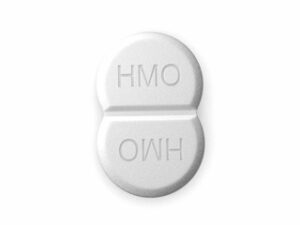

Verampil (Verapamil HCl) — Patient-Friendly Medicine Information (Australia)
Verampil contains verapamil hydrochloride (Verapamil HCl), a medicine used to treat certain heart rhythm and blood pressure conditions. This guide explains how Verampil works, how it’s commonly taken, what to watch for, and key interactions. It’s written to be easy to understand and suitable for online pharmacy readers in Australia.
Important: Always follow your prescriber’s instructions or the directions on your medicine label. If you’re unsure about dosing or timing, contact your pharmacist.
1) Basic product information
| Feature | Information |
|---|---|
| Medicine name | Verampil (Verapamil HCl) |
| Active ingredient | Verapamil hydrochloride |
| Medicine type | Calcium channel blocker (non-dihydropyridine) |
| Common uses | Some abnormal heart rhythms, angina (chest pain), and high blood pressure (depending on formulation) |
| Formulations (varies) | Immediate-release or modified-release/extended-release (availability depends on product) |
| Country notes | Regulated medicines in Australia; supply depends on brand and strength |
2) How Verampil works (mechanism of action)
Verapamil is a calcium channel blocker. It works by blocking calcium movement into heart and blood vessel muscle cells. This leads to:
- Slower electrical conduction through the heart (particularly through the AV node), which can help certain fast heart rhythms.
- Reduced heart workload by relaxing blood vessels and lowering blood pressure.
- Improved oxygen balance for the heart muscle, which may help prevent or reduce angina in some people.
3) Pharmacokinetics (how your body processes it)
“Pharmacokinetics” describes what happens to the medicine in the body—how it’s absorbed, distributed, metabolised, and eliminated. The exact profile can vary depending on whether you’re taking an immediate-release or modified-release version.
Absorption
- Verapamil is absorbed from the gastrointestinal tract after oral dosing.
- Modified-release products are designed to release the medicine more slowly, which can reduce the frequency of dosing.
Metabolism
- Verapamil is extensively metabolised in the liver, largely via CYP3A4 and related pathways.
- This is why certain medicines and foods that affect CYP3A4 can change verapamil levels.
Distribution and elimination
- Verapamil binds to blood proteins and distributes throughout the body.
- It is eliminated mainly through the liver and kidneys via metabolites.
If you have liver impairment or take interacting medications, your doctor may adjust your dose and monitor you more closely.
4) Typical indications (what it’s used for)
Verampil may be used for conditions where slowing heart rate/conduction and/or relaxing blood vessels is beneficial. Common clinical uses include:
- Angina (chest pain) — helps reduce frequency and severity in appropriate patients.
- Certain supraventricular arrhythmias — especially some rhythms where slowing AV nodal conduction helps control the rate.
- High blood pressure (hypertension) — depending on the formulation and clinical plan.
Not all heart rhythm conditions are suitable for verapamil. Your treatment is determined by the specific diagnosis, your heart’s conduction system, and your other medications.
5) Timing & how to take Verampil
General timing
- Many patients take Verampil at the same times each day to maintain stable blood levels.
- If you are on a modified-release product, do not crush or chew tablets/capsules unless instructed—this can change how the medicine releases.
With or without food
You can usually take verapamil with or without food. However, some people experience stomach discomfort with food, while others tolerate it better. If your label specifies otherwise, follow the label instructions.
Missed dose
- If you miss a dose, take it when you remember unless it’s close to the next dose.
- If it’s nearly time for the next dose, skip the missed dose—don’t double up.
- If you’re not sure what to do, contact your pharmacist.
If you’ve missed multiple doses, seek advice promptly because restarting may require adjustment depending on your condition.
6) Food interactions (including grapefruit)
Verapamil levels can be affected by certain foods, mainly due to changes in drug metabolism and gut absorption. The most well-known food interaction is:
- Grapefruit and grapefruit juice: may increase verapamil exposure and raise the risk of side effects in some people.
For other foods, the impact is usually less predictable. If you plan to make major dietary changes or regularly drink juices, discuss it with your pharmacist.
Practical tip
- Avoid or limit grapefruit products unless your healthcare professional has confirmed it’s safe for you.
7) Alcohol & medicine interactions
Alcohol
Alcohol can lower blood pressure and may worsen dizziness or light-headedness. With verapamil, this effect can be stronger—especially when you start treatment or increase the dose.
- Use caution with alcohol, particularly if you feel faint, dizzy, or unusually tired.
- Avoid binge drinking.
Medicine interactions (important)
Verapamil interacts with a number of medicines because it affects heart conduction and is metabolised by liver enzymes. Some interactions can be significant.
Examples of medicine interaction groups:
- Other heart medicines (especially those that slow heart rate or affect rhythm), such as certain beta-blockers or antiarrhythmics—may increase risk of slow heart rate (bradycardia) or heart block.
- Medicines that affect liver enzymes (CYP3A4 in particular), such as some antifungals, antibiotics (macrolides), and certain antivirals—can raise or lower verapamil levels.
- Digoxin—verapamil can increase digoxin levels, which may require monitoring and dose adjustment.
- Statins used for cholesterol—some statins have interaction potential; your doctor may choose a safer option or adjust dose.
- Other blood pressure medicines—may add to blood pressure-lowering effects, increasing risk of dizziness or fainting.
- Antiarrhythmics and conduction-altering medicines—may increase risk of abnormal heart rhythms or conduction disturbances.
This is not a complete list. Always tell your pharmacist about:
- all prescription medicines
- over-the-counter medicines
- herbal products (including St John’s wort)
- any supplements
If you start or stop another medicine, ask whether it could affect verapamil.
8) Dosing information (how doses are typically determined)
Dosing depends on the condition being treated, your age, heart rate, blood pressure, and other medicines. Verapamil is available in different strengths and release patterns. Your label will specify your exact dose.
Key points about dosing
- Start low and increase gradually when appropriate to reduce side effects such as low blood pressure or slow heart rate.
- Modified-release formulations may be taken once or twice daily depending on the specific product.
- Dose adjustments may be needed in liver impairment or with medicines that interact.
Typical dosing ranges (general information)
Because brand formulations and schedules vary, it’s best to rely on your product label. In general clinical practice, dosing may fall within common ranges for verapamil, but your clinician will select the dose that suits you.
| Condition (general) | How dosing is often approached |
|---|---|
| Arrhythmias | Often based on heart rate control goals; careful monitoring for slowed conduction is common. |
| Angina | Titrated to reduce symptom frequency while maintaining safe blood pressure and heart rate. |
| Hypertension | Adjusted according to blood pressure response and tolerability. |
Do not change your dose without medical advice. If you experience symptoms such as dizziness, fainting, unusual fatigue, or very slow pulse, seek advice promptly.
9) Safety profile (what to expect and what to watch for)
Common side effects
- Dizziness or light-headedness (especially when starting or increasing dose)
- Headache
- Swelling of ankles/feet (peripheral oedema)
- Constipation (a known effect of some calcium channel blockers)
- Nausea
- Fatigue
Serious side effects—seek urgent medical help if
- Fainting or severe dizziness
- Very slow heartbeat or palpitations with feeling unwell
- Symptoms of heart block (e.g., near-fainting)
- Shortness of breath or sudden worsening swelling
- Severe allergic reactions (rash, facial swelling, breathing difficulty)
Who should be extra cautious
- People with certain heart conduction problems (such as heart block) or significantly reduced heart function.
- People with low blood pressure or history of fainting.
- People with liver impairment.
- People taking multiple heart medicines or interacting medicines.
Your pharmacist can help screen for obvious interaction risks when you tell them all your current medicines.
10) Practical use tips (making treatment easier)
- Monitor how you feel when you first start or adjust dose. Dizziness can happen as your body adapts.
- Check your pulse if you have a history of slow heart rate or you’re taking other rate-slowing medicines. If you notice unusually slow heart rate or symptoms like faintness, contact your healthcare team.
- Manage constipation early: drink fluids, maintain fibre intake, and discuss suitable laxatives with your pharmacist if needed.
- Keep tablets in the original packaging and store at recommended temperatures away from moisture and heat.
- Don’t stop suddenly unless advised—heart rhythm and blood pressure control may worsen.
- Use a medication reminder (phone alarm, blister pack calendar) to reduce missed doses.
11) Alternative options (if Verampil isn’t suitable)
Alternatives depend on the specific condition being treated and your medical history. Options may include other calcium channel blockers, beta-blockers, or antiarrhythmic agents, as well as different blood pressure medicines.
Examples of medicine classes that may be used instead (your clinician will determine suitability):
- Other calcium channel blockers (dihydropyridines for blood pressure in some cases)
- Beta-blockers for certain heart rate and rhythm conditions
- Other antianginal medicines for chest pain
- ACE inhibitors/ARBs or diuretics for hypertension (depending on your profile)
If you’re considering alternatives due to side effects or interactions, discuss the best switch plan with your pharmacist or doctor. Switching may require gradual changes and monitoring.
12) Verampil in the Australian market & legal/regulatory context
Medicines containing verapamil are regulated in Australia under the Therapeutic Goods Administration (TGA). Verapamil products available in Australia are supplied through pharmacies and must meet requirements for quality, safety and performance.
- Supply and eligibility depend on the specific product, strength, and formulation.
- Pharmacies follow Australian quality and dispensing processes, including label instructions and interaction checks.
- Changes in formulation or supply may affect timing (e.g., immediate-release vs modified-release).
If you have questions about a particular brand, strength, or availability, your pharmacy can advise based on current supply conditions.
Recent guidance (how to stay informed)
Guidance around cardiovascular medicines can evolve as new evidence and safety updates are published. It’s recommended to:
- keep your pharmacist updated on all medicines you’re taking
- check the Consumer Medicine Information (CMI) that comes with your product
- follow any safety advice provided when you pick up a repeat supply
Your pharmacy may also be aware of any current updates relevant to verapamil products and can point you to the correct information sheet.
13) Delivery & availability (online pharmacy)
Availability of Verampil depends on the specific strength and formulation (including modified-release). Many online pharmacies in Australia offer home delivery where permitted by law and supply status.
What to expect when ordering online
- Product selection: confirm the exact strength and release type on the listing.
- Packaging: you’ll receive a sealed medicine supply with clear labelling.
- Timing: dispatch depends on stock on hand and delivery location.
- Substitution: pharmacies may not substitute brands without the appropriate checks/permissions.
If you have had issues with a specific brand (for example, different release profiles), note this with your pharmacy so they can help supply the correct item.
14) FAQ — Common questions about Verampil
Is Verampil the same as verapamil?
Yes. Verampil is a brand name that contains verapamil hydrochloride as the active ingredient. The exact formulation (immediate-release vs modified-release) can differ by product.
How quickly does it start working?
Some effects may be felt within hours for immediate-release products. Modified-release formulations are designed to provide steadier effects over time. Your label and product information explain when to expect onset for your specific version.
Should I avoid grapefruit?
It’s usually recommended to avoid or limit grapefruit and grapefruit juice because they may increase verapamil levels, raising the risk of side effects.
Can I drink alcohol while taking Verampil?
Alcohol may increase dizziness and lower blood pressure. Use caution, especially at the start of therapy or after dose changes. If you’re unsure, ask your pharmacist what’s appropriate for your situation.
What if I forget a dose?
Take it when you remember if it’s not close to the next dose. If it’s nearly time for the next dose, skip the missed dose—do not double up. Contact your pharmacist if you miss several doses or are uncertain.
Why do some people get constipation?
Verapamil can slow gut movement in some people, which may lead to constipation. Hydration, fibre, and discussing suitable constipation treatments with your pharmacist can help.
Can Verampil interact with my other medicines?
Yes. Verapamil can interact with medicines that affect heart rhythm/conduction and those that influence liver metabolism. Always tell your pharmacist about all medicines, including over-the-counter and herbal products.
Is it safe for everyone with heart problems?
Not necessarily. Verapamil may be unsuitable for some people with certain conduction disorders or significant heart function impairment. Your healthcare team will decide based on your diagnosis and tests.
How do I store Verampil?
Store at the temperature and conditions stated on the pack (typically away from heat and moisture). Keep out of reach of children.
What should I do if I feel dizzy or faint?
Stop what you’re doing and sit or lie down. Avoid driving if you feel unwell. Seek urgent medical help if symptoms are severe, you faint, or you have chest pain, shortness of breath, or a very slow heartbeat.
15) When to seek help (safety reminder)
Contact your pharmacist or healthcare professional if you experience bothersome side effects, persistent dizziness, constipation that isn’t improving, or new symptoms. Seek urgent care if you have signs of severe allergic reaction, fainting, severe shortness of breath, chest pain, or symptoms suggesting significant heart rhythm or conduction problems.
If you’d like, share your current list of medicines (including doses and whether they’re tablets, injections, or patches) with your pharmacist to help check for interaction risks.