
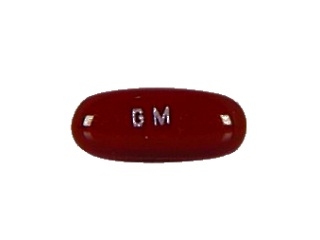


Lamprene (Clofazimine) — Patient Information (Australia)
Lamprene is a medicine containing clofazimine. It has an important role in the treatment of leprosy (Hansen’s disease) and is also used in certain other infections under specialist guidance. This page explains how Lamprene works, how it is usually taken, what to expect, and how to use it safely.
Always follow the advice given by your treating doctor. Information here is general and may not match every personal situation.
Quick facts
- Medicine name: Lamprene (clofazimine)
- What it’s used for: Primarily leprosy; sometimes other conditions as determined by specialists
- How it’s taken: Oral tablets, usually once daily (dose may vary by condition)
- Notable side effects: Skin dryness/discolouration, gastrointestinal symptoms, and changes in blood lipids
- Key practical point: Clofazimine can build up in the body and may affect skin and stool colour
Basic product information
| Feature | Information |
|---|---|
| Active ingredient | Clofazimine |
| Brand | Lamprene |
| Route | Oral (tablets) |
| Common use | Leprosy (often as part of combination therapy) |
| Typical dosing frequency | Usually once daily |
| Storage | Store below 25°C (unless label instructions differ); keep in original packaging |
How Lamprene works (mechanism of action)
Clofazimine is an antimicrobial medicine that targets bacteria responsible for leprosy (caused by Mycobacterium leprae). Its exact mechanism is complex, but key actions include:
- Disrupting bacterial energy processes and interfering with cellular function.
- Generating reactive species in the presence of oxygen to help inhibit growth.
- Accumulating in tissues (including infected sites), contributing to prolonged activity.
Because leprosy is typically treated with multiple medicines, Lamprene is often used alongside other agents to achieve better cure rates and reduce resistance.
Pharmacokinetics: what the body does with clofazimine
Pharmacokinetics describes absorption, distribution, metabolism, and elimination.
- Absorption: Clofazimine is absorbed orally, but absorption may vary with food and individual factors.
- Distribution: It is highly tissue-avid and can persist in the body for a long time. This contributes to long-lasting effects.
- Metabolism: It is metabolised in the liver to various metabolites.
- Elimination: Clearance is slow. Excretion occurs through bile and faeces to a significant extent.
- Onset: Because of slow accumulation and long half-life, benefits may not be immediate.
Practical implication: Skin changes and other effects may appear gradually and may take time to settle even after treatment stops.
Typical uses and indications
Primary indication: leprosy
Lamprene is used for the treatment of leprosy, often as part of combination therapy. Treatment choice and duration depend on the type of leprosy, disease severity, and specialist assessment.
Other possible uses
In some circumstances, clofazimine may be used for other infectious conditions when recommended by specialists. If your doctor has prescribed it for a particular diagnosis, ask how long therapy is expected and what monitoring you will need.
Important: Clofazimine is not used for all infections, and it should only be taken for the condition it was intended to treat.
When and how to take Lamprene
Timing
- Common schedule: Once daily, preferably at the same time each day.
- Evening vs morning: Many people find taking it at a consistent time helps with routine. Your doctor/pharmacist may suggest the best time for you.
How to take
- Swallow the tablets with water.
- Do not crush or chew unless your product instructions allow it.
- Continue the course for as long as advised, even if you feel better earlier.
Missed dose
- If you miss a dose, take it when you remember unless it is close to the next scheduled dose.
- Do not take a double dose to make up for the missed one.
- If you are unsure, contact your pharmacist for advice.
Food interactions and administration with meals
Clofazimine can be taken with or without food in many regimens; however, food may influence tolerability and absorption.
- If you experience nausea or stomach discomfort: taking Lamprene with a meal or after food may help.
- Avoid abrupt changes in your diet during treatment, especially if you notice stomach upset or changes in stool patterns.
Note on stool/colour changes: Clofazimine commonly causes orange/red-brown discolouration of the skin and body fluids (including tears). It may also darken stools. This can occur even with regular use and is usually not dangerous, but you should still report persistent or severe symptoms to your healthcare team.
Alcohol and medicine interactions
Alcohol
There is no universal rule that alcohol must be avoided with clofazimine, but alcohol may increase the risk of side effects such as stomach irritation and may affect liver function. Because clofazimine can be hard on the gastrointestinal tract in some people, a cautious approach is advised.
- Best practice: Limit alcohol while taking Lamprene.
- Talk to your clinician: If you plan to drink alcohol regularly or heavily.
Medication interactions
Clofazimine can interact with other medicines, particularly those affecting the gastrointestinal tract, liver metabolism, or heart rhythm. Tell your pharmacist/doctor about all medicines you take, including over-the-counter products, vitamins, herbal supplements, and occasional medicines.
Be especially cautious if you take medicines known to affect:
- Heart rhythm (some medicines can prolong the QT interval). Using clofazimine alongside QT-prolonging medicines may increase risk.
- Electrolytes (low potassium or magnesium can increase arrhythmia risk). This is particularly relevant with diarrhoea or certain diuretics.
- Blood chemistry and liver function.
- Gastrointestinal function (since clofazimine may cause abdominal symptoms).
If you are unsure whether your current medicines are compatible, your pharmacist can help check interaction risks.
Dosing: what’s typical
Individual dosing varies based on the condition being treated, disease type, treatment stage, weight, and local guidelines. Follow your prescribed regimen.
Below are common dosing patterns used in leprosy care, presented for educational purposes:
| Situation | Typical dosing approach (general) |
|---|---|
| Leprosy (as part of combination therapy) | Dose and duration vary by leprosy type and regimen (often once daily). Some schedules may include higher dosing early in treatment. |
| Long-term therapy | Maintenance dosing may continue for extended periods under specialist oversight. |
Do not adjust your dose without medical advice. If side effects occur, it may be appropriate to review the regimen rather than stop abruptly.
Safety profile: side effects and what to watch for
Like all medicines, clofazimine can cause side effects. Many people experience mild effects early on. Others may develop more significant symptoms and need review.
Common or expected effects
- Skin changes: dryness and reddish-brown or darkened skin discolouration
- Body fluid changes: discoloured tears/saliva and other fluids
- Stomach discomfort: nausea, abdominal pain, loss of appetite
- Diarrhoea or constipation in some people
Serious side effects — seek urgent medical help
Contact urgent care or seek immediate medical attention if you experience:
- Severe or persistent diarrhoea, dehydration, or blood in stool
- Severe abdominal pain or vomiting
- Signs of liver problems: yellowing of the skin/eyes (jaundice), dark urine, severe fatigue
- Allergic reaction: swelling of the face/lips, difficulty breathing, widespread rash
- Heart rhythm symptoms: dizziness, fainting, palpitations (especially if you have cardiac risk)
Monitoring that may be recommended
Your treating team may monitor aspects of your health during therapy, which can include:
- General clinical progress (skin and nerve symptoms in leprosy)
- Blood tests such as liver function tests and full blood count when appropriate
- Electrolytes if you experience diarrhoea, dehydration, or are on medicines that affect potassium/magnesium
- Heart rhythm assessment in selected individuals (e.g., those with cardiac history or interacting medicines)
Practical use tips (to help you feel better)
- Manage dry skin: Use moisturisers and gentle skin cleansers. Avoid harsh soaps. Skin discolouration is usually expected, but irritation can often be eased.
- Plan for colour changes: Clofazimine can stain clothing, bedding, and contact lenses in some cases. Consider using protective items and keeping towels separate if needed.
- Protect your eyes: Since tears may change colour, use care with contact lenses and report eye pain or vision changes promptly.
- Support your gut: If you get nausea, taking the tablet with food may help. Stay hydrated, especially if you develop diarrhoea.
- Adhere to the schedule: Because the medicine persists in the body, missing doses may still matter. Try setting a daily reminder.
- Keep an updated medicine list: Include over-the-counter and herbal products to reduce the risk of interactions.
What to expect during treatment
With leprosy treatment, improvements typically occur gradually. Skin lesions may take time to heal, and nerve symptoms can improve slowly or require supportive care for disability prevention.
Skin discolouration: Reddish-brown/orange-brown skin changes can occur and may persist for some time. This does not necessarily mean the medicine is not working.
If you notice worsening symptoms, new severe skin reactions, or significant digestive problems, contact your healthcare team promptly.
Alternative options
“Alternative” depends on the diagnosis and local treatment guidelines. For leprosy, combination regimens usually include different medicines tailored to leprosy type and stage.
Some alternatives (depending on clinical scenario) may include:
- Dapsone
- Rifampicin
- Other specialist-directed regimens
Your clinician will choose the most appropriate regimen based on factors such as disease severity, medication availability, tolerability, and monitoring requirements. If Lamprene isn’t suitable for you, discuss options rather than stopping the treatment on your own.
Lamprene in Australia: market and legal context
Medicine availability and supply can vary across Australia depending on whether the product is listed on the Australian Register of Therapeutic Goods (ARTG) and whether it is supplied through general commercial channels or via specialist pathways.
Online pharmacies in Australia must comply with Australian regulatory requirements for:
- Therapeutic Goods Administration (TGA) rules for medicines
- Authorised supply and correct labelling
- Consumer safety and storage standards
- Appropriate information about safe use
Important: Always ensure you receive genuine product with correct packaging and instructions. If you have questions about authenticity or supply, contact the pharmacy before ordering.
Recent guidance and safety updates (how to stay informed)
Clinical guidance for leprosy treatment is periodically reviewed by health authorities and infectious disease experts. Updates may relate to:
- Preferred combination regimens and durations
- Managing side effects (including gastrointestinal intolerance)
- Monitoring needs (e.g., cardiac risk in selected patients)
To make sure your treatment aligns with current recommendations, consider asking your healthcare provider or pharmacist whether your regimen follows the latest local guidance.
Delivery and availability (online pharmacy)
Availability of Lamprene may vary due to supply chain and stocking frequency. When ordering online, you should expect:
- Product verification: Genuine stock with pharmacy-appropriate dispensing processes.
- Clear packaging: Tablets supplied in sealed packaging with consumer information.
- Shipping considerations: Medicines should be delivered in a manner that protects them from excessive heat and moisture.
- Dispatch times: Delivery estimates depend on whether items are in stock locally or shipped from a distribution centre.
If the item is temporarily unavailable, your pharmacy may offer alternatives or notify you when restock occurs. Always check the product name and strength on the label when it arrives.
FAQ
1) Why does my skin change colour on Lamprene?
Clofazimine can cause reddish-brown to darkened skin discolouration and dryness. This is a known effect. If you develop severe rash, blistering, or painful skin, seek medical advice promptly.
2) Will my body fluids change colour?
Yes. Clofazimine may cause discolouration of tears and other body fluids. This can stain clothing and contact lenses. If you experience eye pain, redness, or vision changes, contact a clinician urgently.
3) Is it normal for my stool to become darker?
It can be. Clofazimine may darken stools. However, persistent diarrhoea, severe abdominal pain, or blood in stool should be assessed by a healthcare professional.
4) How long will it take to work?
Improvements—especially in leprosy—typically occur gradually. Because clofazimine persists in tissues, benefits build over time. Your healthcare team can explain what timeline is realistic for your condition.
5) Can I take Lamprene with food?
Often yes, and taking it with food may improve stomach comfort. Follow your dosing instructions on your dispensing label.
6) What should I do if I miss a dose?
Take it when you remember unless it is near the next dose. Do not take a double dose. If you are unsure, ask your pharmacist.
7) Can I drink alcohol while taking Lamprene?
It’s best to limit alcohol. Alcohol may worsen gastrointestinal symptoms and may affect liver function. If you drink regularly or have liver disease, discuss this with your clinician.
8) Are there any medicines I must avoid?
Some medicines can increase risks related to heart rhythm, liver function, or gastrointestinal side effects. Provide your pharmacist with a complete list of medicines and supplements so interactions can be checked.
9) What monitoring might be needed?
Monitoring varies. It may include liver function tests, blood counts, assessment of symptoms, and (in selected patients) heart rhythm evaluation—especially if you have cardiac risk or take interacting medicines.
10) Can I stop Lamprene if I feel better?
No—treatment duration is important, particularly for leprosy. If you want to stop or change the plan, speak with your healthcare provider first.
Disclaimer: This information is intended to support safe use and understanding of Lamprene. It does not replace personalised advice from a healthcare professional.