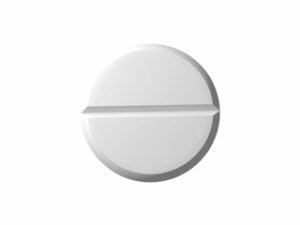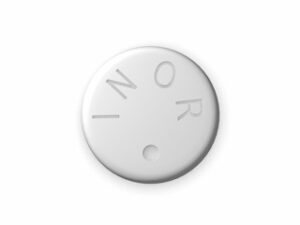


Clomid (Clomiphene) – Patient Information (Australia)
Clomid is a brand of clomiphene, a medicine commonly used to help certain people achieve ovulation. This page provides patient-friendly information about how Clomid works, typical use, timing, possible side effects, and practical tips. It also covers important interactions and considerations for Australia.
Important: Individual treatment plans differ. Always follow your healthcare professional’s advice and read the product information provided with your medicine.
1) Basic product information
| Category | Details |
|---|---|
| Generic name | Clomiphene (often “clomiphene citrate”) |
| Brand | Clomid |
| Medicine type | Ovulation induction medicine (Selective Estrogen Receptor Modulator – SERM) |
| Common form | Oral tablets |
| Typical schedule | Often taken for 5 days early in the menstrual cycle, with cycle-by-cycle monitoring |
| Primary goal | To stimulate ovulation in people with anovulation or irregular ovulation |
2) How Clomid works (mechanism of action)
Clomiphene is a Selective Estrogen Receptor Modulator (SERM). In the brain (especially the hypothalamus and pituitary), it blocks estrogen’s normal feedback signals. This can lead to increased release of:
- GnRH (from the hypothalamus)
- FSH and LH (from the pituitary)
Increased FSH helps stimulate the growth of ovarian follicles. When a follicle reaches the appropriate size and maturity, the LH surge triggers ovulation (the release of an egg).
Not every person responds to Clomid, and response varies by the underlying cause of infertility or irregular ovulation.
3) Pharmacokinetics (how the body handles Clomid)
Pharmacokinetics describes absorption, distribution, metabolism, and elimination. While exact values can vary between individuals, key features include:
- Absorption: Clomiphene is taken by mouth and is absorbed after ingestion.
- Distribution: It distributes throughout the body, including reproductive tissues and the brain.
- Metabolism: Clomiphene is metabolised mainly in the liver.
- Elimination: It is eliminated more slowly than many medicines, which means its effects may persist between cycles.
Because of its long-lasting nature, clinicians often reassess response after a cycle and limit repeated courses to reduce risks. If you have liver disease or take other medicines that affect liver enzymes, discuss this with a healthcare professional.
4) Typical use and treatment goals
Clomid is used to help induce ovulation in people who are not ovulating regularly. It is most commonly used in cases such as:
- Ovulatory dysfunction (irregular or absent ovulation)
- Polycystic ovary syndrome (PCOS) (when appropriate)
- Other situations where a clinician judges ovulation induction to be suitable
The goal is usually to achieve ovulation and a timed fertile window, while minimising side effects such as ovarian cysts and the risk of multiple pregnancy.
5) Timing: when to take Clomid
Clomid is typically started in the early part of the menstrual cycle. A common approach is:
- Start tablets on a specified cycle day (often cycle day 2, 3, 4, or 5 depending on the protocol).
- Take it for a short course (often 5 consecutive days).
- Monitor for ovulation using symptoms, home ovulation tests, ultrasound, or blood tests if advised.
Many people ovulate about 5 to 10 days after the final tablet, but timing can vary. Your healthcare professional may recommend intercourse timing or assisted techniques based on monitoring results.
Cycle monitoring matters: Response guides whether the next cycle uses the same dose, a different dose, or a pause.
6) Indications (when Clomid may be used)
In fertility care, Clomid is used to induce ovulation in appropriate candidates. Conditions that may lead to its use include:
- Anovulation (no ovulation)
- Oligo-ovulation (infrequent ovulation)
- PCOS-related ovulatory dysfunction
- Other ovulatory disorders assessed by a clinician
It is not a treatment for all causes of infertility. If there are issues such as tubal blockage, severe male factor infertility, or other complex reproductive conditions, your clinician may discuss alternative approaches.
7) Dosing: how Clomid is commonly prescribed
Dosing depends on your medical history, response to previous cycles, and the presence of risk factors. The information below outlines common patterns; your exact regimen should follow a clinician’s plan.
Common course structure
- Duration: often 5 days per cycle
- Start day: early menstrual cycle (day numbering depends on the protocol)
Typical dose ranges (example)
Many treatment plans begin at a lower starting dose and may increase if ovulation does not occur, up to a maximum recommended by clinical guidance for safety.
| Step | What often happens | What to watch for |
|---|---|---|
| Cycle 1 | Start with an initial dose for 5 days | Signs of ovulation; assessment by blood tests/ultrasound if advised |
| Cycle 2 and beyond | If no ovulation, dose may be adjusted according to response | Ovarian response (follicle growth), cysts, side effects |
| Ongoing treatment | Clinicians typically limit the number of cycles to reduce risks | Visual changes, symptoms of ovarian enlargement or pain |
Do not change the dose or the number of cycles without professional guidance. Clomid’s long-lasting effects and the risk of multiple follicle development mean careful monitoring is important.
Missed dose
If you miss a tablet, contact your healthcare professional for advice. Avoid doubling up unless instructed.
8) Food and Clomid
Clomiphene can generally be taken with or without food. Many people find it easier to tolerate with a meal if it causes nausea. However, what matters most is consistency—take it the way your clinician or pharmacist advises.
- Nausea prevention: Taking with food may reduce stomach upset for some.
- Grapefruit: Check with a pharmacist. Some medicines may interact with compounds in grapefruit; it’s best to confirm for your situation.
- Timing: Try to take your dose at the same time each day during the course.
If you develop significant gastrointestinal symptoms or are unable to keep tablets down, speak with a healthcare professional.
9) Alcohol and medicine interactions
There is no single universal rule for all patients, but alcohol can affect hormone balance, liver metabolism, sleep, and nausea. For fertility treatments and medicines metabolised in the liver, it is generally sensible to keep alcohol intake low.
Alcohol
- Moderation is advised. If you choose to drink, consider limiting intake and avoid binge drinking.
- Watch for side effects: If you notice dizziness, headaches, nausea, or mood changes, avoid alcohol and seek advice.
Other medicines
Clomiphene metabolism involves liver pathways. Some medicines may alter these pathways, potentially changing Clomid levels. Tell your pharmacist or healthcare professional about all medicines you take, including:
- Prescription medicines
- Over-the-counter medicines
- Herbal products and supplements
- Hormonal medicines (for example, some contraception or hormone therapies)
Hormonal contraception: Fertility treatment typically requires that contraception decisions are discussed carefully. Do not assume that taking Clomid makes pregnancy prevention unnecessary; confirm plans with your clinician.
Important: This information is general. Your pharmacist can check interactions for your specific medicine list and health conditions.
10) Safety profile and possible side effects
Like all medicines, Clomid may cause side effects. Not everyone experiences them, and severity can vary. Many side effects are related to hormone changes and ovarian stimulation.
Common side effects
- Headache
- Nausea
- Hot flushes
- Breast tenderness
- Abdominal discomfort or bloating
- Mood changes
- Vaginal spotting or cycle changes
Eye/vision effects (seek urgent advice if severe)
Some people report visual symptoms (for example, blurred vision or flashes). If you experience any significant or persistent visual changes, contact a healthcare professional promptly. Stop the medicine and seek urgent assessment if advised in your product information.
Ovarian effects and multiple pregnancy risk
Clomid can stimulate more than one follicle in some cycles. This can increase the chance of:
- Multiple pregnancy (for example twins)
- Ovarian cysts or ovarian enlargement
Your clinician may monitor follicle development and may adjust dosing or delay further courses based on ultrasound or blood test results.
Serious risks (uncommon, but important)
- Severe abdominal pain with swelling (possible ovarian complications)
- Breathlessness or sudden symptoms (seek urgent medical care)
- Allergic reactions such as rash, swelling, or breathing difficulties (seek emergency care)
If you’re experiencing severe or worsening symptoms, do not wait for the next appointment—seek medical help.
11) Practical use tips for patients
These tips may help you get the most from treatment while reducing avoidable complications. Your clinician’s plan always comes first.
- Know your cycle day: Start your course on the correct day as directed.
- Take at the same time daily: Consistency can help you avoid missed doses.
- Track symptoms: Note headaches, nausea, hot flushes, breast tenderness, and any vision changes.
- Plan intercourse timing: Many plans include intercourse around expected ovulation or during a fertile window.
- Use monitoring tools if recommended: Home ovulation tests and/or clinic ultrasound can guide timing.
- Avoid extra hormone products unless advised: Don’t start herbal hormone products without checking first.
- Keep a record of prior cycles: Dose, timing, and response help determine the next steps.
When to contact a healthcare professional
- Severe or increasing abdominal pain
- Rapid weight gain with abdominal swelling
- Significant visual changes
- Symptoms of allergic reaction (hives, swelling, trouble breathing)
- Unexpected heavy bleeding
12) Alternative options to discuss
If Clomid is not suitable or not effective, there are other options that your healthcare professional may discuss depending on the cause of infertility and your health profile.
Possible alternatives
- Letrozole: Often considered for ovulation induction in some fertility guidelines.
- Gonadotrophins (injectable fertility medicines): May be used when oral options are unsuitable or ineffective.
- Lifestyle and metabolic support (especially in PCOS): Weight management, exercise, and addressing insulin resistance can improve ovulation.
- Assisted reproductive technologies (e.g., IVF) for certain causes of infertility.
- Addressing underlying causes: Thyroid disorders, prolactin abnormalities, or other hormone issues may need targeted treatment.
Your clinician can help you weigh benefits and risks, including the chance of multiple pregnancy and the likelihood of response.
13) Clomid availability and market/legal context in Australia
In Australia, medicines are regulated under the Australian regulatory framework. Access to fertility medicines typically involves coordination with healthcare providers. Supply can vary by brand and formulation.
Online pharmacies serving Australia must follow applicable rules for medicines distribution and customer safety checks. Product availability, generic substitutions, and packaging may differ depending on supplier and supply chain.
Always ensure you receive a product that is intended for the Australian market and supplied through legitimate channels.
Recent guidance and clinical practice trends
Clinical practice in ovulation induction has evolved over time. Many fertility services compare different first-line options and tailor monitoring based on patient risk factors. In general, current trends emphasise:
- Careful patient selection (e.g., identifying the likely cause of anovulation)
- Monitoring to reduce complications (including ovarian hyperstimulation risk, cysts, and multiple pregnancy)
- Using the lowest effective dose and limiting number of cycles where appropriate
- Individualising next steps when response is inadequate
Because guidance can change, it’s wise to discuss your plan with a clinician familiar with current Australian fertility recommendations.
14) Delivery and availability (online pharmacy information)
Availability of Clomid (clomiphene) may vary. If you’re ordering online, your pharmacy may confirm suitability and may request information to ensure safe use.
What to expect when ordering
- Product confirmation: Brand and strength (tablet size) should match your treatment plan.
- Packaging: Look for the manufacturer’s details and Australian product labelling.
- Delivery: Delivery times depend on your location and stock availability.
- Storage: Store tablets as directed on the pack (typically at controlled room temperature, away from moisture and heat).
If you have questions about product availability, strengths, or delivery timelines, contact the pharmacy team before placing an order.
15) Frequently asked questions
How long does Clomid take to work?
Many people ovulate within 5 to 10 days after the last tablet, but the timing can vary. Some clinicians also use blood tests or ultrasound to confirm ovulation and guide intercourse timing.
Will Clomid guarantee pregnancy?
No. Clomid can help induce ovulation, but pregnancy depends on many factors, including sperm quality, fallopian tube function, embryo implantation, and overall reproductive health.
What if I do not ovulate on Clomid?
Not ovulating can happen. Your healthcare professional may adjust the dose in a subsequent cycle, recommend monitoring, or discuss alternative options if response is consistently inadequate.
Can Clomid cause twins?
Yes. Because Clomid may stimulate more than one follicle, there is an increased chance of multiple pregnancy compared with natural conception—though the exact risk varies by individual response.
Can I take Clomid with food?
Often yes. If you experience nausea, taking with food may help. Follow the instructions from your pharmacist and product packaging.
Is it safe to drink alcohol while using Clomid?
Moderate intake is generally the sensible approach, but alcohol can worsen nausea and may affect liver metabolism. For personalised advice, discuss your alcohol intake with a healthcare professional.
What medicines should I tell my pharmacist about?
Tell them about all medicines and supplements you use, including hormonal products, pain relief medicines, antibiotics, herbal supplements, and any products that may affect the liver.
What side effects are most concerning?
Severe abdominal pain, significant visual changes, allergic symptoms, or rapidly worsening symptoms require prompt medical attention. For any urgent symptoms, seek immediate help.
How many cycles can I use?
Treatment is usually limited and individualised. Clinicians commonly reassess after each cycle and may recommend stopping after a certain number of attempts depending on response and safety considerations.
Can I stop Clomid early?
Do not stop or change dosing without medical advice. Stopping suddenly may disrupt the cycle plan and monitoring strategy.
Does Clomid affect contraception?
Clomid is used to induce ovulation, which increases the chance of pregnancy. Discuss contraception and pregnancy planning with your clinician.
Summary
Clomid (clomiphene) is a medicine used to help stimulate ovulation in people with ovulatory dysfunction. It works by interfering with estrogen feedback in the brain, encouraging the pituitary to release hormones that promote follicle growth and ovulation. With careful timing, monitoring, and attention to side effects and interactions, Clomid can be an important option in fertility care.
If you have questions about suitability, dosing schedule, interactions, or monitoring, speak with your healthcare professional or pharmacist.