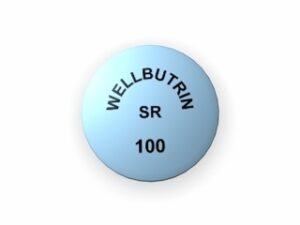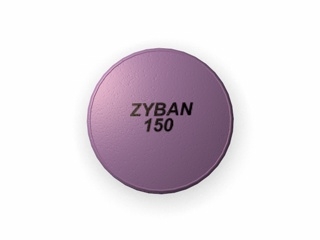
Zyban (Bupropion) – Patient Guide (Australia)
Zyban is a prescription medicine containing bupropion, used to help people stop smoking. It can reduce nicotine cravings and withdrawal symptoms, making it easier to quit. This guide explains how Zyban works, how it is used, what to expect, and important safety information for adults in Australia.
Note: Medicines affect people differently. Always follow the instructions provided by your healthcare professional and read the consumer medicines information supplied with your medicine.
Quick product overview
| Feature | Information |
|---|---|
| Brand name | Zyban |
| Active ingredient | Bupropion (extended-release) |
| Common purpose | Smoking cessation support |
| How it’s taken | Oral tablets, usually once in the morning and once later in the day (typical regimen varies) |
| Typical course length | Often 7–12 weeks for quitting; may continue as advised |
| Time to benefit | Cravings/withdrawal may improve within the first days to weeks; full effect builds over time |
How Zyban works (mechanism of action)
Nicotine dependence is influenced by brain pathways involving dopamine, norepinephrine, and related signalling. Bupropion helps support smoking cessation mainly by affecting these neurotransmitters. While it is not a nicotine replacement, it can:
- Reduce withdrawal symptoms such as irritability, restlessness, and difficulty concentrating.
- Lower cravings for cigarettes.
- Improve mood and focus for some people during quit attempts.
Bupropion also has a norepinephrine and dopamine reuptake inhibition effect (and other actions). This helps “buffer” the brain’s changes that occur when nicotine intake stops.
Pharmacokinetics: how the body handles bupropion
“Pharmacokinetics” describes what happens to a medicine in the body—how it is absorbed, processed, and eliminated. Understanding this can help explain dosing timing and side effects.
- Absorption: Zyban tablets are formulated as extended-release, designed to release bupropion gradually.
- Distribution: Bupropion and its metabolites distribute throughout the body.
- Metabolism: Bupropion is metabolised mainly by the liver (involving enzymes such as CYP2B6).
- Active metabolites: The main metabolite is hydroxybupropion, which can further convert into other compounds. Metabolite levels contribute to overall effect.
- Elimination: Excretion occurs via kidneys, and some elimination of metabolites occurs over time.
Because bupropion and its metabolites persist for a while, side effects and interactions may also last longer than expected if doses are missed or additional medicines are started.
What Zyban is used for (indications)
In Australia, Zyban is used to help adults stop smoking when combined with a supportive quit plan. It is intended for people who want to quit and who can commit to setting a quit date and following the regimen.
- Primary indication: Smoking cessation support.
- Best results: Often occur when Zyban is used alongside counselling, a quit strategy, and behaviour change support.
Who should consider Zyban?
Zyban may be appropriate for some adults who:
- Smoke cigarettes (and want to stop).
- Have tried quitting before and want additional support.
- Prefer a non-nicotine approach to reduce cravings and withdrawal symptoms.
It may not be suitable for everyone—particularly if there are risk factors for seizures or certain medical conditions. Your clinician can help determine suitability.
Dosing and timing (typical regimen)
The exact dose can vary depending on individual factors, tolerability, and clinical judgement. The information below provides typical guidance commonly used for Zyban smoking cessation.
Starting phase
- Days 1–6 (or initial period): Usually a lower dose is taken to help the body adjust.
Target dose phase
- From day 7 onward: The dose is typically increased to the standard target regimen.
How to take it
- Swallow the tablets whole; do not crush or chew.
- Take doses at consistent times each day.
- If Zyban is prescribed twice daily, the second dose is generally taken in the afternoon/evening earlier than bedtime to reduce the chance of insomnia.
Quit date planning
Many people are advised to begin Zyban and set a quit date early in the course—often within the first one to two weeks. This allows time for the medicine to reach effective levels and for you to plan behavioural changes.
Practical tip: Choose a quit date you can realistically achieve and arrange support (friends, family, quitline counselling, workplace strategies) before that date.
How long to use Zyban
Quit attempts typically involve using Zyban for around 7–12 weeks. Some people may be advised to continue for longer depending on relapse risk and response.
- Early weeks: Focus on managing cravings, triggers, and withdrawal.
- After quitting: Build new routines to reduce relapse risk.
- Stopping Zyban: Usually done after the planned course, guided by your healthcare professional.
Food interactions and taking with meals
Food effects can vary between medicines. For Zyban, many people tolerate it better when taken with or soon after food, but specific instructions may differ by product and individual factors.
- Generally: Take tablets consistently as directed (with food if it helps reduce nausea).
- Try not to change the routine: Consistency can help reduce stomach discomfort and improve adherence.
- Extended-release tablets: Avoid practices that might alter release (e.g., crushing).
If you experience stomach upset, your clinician or pharmacist may suggest strategies such as taking with a meal.
Alcohol and medicine interactions
Alcohol
Combining alcohol with bupropion may increase the risk of side effects and can be risky for certain individuals. Alcohol can also increase the chance of seizures in susceptible people and may worsen dizziness, sleep disturbance, and anxiety.
- Avoid heavy drinking while taking Zyban.
- If you already drink regularly, discuss a safe approach with your healthcare professional before quitting smoking (and before stopping or reducing alcohol).
- Seek urgent advice if you experience severe dizziness, fainting, severe agitation, or confusion.
Other medicines (general interaction principles)
Bupropion can interact with other medicines by affecting metabolism, raising certain drug levels, or combining side effects. Some interactions are especially important because they can increase the risk of seizures or other serious adverse effects.
- Medicines that also lower seizure threshold (risk may increase with certain antidepressants, antipsychotics, some antibiotics, or other agents).
- Medicines affecting liver enzymes can alter bupropion levels. Examples include some treatments that influence CYP2B6.
- Stimulants and other nicotine withdrawal aids may change side effect profiles.
- Other antidepressant or mood medicines should be discussed carefully.
Always provide your pharmacist with a full list of your medicines and supplements (including herbal products). This includes medicines “as needed” such as sleeping tablets, pain medicines, and any stop-smoking products.
Safety profile: common and serious side effects
As with all medicines, Zyban can cause side effects. Many are mild and temporary, while a small number can be serious. The most critical safety considerations involve seizure risk and certain mental health effects.
Common side effects
- Dry mouth
- Insomnia or difficulty sleeping
- Headache
- Nausea or stomach upset
- Dizziness
- Constipation or appetite changes
- Tremor or restlessness
Serious side effects (seek urgent medical help)
- Seizure (convulsions, loss of consciousness, or sudden uncontrolled movements).
- Allergic reactions such as swelling of the face/lips, trouble breathing, or widespread rash with fever.
- Severe mood changes including agitation, unusual behaviour, or thoughts of self-harm.
- Symptoms of severe infection or liver problems (for example, yellowing of skin/eyes, dark urine, severe abdominal pain).
If you notice symptoms suggesting an emergency, contact local emergency services or seek urgent care.
Who should avoid Zyban or use extra caution?
Certain conditions increase risk and require careful assessment. Common reasons a clinician may choose not to prescribe bupropion include:
- History of seizures or risk factors for seizures
- Eating disorders (such as bulimia or anorexia)
- Current heavy alcohol use or alcohol withdrawal risk
- Significant head injury or other factors that may lower the seizure threshold
- Use of interacting medicines that increase seizure risk
- Severe liver impairment (may require dose adjustments or alternative treatment)
This list is not exhaustive. Your clinician will consider your medical history, current medicines, and past reactions.
Practical use tips for quitting smoking
Zyban works best when paired with a realistic quit plan. Consider these practical strategies:
- Set your quit date and put supports in place before it arrives.
- Identify triggers: Common triggers include morning coffee, alcohol, stressful moments, driving, or social situations.
- Plan replacements: For example, switch to chewing sugar-free gum, drink water, use a stress ball, or take short walks.
- Manage cravings: Cravings typically rise and fall; using distraction and breathing techniques can help you ride them out.
- Reduce cues: Remove cigarettes, lighters, ashtrays, and smell reminders from your environment.
- Expect “slips”: A slip is not the same as failure. If it happens, use it as feedback to adjust your plan.
- Sleep support: If insomnia occurs, avoid late-day stimulants and follow dosing timing as advised.
Consider combining medication with behavioural support such as:
- Quitline or smoking cessation counselling (available nationally in Australia)
- Group programs or digital support tools
- Family/friend check-ins
Alternative options to Zyban
If Zyban is not suitable, or if it doesn’t work for you, there are other evidence-based smoking cessation options available in Australia:
Nicotine replacement therapy (NRT)
- Nicotine patches (steady nicotine levels)
- Nicotine gum or lozenges (for breakthrough cravings)
- Combination NRT (patch + gum/lozenges) may be more effective for some people
Other prescription options
- Certain medicines may be used to support cessation, depending on suitability and local guidance.
Behavioural strategies
- Structured quit counselling
- Self-monitoring and trigger planning
- Relapse prevention planning (how to respond if cravings return)
Discuss options with your healthcare professional to choose the safest and most effective approach for you.
Market and legal context in Australia (overview)
In Australia, medicines are regulated under the Australian Government’s framework. Many smoking-cessation medications are available through pharmacies and may require prescription depending on the product and formulation.
- Regulated supply: Medicines must be supplied in accordance with Australian rules for classification and dispensing.
- Pharmacy support: Pharmacists can review your medication history, advise on safe use, and help manage side effects.
- Consumer medicine information: Always review the leaflet included with your medicine for product-specific details.
Current guidance and availability can change. Always check the most recent product information and consult a healthcare professional for personalised advice.
Recent guidance and safety updates (general note)
Smoking cessation guidelines commonly emphasise:
- Combining medication with support (behavioural counselling improves success rates).
- Individual risk assessment before selecting therapy—especially for seizure risk, psychiatric history, and medication interactions.
- Close monitoring early in treatment for tolerability and mood changes.
If you have had recent changes in your health, medicines, or alcohol intake, tell your clinician before continuing Zyban.
Delivery and availability in Australia
Zyban availability may vary by pharmacy and supply chain, but many pharmacies can source medicines and arrange home delivery where permitted.
- Dispensing checks: Your pharmacy may confirm your details and medication history before supply.
- Stock confirmation: Delivery times can depend on local stock and courier schedules.
- Package handling: Keep tablets in the original container, store as directed on the label, and protect from moisture.
For home delivery, ensure you provide a delivery address where someone can receive the parcel, and follow any instructions provided at checkout.
Practical safety checklist (before you start and as you go)
- Tell your pharmacist/clinician if you have a history of seizures or eating disorders.
- Share your full list of medicines and supplements (including herbal products).
- Be honest about alcohol intake and any recent change in drinking patterns.
- Discuss insomnia risk and dosing timing if you have sleep difficulties.
- Stop and seek urgent help for severe allergic reactions, seizures, or significant mood changes.
FAQ – Zyban (Bupropion)
1) How soon will Zyban help with cravings?
Many people notice some reduction in cravings or withdrawal symptoms within the first days to weeks. The medicine also supports your quit plan as you approach and pass your quit date. Consistency with dosing is important.
2) Can I take Zyban with food?
Many people find it easier on the stomach when taken with food. Take it exactly as directed on the product label and by your healthcare professional. If you experience nausea, ask your pharmacist about practical ways to improve tolerance.
3) What if I miss a dose?
If you miss a dose, take it when you remember only if it is close to the next scheduled dose. If it’s near the next dose, skip the missed one—do not take double doses. If you are unsure, ask your pharmacist for advice tailored to your regimen.
4) Will Zyban work if I don’t fully stop on day one?
The goal is to stop smoking by your agreed quit date and then maintain abstinence. If you slip, it does not automatically mean failure. Use the slip to adjust your plan and continue the course with support.
5) Can I use other quit aids with Zyban?
Sometimes combination approaches are possible, but it depends on your medical situation and the specific products. Discuss any nicotine replacement products, vaping-related nicotine products, or other medicines with your healthcare professional or pharmacist to ensure safe use.
6) Is it safe to drink alcohol while taking Zyban?
Alcohol may increase the risk of side effects and can raise seizure risk in susceptible people. Avoid heavy drinking and speak to your healthcare professional about a safe plan for alcohol use during treatment.
7) What side effects are most common?
Common effects include dry mouth, headache, insomnia, nausea, and dizziness. These often improve over time. Persistent or severe side effects should be discussed with your pharmacist or clinician.
8) Who should seek urgent medical help?
Seek urgent help for symptoms such as seizures, severe allergic reactions (swelling, breathing difficulty), or marked changes in mood or behaviour—especially agitation or thoughts of self-harm.
9) Can Zyban be used for people with anxiety or depression?
Zyban may have effects on mood and neurotransmitters, but suitability depends on individual history and current medicines. If you have mental health conditions or take psychiatric medications, tell your clinician so they can assess risks and interactions.
10) Are there alternatives if Zyban doesn’t suit me?
Yes. Alternatives include nicotine replacement therapy (patches, gum, lozenges), behavioural counselling, and other smoking cessation medicines depending on eligibility. Your healthcare professional can help choose the safest option for you.
When to talk to your pharmacist
Contact your pharmacist or healthcare professional if you have questions about:
- Medication interactions (including cold/flu products, antidepressants, sleeping tablets, and herbal supplements)
- Sleep problems or troublesome nausea
- Mood changes or feeling “unwell” in an unusual way
- Whether you should switch quit strategies (e.g., adding nicotine replacement)
If you’d like, share what time of day you plan to take your tablets and any other medications you’re currently using. This can help identify practical timing tips to improve tolerability and support a successful quit attempt.