
Valparin® (Valproic Acid / Valproate) – Patient Guide (Australia)
Valparin® is a medicine containing valproic acid (also known as valproate/valproate sodium depending on the specific brand and formulation). It is used to help control certain types of seizures and, in some cases, to treat other conditions as advised by a clinician. This guide explains how Valparin works, how it is taken, key safety information, and what to expect in everyday use.
Note: Always follow the dosing instructions provided by your healthcare professional and the product label.
1) Basic product information
- Active ingredient: Valproic acid (valproate)
- Brand name: Valparin® (various formulations may exist)
- Medicine type: Antiepileptic (anti-seizure) and mood-stabilising medicine (for certain indications)
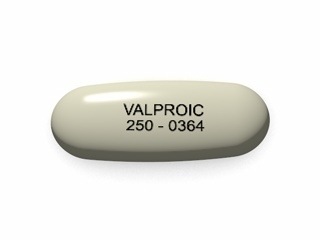
- Common forms: Tablets/capsules and other formulations designed for daily dosing (your specific product may differ)
- Availability in Australia: Prescription medicine (availability and form depend on local supply)
If you are unsure which exact formulation you have (e.g., different release types), check the label or ask your pharmacist.
2) How Valparin works (mechanism of action)
Valproic acid helps stabilise electrical activity in the brain. While the full mechanism is complex, it generally involves:
- Increasing GABA activity: Valproate may raise the effect of gamma-aminobutyric acid (GABA), a natural calming chemical in the brain. GABA reduces over-activity that can lead to seizures.
- Modulating sodium channels: It can influence neuronal sodium channels, helping reduce abnormal firing of brain cells.
- Other neurotransmitter effects: It also affects signalling pathways that contribute to seizure control and, in some settings, mood stabilisation.
For many people, regular dosing helps maintain a steady level of medicine in the body, improving seizure control over time.
3) Pharmacokinetics (how the body processes it)
Pharmacokinetics describes absorption, distribution, metabolism, and elimination.
| Step | What usually happens with valproate |
|---|---|
| Absorption | Valproate is absorbed after swallowing. The speed and extent can vary by formulation (e.g., delayed/extended release forms). |
| Distribution | It distributes throughout the body and can cross into the brain. It is highly protein-bound, especially at lower concentrations; protein binding can be affected by other medicines and medical conditions. |
| Metabolism | Primarily metabolised in the liver. Metabolism pathways may be affected by age, liver health, and interacting medicines. |
| Elimination | Metabolites are mainly excreted by the kidneys. Clearance can vary between individuals. |
| Half-life (general) | Often several hours, but can vary. Formulation and patient factors influence the exact profile. |
Because valproate levels can be influenced by formulation, interactions, and liver function, clinicians may monitor blood levels and perform blood tests where appropriate.
4) Typical uses in Australia
Valparin/valproic acid is commonly used for:
- Epilepsy: Control of certain seizure types (including some forms of generalised seizures and other syndromes, as determined by the treating clinician).
- Mood disorders: Sometimes used for bipolar affective disorder (as directed for suitable patients).
- Other neurological indications: Depending on the formulation and clinical judgement, it may be used for additional conditions.
Indications vary based on local product information and individual patient assessment. Your pharmacist can help explain how your specific dosing aligns with your treatment plan.
5) When and how to take Valparin
Timing matters. Valproate is usually taken once or twice daily depending on the formulation and your personal regimen.
Common timing tips
- Take at the same times each day to keep levels steadier.
- If your dose is twice daily, aim for roughly 12 hours apart.
- Use a daily reminder (phone alarm, calendar, blister pack) to reduce missed doses.
How to take it
- Swallow whole with water unless your specific brand instructions say otherwise.
- Do not change your dose or stop suddenly without medical advice—this can increase seizure risk.
- If you miss a dose, take it when you remember unless it’s close to your next dose. If close, skip the missed dose—do not double.
Always follow the missed-dose guidance on your medicine label or the instructions your pharmacist provides.
6) Food interactions and taking with meals
Valproate can generally be taken with or without food. Taking it with food may help reduce side effects such as nausea or stomach upset in some people.
- With meals: Often better tolerated.
- On an empty stomach: May still be acceptable, but if you experience stomach discomfort, consider taking with food.
- Consistency: Try to take it the same way each day (with or without food) to help predictable absorption.
7) Alcohol and medicine interactions
Alcohol
It is generally recommended to avoid alcohol or keep it to a minimum, because alcohol can:
- Increase the risk of side effects such as dizziness, drowsiness, and impaired coordination.
- Possibly worsen liver stress, especially with long-term use.
If you drink alcohol, discuss with your healthcare professional what is safe for you.
Common medicine interactions (examples)
Valproate can interact with many medicines. Tell your pharmacist about all current medicines, including:
- Prescription and over-the-counter medicines
- Herbal products (e.g., St John’s wort)
- Supplements
Some interactions that may be clinically important include:
- Other anti-seizure medicines: Several can affect valproate levels or increase side-effect risk (and valproate can affect their levels).
- Liver-metabolised medicines: Because valproate is processed by the liver, other medicines that affect liver enzymes may alter levels.
- Blood-thinning medicines (e.g., warfarin): Interactions may affect bleeding risk or medicine levels.
- Sedatives or medicines that cause drowsiness: Combining with valproate may increase sedation and impaired coordination.
- Aspirin at higher doses: Can influence free valproate levels in some situations.
Do not start or stop any medicine without checking for interactions.
8) Indications (who Valparin is for)
Valparin is indicated for conditions as determined by Australian product information and clinical assessment. In practice, it is used for:
- Seizure disorders (epilepsy): Particularly for certain seizure types or syndromes.
- Bipolar affective disorder: In some patients as a mood stabiliser.
Because valproate has important safety considerations—especially relating to liver health and pregnancy—your treatment plan should be carefully matched to your individual circumstances.
9) Dosing overview (how dose is determined)
Dose must be individualised. Factors include age, seizure type, severity, previous medicines, liver function, and how you respond to treatment.
Important dosing principles
- Start low and increase gradually in many patients to improve tolerability.
- Formulation matters: Different release types have different dosing schedules.
- Blood tests may be used: Clinicians may measure valproate levels and monitor liver function and blood counts, particularly early in treatment or if symptoms develop.
Typical approach (general information)
While exact doses vary, many regimens follow a stepwise titration plan. Your label and prescriber’s instructions are the best source for your specific dose.
- Adults: Doses are tailored based on clinical response and tolerability.
- Children and adolescents: Doses are usually weight-based and carefully monitored.
Never change your dose on your own. If side effects occur or seizures persist, discuss adjustments rather than stopping abruptly.
10) Safety profile (what to watch for)
Like all medicines, valproate can cause side effects. Some effects require prompt medical attention.
Common side effects
- Nausea, vomiting, indigestion
- Dizziness, drowsiness, tiredness
- Tremor
- Changes in appetite and weight
- Headache
- Hair thinning (in some people)
- Changes in mood or behaviour
Serious risks (seek urgent medical advice)
Contact a healthcare professional urgently (or seek emergency care) if you notice symptoms that could indicate serious complications:
- Signs of liver problems: unusual fatigue, weakness, loss of appetite, vomiting, abdominal pain (especially right upper abdomen), yellowing of the skin/eyes (jaundice), dark urine.
- Severe or unusual bruising/bleeding: nosebleeds, bleeding gums, black stools, or excessive bruising.
- Severe sleepiness or confusion that is new or worsening.
- Allergic reactions: rash, swelling of face/lips, trouble breathing.
Pregnancy and birth defects (very important)
Valproate may cause harm to an unborn baby. In Australia, valproate use in people who can become pregnant typically requires additional precautions, careful consideration of alternative options, and close monitoring.
- If you are pregnant, planning pregnancy, or could become pregnant, discuss urgent next steps with your healthcare team.
- Do not stop valproate suddenly without medical advice, but seek guidance promptly about safer planning and protection.
Other safety considerations
- Pancreatitis (rare): severe abdominal pain, persistent vomiting—seek urgent care.
- Blood count changes: unusual infections or bruising may require blood tests.
- Metabolic effects: weight gain and changes in appetite may occur.
- Driving and operating machinery: drowsiness or dizziness can impair safety.
11) Practical use tips for day-to-day success
- Use a medication organiser: Pill boxes or blister packs can help prevent missed doses.
- Track your response: Keep a diary of seizure activity, triggers, and side effects. Share this with your clinician.
- Don’t run out: Plan ahead for refills—missed doses can affect seizure control.
- Be consistent with brands and formulations: If you switch between equivalent products, confirm it’s the same release type and dose strength.
- Watch for early side effects: If nausea, dizziness, or tremor become troublesome, discuss options rather than stopping.
- Before surgery or illness: Inform healthcare providers you take valproate.
12) Alternative options (if Valparin isn’t suitable)
There are other medicines used for epilepsy and mood disorders. The best alternative depends on your diagnosis, seizure type, age, other health conditions, and pregnancy considerations.
Examples of alternative options for seizures
- Levetiracetam
- Lamotrigine
- Carbamazepine
- Oxcarbazepine
- Topiramate
- Others depending on syndrome and patient factors
Examples of alternative mood-stabilising options (where appropriate)
- Lithium
- Some other medicines used in bipolar disorder (chosen based on your profile)
Switching medicines usually requires a gradual plan to reduce risk. Only change under clinical supervision.
13) Market and legal context for Australia
In Australia, medicines like valproic acid/valproate are regulated under the Therapeutic Goods Administration (TGA). Products must meet quality, safety, and manufacturing standards before supply. Valparin is generally classed as a prescription-only medicine in the Australian market.
Guidance in Australia places particular emphasis on:
- Careful risk-benefit assessment for people who could become pregnant.
- Monitoring and safety checks for liver health and blood parameters when appropriate.
- Clear patient information about correct use and warning signs.
For the most current local advice, always refer to materials provided by Australian health authorities and your healthcare team.
14) Recent guidance and evolving safety measures
Valproate safety messaging internationally (and in Australia) has evolved over time, primarily focusing on:
- Pregnancy prevention and risk counselling for those who may become pregnant.
- Enhanced awareness of developmental risks and the importance of considering alternative therapies where suitable.
- Monitoring for liver function and early detection of serious adverse reactions.
Because recommendations can change as new evidence emerges, it’s important to keep regular follow-ups and ask your pharmacist or clinician about any updates relevant to your situation.
15) Delivery and availability (online pharmacy notes for Australia)
Availability can vary by strength, formulation, and supply chain. Many online pharmacies in Australia can deliver within metropolitan and regional areas.
- Check stock: Before ordering, confirm the exact product strength and formulation on the listing.
- Delivery times: Delivery estimates depend on your location and courier services.
- Packaging: Medicines are typically supplied in original packaging with appropriate labelling.
- Storage: Follow storage instructions on the label (e.g., room temperature and protected from moisture where indicated).
If you require the medicine urgently (e.g., to avoid missed doses), contact customer support so delivery options can be discussed.
16) FAQ
How quickly does Valparin start working?
Some people notice benefits early, but for seizure control it may take days to weeks, and sometimes longer, to achieve steady control as the dose is adjusted. Mood-related benefits (where indicated) may also take time. Don’t stop or change the dose without medical advice.
Can I take Valparin with food?
Often yes. Many people find it easier on the stomach when taken with meals. If your label allows, take it in the routine that works best for you and stay consistent day to day.
What should I do if I miss a dose?
Take it when you remember unless it’s almost time for your next dose. If close, skip the missed dose. Do not double. If you’re unsure, ask your pharmacist for advice based on your schedule.
Does Valparin cause weight gain?
Weight changes can occur. Some people gain weight, while others do not. If you notice rapid or concerning changes, discuss lifestyle support and whether any dose adjustment is needed.
Is it safe to drink alcohol while taking Valparin?
It’s usually advised to avoid or limit alcohol because it can worsen drowsiness and may increase risk to the liver. If you choose to drink, discuss safe limits with your healthcare professional.
Can Valparin be taken with other anti-seizure medicines?
It is sometimes used with other anti-seizure medicines, but combinations can affect drug levels and side effects. Your clinician should monitor you and make any adjustments.
What blood tests might be needed?
Depending on your situation, clinicians may monitor liver function, blood counts, and sometimes valproate blood levels. The exact monitoring plan varies.
What are the warning signs of liver problems?
Seek medical attention if you develop symptoms such as unusual tiredness, loss of appetite, vomiting, abdominal pain, jaundice (yellow eyes/skin), or dark urine.
Can I drive or operate machinery?
Valproate can cause drowsiness or dizziness. Avoid driving or hazardous activities until you know how it affects you. Follow Australian road safety advice and your clinician’s guidance.
Are there alternative medications if I can’t tolerate Valparin?
Yes. There are multiple options for seizure control and mood conditions, but the right alternative depends on your diagnosis and personal risk factors. Switching should be planned carefully.
How should Valparin be stored?
Store according to the label instructions, typically in a cool, dry place, protected from moisture and out of reach of children. Keep in the original packaging unless your pharmacist advises otherwise.
Need help choosing the right product or understanding your dosing? Contact your pharmacist. They can confirm the correct formulation and strength and answer questions about food, alcohol, and medicine interactions.