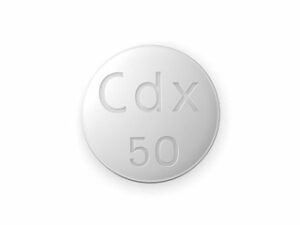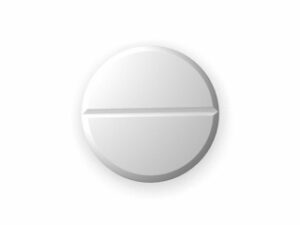
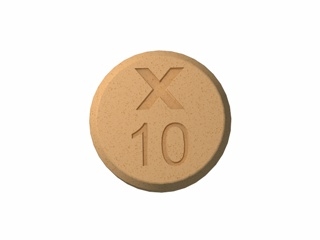

Uroxatral (Alfuzosin) – Patient Information (Australia)
Uroxatral is a medicine used to treat urinary symptoms commonly associated with an enlarged prostate. This page explains what alfuzosin is, how it works, how to take it safely, and what to expect. It is written for a general audience and is not a substitute for personalised advice from a doctor or pharmacist.
Quick Facts
- Medicine: Uroxatral (alfuzosin)
- What it’s for: Helps relieve urinary symptoms due to benign prostatic hyperplasia (BPH)
- How it works: Relaxes smooth muscle in the prostate and bladder neck
- Common benefits: Improved urine flow, reduced difficulty starting, less frequent urination
- Typical timing: Taken once daily, usually after a meal
- Important cautions: May cause dizziness/low blood pressure, especially when starting or when combined with certain other medicines
Basic Product Information
| Item | Details |
|---|---|
| Brand name | Uroxatral |
| Generic name | Alfuzosin |
| Drug class | Alpha1-adrenoceptor blocker (alpha-1 blocker) |
| Strengths | Available in tablet form (commonly extended-release formulation; follow your pack instructions) |
| How it works | Relaxes muscles around the prostate and bladder neck to improve urinary flow |
| How it’s taken | Once daily, typically after the same meal time each day |
Note: Always check the strength and specific instructions on your Uroxatral pack. If your product differs (for example, due to formulation), confirm the exact directions with a pharmacist.
What is Alfuzosin and How Does It Work?
Uroxatral (alfuzosin) is an alpha-1 blocker. In the prostate and the bladder neck, alpha-1 receptors help control the tone of smooth muscle. When these receptors are blocked, the muscle relaxes.
Mechanism of Action
- Prostate and bladder neck relaxation: Reduces resistance to urine flow.
- Improves symptoms of BPH: Helps urine to pass more easily and may reduce urinary frequency and urgency.
- Does not shrink the prostate: Alfuzosin primarily improves symptoms by relaxing muscle; it does not typically reduce prostate size.
Typical Use in Australia
Uroxatral is used for benign prostatic hyperplasia (BPH), a non-cancerous enlargement of the prostate gland that can affect urination. It may be recommended when urinary symptoms are bothersome and affect daily life.
Common indications (what it treats)
- Difficulty starting urination
- Weak urine stream
- Dribbling or incomplete bladder emptying
- Increased frequency of urination (especially at night)
- Urgency and discomfort related to urinary outflow obstruction
When it may not be suitable: Uroxatral is not intended for conditions outside urinary outflow symptoms due to prostate enlargement. If symptoms are new, severe, or associated with fever or pain, medical review is important to rule out infection or other causes.
How Soon Does It Work?
Many people notice improvement within days, but symptom relief may take longer in some cases. Consistent daily use is typically needed to assess benefit.
- Early response: Often within the first week
- Full assessment: Continue as advised and discuss ongoing symptoms after an appropriate trial period
Pharmacokinetics (How the Body Handles Alfuzosin)
Understanding pharmacokinetics can help explain why timing and food matter.
Absorption
- Formulation-dependent absorption: Uroxatral is designed to provide extended release. The body absorbs the medicine through the gastrointestinal tract.
- Food improves absorption: Taking alfuzosin with food is commonly recommended to reduce variability and improve effectiveness.
Distribution
- Alfuzosin distributes into body tissues and binds to proteins in the blood to a significant extent.
Metabolism and Elimination
- Metabolised mainly in the liver: Alfuzosin is broken down in the body, with metabolites cleared primarily via the liver and bile pathways.
- Elimination: The medicine and its metabolites are excreted from the body over time.
Why this matters
Because alfuzosin relies on the liver for metabolism, people with liver impairment may need different treatment or dose adjustments. Your pharmacist can help check whether your health profile affects safety.
Dosing – Typical Adult Directions
Always follow your prescription label and the instructions on the Uroxatral pack. Dosing may vary depending on formulation, strength, and your medical circumstances.
Common adult dosing pattern
- Once daily (extended-release/modified-release tablet is typically taken daily)
- Take after a meal (often after the same meal each day)
How to take Uroxatral correctly
- Swallow whole with water; do not crush or chew extended-release tablets.
- Do not double up if you miss a dose—take the next dose at the usual time.
- Be consistent with timing to maintain stable medicine levels.
Special considerations
- Older adults: Often treated at standard adult dosing, but extra caution may be needed due to sensitivity to blood pressure changes.
- Liver problems: Alfuzosin may be avoided or require additional precautions in hepatic impairment. Seek advice before use.
- Kidney problems: Dose adjustments may be needed depending on severity; confirm with a clinician.
Timing and Food Interactions
Food plays an important role in how alfuzosin is absorbed. Taking it incorrectly can reduce effectiveness or increase side effects.
Food timing
- Take Uroxatral after food (commonly after dinner or a substantial meal, depending on your routine).
- If you forget to eat, consider taking the dose once you have eaten, unless your pharmacist/doctor advised otherwise.
What to avoid
There is no “special diet” required, but consistent meal timing helps maintain predictable absorption.
Alcohol and Medicine Interactions
Uroxatral can lower blood pressure in some people. Alcohol may further increase dizziness or light-headedness.
Alcohol
- Limit or avoid alcohol when starting Uroxatral or when you are adjusting your dose (if applicable).
- If you feel dizzy, avoid driving and be careful with activities requiring alertness.
Medicine interactions (important)
Some combinations can increase the risk of low blood pressure, fainting, or other adverse effects. Tell your doctor or pharmacist about all medicines you take, including:
- Other alpha blockers (may increase dizziness/low blood pressure)
- Medicines for erectile dysfunction such as sildenafil, tadalafil, vardenafil (and nitrates) can interact by affecting blood flow and blood pressure
- Nitrates used for chest pain (may increase hypotensive effects)
- Some antifungal or antibiotic medicines that affect drug metabolism (for example, strong CYP3A4 inhibitors) can increase alfuzosin levels
- Other drugs that lower blood pressure (antihypertensives) may add to effects
Always check before starting new medicines. If you are unsure whether a medicine interacts with alfuzosin, ask your pharmacist.
Safety Profile and Side Effects
Like all medicines, Uroxatral can cause side effects. Many people tolerate it well, but awareness helps you respond quickly to potential problems.
Common side effects
- Dizziness or light-headedness
- Headache
- Fatigue
- Low blood pressure symptoms, particularly when standing (may feel like “head rush”)
- Nausea or stomach discomfort (less common)
Serious side effects (seek urgent medical help)
- Fainting or severe dizziness
- Allergic reaction (swelling of face/lips, rash, trouble breathing)
- Chest pain or worsening symptoms (especially after starting or changing medicines)
- Persistent severe dizziness or falls
What to do if you feel dizzy
- Stop what you’re doing and sit or lie down immediately.
- Avoid driving or operating machinery until you know how you respond.
- Rise slowly from a seated or lying position.
Special warnings
- “First dose” effect: Some people experience dizziness shortly after starting. The risk may be higher if you are dehydrated or also take blood pressure-lowering medicines.
- Eye-related considerations: Tell your eye specialist if you plan to undergo cataract surgery. Alpha blockers can be associated with a condition called intraoperative floppy iris syndrome (IFIS). Your surgeon can prepare for this.
- Driving and falls: Use caution, especially at the beginning of treatment.
Practical Use Tips (How to Get the Best Results)
- Take it the same way every day: After your meal and at a consistent time.
- Stand up carefully: If you feel light-headed, change positions slowly.
- Track urinary symptoms: Note changes in stream, frequency, and night-time urination to discuss at follow-up.
- Don’t skip long periods: BPH symptoms can return when medicine is stopped.
- Stay hydrated (unless restricted): Adequate fluids support healthy urination. If you have fluid restrictions, follow your clinician’s advice.
- Know red flags: Seek medical review urgently for inability to pass urine, fever, burning with urination, blood in urine, or severe pain.
Alternative Options for BPH Symptoms
Depending on your symptoms, prostate size, and overall health, clinicians may consider other approaches. These may be used alone or in combination.
Common medicine alternatives
- Other alpha-1 blockers: e.g., tamsulosin, silodosin (choice depends on side effect profile and dosing schedule).
- 5-alpha-reductase inhibitors: e.g., finasteride, dutasteride (may shrink the prostate over time; typically slower onset than alpha blockers).
- Combination therapy: sometimes used when symptoms are significant and prostate size is enlarged.
Non-medicine options
- Bladder training and lifestyle changes: reducing late evening fluids, limiting caffeine/alcohol, timed voiding
- Procedures or surgery: considered when symptoms are severe, medicines are ineffective, or complications occur
Important: Alternatives must be chosen based on your medical history and current medicines to minimise risks such as low blood pressure and interactions.
Market and Legal Context in Australia
In Australia, access to medicines is regulated through the national medicines framework and state/territory systems. Medicines that help BPH symptoms may be prescribed by clinicians and supplied through authorised channels.
Key points for consumers:
- Availability depends on whether the medicine is listed for prescription supply and on legal requirements for the specific product.
- Always ensure you receive medicine from legitimate, authorised suppliers.
- Counterfeit or unapproved medicines can be dangerous; buy from trustworthy sources.
Recent guidance and monitoring: Clinical practice continues to emphasise patient screening for blood pressure risks, careful selection for liver impairment, and awareness of eye-related risks for cataract procedures in people using alpha blockers.
Delivery and Availability (Online Pharmacy)
Online pharmacies in Australia may offer delivery options depending on stock availability and regional services. Delivery timeframes can vary based on:
- Product availability (in stock vs. ordered through the supply chain)
- Shipping location and courier schedules
- Cut-off times for same-day dispatch
What to check before ordering:
- That the tablet strength and formulation match what you need
- Expiration date information on the packaging (where shown)
- Any storage requirements (typically store as directed on the pack)
If you have questions about availability, strength, or how to take Uroxatral, a pharmacist can often help before you place an order.
FAQ
1) What is Uroxatral used for?
Uroxatral (alfuzosin) is used to relieve urinary symptoms due to benign prostatic hyperplasia (BPH), such as weak urine stream, difficulty starting urination, and frequent urination.
2) How do I take Uroxatral?
Typically, Uroxatral is taken once daily and should be swallowed whole with water, generally after food. Follow your pack instructions or the directions provided by your pharmacist or clinician.
3) What should I do if I miss a dose?
Take the next dose at the usual time. Do not double up to make up for a missed dose. If you miss multiple doses, ask your pharmacist for advice.
4) Can I drink alcohol with Uroxatral?
Alcohol may increase dizziness and the risk of low blood pressure. It’s best to limit alcohol, especially when starting or if you notice light-headedness.
5) Does Uroxatral interact with medicines for erectile dysfunction?
Some medicines used for erectile dysfunction can lower blood pressure, and combining them with alpha blockers may increase dizziness or fainting risk. Discuss your medication list with a pharmacist to check safe options.
6) Is it safe to drive after taking Uroxatral?
If you feel dizzy or light-headed, do not drive. Some people are more sensitive when starting. Until you know how the medicine affects you, take extra caution.
7) Will Uroxatral shrink my prostate?
Uroxatral mainly relaxes muscle in the prostate and bladder neck to improve urine flow. It does not typically shrink the prostate to the same extent as medicines from the “5-alpha-reductase inhibitor” group.
8) What if I have liver problems?
Because alfuzosin is metabolised largely in the liver, liver impairment can affect safety. If you have known liver disease, speak with a clinician or pharmacist before using Uroxatral.
9) How long will it take to work?
Some symptom improvement can occur within days, but full benefit may take longer. Continue taking it as directed and review with your healthcare provider if symptoms persist.
10) Are there any eye precautions?
Yes. If you are planning cataract surgery, tell your ophthalmologist that you take (or have taken) alpha blockers such as alfuzosin. This helps the surgeon prepare for possible intraoperative floppy iris syndrome.
11) Are there lifestyle changes that can help BPH symptoms?
Yes. Practical steps include reducing late evening fluid intake, limiting caffeine and alcohol (which can worsen urgency), and bladder training strategies. These can complement medication.
12) What are red flags that mean I should seek urgent care?
Seek urgent medical help if you develop inability to pass urine, fever/chills, severe pain, blood in urine, fainting, or signs of a serious allergic reaction.
Final note: If you have questions about dosing, side effects, or interactions—particularly with blood pressure medicines, nitrates, or medications for erectile dysfunction—consult a pharmacist. Proper use and awareness of interactions are the best way to improve comfort and safety while treating BPH symptoms.