Testosterone Topical (Transdermal) – Patient Information (Australia)
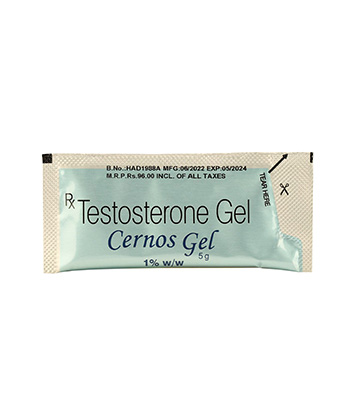
Testosterone topical is a medicine used to replace or supplement testosterone in people who do not have enough natural testosterone. It is applied to the skin as a gel/solution/cream (depending on the product brand), allowing testosterone to be absorbed through the skin into the bloodstream.
This guide is written for patients in Australia and aims to explain how testosterone topical works, how to use it safely and effectively, what to expect, and what to discuss with your healthcare professional.
Key product information
- Medicine name: Testosterone (topical/transdermal)
- How it’s used: Applied to clean, dry skin (usually on the shoulders/upper arms, upper chest, or abdomen—exact site depends on the specific brand)
- Common dosage forms: Gel, solution, or cream
- Who it’s for: Adults with confirmed low testosterone (hypogonadism), where testosterone therapy is appropriate
- Therapeutic goals: Improve symptoms of low testosterone and maintain healthy testosterone levels
Note: Different brands and strengths exist. Always follow the instructions supplied with your specific product and the advice of your healthcare professional.
What testosterone is and how it works (mechanism of action)
Testosterone is the main male sex hormone (and an androgen). In the body, it supports:
- Sexual function: Libido and erectile function
- Energy and mood: Well-being, motivation, and sometimes improvements in fatigue
- Muscle and strength: Protein synthesis and muscle mass maintenance
- Bone health: Maintaining bone mineral density
- Body composition: Reducing fat mass and increasing lean mass in some people
When applied to the skin, testosterone is absorbed and enters the bloodstream. It then acts in tissues by binding to androgen receptors and promoting androgen-responsive functions. Over time, testosterone levels in the body can increase to a target range, reducing symptoms associated with low testosterone.
Pharmacokinetics (absorption, distribution, metabolism, elimination)
Topical testosterone is designed for systemic absorption through the skin. While exact numbers vary by brand, the general pattern is:
- Absorption: Testosterone passes through the skin and enters the circulation.
- Onset: Levels typically rise over hours after application.
- Steady exposure: With daily use, testosterone levels tend to stabilise over several days.
- Metabolism: Testosterone is metabolised in the liver and other tissues to active and inactive metabolites.
- Elimination: Mainly via urine (and to a lesser extent in faeces) as metabolites.
Important: Because topical products differ, the expected day-to-day testosterone profile depends on your specific formulation, dose, and application site.
Typical use and when it’s prescribed
Testosterone topical is used to treat male hypogonadism due to conditions such as:
- Primary hypogonadism: Testicular failure leading to low testosterone
- Secondary hypogonadism: Pituitary or hypothalamic causes
It is generally considered when low testosterone has been confirmed by blood tests and symptoms suggest that testosterone deficiency may be contributing.
Therapy may help with:
- Low libido
- Erectile dysfunction related to hypogonadism
- Fatigue, reduced energy
- Reduced muscle mass or strength
- Low mood in some men (where appropriate)
Not for: Testosterone topical is not intended for general wellness or bodybuilding, and it is not used to treat hormone levels that are normal.
How to use testosterone topical (timing and routine)
Most testosterone topical products are applied . The exact schedule depends on your brand and prescribed dose.
Typical timing
- Apply at the same time each day to help maintain stable levels.
- Many people prefer morning or early afternoon, but your clinician may specify timing based on your blood test results.
- Allow the skin to dry before covering with clothing.
Step-by-step practical application tips
- Wash hands before application and dry thoroughly.
- Apply to clean, dry skin. Avoid applying to irritated, broken, or recently shaved skin (unless your product instructions say otherwise).
- Use the correct amount measured per your prescription and product instructions.
- Spread evenly over the specified area only.
- Let it dry fully before getting dressed.
- Wash hands after application using soap and water.
- Avoid skin-to-skin contact with others until the product has fully dried and the area is covered.
- Cover the application site with clothing after drying to reduce transfer risk.
Skin care: You should follow the manufacturer’s guidance regarding showers/swimming and contact with others.
Food interactions
Food interactions are generally not a major concern with topical testosterone because absorption occurs through the skin rather than the gastrointestinal tract. However:
- Some people have reported changes in overall well-being with different routines; keep your application timing consistent.
- Always inform your healthcare professional about all medicines and supplements you take.
If your doctor monitors blood levels, it’s helpful to keep the same daily routine (including timing of application and blood tests) to make results easier to interpret.
Alcohol and medicine interactions
Alcohol
Moderate alcohol intake may be acceptable for many people, but testosterone therapy should be used cautiously in those with:
- Liver conditions or a history of significant liver disease
- High risk alcohol use that could affect health parameters being monitored
Excess alcohol can worsen fatigue, mood, and cardiovascular risk factors—issues that may overlap with symptoms of low testosterone.
Other medicine interactions
Tell your healthcare professional about all medicines you use, including prescription, over-the-counter products, and herbal supplements.
Potential interaction considerations include:
- Corticosteroids: Testosterone can affect fluid balance; combined use may influence swelling and blood pressure in susceptible people.
- Blood thinners (anticoagulants) (e.g., warfarin): Androgens may alter the effect of anticoagulants; monitoring of clotting tests may be needed.
- Diabetes medicines: Testosterone may improve insulin sensitivity in some individuals, potentially requiring glucose monitoring and medication adjustment.
- Opioids and other hormonal treatments: These can affect endocrine function; your clinician may adjust therapy.
- Medicines affecting liver enzymes: While topical testosterone is not swallowed, liver metabolism is still relevant. Seek professional advice for complex regimens.
Do not stop or start other medicines without advice—especially if you have conditions such as diabetes, high blood pressure, or clotting disorders.
Indications (when testosterone topical is used)
Testosterone topical is used in adults for:
- Testosterone replacement in men with symptomatic hypogonadism due to confirmed underlying causes
It may be used under medical supervision to address symptoms such as low libido and reduced vitality when low testosterone is confirmed by blood testing.
Not all causes of sexual symptoms are due to low testosterone, and testosterone therapy may not relieve symptoms if levels are already normal or if the cause is different (e.g., medication side effects, vascular issues, psychological factors).
Dosing (general principles)
Dosing depends on the specific product brand, strength, and your target testosterone range. Your clinician may adjust dose based on:
- Your symptoms
- Blood testosterone levels (measured at appropriate times)
- Safety monitoring results
Common dosing approach:
- Testosterone topical is often started at a dose that matches the product’s recommended starting regimen for your formulation.
- After starting, testosterone levels are typically checked after an appropriate interval, and the dose may be increased or decreased to reach the target range.
- Once stable, monitoring continues periodically.
Do not exceed the prescribed dose. Higher doses do not necessarily produce better outcomes and may increase side effects.
If you miss a dose:
- Follow your product’s instructions and your clinician’s advice.
- In general, apply when you remember unless it is close to the next dose. Avoid doubling up.
Always refer to your specific product leaflet for precise “missed dose” guidance.
Safety profile and potential side effects
Like all medicines, testosterone topical can cause side effects. Some effects are expected as testosterone levels rise, while others are signs that dose or monitoring needs adjusting.
Common side effects
- Skin irritation at the application site (redness, itching, or rash)
- Headache
- Acne or oily skin
- Increased or decreased libido
- Mood changes
- Fluid retention (may be mild)
Serious risks—important to seek medical attention promptly
Contact your healthcare professional urgently or seek emergency help if you experience:
- Signs of allergy (swelling of face/lips, severe rash, breathing difficulty)
- Severe shortness of breath, chest pain, or signs of stroke (sudden weakness, trouble speaking)
- Marked leg swelling or calf pain (possible blood clot)
- Persistent or painful erection lasting more than a few hours
Monitoring-related safety considerations
Testosterone therapy may affect several body systems. Your clinician may monitor:
- Blood count (haematocrit/haemoglobin): Testosterone can increase red blood cells.
- Prostate health: Regular assessment may be recommended based on age and risk factors.
- Lipids (cholesterol): May change over time.
- Liver enzymes: Generally not a major issue with topical products, but liver function may still be monitored depending on your health status.
- Blood pressure and fluid retention: Especially if you have heart or kidney issues.
Fertility considerations
Testosterone therapy can suppress the body’s own testosterone production and may reduce sperm count, potentially affecting fertility. If you are planning children, discuss options and monitoring with your clinician before starting therapy.
Transfer risk to others (including children and women)
A key safety issue with topical testosterone is accidental transfer from the skin to another person. This can cause unwanted androgen exposure.
- Avoid skin-to-skin contact with others until the product has dried and the application site is covered.
- Wash hands thoroughly after applying.
- Keep clothing over the application area.
- Extra caution around children and women, especially pregnant women—follow product instructions carefully.
Practical use tips for best results
- Stick to the same application area as instructed by your product and clinician.
- Rotate sites if your product allows to reduce skin irritation.
- Use moisturiser cautiously: If you apply moisturisers to the same area, make sure the product leaflet permits it (moisturiser may change absorption).
- Don’t apply to broken skin.
- Follow shower/swimming guidance: Many products require a certain time interval before bathing/swimming to reduce transfer and preserve dosing.
- Track symptoms: Note changes in libido, energy, mood, and physical changes—these can help clinicians adjust dosing.
- Attend monitoring appointments: Blood tests are essential for safe and effective use.
Alternative options
Depending on your situation, there are other testosterone replacement options. Your clinician can help choose based on symptoms, lifestyle, preference, and monitoring needs.
Common alternatives
- Intramuscular injections: May produce fluctuating levels depending on dosing interval.
- Long-acting injections: Designed for more stable release over time.
- Transdermal patches: Patch-based delivery to the skin.
- Oral/buccal forms (where applicable): Some forms exist but depend on country availability and suitability.
- Other hormonal approaches for selected patients: Depending on the cause (e.g., certain fertility goals), other treatments may be considered.
Why alternatives may matter: If you experience skin irritation, difficulty adhering to application timing, or problems with transfer risk, a different formulation may be more suitable.
Market and legal context for Australia
In Australia, testosterone therapies are regulated and supplied through appropriate healthcare channels. Availability and prescribing requirements depend on the specific product and its classification under Australian medicine regulations.
When using testosterone topical, it is important to:
- Use only products that are approved for sale in Australia and sourced from reputable suppliers.
- Follow the product’s instructions and Australian guidance from relevant medical bodies.
- Ensure appropriate assessment and monitoring to reduce risk and ensure the therapy is appropriate.
Recent guidance (general themes): Over recent years, Australian and international clinical practice has emphasised:
- Diagnosing testosterone deficiency using symptoms plus blood test confirmation (typically morning measurements)
- Ongoing safety monitoring (e.g., blood counts, prostate-related assessment where appropriate)
- Awareness of transfer risk and counselling patients on skin contact precautions
- Reassessing therapy effectiveness and risks periodically
Guidance may vary by clinician and patient factors. Always follow local medical advice.
Delivery, availability and what to expect when ordering online in Australia
When ordering testosterone topical online via a reputable Australian pharmacy service, you may be required to complete steps that ensure safe use, such as providing relevant details for supply requirements and product identification.
Delivery expectations:
- Delivery timelines vary by location and courier service.
- Packaging is typically designed to protect the product and maintain privacy.
- Some pharmacies may require verification before dispatch.
Availability: Stock levels can change, especially for specific strengths or brands. If a product is temporarily unavailable, the pharmacy may suggest alternatives that match dosing needs.
Storage: Store according to the product label. Many topical products require storage away from excessive heat and direct sunlight.
FAQ – Frequently asked questions
1) How quickly will I feel effects?
Some people notice changes in energy, mood, or libido within days to weeks, but improvements often take several weeks. Your clinician will also monitor testosterone levels and may adjust dose to help achieve the right balance.
2) Can women or children be exposed to the medicine?
Accidental exposure should be avoided. Testosterone can transfer through skin contact. Keep the application area covered, wash hands after use, and follow product instructions regarding contact. Pregnant women and children should be especially protected from transfer.
3) What should I do if I get the gel/solution/cream on someone else?
If transfer occurs, follow the manufacturer’s advice. Generally, the affected person should wash the exposed skin thoroughly with soap and water. Contact a healthcare professional for advice, particularly if exposure is significant or if the exposed person is pregnant or a child.
4) Will testosterone topical increase my red blood cells?
It may. Testosterone therapy can raise haematocrit/haemoglobin in some people. This is why routine blood monitoring is important.
5) Can I shower after applying testosterone?
Usually you must wait until the product has fully dried and you should follow the specific product leaflet. Showering too soon can increase transfer risk and may reduce delivered dosing.
6) Does testosterone topical interact with food?
Food interactions are typically not significant for topical preparations because absorption occurs via the skin rather than the digestive tract. Still, consistency in routine helps interpret blood test results.
7) Is alcohol safe while using testosterone?
Moderate alcohol may be acceptable for many people, but alcohol can affect overall health and may be risky in liver disease or other conditions. If you have comorbidities, ask your clinician for tailored advice.
8) How should I manage missed doses?
Check your product leaflet for instructions. Generally, do not double up. If you’re unsure, contact your healthcare professional or pharmacist.
9) What monitoring should I expect?
Your healthcare professional may recommend periodic blood tests (including testosterone levels and blood count) and may assess prostate health depending on your age and risk profile.
10) What if I get skin irritation?
Mild irritation can occur. Stop using the product and contact your pharmacist or clinician if irritation is severe, persistent, or accompanied by rash or swelling. Dose or application technique may need adjustment.
Summary
Testosterone topical provides hormone replacement through the skin and can improve symptoms of confirmed testosterone deficiency when used appropriately. Successful and safe use depends on correct application technique, avoiding transfer to others, adhering to monitoring schedules, and adjusting dose based on symptoms and blood tests. If you have questions about your specific brand, dosing, or safety monitoring, speak with a healthcare professional or pharmacist.
Disclaimer: This information is for general patient education and does not replace advice from a healthcare professional. Always read the product leaflet and follow the instructions specific to your testosterone topical medicine.