
Rybelsus (Semaglutide) – Patient Information for Australia
Rybelsus is an oral medicine containing semaglutide, a treatment that belongs to the group of drugs known as GLP‑1 receptor agonists. It is used to improve blood sugar control in adults with type 2 diabetes and, for some people, to support weight management alongside lifestyle changes.
This page explains how Rybelsus works, how to use it, what to watch for, and key interactions. It is written to be easy to understand and helpful for everyday use in Australia. Always follow the instructions given to you by your healthcare professional and the directions on the medicine label.
Basic product information
| Feature | Details |
|---|---|
| Brand name | Rybelsus |
| Active ingredient | Semaglutide |
| Medicine type | GLP‑1 receptor agonist (GLP‑1 RA) |
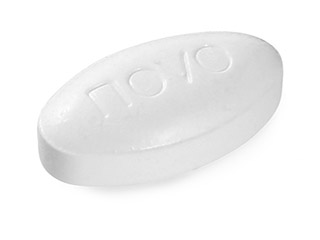
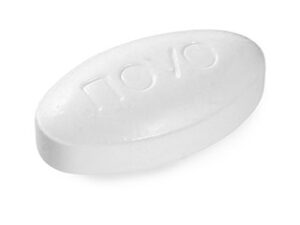
| Form | Oral tablets |
| Typical dosing schedules | Once daily (with specific morning timing instructions) |
| Common strengths | 3 mg, 7 mg, 14 mg tablets (varies by local supply) |
What to know: Rybelsus is taken by mouth as a tablet, not an injection. However, it has strict timing instructions to help absorption. The medicine must be taken in a certain way—especially regarding water, food, and other drinks.
How Rybelsus works (mechanism of action)
Semaglutide mimics a natural hormone called GLP‑1 (glucagon-like peptide‑1). In people with type 2 diabetes, GLP‑1 helps regulate blood sugar by supporting the body’s own insulin response.
Rybelsus can help by:
- Increasing insulin release from the pancreas when glucose levels are high.
- Reducing glucagon release (glucagon normally raises blood sugar).
- Slowing stomach emptying, which can reduce how quickly glucose enters the bloodstream after meals.
- Supporting appetite regulation, which may assist with weight reduction for some patients.
The result is often improved HbA1c (a measure of longer-term blood glucose control) and better daily blood sugar patterns, alongside diet and exercise.
Pharmacokinetics (how the body processes it)
“Pharmacokinetics” describes how a drug is absorbed, distributed, metabolised, and eliminated. Understanding these points helps explain the timing instructions.
- Absorption: Rybelsus is absorbed through the gut, but absorption is sensitive to food and the presence of liquids besides water. Taking it incorrectly can significantly reduce how much semaglutide enters the bloodstream.
- Onset: Blood sugar control benefits can begin within days, while fuller effects on HbA1c typically develop over weeks.
- Half-life: Semaglutide has a long duration of action, allowing once-daily dosing.
- Metabolism and elimination: Semaglutide is broken down into smaller components in the body and eliminated mainly via metabolic pathways. Exact pathways can vary by individual factors.
Practical takeaway: Because absorption is affected by meals, the tablet must be taken under specific conditions—especially in the morning.
Typical use and timing
When is Rybelsus used?
Rybelsus is used in adults with type 2 diabetes to improve glycaemic control. Depending on individual circumstances, it may be used alone or with other diabetes medicines.
How to take it correctly (key timing instructions)
To get the best absorption, take Rybelsus once daily using the following approach:
- Take on waking, before your first food, drink, or other oral medicines.
- Swallow the tablet whole with a small amount of water.
- Use only plain water (avoid tea, coffee, juice, milk, or other beverages).
- Wait before eating or drinking anything else: typically at least 30 minutes after taking the tablet.
- Avoid taking with food: food can reduce absorption and may lower effectiveness.
Morning routine tip: Many people set a consistent “wake-up” routine—keeping the tablet and a glass of water within reach—to reduce the chance of missed or incorrect timing.
Food interactions and absorption tips
Food is one of the most important factors affecting semaglutide absorption. To help you get consistent results:
- Do not take Rybelsus with meals. Always take it first, before eating.
- Keep spacing consistent. Changing the timing of meals can affect exposure.
- Avoid taking it with other drinks besides plain water. Even small amounts of milk or sugar-containing beverages can interfere.
- Follow tablet instructions closely. Different formulations and brands have different requirements; always use the specific guidance for Rybelsus.
If you accidentally take it with food or forget to wait the recommended time before eating, the dose effectiveness may be reduced. In such cases, your healthcare professional or pharmacist may advise what to do next.
Alcohol and medicine interactions
Alcohol
Alcohol can affect blood glucose in several ways—sometimes lowering sugar levels, especially if you drink without eating. It can also worsen side effects such as nausea.
- Moderation is key.
- Be cautious with hypoglycaemia risk if Rybelsus is used with insulin or sulfonylureas (see safety section).
- Hydration matters. Some people may experience gastrointestinal effects, and alcohol can contribute to dehydration.
Interactions with other medicines
Semaglutide can indirectly influence how other medicines are absorbed because it slows stomach emptying. However, the most important interactions generally involve medicines that can cause low blood sugar.
Be especially careful if you take:
- Insulin (risk of hypoglycaemia may increase)
- Sulfonylureas (e.g., gliclazide, glimepiride—risk of hypoglycaemia may increase)
- Other glucose-lowering medicines (may require dose adjustment depending on blood glucose readings)
Tell your pharmacist about all medicines and supplements you use, including: prescription medicines, over-the-counter products, vitamins, herbal supplements, and weight-loss products.
Indications (who Rybelsus is for)
Rybelsus is indicated for the treatment of type 2 diabetes in adults to improve glycaemic control. In clinical practice, it may be prescribed as part of a broader diabetes management plan that includes: diet, physical activity, and ongoing monitoring.
In some cases, healthcare professionals may also consider semaglutide for people with type 2 diabetes who may benefit from weight reduction, depending on individual eligibility and local criteria.
Dosing (strengths and titration)
Rybelsus dosing typically follows a step-up (titration) approach to reduce gastrointestinal side effects and help your body adapt. The exact schedule for you will depend on your blood glucose response and tolerability.
Common titration pattern (general overview)
- Start: 3 mg once daily
- After an initial period: increase to 7 mg once daily
- If needed and tolerated: further increase to 14 mg once daily
Your healthcare professional will decide when to step up based on: HbA1c trends, fasting glucose, side effects, and overall treatment goals.
Missed dose guidance (general principles)
- If you miss a dose, take it when you remember only if it is within the same day.
- If it is close to the next scheduled dose, skip the missed dose and take the next one at the usual time.
- Do not take two doses at the same time to make up for a missed tablet.
If you are unsure what to do after a missed dose, ask a pharmacist for advice based on your schedule.
Safety profile: side effects and warnings
Like all medicines, Rybelsus can cause side effects. Many are mild to moderate and tend to improve as your body adjusts, particularly during the titration phase.
Common side effects
- Nausea
- Diarrhoea or constipation
- Vomiting
- Reduced appetite
- Indigestion or abdominal discomfort
- Feeling full quickly
Serious risks (seek medical advice urgently if you have)
- Symptoms of pancreatitis: severe abdominal pain (often radiating to the back), persistent vomiting
- Signs of gallbladder problems: sudden right upper belly pain, fever, jaundice
- Allergic reactions: swelling of the face, lips, tongue, or throat; difficulty breathing
- Signs of dehydration from ongoing vomiting/diarrhoea
Low blood sugar (hypoglycaemia)
Rybelsus on its own has a low risk of causing hypoglycaemia. However, if it is combined with medicines that can cause low blood sugar—such as insulin or sulfonylureas—the risk increases.
- Know the symptoms: shakiness, sweating, confusion, dizziness, fast heartbeat, hunger, weakness.
- Monitor blood glucose as advised.
- Your healthcare professional may adjust the dose of insulin or sulfonylurea when starting semaglutide.
Kidney concerns
If you develop severe vomiting or diarrhoea, dehydration can potentially worsen kidney function. Contact a healthcare professional if you cannot keep fluids down.
General precautions
- Tell your healthcare professional if you have a history of pancreatitis or gallbladder disease.
- Inform them about any significant gastrointestinal conditions.
- Discuss plans for surgery or procedures, as medication instructions may change.
Practical use tips (to make treatment easier)
- Build a daily routine: take the tablet at the same time each morning.
- Keep it simple: take only with the recommended plain water and follow the waiting period before food.
- Stay hydrated: particularly if you feel nauseated.
- Eat smaller, slower meals: many people find this reduces nausea during the titration phase.
- Plan for side effects: if nausea occurs, avoid very fatty or very large meals and consider light snacks later in the day.
- Track your glucose: especially if you use insulin or a sulfonylurea.
- Don’t stop suddenly: changes should be discussed with your pharmacist or healthcare professional.
If side effects are persistent or severe, consult a healthcare professional. In many cases, adjusting the timing, meal pattern, or titration schedule helps.
Alternative options
Several other approaches may be considered depending on your individual goals, medical history, and response to treatment. Alternatives can include other oral medicines, injectable GLP‑1 receptor agonists, and medicines from different classes.
Examples of alternatives may include:
- Other GLP‑1 receptor agonists (injectable or oral depending on availability)
- DPP‑4 inhibitors (oral options for some patients)
- Metformin (commonly used as a first-line option, if tolerated)
- SGLT2 inhibitors (oral options that work through the kidneys)
- Insulin and other injectable glucose-lowering therapies
Your pharmacist can help you compare common options and discuss what may fit your lifestyle and risk factors. Don’t switch treatments without professional guidance.
Rybelsus in the Australian market: legal and regulatory context
In Australia, medicines are regulated under the Therapeutic Goods framework. Access depends on: approved indications, eligibility criteria, and prescribing rules. Availability and subsidised access may also be affected by national and state-level frameworks.
Information in Australia can change as new clinical guidance, safety updates, or supply considerations arise. Always check the latest product information and consult a healthcare professional for personal advice.
Recent guidance (how to stay up to date)
- Clinical practice recommendations for type 2 diabetes may be updated over time by Australian diabetes and endocrine bodies.
- Safety communications and product label updates can occur based on ongoing monitoring.
- Your healthcare team may adjust treatment strategies based on your blood glucose results and side effect profile.
If you’re new to semaglutide, ask your pharmacist about the most current product instructions for Rybelsus and how they apply to your situation.
Delivery and availability in Australia
Availability can vary by strength and supply conditions. When placing an order through an online pharmacy, you may be asked to confirm that the medicine is appropriate for your needs and that you understand the correct use instructions.
Delivery considerations:
- Dispatch times: can vary depending on stock on hand.
- Packaging: medications are typically supplied in original packaging suitable for storage.
- Storage: store tablets as directed on the label (avoid excessive heat and moisture).
- Tracking: many services provide tracking details once dispatched.
If a particular strength (e.g., 3 mg, 7 mg, or 14 mg) is temporarily unavailable, a pharmacist may suggest alternatives, such as checking other strengths or awaiting restock—depending on clinical suitability.
Frequently Asked Questions (FAQ)
1) What is Rybelsus used for?
Rybelsus (semaglutide) is used to improve blood glucose control in adults with type 2 diabetes. It may be used alone or alongside other diabetes treatments as part of an overall management plan.
2) How quickly will it start working?
Some people notice benefits in blood glucose patterns within days, but the full effect on HbA1c typically develops over several weeks. Consistent daily use is important.
3) Can I take Rybelsus at night?
Rybelsus is designed to be taken once daily in the morning before food. Taking it at other times may reduce absorption and effectiveness. Follow the instructions provided for your dosing schedule.
4) What if I eat before the waiting period?
Eating too soon can reduce absorption. If it happens occasionally, the impact may be limited, but repeated errors can affect your glucose control. Seek advice from your pharmacist for what to do next, especially if it happens more than once.
5) Can I drink coffee or tea with it?
No. Rybelsus should be taken with plain water only, and you should wait before consuming other drinks or food. Coffee or tea may interfere with absorption.
6) Will Rybelsus cause weight loss?
Some people experience weight reduction with semaglutide, particularly when combined with dietary changes and reduced appetite. Weight changes vary between individuals.
7) What side effects are most common?
Common side effects include nausea, constipation or diarrhoea, vomiting, reduced appetite, and indigestion. These often improve after the body adjusts during the early treatment period.
8) What should I do if I feel very sick after taking it?
If you experience persistent vomiting, significant dehydration, severe abdominal pain, or symptoms that worry you, contact a healthcare professional promptly. Seek urgent care for severe symptoms such as suspected pancreatitis.
9) Can Rybelsus be used with insulin or sulfonylureas?
It can be used in combination, but the risk of hypoglycaemia increases when used with insulin or sulfonylureas. Your healthcare team may adjust doses and recommend blood glucose monitoring.
10) Are there alternatives if I cannot tolerate it?
Yes. Options may include other glucose-lowering medicines, different GLP‑1 therapies, or adjustments to the dosing strategy. Discuss options with your pharmacist or healthcare professional.
Summary
Rybelsus (semaglutide) is an oral GLP‑1 receptor agonist used in adults with type 2 diabetes to improve glycaemic control. It works by enhancing insulin release when glucose is high, reducing glucagon, and slowing stomach emptying—often helping appetite regulation as well.
Success with Rybelsus depends heavily on correct morning timing: take it with plain water, before any food or other oral intake, and wait the recommended time before eating. Stay alert to common gastrointestinal side effects and watch for signs of low blood sugar, especially if combined with other diabetes medicines.
If you’d like help choosing a dose routine that fits your day, or you want to check possible interactions with your current medicines, speak with a pharmacist.