
Rogaine (Minoxidil) — Patient Guide (Australia)
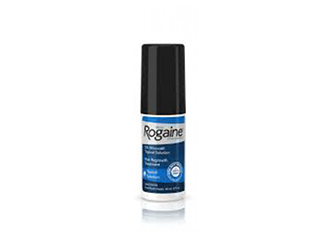
Rogaine is a brand of minoxidil, a medicine used to help treat hair loss in people who are experiencing thinning or loss of hair on the scalp. This guide explains how Rogaine works, how to use it, what to expect, and important safety information.
Please note: Always follow the directions provided with your specific Rogaine product (for example, 2% or 5% solutions/foams). If you have questions about whether Rogaine is suitable for you, consult a pharmacist or healthcare professional.
Quick Product Overview
- Active ingredient: Minoxidil
- Common forms: Topical solution or foam (strengths typically 2% and 5%, depending on the product)
- Where it’s used: Scalp hair
- Main goal: Helps slow progression of hair loss and may promote regrowth/thickening
- Typical time to see results: Several months of consistent use
How Rogaine Works (Mechanism of Action)
Minoxidil is a topical medicine that acts locally on hair follicles. While the exact mechanism by which it improves hair growth isn’t fully established, it is believed to:
- Prolong the growth phase of the hair cycle (anagen phase), helping hair follicles stay active for longer.
- Increase microcirculation in the scalp, which may support follicle function.
- Improve follicle size and density over time, particularly in androgen-related thinning.
Rogaine doesn’t “create” new hair follicles. Instead, it helps stimulate and support follicles that still have the capacity to grow thicker hair.
Pharmacokinetics (Absorption and Metabolism)
Rogaine is applied to the scalp. Because it’s topical, the amount absorbed into the bloodstream is generally low for most people when used as directed. Key points include:
- Absorption: Some minoxidil may be absorbed through the skin. Absorption can be higher if applied to irritated skin or used with excessive amounts.
- Distribution: Minoxidil can be distributed throughout the body, though systemic levels are typically limited when used correctly.
- Metabolism: Minoxidil is metabolised in the body.
- Elimination: Metabolites are removed primarily via the kidneys.
Practical takeaway: Using more than the recommended dose, applying to damaged skin, or using more often than instructed may increase the chance of side effects.
Indications (What It’s Used For)
Rogaine/minoxidil topical is commonly used for:
- Androgenetic alopecia (pattern hair loss) in adults.
- In some cases, hair thinning related to androgen activity.
The most common indication is to help with male or female pattern hair loss of the scalp. Your product label may specify which type (and which strength) is appropriate.
Typical Use and Expected Timing
Hair growth is slow. The results depend on consistent use and the stage of hair loss.
What to Expect
- First 2–8 weeks: Some people notice increased shedding. This can be part of the normal “reset” of the hair cycle. It may not occur in everyone.
- Around 3–4 months: Early signs of reduced shedding or thicker-looking hair may appear.
- 6–12 months: Most meaningful changes are typically seen after consistent use for several months.
- After stopping: Any benefits usually fade over time as hair cycles return to their prior pattern.
Important: If you’re using Rogaine for the first time, give it sufficient time—changing products too early may reduce the chance of benefit.
Dosing (How Much and How Often)
Always follow your Rogaine product label. Doses below are general guidance and may vary by formulation (solution vs foam) and strength.
| Rogaine strength/form | Typical dosing schedule | How to apply (general) |
|---|---|---|
| 2% topical | Often twice daily (check label) | Apply to the affected scalp areas; allow to dry |
| 5% topical | Often once or twice daily depending on product (check label) | Apply to the affected scalp areas; wash hands after application |
| Foam | Typically follows the product label frequency | Apply a measured amount; gently spread to thinning areas |
| Solution | Typically follows the product label frequency | Apply to the scalp; avoid dripping to face/forehead |
Application Tips (Step-by-Step)
- Start with dry scalp. If you wash your hair, let it dry fully before applying.
- Measure the dose. Use the cap/applicator provided (don’t guess).
- Apply only to the thinning areas. Massage lightly to help spread.
- Let it dry. Avoid touching the treated area until dry.
- Wash your hands. This reduces accidental transfer to eyes, mouth, or face.
- Don’t rinse immediately. Keep the scalp dry for several hours after application (or as directed).
If you miss a dose: Apply it when you remember unless it’s close to the next dose. Do not apply extra to make up for a missed dose.
Timing: When to Apply in Daily Life
Because Rogaine works best with consistent use, choose a routine you can maintain.
- Try applying at times when you can avoid immediate washing of hair or scalp.
- If you use hair styling products, apply Rogaine first and allow it to fully dry before styling.
- For twice-daily regimens, morning/evening schedules often fit best.
If you’re using other scalp products (such as medicated shampoos), consider separating application times so the scalp isn’t excessively wet or irritated.
Food Interactions
Because Rogaine is used on the scalp, food interactions are not usually expected. Minoxidil absorption is generally local when applied as directed.
However, if you have conditions where you take multiple medications or have kidney/heart-related issues, it’s still wise to discuss your overall regimen with a pharmacist.
Alcohol Interactions
Rogaine products may contain alcohol as part of the formulation (particularly many solutions). Alcohol does not typically “interact” with minoxidil in the body the way oral medicines do, but it can:
- Cause dryness or irritation if you have sensitive skin.
- Increase stinging if applied to broken/irritated skin.
Practical advice: Avoid applying to inflamed, sunburnt, or damaged scalp areas. If stinging is severe or persistent, stop and seek advice.
Medicine Interactions (Other Medications)
Topical minoxidil generally has limited systemic exposure when used properly. Still, interactions can be clinically important in certain situations.
Talk to a pharmacist if you use medicines such as:
- Other medicines that lower blood pressure or affect heart function
- Oral minoxidil (if applicable) or other strong vasodilators
- Some topical or systemic medicines that may increase skin absorption when used together (for example, if the scalp is irritated)
- Prescription or over-the-counter medicines you take regularly for heart or blood pressure problems
Why this matters: In sensitive individuals, increased systemic minoxidil exposure may affect heart rate or blood pressure, especially if higher-than-recommended amounts are used or if absorption increases due to damaged skin.
Safety Profile (Who Should Use Caution)
Most people tolerate Rogaine well when used correctly. Common issues are usually local to the scalp.
Common Side Effects
- Scalp irritation (redness, itching, burning)
- Dryness or flaking
- Hair shedding early in treatment (may occur)
- Unwanted hair growth if product spreads to areas such as face/forehead
Less Common but Serious Effects
Seek medical attention urgently if you experience signs of significant systemic effects, such as:
- Chest pain
- Fast or irregular heartbeat
- Shortness of breath
- Dizziness or fainting
- Swelling of hands/feet
Who Should Be Extra Careful
- People with heart disease or low blood pressure
- People with kidney problems
- Anyone who has experienced allergic reactions to minoxidil or product ingredients
- Those applying to inflamed or broken scalp skin
Stop and get advice if you develop severe rash, swelling, or breathing difficulties.
Practical Use Tips for Better Results
- Consistency is key: Use every day as directed. Skipping reduces the chance of benefit.
- Apply to the right area: Focus on thinning regions, usually the crown/part line for pattern hair loss.
- Don’t over-apply: Using extra does not speed up results and may increase side effects.
- Be patient: Improvement takes time—months, not weeks.
- Minimise spread: Apply carefully to avoid forehead/face. Use towels/bands to protect if needed.
- Keep the scalp healthy: If you have dandruff or irritation, treat it appropriately (but avoid harsh irritation that may interfere with application).
- Track progress: Take photos in similar lighting every month to compare.
Hair shedding in early months: If shedding occurs, continue unless you develop intolerable side effects. Shedding often reflects the hair cycle rather than treatment failure.
Alternative Options (If Rogaine Isn’t Suitable)
Depending on the cause and pattern of hair loss, alternatives may include:
- Other topical minoxidil products (same active ingredient, different brand/formulation)
- Oral therapies for selected cases (discuss options with a healthcare professional)
- Hair care and scalp support
- Gentle shampoos
- Managing dandruff/inflammation
- Reducing traction and mechanical stress
- Procedural options offered by specialists (for example, in-clinic scalp therapies)
- Low-level light therapy (where appropriate) as an adjunct to medical treatments
If you’re unsure whether your hair loss is androgenetic, telogen effluvium, or due to another cause, it’s worth getting an assessment. Correct diagnosis improves treatment success.
Market and Legal Context for Australia
In Australia, topical minoxidil products are generally available through retail channels depending on formulation, strength, and local regulatory classification. Availability may vary across brands and strengths, and policies can change over time.
When purchasing online, look for:
- Clearly listed active ingredient and strength
- Correct instructions for use and storage details
- Batch/expiry information on the packaging
- Reliable supply from an established pharmacy/dispensing partner
Important: Follow Australian product labels and pharmacy advice. Do not use products meant for different strengths or application instructions than your specific item.
Recent Guidance and Evidence Snapshot
Current clinical practice generally supports topical minoxidil as a first-line topical option for many adults with pattern hair loss. Key themes in modern guidance include:
- Expect gradual improvement, typically within 3–6 months and more fully by 12 months.
- Continuing treatment is usually necessary to maintain benefits.
- Scalp irritation management can improve adherence (for example, ensuring scalp is dry before use and using the correct formulation).
- Safety monitoring for systemic symptoms in those at higher risk or when using higher-than-labeled doses.
Because individual response varies, it’s sensible to evaluate progress over time rather than judging after a few weeks.
Delivery and Availability (Australia)
Rogaine/minoxidil is commonly stocked by online pharmacies and may be available in multiple strengths (for example, 2% and 5%) and formats (solution or foam). Delivery availability depends on your location within Australia and the specific product range.
- Packaging: Typically sealed with clear instructions and expiry date.
- Delivery: Orders are dispatched in accordance with standard pharmacy shipping schedules.
- Stock: Popular strengths may occasionally sell out during promotions.
If you have questions about which strength/formulation is appropriate for you, a pharmacist can help you choose based on your hair-loss pattern and tolerance for scalp irritation.
FAQ (Frequently Asked Questions)
1) How long does it take to work?
Many people notice changes after 3–4 months. More noticeable improvement often takes 6–12 months of consistent use. If you see no benefit after 12 months, speak with a pharmacist or healthcare professional about next steps.
2) Will I shed hair when I start Rogaine?
Some people experience increased shedding during the early weeks or first couple of months. This can be temporary and related to the hair cycle. If shedding is accompanied by significant scalp irritation or other concerning symptoms, stop and get advice.
3) Can I use Rogaine on wet hair or right after showering?
For best results, apply to a dry scalp and allow it to dry completely before styling. If your scalp is wet, the medicine may spread more and increase the chance of unwanted facial hair or irritation.
4) Can I use hair styling products?
You can, but apply Rogaine first and let it dry thoroughly. Avoid applying products that increase scalp irritation right after minoxidil.
5) Can I use Rogaine with other scalp treatments?
Often yes, but try to avoid overlapping applications that may irritate the scalp. If you use medicated shampoos or anti-dandruff treatments, consider spacing them out and ensure the scalp is dry when applying minoxidil.
6) Does it matter if I miss a day?
Occasional missed doses are unlikely to cause major harm, but inconsistent use can reduce results. Aim for regular daily application as directed.
7) What happens if I stop using it?
Benefits may gradually diminish over time as hair cycles return to their previous pattern. If you stop, regrowth and thickening generally fade.
8) Is Rogaine safe for everyone?
Most people can use it safely when applied as directed, but extra caution is needed if you have certain heart or blood pressure conditions, kidney problems, or a history of allergic reactions. If you experience systemic symptoms (such as dizziness, chest pain, or shortness of breath), seek urgent medical attention.
9) Can Rogaine cause facial hair?
Yes, accidental spread can lead to unwanted hair growth on the face/forehead. Apply carefully, use the correct dose, avoid over-application, and wash hands after applying.
10) Is Rogaine suitable for women and men?
Topical minoxidil products are marketed for adult pattern hair loss in both women and men, but product labels may specify which strength and regimen is appropriate. Always follow the instructions for your specific product.
When to Seek Further Advice
Consider professional advice if:
- You have sudden or patchy hair loss
- Your scalp becomes severely irritated or painful
- You experience systemic symptoms (palpitations, dizziness, swelling)
- You are unsure of the cause of your hair loss
- After 12 months of correct use, you’re not seeing any improvement
Remember: Rogaine (minoxidil) works best when used consistently and correctly. Start with a routine you can maintain, apply to dry scalp, and give it time to show results.