Professional Pack-40 (Australia) — Patient Guide
Professional Pack-40 is a medication product commonly used for certain gastrointestinal conditions and related symptoms. This guide is written to help you understand what it is, how it works, and how to take it safely and effectively. Always follow the directions provided by your healthcare professional and the instructions on the package.
Note: Product names and exact formulations can vary between brands and market releases. If you’re unsure about the active ingredient(s) or strength, check the label or ask a pharmacist.
Quick Product Information
- Product name: Professional Pack-40
- Strength: “40” commonly refers to the dose (for example, 40 mg in some formulations). Confirm the exact strength on your pack.
- Medicine type: Often used for acid-related gastrointestinal conditions (commonly in the proton pump inhibitor class, depending on the specific formulation).
- Where it’s used: Australia, subject to regulatory requirements and pharmacy supply rules.
- Common effects: Reduces stomach acid production, helping relieve symptoms such as heartburn and reflux.
What Is Professional Pack-40?
Professional Pack-40 is designed to help manage symptoms related to stomach acid. Medicines in this category typically work by lowering acid secretion, which can allow inflamed tissue in the oesophagus or stomach lining to heal and reduce ongoing symptoms.
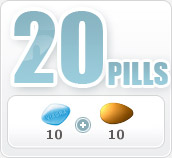
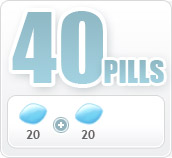
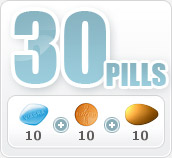
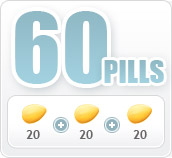
This pack format may contain multiple doses to support a treatment course, depending on the regimen prescribed or recommended.
Mechanism of Action
Many “40 mg” acid-suppressing medicines work by inhibiting a key enzyme involved in acid production in the stomach lining. In practical terms, that means:
- Less acid is produced by stomach cells.
- Existing irritation may heal over time.
- Symptoms like heartburn and reflux are reduced.
How quickly does it work? Some people notice symptom improvement within a day, but full effect—especially for healing—may take several days to weeks depending on the condition being treated.
Pharmacokinetics (How the Body Handles It)
While exact pharmacokinetic details depend on the specific active ingredient and formulation, medicines in this class often follow similar patterns:
- Absorption: Absorbed through the gastrointestinal tract after taking a dose. The formulation is usually designed to protect the active ingredient so it can act where it’s needed.
- Onset: Acid suppression begins after absorption and activation. Full acid-control can take a few days because the stomach’s acid-producing cells need time to be inhibited.
- Distribution: The medicine circulates in the body and targets the stomach lining cells.
- Metabolism: Usually processed by the liver to inactive metabolites.
- Elimination: Metabolites are removed primarily via the kidneys (urine) and sometimes via the bowel.
Kidney and liver considerations: If you have significant liver or kidney disease, you should discuss dosing and monitoring with your pharmacist or doctor.
Typical Use in Australia
Professional Pack-40 is commonly used to treat or manage conditions where reducing stomach acid helps relieve symptoms and promote healing, such as:
- Gastro-oesophageal reflux disease (GORD)
- Erosive oesophagitis (inflammation and damage to the oesophagus caused by reflux)
- Heartburn associated with acid reflux
- Stomach/oesophageal acid-related symptoms that require consistent acid suppression
- Other acid-related conditions as directed by a clinician
If your pack includes additional components (for example, other medicines), review the combined directions carefully.
Indications (What It Helps Treat)
In general, medicines of this type are indicated for:
- Treatment of reflux symptoms including burning sensation and regurgitation.
- Short- to medium-term therapy for inflammation due to reflux.
- Prevention or management of recurrent symptoms in some patients under medical advice.
Important: If symptoms persist, worsen, or you experience alarm features (see Safety section), seek medical assessment promptly.
How to Take Professional Pack-40 (Dosing and Timing)
Dosing can vary based on the diagnosis, age, and individual factors. Use the dose written on your pack or as instructed by a healthcare professional.
Typical timing
- Most commonly: taken once daily, usually in the morning.
- Consistency matters: take it at the same time each day.
- Allow time to work: it may take several days for maximum benefit.
How to take it
- Swallow whole with water (unless the label instructs otherwise).
- Do not crush or chew if the tablet/capsule is enteric-coated (follow packaging instructions).
- If you miss a dose, take it when you rememberDo not double to make up for a missed dose.
Dosing table (general reference)
| Condition (general) | Typical adult dosing pattern | Notes |
|---|---|---|
| Heartburn / GORD symptoms | Often once daily (e.g., 40 mg) for a defined course | Review if symptoms do not improve after the expected treatment period. |
| Erosive oesophagitis | Often daily dosing for several weeks | Follow medical guidance for duration and follow-up. |
| Maintenance or prevention (selected patients) | May be daily or as advised | Long-term use should be reviewed regularly by a clinician. |
Paediatric dosing: Dosing for children depends on age and weight and must be determined by a clinician. Do not use adult directions for children unless specifically instructed.
Food Interactions (Including Whether to Take It With Meals)
In many acid-suppressing medicines, timing with food can matter for best effect.
- Common recommendation: take it before food (often before breakfast) so it can work effectively when acid production is triggered.
- If you accidentally take it with food: you may still receive benefit, but consistency and timing can affect symptom control.
Practical tip: If you find it difficult to take in the morning, discuss an alternative schedule with your pharmacist or clinician.
Alcohol and Medicine Interactions
There is usually no direct interaction between acid-suppressing medicines and alcohol that requires automatic avoidance. However, alcohol can:
- Aggravate reflux and heartburn in many people.
- Increase stomach irritation and worsen symptoms.
- Make it harder to judge whether your treatment is working.
Recommendation: If you experience reflux, consider limiting alcohol—especially close to meals or before bedtime.
Seek advice urgently if you have severe symptoms after drinking, vomit blood, or experience black/tarry stools.
Medicine Interactions (Other Medicines That May Matter)
Professional Pack-40 may interact with other medicines by changing stomach acidity and absorption. The most relevant interactions depend on the exact active ingredient and your medicines.
Examples of medicines where interaction may be relevant
- Medicines requiring acid for absorption (sometimes reduced absorption occurs when stomach acid is lowered).
- Some antifungal and antiviral medicines may have altered levels.
- Warfarin and certain anticoagulants: monitor where required (your clinician may check INR more closely if you start or stop therapy).
- Antiplatelet therapy: always confirm with your pharmacist if you are on complex regimens.
Always tell us: Provide your current list of medications, supplements, and herbal products so a pharmacist can check for interactions.
Safety Profile and Side Effects
Most people tolerate Professional Pack-40 well. However, like all medicines, it can cause side effects.
Common side effects
- Headache
- Nausea or mild stomach upset
- Abdominal discomfort
- Diarrhoea or constipation (varies between individuals)
Less common but important side effects
- Rash, itching, or other signs of allergy
- Severe or persistent diarrhoea (could indicate infection)
- Unexplained bruising or unusual bleeding (seek medical advice)
- Low magnesium with prolonged use (your doctor may monitor)
Call for urgent medical help if you experience
- Swelling of face/lips, difficulty breathing, or severe allergic reaction
- Vomiting blood or material that looks like coffee grounds
- Black, tarry stools
- Severe chest pain or symptoms that could be heart-related
- Unintentional weight loss or difficulty swallowing
Who should use caution?
- People with liver problems
- People with low magnesium history
- Those on multiple medicines where interactions may occur
- Pregnant or breastfeeding individuals should discuss with a clinician
Practical Use Tips (How to Get the Best Results)
- Take it regularly: acid control improves with consistent daily dosing.
- Time it before meals: if recommended, take before breakfast.
- Keep a symptom note: track heartburn episodes, timing, and triggers to see if the medicine is helping.
- Don’t stop early: unless advised, finish the course recommended for your condition.
- Review other reflux triggers:
- Large meals
- Late-night eating
- Spicy, fatty, or acidic foods (varies by person)
- Smoking
- Excess weight
- Use lifestyle measures alongside medication: elevating the head of bed and avoiding eating right before lying down can help.
Alternative Options
If Professional Pack-40 isn’t suitable for you or doesn’t control symptoms, your pharmacist or doctor may consider alternatives. Options depend on the underlying cause and severity.
Possible alternatives (general categories)
- Other acid-suppressing medicines (same general class or a different class, depending on your needs)
- Antacids for fast, short-term relief of mild symptoms
- Alginate-based preparations that form a barrier to reduce reflux symptoms (often helpful after meals)
- H2 receptor blockers for some patients (may be used short-term in selected cases)
Choosing an alternative: The right option depends on whether you need rapid symptom relief, healing of inflammation, or longer-term management.
Market and Legal Context for Australia
In Australia, medicines are regulated under the Therapeutic Goods Administration (TGA) framework. Supply is subject to product classification and pharmacy regulations. Many acid-related medicines can be supplied via community pharmacies, and some may be available over-the-counter depending on formulation and strength.
Online pharmacies serving Australia operate under applicable state and federal requirements. To help ensure safety, reputable online sellers typically:
- Provide clear product information and dosing instructions
- Offer interaction checks based on your medication history
- Encourage medical assessment if symptoms suggest a serious condition
- Comply with prescription or non-prescription requirements as applicable to the product category
Recent guidance: Australian clinical practice commonly emphasises appropriate use of acid-suppressing medicines—using the lowest effective dose for the shortest necessary duration, with regular review for patients who require long-term therapy. Patients are also encouraged to seek assessment for “alarm” symptoms (such as difficulty swallowing, weight loss, or bleeding).
Delivery and Availability (What to Expect)
Availability depends on supply and product classification. When ordering online in Australia:
- Dispatch times: may vary based on stock levels and order volume.
- Delivery options: standard and express services may be available to different regions.
- Packaging: products are shipped in secure packaging to protect tablets/capsules.
- Tracking: many services provide tracking updates.
Tip: If you have a time-sensitive course (for example, a scheduled treatment period), choose a delivery option that allows enough lead time.
FAQ — Frequently Asked Questions
1) How long will it take Professional Pack-40 to work?
Some people notice symptom improvement within 24–72 hours, but maximum benefit—especially for healing inflamed tissue—may take longer. If you don’t feel better within the expected timeframe on the pack or advised by your clinician, check in with a pharmacist or doctor.
2) Should I take it every day?
For most reflux or acid-related conditions, yes—regular daily dosing is important. Only stop or change the schedule if you’re instructed to do so.
3) What if I miss a dose?
If you remember soon after missing it, take it. If it’s close to your next dose, skip the missed one and continue as normal. Don’t take a double dose.
4) Can I take it with food?
It’s often best before food. If you accidentally take it with meals, you may still benefit, but try to follow the pack directions going forward.
5) Does it interact with other medicines?
Potential interactions can occur with certain medications, especially those affected by stomach acidity. Provide a complete list of your medicines and supplements so a pharmacist can review interactions.
6) Is it safe to drink alcohol while using it?
There is usually no direct interaction requiring automatic avoidance, but alcohol can worsen reflux. Limiting alcohol may improve symptom control.
7) Can I use Professional Pack-40 long-term?
Some people require longer periods, but long-term therapy should be regularly reviewed by a clinician to ensure the lowest effective dose and ongoing safety monitoring.
8) What symptoms mean I should stop and seek help?
Seek urgent care if you have signs of serious reactions (such as breathing difficulty or facial swelling), bleeding (vomiting blood or black/tarry stools), severe chest pain, or significant swallowing problems.
9) Are there lifestyle changes that help along with the medicine?
Yes. Common helpful measures include avoiding late-night meals, reducing trigger foods, maintaining a healthy weight, and elevating the head of the bed if night symptoms occur.
10) What are my options if it doesn’t work?
If symptoms persist, discuss with a pharmacist or doctor. There may be an issue with timing, dose, diagnosis, or alternative treatments (such as other acid suppression strategies or additional reflux management approaches).
Summary
Professional Pack-40 is an acid-suppressing medication product used to relieve and manage symptoms related to stomach acid and reflux. It works by reducing stomach acid production, which can help heal irritation and improve heartburn and reflux symptoms over time. For best results, take it consistently and—when advised—before food. If you experience alarm symptoms or your condition isn’t improving, seek prompt clinical assessment.
Always read the pack label and speak to a pharmacist for personalised guidance, especially if you have other medical conditions or take multiple medicines.