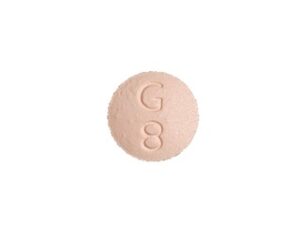


Hypnite (Eszopiclone) – Patient Guide (Australia)
Hypnite contains eszopiclone, a medicine used to treat sleep difficulties. This guide is written to help you understand how it works, how to take it safely, and what to expect. Always read the consumer medicine information (CMI) provided with your product and follow the directions from your healthcare professional.
At a glance
- Active ingredient: Eszopiclone
- Medicine type: Non-benzodiazepine “Z-drug” hypnotic
- Main use: Treatment of insomnia
- When to take: Usually just before bed, when you can get a full night’s sleep
- Key safety notes: Risk of next-day impairment, falls, memory problems, and unusual behaviours during sleep
- Alcohol warning: Avoid alcohol and other medicines that affect the brain
Basic product information
| Feature | What you need to know |
|---|---|
| Brand | Hypnite |
| Generic name | Eszopiclone |
| Class | Sedative–hypnotic (Z-drug) |
| Common form | Oral tablets |
| How it works | Enhances the action of GABA in the brain to promote sleep |
| Typical timing | Just before bed, when you have time for a full night’s sleep |
What is Hypnite and what is it used for?
Hypnite (eszopiclone) is prescribed to help adults who experience insomnia—difficulty falling asleep, staying asleep, or both. It works by helping you feel sleepy and stay asleep for longer.
Insomnia can have many causes, including stress, shift work, pain, anxiety, depression, sleep apnoea, restless legs syndrome, or irregular sleep schedules. Hypnite is intended as part of a broader plan for sleep health, which may include sleep hygiene and evaluation of underlying causes.
How Hypnite works (mechanism of action)
Eszopiclone acts on the brain’s GABA (gamma-aminobutyric acid) system. Specifically, it binds to the GABA-A receptor complex (a receptor involved in slowing down brain activity). By enhancing GABA’s inhibitory effect, eszopiclone helps reduce brain arousal and promotes the onset and maintenance of sleep.
In simple terms: it helps your brain “switch into sleep mode,” improving sleep initiation and, for some people, sleep continuity.
Pharmacokinetics (how the body handles it)
Pharmacokinetics explains what happens after you take a dose: how the medicine is absorbed, distributed, metabolised, and eliminated. While individual results vary, the following general points are useful:
- Absorption: Eszopiclone is absorbed after oral dosing. The rate can be affected by food (see “Food interactions” below).
- Onset: It is designed to help with sleep around bedtime. Many people feel effects within about 30 minutes, though timing varies.
- Distribution: It distributes into body tissues, including the brain, where it produces its effects.
- Metabolism: Eszopiclone is primarily metabolised by liver enzymes, notably the CYP3A4 and CYP2E1 pathways.
- Elimination: Metabolites are eliminated mainly via the kidneys (urine). Some active effects may remain into the next day, depending on dose, your metabolism, and other medicines.
Because metabolism can vary between people, it is important to take the lowest effective dose for the shortest time necessary, and to avoid combining with other sedatives or alcohol.
Typical use and treatment approach
Hypnite is used for insomnia in adults. It may be prescribed for:
- Short-term sleep problems (for example, during stressful periods)
- Longer-term insomnia when clinically appropriate, with ongoing review
A successful sleep plan often includes:
- Consistent sleep and wake times
- A comfortable, dark, quiet sleep environment
- Limiting caffeine later in the day
- Avoiding naps or keeping them short
- Reviewing contributing conditions (pain, anxiety, sleep apnoea)
When to take Hypnite (timing)
For best results and safety:
- Take it right before bed (or as directed by your healthcare professional).
- Ensure you can sleep for the full night. A minimum of several hours of uninterrupted sleep is generally recommended to reduce next-day impairment.
- Do not take it earlier than advised if you cannot guarantee sleep time. Taking it too early can increase drowsiness while you are still active.
- Use only as needed as directed, not to “catch up” on missed sleep.
If you wake during the night and still feel sleepy or confused, avoid driving and avoid alcohol. Seek medical advice if you have unusual sleep-related behaviours.
Food interactions
Food can affect how quickly Hypnite works:
- Taking with or soon after a heavy meal may delay sleep onset for some people.
- A lighter snack is usually less likely to cause delay, but individual responses vary.
- If you consistently find it “takes longer to work,” consider taking it closer to bedtime as advised, and discuss changes with your healthcare professional.
Practical tip: If you want the medicine to help you fall asleep quickly, try taking it when you are ready for bed, rather than immediately after a large meal.
Alcohol interactions and medicine interactions
Alcohol
Avoid alcohol
- Increase sedation and impairment
- Heighten the risk of falls and accidents
- Worsen breathing problems in vulnerable people
- Increase the risk of memory gaps and unusual behaviours during sleep
Other medicines that affect the brain
Using Hypnite with other sedating medicines can compound effects. Tell your healthcare professional if you use any of the following:
- Opioid pain medicines (e.g., oxycodone, morphine, codeine)
- Some antihistamines that cause drowsiness (e.g., sedating “sleep” or cold/flu products)
- Antipsychotics
- Some antidepressants
- Anti-anxiety medicines (e.g., benzodiazepines)
- Other hypnotics or sedatives
- Muscle relaxants
Medicines that may change Hypnite levels
Because eszopiclone is processed by liver enzymes, some medicines may change its concentration in the body. This can affect:
- The strength of the effect
- The length of time it stays active
- Your risk of side effects
Examples include certain antifungals, antibiotics, and medicines that influence CYP3A4 activity. Your healthcare professional can check interactions based on your exact medicines and health conditions.
Medical conditions requiring extra caution
- Sleep apnoea or breathing problems
- Severe liver impairment
- History of substance dependence
- Risk of falls (for example, due to age or balance issues)
- Depression or severe mental health conditions
Indications (who Hypnite is for)
Hypnite is indicated for the treatment of insomnia in adults. It is used to relieve sleep difficulties and improve sleep quality for people where insomnia is appropriate to treat.
It is important that insomnia is assessed as part of overall health. Some causes of poor sleep—like sleep apnoea, restless legs syndrome, or significant anxiety—may need targeted treatment.
Dose and how to take it safely
Dosing varies by individual, including age and liver function, and should follow the directions on your prescription and the CMI. The sections below provide general guidance.
General dosing principles
- Use the lowest effective dose.
- Do not increase the dose without medical advice.
- Take it only once per night unless instructed otherwise.
- If you feel overly drowsy the next day, speak to your healthcare professional—dose adjustment may be needed.
Typical dosing (general information)
In adults, common dosing approaches for eszopiclone include:
- Adults: often start with a dose designed for bedtime sleep.
- Elderly or medically frail: a lower starting dose may be considered to reduce next-day impairment.
- Reduced liver function: dosing may be reduced; some people may be prescribed an especially low dose or another option.
Because exact strengths available and recommended dosing can differ by local formulation and patient factors, always follow the dose stated on your medication label.
Safety profile and side effects
Common side effects
- Drowsiness or daytime fatigue
- Dizziness
- Headache
- Dry mouth or altered taste
- Nausea or stomach discomfort
Less common but important risks
- Memory problems (amnesia) and unusual sleep-related behaviours. Some people report doing activities while not fully awake (for example, sleep-driving, preparing food, or making calls).
- Next-day impairment (slower reaction time, reduced alertness). This increases risks such as falls and driving accidents.
- Worsened breathing in people with breathing disorders (for example, sleep apnoea).
- Dependence and withdrawal with prolonged use in some individuals.
Seek urgent medical help if
- You experience severe confusion, agitation, or dangerous behaviours at night
- You have trouble breathing, severe wheezing, or cyanosis (blue lips/fingertips)
- You develop signs of a severe allergic reaction (swelling of face/lips, rash, difficulty breathing)
- You have thoughts of self-harm or severe mood changes
Practical use tips (make it safer and more effective)
- Plan for a full night’s sleep before taking it. If you cannot, discuss alternatives with your healthcare professional.
- Avoid driving and operating machinery the next day if you feel drowsy, even mildly.
- Create a wind-down routine (dim lights, reduce screens, keep the room cool).
- Do not combine with alcohol or other sedatives unless your healthcare professional says it is safe.
- Keep a consistent schedule. Taking it irregularly can affect sleep patterns and daytime functioning.
- Stay mindful of unusual behaviours. If you or others notice sleepwalking, sleep-eating, or memory lapses, stop use and contact a healthcare professional.
- Report ongoing insomnia. If symptoms continue beyond a short period, you may need reassessment of the cause.
What to do if you miss a dose
Hypnite is generally taken at bedtime. If you miss your dose, do not take it later “to make up for it.” Take it only when it aligns with your bedtime routine and you can get enough sleep.
If you are unsure, contact your healthcare professional or pharmacist.
Stopping Hypnite and withdrawal considerations
Do not abruptly stop without advice if you have been taking it regularly for an extended period. Some people may experience rebound insomnia (sleep gets worse temporarily) or withdrawal symptoms.
A gradual plan may be needed. Discuss this with your healthcare professional for personalised guidance.
Alternative options for insomnia
If Hypnite is not suitable (or if you want additional strategies), several alternatives exist. The best choice depends on your insomnia type, health history, and medications.
Non-medicine options (often first-line)
- CBT-I (Cognitive Behavioural Therapy for Insomnia): a structured programme that improves sleep behaviours and thinking patterns.
- Sleep hygiene: regular timing, limited caffeine, and a relaxing pre-bed routine.
- Address underlying causes: treat sleep apnoea, restless legs, anxiety, depression, or pain.
Medicine options (discuss with your healthcare professional)
- Other sedative–hypnotics (for example, alternative Z-drugs)
- Melatonin or melatonin receptor agonists (may help some circadian rhythm issues)
- Some antidepressants used at night for specific insomnia patterns (only when clinically appropriate)
Your pharmacist can explain differences, including onset and safety considerations. Avoid switching without guidance, especially if you are already experiencing side effects.
Australia market and legal context (overview)
In Australia, medicines for insomnia are regulated to support safe use. Hypnite (eszopiclone) is an example of a sedative–hypnotic that may be subject to prescribing and dispensing rules, including supply limitations and safety monitoring.
Online pharmacies in Australia typically require verified identity and appropriate checks to ensure medicines are used safely and appropriately. Always ensure you obtain Hypnite from a reputable Australian-licensed supplier and use the product that matches your prescribed needs.
Important: Regulations and listings can change over time. If you have questions about eligibility or availability in Australia, contact the pharmacy or review the Australian medicines information relevant to your product.
Recent guidance and safety updates (general)
Healthcare guidance internationally and in Australia emphasises several key safety themes for sedative–hypnotics:
- Use the lowest effective dose and avoid prolonged continuous use unless clinically reviewed.
- Assess risks for falls, next-day impairment, and breathing problems.
- Recognise and act on sleep-related behaviours (parasomnias) and memory gaps.
- Review interactions with opioids, alcohol, and other sedating medicines.
Guidance may be updated as new safety information becomes available. If you have been taking Hypnite for a while, consider reviewing your treatment plan periodically with your healthcare professional.
Delivery and availability (Australia)
Availability can vary depending on the local supply chain, stock levels, and your location. When ordering online, common expectations include:
- Verified ordering process to ensure safe dispensing
- Packaging designed to protect tablets and include patient information
- Delivery timeframes depending on shipping region and courier services
To ensure you receive the correct product, check:
- Strength (if applicable) matches your label instructions
- Expiry date and condition of packaging
- That the tablet appearance matches the expected form for your product
Hypnite FAQ (Frequently asked questions)
1) How quickly does Hypnite work?
Many people fall asleep within about 30 minutes, but the timing varies depending on the person, dose, and whether food was eaten recently. If you’re not sleeping within a reasonable timeframe, don’t take extra doses—speak to your healthcare professional.
2) Will Hypnite make me sleepy the next day?
It can. Next-day drowsiness, slowed reaction time, or reduced alertness may occur—especially if you take it and don’t get enough sleep, take a higher dose, combine it with alcohol/other sedatives, or if you have slower metabolism. Avoid driving or risky activities if you feel affected.
3) Can I drink alcohol while using Hypnite?
No. Alcohol increases sedation and the risk of serious side effects. Avoid alcohol while taking Hypnite unless your healthcare professional specifically advises otherwise.
4) What are sleep-related behaviours and what should I do if I notice them?
Some people experience unusual behaviours while not fully awake (for example, sleepwalking or sleep-eating) and may not remember them. If you notice these behaviours, stop using Hypnite and seek prompt medical advice.
5) Can I take Hypnite with other medicines for anxiety or pain?
Some combinations can be dangerous. Medicines that cause drowsiness—including opioid pain medicines and certain anxiety medicines—may increase risk. Tell your healthcare professional and pharmacist about all medicines and supplements you take.
6) What if Hypnite isn’t helping my insomnia?
If it isn’t working after consistent use as directed, your healthcare professional may reassess your diagnosis, sleep hygiene habits, dose suitability, or interactions with other medicines. Never increase the dose on your own.
7) Is Hypnite addictive?
Sedative–hypnotics can lead to tolerance or dependence in some individuals, particularly with prolonged or inappropriate use. That’s why it’s important to use the lowest effective dose, follow the recommended plan, and have regular reviews.
8) Is it safe for everyone?
Hypnite may not be suitable for all people, including those with certain breathing disorders, severe liver impairment, a history of substance dependence, or a high risk of falls. Your healthcare professional will consider your medical history and current medicines.
9) Can I take it after a late meal?
A heavy meal can delay the onset of effect for some people. For best results, take it when you are ready for bed, and try not to take it right after a large meal.
10) Where can I find more information?
The consumer medicine information (CMI) for your specific product contains detailed instructions and side effect lists. Your pharmacist is also a good source for personal advice, especially about interactions with your current medicines.
Reminder: This guide provides general information about Hypnite (eszopiclone). Your individual dose, suitability, and safety advice should always be based on your healthcare professional’s assessment and the product’s CMI.